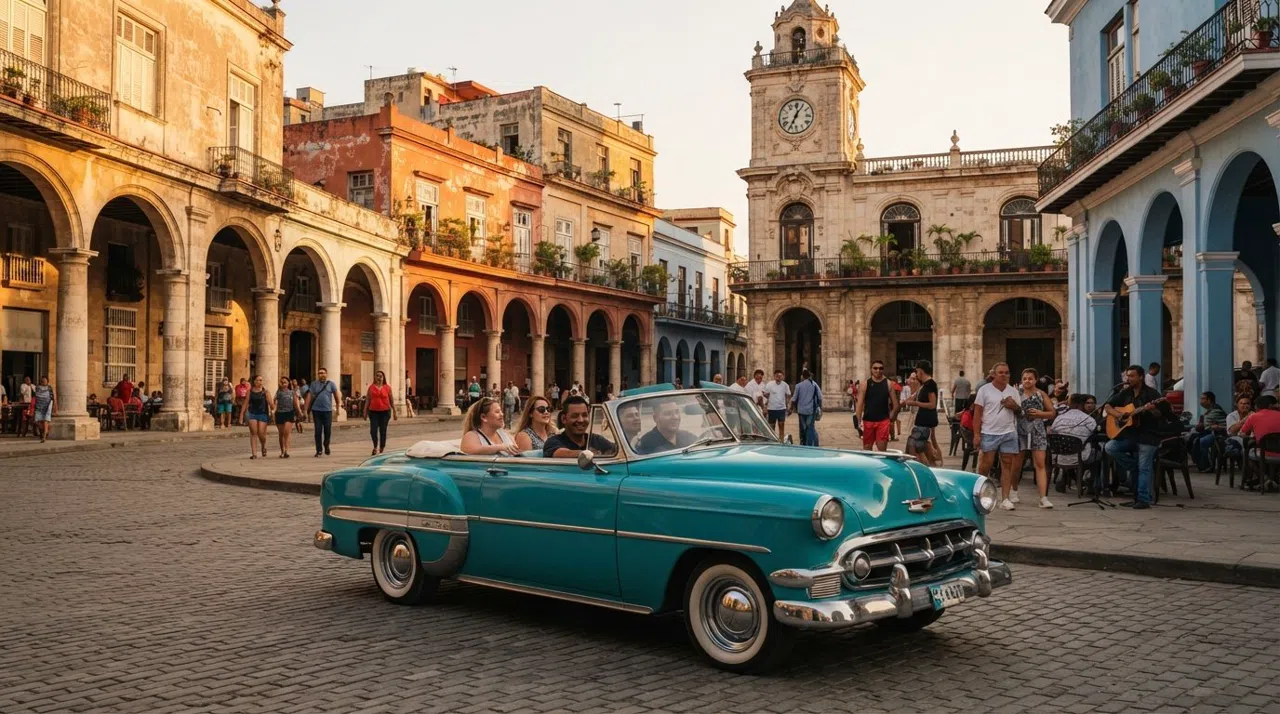
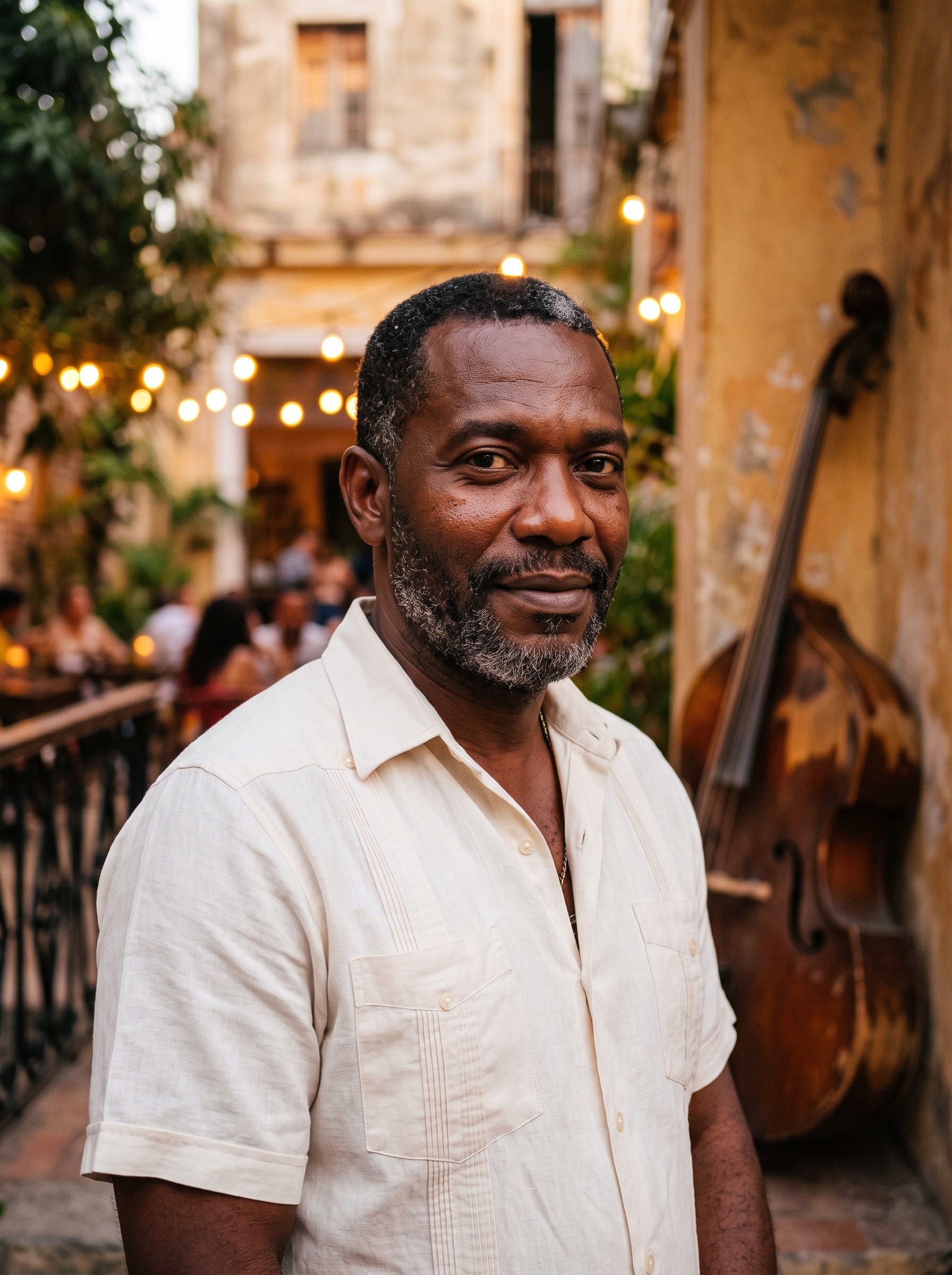
Five plazas, one pedestrian spine, and a harbour wind that carries a trumpet before lunch: Habana Vieja is Havana at full volume. This is the restored old city, UNESCO-bright in places and still patched together by hope in others, where a baroque church can stand beside scaffolding and a balcony of laundry can hang over a lane of cracked cobbles. You come for the postcard. You stay for the way the postcard keeps moving, because the music starts early, the mojitos are never far away, and one block off the main drag the old town turns domestic again.
What Habana Vieja is known for
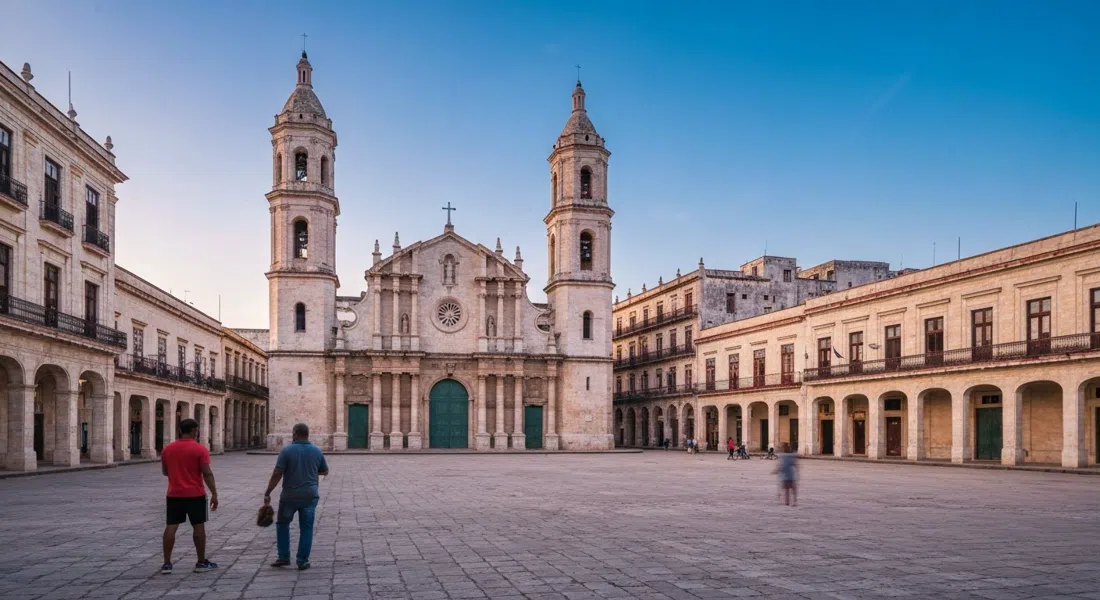
The fastest way to understand Habana Vieja is to walk its five plazas in sequence and let the neighbourhood explain itself. Start with Plaza de la Catedral, the prettiest of the lot, where the asymmetric towers of the Catedral de San Cristóbal rise over a small baroque square and the stone facades feel almost too composed to be real. Then cross to Plaza de Armas, older and shadier, with royal palms, second-hand book stalls and the heavy, civic calm of the Museo de la Ciudad in the Palacio de los Capitanes Generales. Keep going and the mood loosens at Plaza Vieja, all arcades, cafés and the hum of people lingering under the balconies. At Plaza de San Francisco de Asís, the harbour opens the scene up, and the cruise-terminal edge reminds you that this old city has always been looking outward. Linking them all is Calle Obispo, the pedestrianised spine where the whole district seems to squeeze itself into a few noisy blocks. And to the west, impossible to ignore, sits El Capitolio, modelled on the US Capitol and built a touch larger by local pride.
That is the postcard version. It is also true. But Habana Vieja works because the polish is never complete. Fresh paint sits beside buildings still held up by hope. Tour groups drift in waves, then vanish for lunch, and the old town resumes its own rhythm: a knife-sharpener’s whistle, a tres guitar from a doorway, a domino slap somewhere just out of sight. If you want the classic Havana that first-timers dream about, this is it. If you want the city breathing under the varnish, this is it too.
The prices remind you that everyone else wants the same thing. This is the busiest, most touristed and priciest slice of Havana. You will get hustled for a cigar or a cocktail on Obispo. You will also find schoolkids in maroon uniforms, neighbours arguing across balconies, and the kind of ordinary street theatre that no stage manager could improve. Come with cash, comfortable shoes and a loose plan. The district rewards both wandering and stubbornness.
Where to eat & drink
Habana Vieja’s dining scene runs on paladares, the privately run restaurants that turned Havana’s food story from a state script into something more personal, more uneven, and often more interesting. The name to know on O'Reilly is O'Reilly 304, a landmark paladar for ceviche, tacos and jar lemonades, and its sibling across the street, El del Frente at O'Reilly 303, which takes the same appetite upstairs and opens it to the air. The rooftop there is the point: a breezy perch for inventive cocktails and a drink that feels earned after a day of heat and cobbles.
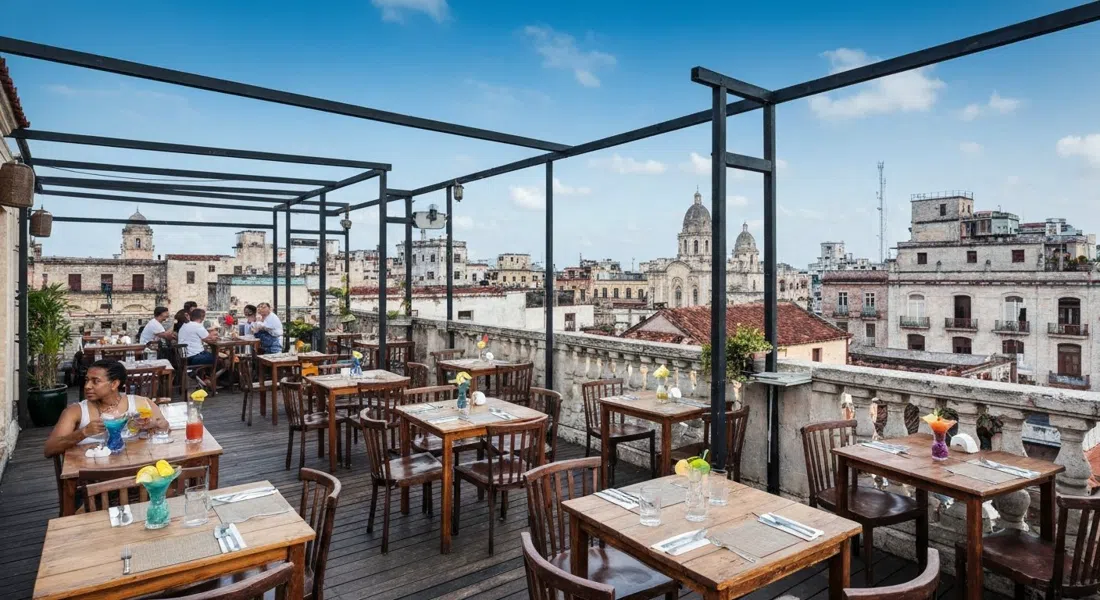
A few doors along, Sibarita at O'Reilly 528 is the kind of place that could only work in Havana: a graffiti-splashed tiki rooftop turning out ceviche, camarones and one of the city’s best burgers, with cocktails that are cheap and well made. It is not subtle. That is the point. In a neighbourhood this crowded, altitude helps, and Sibarita uses it well.
For the Cuban home-cooking route, book ahead at Doña Eutimia, tucked down the Callejón del Chorro off Plaza de la Catedral. The room is beloved for a reason, and the lamb ropa vieja is widely called the best in Havana. It is the sort of dish that makes you slow down without asking permission. Nearby, Los Mercaderes on Mercaderes 207 sets Creole plates inside a restored 19th-century house, with musicians on the balcony and the old city doing what it does best: making dinner feel like a small civic event. If you want something more polished, 5 Sentidos on San Juan de Dios goes in a tasting-menu direction, while Café del Oriente on Oficios gives you the formal, state-run splurge, the kind of room where the service and the setting are part of the ceremony.
Breakfast belongs to El Café on Amargura, where sourdough and fresh juices pull a queue before the day properly starts. It is buzzy for a reason. People know where the good morning bread is. And then there are the two bars that define the Hemingway trail whether anyone likes the cliché or not. La Bodeguita del Medio on Empedrado serves the minty, over-priced mojito that every first-timer feels obliged to order, and El Floridita at Obispo 557, corner Monserrate, gives you the frozen daiquiri beneath the bronze bust. Both are tourist theatre. Both are worth doing once. You do not go for authenticity in the museum sense. You go because these rooms are part of Havana’s exported image, and Havana has always known how to perform for a crowd.
Going out
After dark, Old Havana is less club district than long, liquid conversation. The music spills out of the plazas and the bars rather than gathering into one big scene. Café Taberna on the corner of Plaza Vieja, at Mercaderes 531 and Teniente Rey, is the anchor. It is a restored 18th-century room dedicated to Benny Moré, and the son and salsa bands play near-continuously through the day and into the evening. Expect a cover or a two-drink minimum. That is the price of sitting close to the engine.
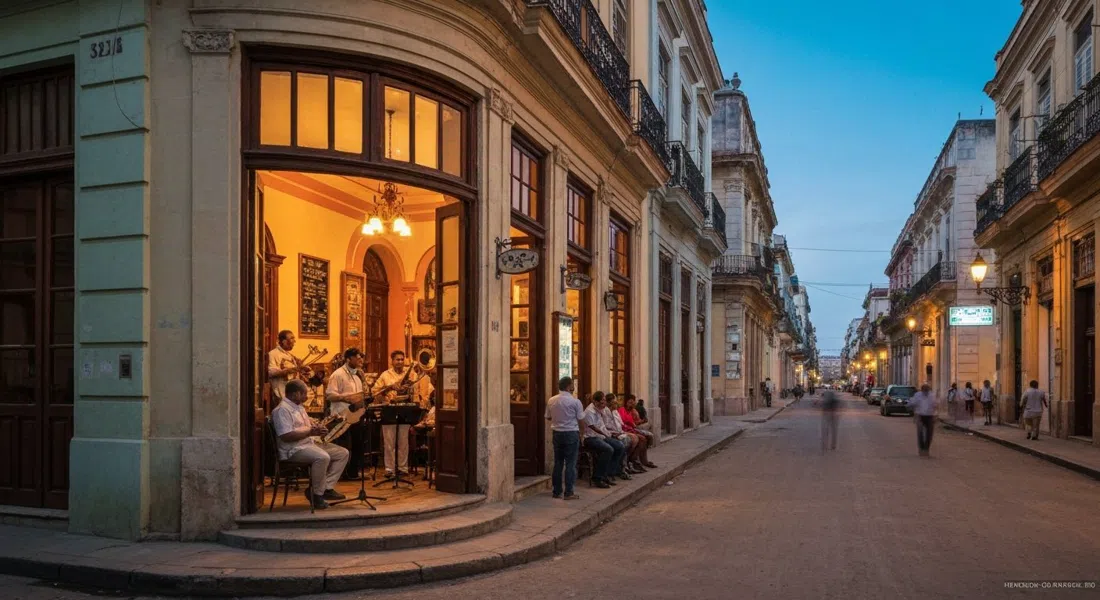
On Plaza Vieja itself, La Taberna de la Muralla pours its own amber lager at long outdoor tables, with a band in the corner and the easy sprawl of the closest thing Cuba has to a beer garden. It is not polished. It is better than polished. The plaza gives the room its air, and the room gives the plaza its after-hours pulse. If you want a sundowner with a view, the rooftops are the move: El del Frente and Sibarita both work for that, while El Surtidor atop the Gran Hotel Manzana Kempinski looks over Parque Central and the Capitolio dome with a level of polish that reminds you how expensive this part of town can be.
The Hemingway bars also double as nightlife. La Bodeguita del Medio gets sweaty and loud with live son after dark, and El Floridita keeps its house band going late. You will hear people debate which is the more honest bar. That argument is old enough to have its own folklore. My advice is simpler: go once, listen to the band, have the drink, and move on. The real music in Habana Vieja is usually a block away from the famous sign.
Things to do / what to see
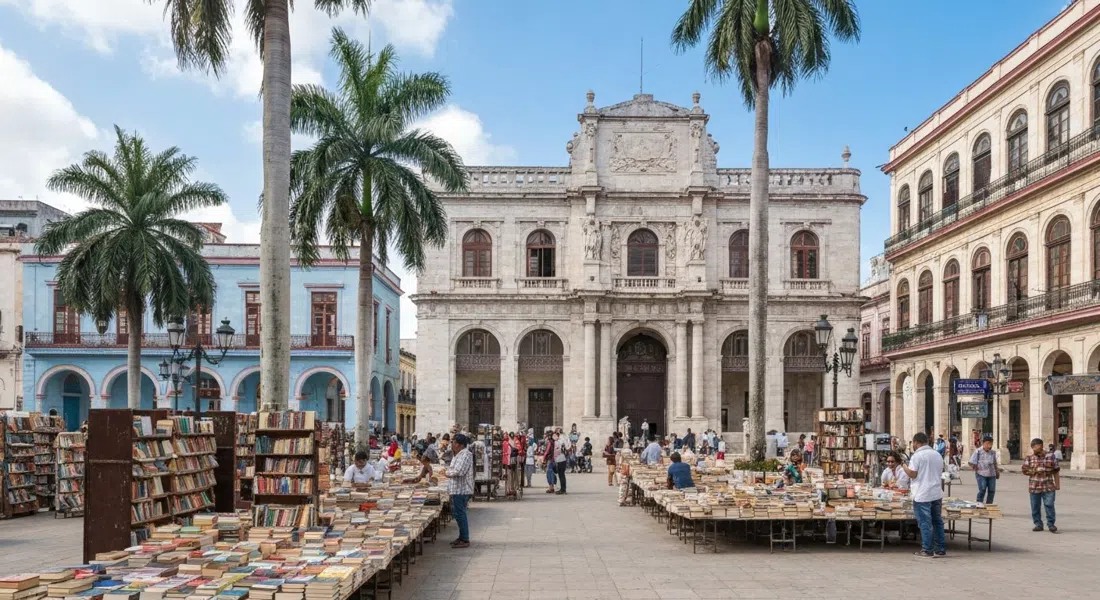
Start on foot. That is not a suggestion; it is the only sensible way to read this district. From Plaza de Armas, step into the Museo de la Ciudad in the Palacio de los Capitanes Generales for colonial history under a Carrara-marble courtyard, then climb the Castillo de la Real Fuerza, the oldest stone fort in the Americas, for harbour views and the maritime museum. The square itself does a lot of the work. Book stalls line the edges. The light shifts through the palms. The whole place feels like a page turned slowly.
Over on Plaza Vieja, ride the lift up to the Cámara Oscura and watch a live, rotating 360-degree image of the old town projected onto a dish. It is the best orientation trick in the city. You see the rooftops, the plazas, the harbour line, and suddenly the maze makes sense. That matters here. Habana Vieja rewards those who can hold a map in their head, even a loose one.
Near the harbour by Plaza de San Francisco, the Museo del Ron Havana Club on Avenida del Puerto / San Pedro 262 runs 15-minute guided tours through the rum-making process and finishes with a pour of seven-year-old añejo. It is efficient, yes, but also perfectly pitched for this neighbourhood: a quick lesson, a tasting, and back into the heat with a little more understanding of what keeps the whole city lubricated.
On the western edge, the Museo de la Revolución in Batista’s former presidential palace tells the story of 1953–59 and parks the Granma yacht and assorted tanks out back. That is a different Havana, but not a separate one. The old city has always been a stage for power, and the palace-turned-museum makes that plain.
For something quieter and more local, seek out the Callejón de los Peluqueros off Aguiar, a barber-led art project where Papito Valladares turned a run-down lane into galleries, a hairdressing museum and small restaurants. It is one of the places that reminds you Habana Vieja is not only a heritage district for visitors. People still make things here. They still claim corners.
And no visit is complete without the near-obligatory ride in a 1950s convertible. Hire one from the ranks at Parque Central and loop the Malecón at golden hour. The route is a cliché for a reason. The city opens up when the light goes low.
Shopping
Shopping in Habana Vieja is mostly about what this city can still make, sell or stage for visitors: cigars, rum, art and crafts. Calle Obispo is the retail spine, with the official Casa del Habano-style cigar and rum shops the safest bet for genuine Cohibas and Havana Club. Buy only from official state shops. The cigars pressed on you in the street are almost always fakes, and the touts know exactly how to make a bad bargain sound like a secret.
Around Plaza de Armas, second-hand book stalls appear daily, heavy on Che portraits, revolutionary posters and old peso notes. It is more souvenir than serious book trade, but the square is handsome enough to make even the most obvious trinket feel like part of the scenery. For local art and crafts, browse the galleries around Plaza Vieja and the Callejón de los Peluqueros. Then, if you want the big haul, head south along the waterfront to Almacenes San José on Avenida del Puerto, a converted warehouse packed with paintings, leather, hats and trinkets, with haggling expected.
This is also where Cuba’s scarcity shows itself without much disguise. Shelves can be sparse. The best souvenirs are the ones that already belong to the place: cigars, rum, coffee and art, not much else. Keep that in mind and you will shop with less disappointment and more intent.
Where to stay in Habana Vieja
Habana Vieja is the classic first-timer base because everything is walkable and you wake up inside the postcard. That sounds like a sales pitch until you spend a night here and hear the plazas settle, then wake to the first band sound drifting up from the street. The trade-off is exactly what you would expect: this is the busiest, most touristed and priciest part of Havana, and the music does not stop early.
Two broad choices define the stay. Boutique and luxury hotels occupy restored colonial buildings, most notably the Gran Hotel Manzana Kempinski, the city’s flashiest address, wrapped around the old Manzana de Gómez arcade with a rooftop pool over Parque Central. The Hotel Saratoga remains closed following the 2022 explosion, so ignore older guides that still list it. The more characterful and better-value option is a casa particular, a room or apartment in a family home. It is usually cheaper, warmer and more revealing than a hotel, though the amenities can vary.
Where you sleep changes the mood. Around Plaza Vieja you get the liveliest cafés and bars. Around Plaza de la Catedral you get the most romantic, photogenic setting. Around Plaza de Armas you get the quietest, most historic corner. Book casas two to four weeks ahead in high season, from November to March, and bring enough cash for the whole stay. That last part is not negotiable here.
Getting around
Habana Vieja is made for walking. Most of the core is pedestrianised or nearly so, and the five plazas sit within a 15-minute stroll of one another. The sidewalks are narrow, uneven and often broken, which means sturdy shoes are not a style choice. They are survival. There is no metro in Havana. If you need to reach Centro Habana, Vedado or the nightlife farther out, flag a classic-car taxi or a yellow coco-taxi and agree the fare before you set off. Roughly USD 5–10 gets you across the central districts.
The hop-on-hop-off Habana Bus Tour double-decker links the old town with the Plaza de la Revolución and the Vedado hotels if you want a quick overview rather than a deep walk. José Martí International Airport (HAV) is about 20 km south-west, a 30–40 minute drive. A fixed taxi runs around USD 25–30, and you should confirm the price before leaving the terminal. Most important of all: this is a cash economy. Bring US dollars or euros, change some into pesos where sensible, and do not rely on cards or ATMs. They frequently fail for foreign travellers.
If you keep that in mind, Habana Vieja is straightforward. Walk it. Drink it slowly. Let the plazas do their work. The old city has spent centuries learning how to hold a crowd without losing its own beat.