The Havana issue
Marianao, the Havana district behind Tropicana
Tropicana sells its seats in blocks, the obelisk looks like a syringe, and Pogolotti's cottages date to 1911. One municipality in west Havana holds all three.
By Oliver NashReading Havana barrio by barrio
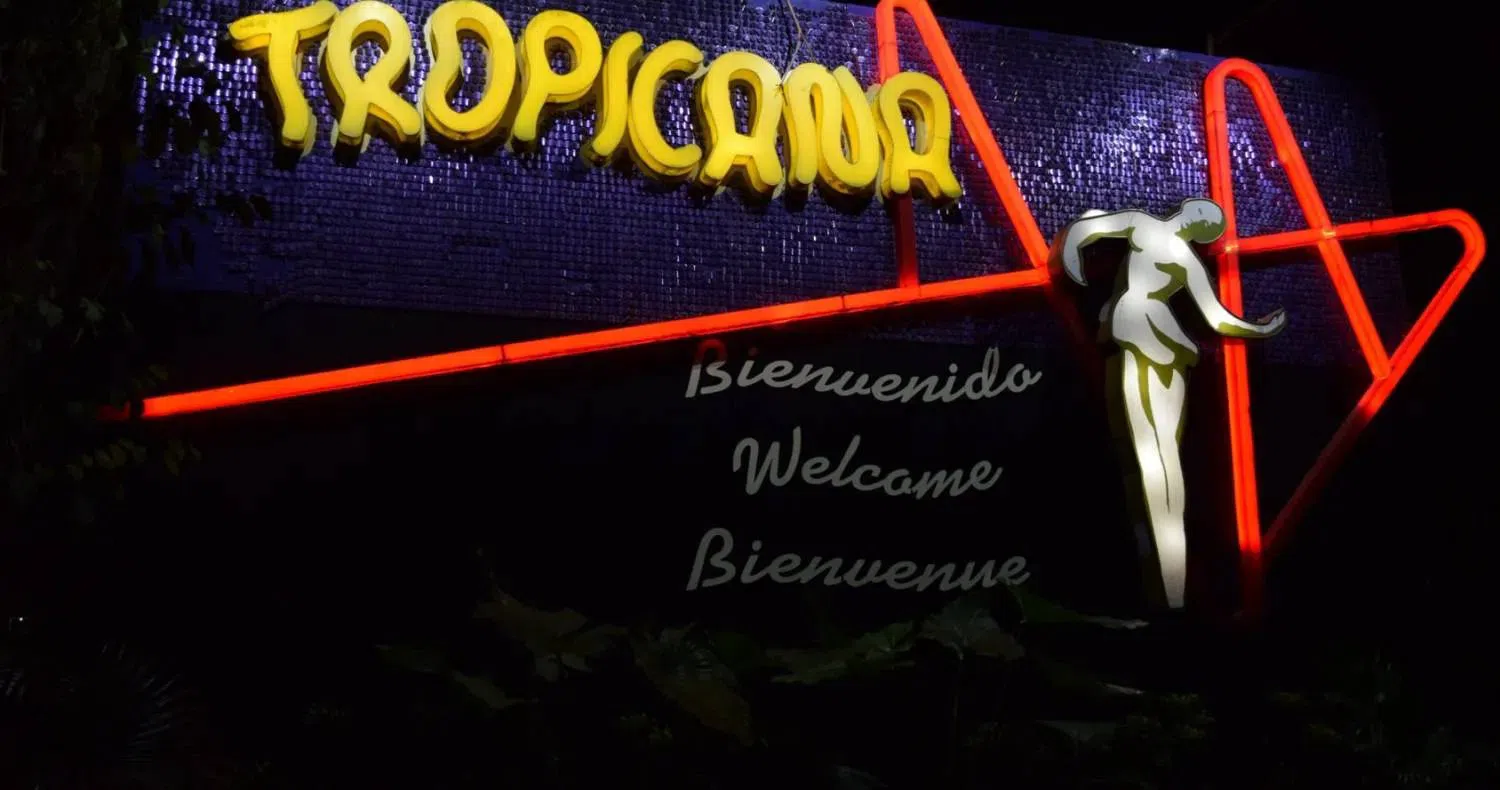
Cabaret Tropicana (Calle 72 e/ 45 y Línea del Ferrocarril) has played under real trees in Marianao since 1939. Doors open at 20:30 and the show starts at 22:00. The open-air room seats 1,000, and most of those seats are sold in blocks through hotel and agency desks.
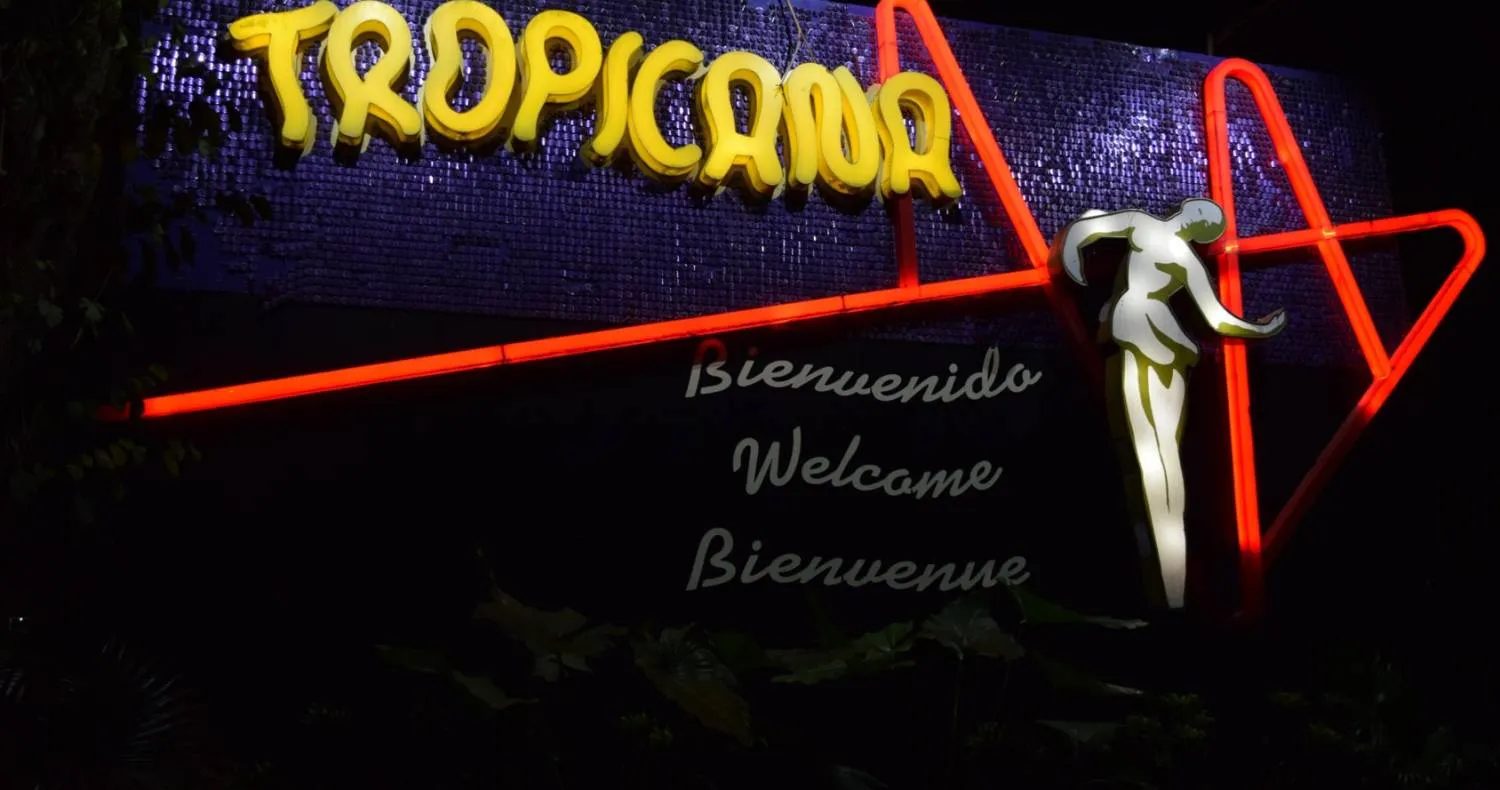
Booking a seat at Tropicana
Tropicana is the reason most visitors cross town to Marianao. The room is the Salón bajo las estrellas, and the canopy is built into it: swooping concrete-and-glass parabolic arches threaded through the trees, showgirls working in towering chandelier headdresses. Rita Longa's bronze ballerina stands on the fountain at the entrance.
Book through a hotel or an agency desk, and do it well before the night you want. The door is 18+. Dress is formal, which means long trousers for men, and shorts and flip-flops do not get in. The price band is $$$$.
Plan your Havana trip
Live prices from our booking partners.
Free cancellation on many rooms. We may earn a commission when you book.
The obelisk on Plaza Carlos J. Finlay
The Obelisco de Marianao (Plaza Carlos J. Finlay, at Calles 100 and 31) is 40m of Jaimanita limestone on a black granite base, cut in the shape of an upright syringe, with a small red beacon light at the pyramid tip. Locals call it La Jeringuilla. It is the symbol of the municipality.
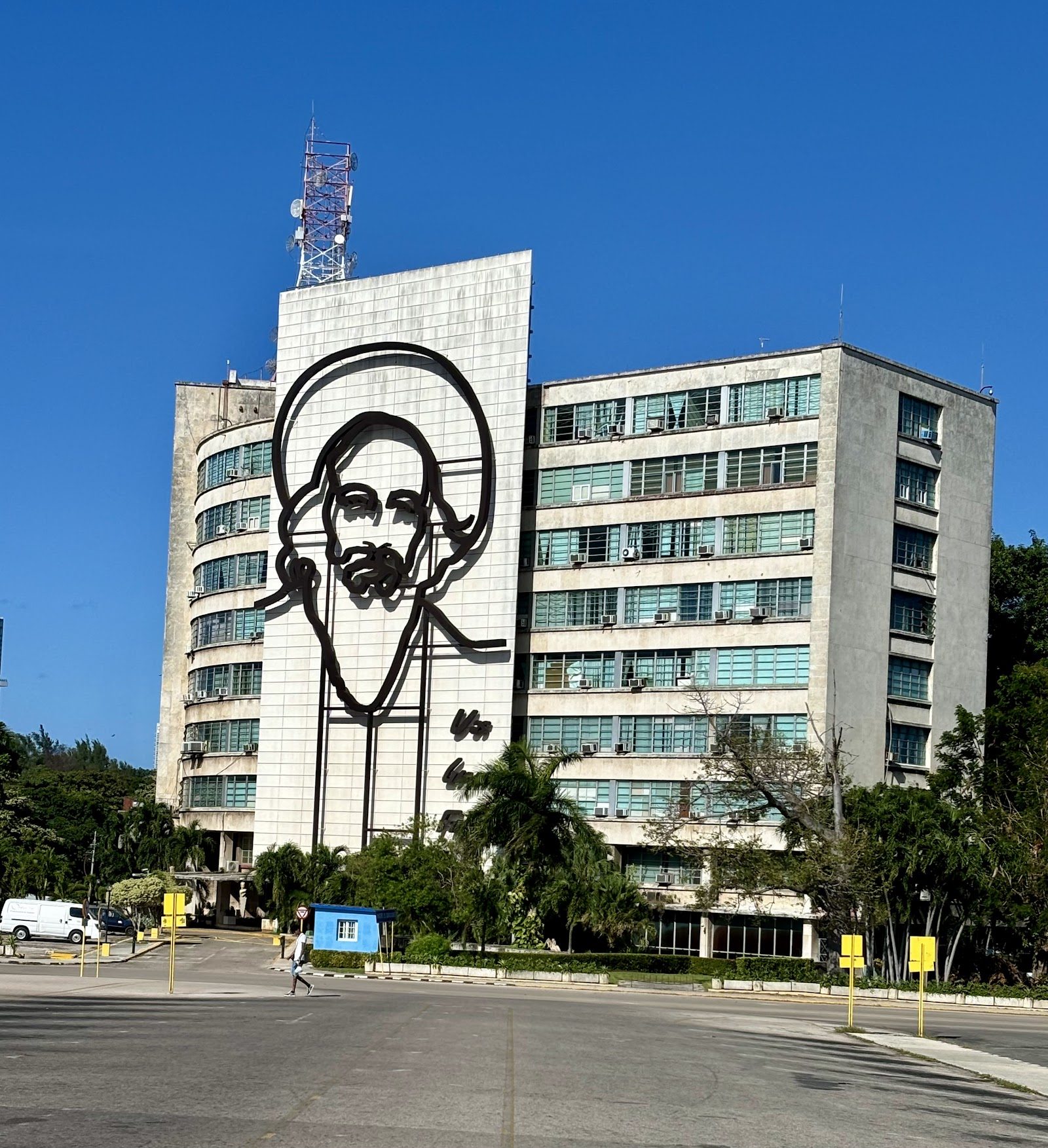
It was inaugurated on 4 September 1944 for Carlos J. Finlay, who identified the mosquito vector of yellow fever. Four matching 1940s civic buildings ring the junction, so you can take in the whole set by turning on the spot. The square is free, public and never shut, and nobody minds a camera.
Ciudad Escolar Libertad
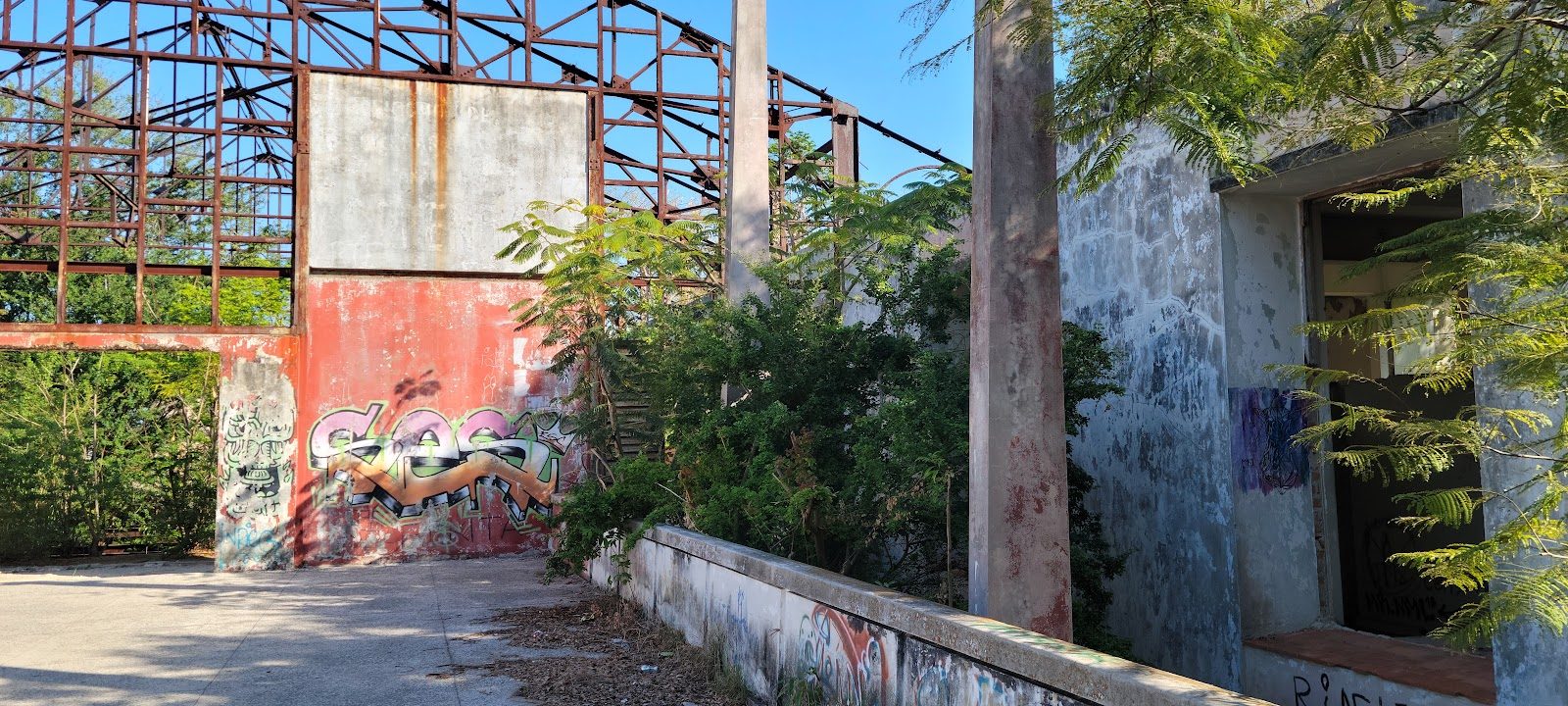
The old military gatehouse at Calles 31 and 100 stands on the same junction, and behind it begins Ciudad Escolar Libertad (Calles 31 and 100), the former Campamento Columbia. This was Cuba's main military base from the 1898 US occupation until Fidel Castro handed it to the education ministry on 14 September 1959. It was declared a National Monument in December 2008.
The avenues run parade-ground wide, with royal palms between long low whitewashed barracks that are now painted up as schools. It is a working school city rather than a ticketed site, so walk or drive the avenues freely and ask at the gate before going inside any building. Entry costs nothing.
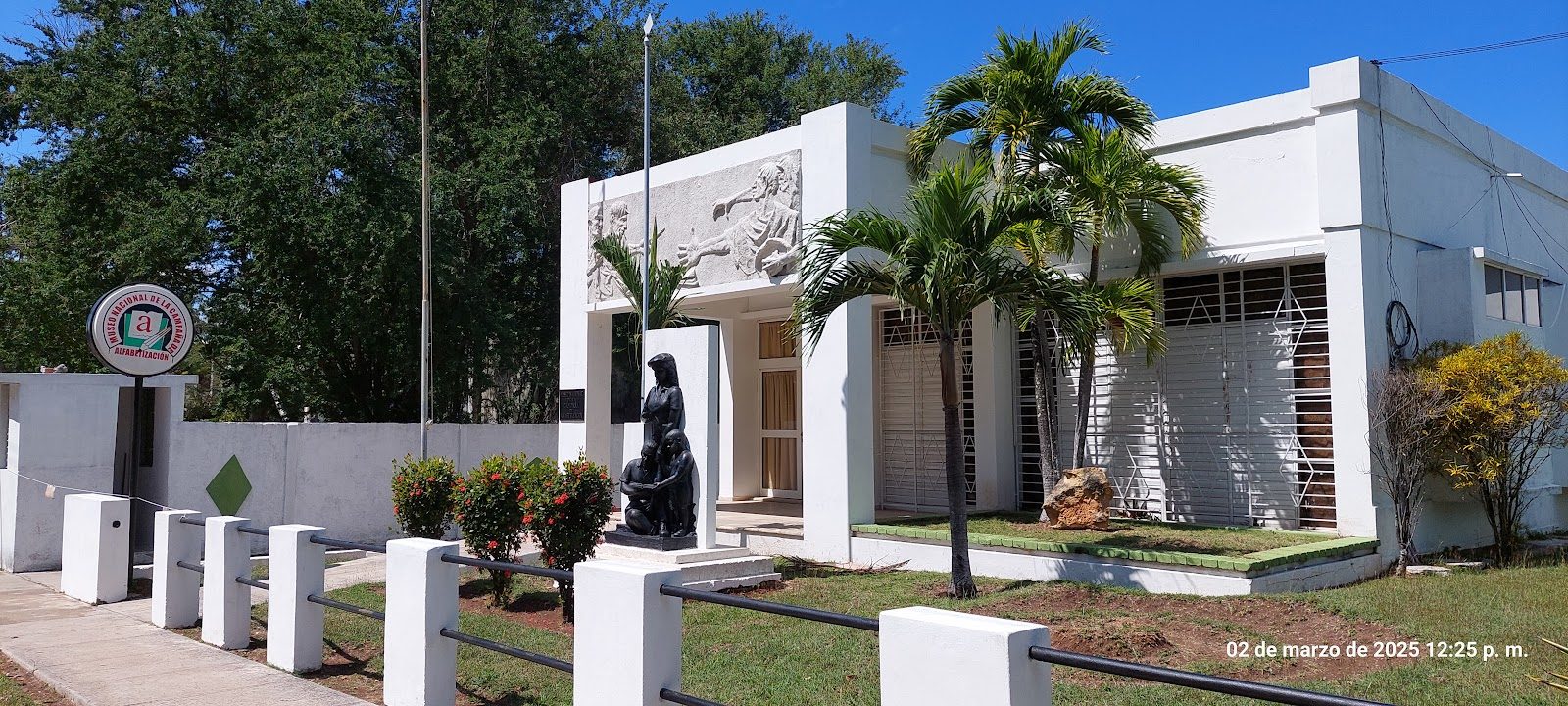
One of those barracks blocks holds the Museo Nacional de la Campaña de Alfabetización (Calle 29-E No. 8610 e/ 86 y 102), the only museum in the world devoted to a literacy campaign, with the complete 1960 to 1962 archive. The cases hold olive-green brigadista uniforms and caps, rows of paraffin Coleman lanterns, and pencil-written letters from newly literate farmers. Give the letters time; they repay it more than anything else in the room.
The museum opens Monday to Friday, 08:00 to 12:00 and 13:00 to 17:00. Saturday is mornings only. Entry is $. Phone (7) 260 8054 ahead for anything more than a dozen people.
At the entrance to the school city, the Academia Nacional de Bellas Artes San Alejandro stands behind ten tall modernist columns in the building known as the Flor Martiana, with teenage students sketching on the steps. Founded in 1818, it is the oldest art school in Latin America, and it has been on this Marianao site since 1962. It turned 208 in January 2026 with the student portrait show Reencuentro con los Maestros.
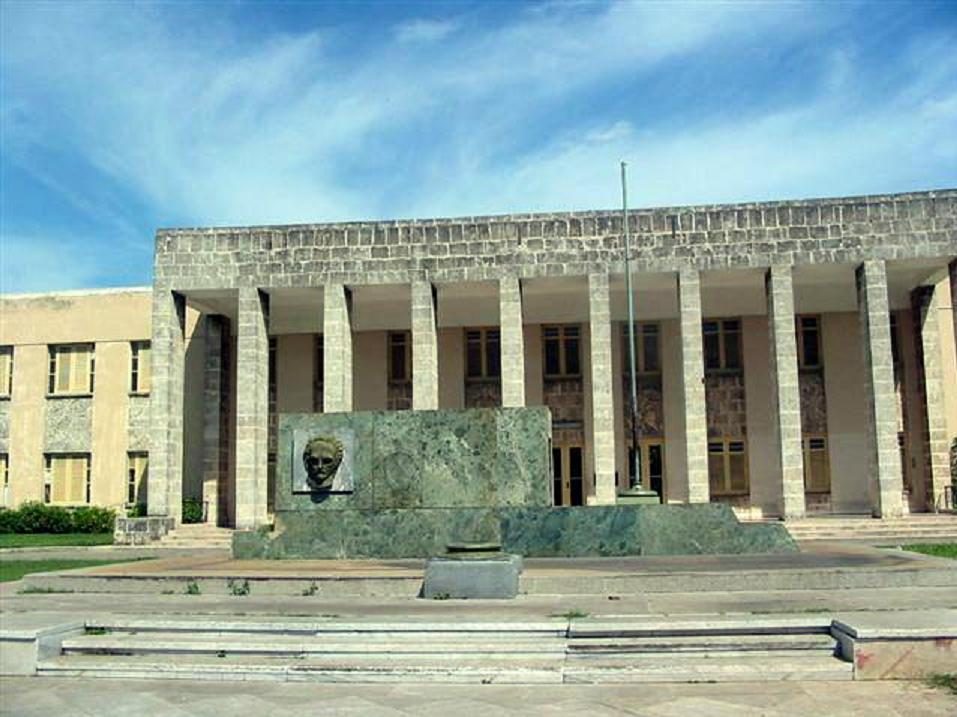
The José Antonio Díaz Peláez gallery rotates free exhibitions and takes walk-ins weekdays, 09:00 to 17:00. Email [email protected] for a larger visit.
Pogolotti's 1911 cottages
Barrio Obrero de Pogolotti (Redención) was the first purpose-built workers' neighbourhood in Cuba and Latin America. The first 100 houses were handed over on 24 February 1911 under the Valdés Carrero law, and the barrio marked its 115th birthday in February 2026.
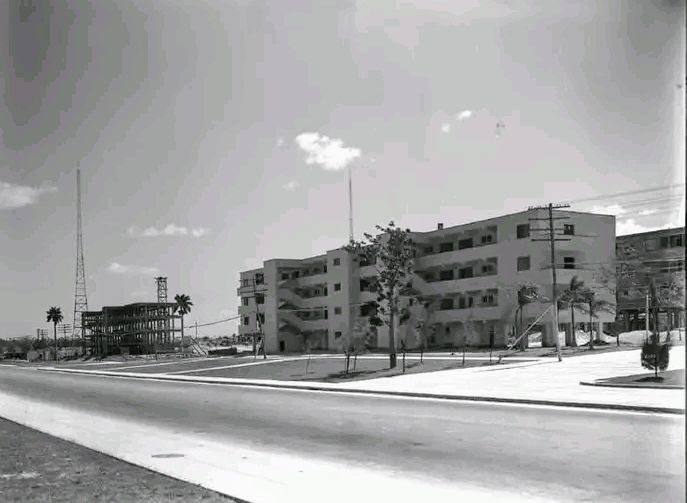
You walk through a tight grid of single-storey cottages, each with a one-step porch, washed in faded pastel render under flat roofs. Rumba drums carry down the street. These are homes and the streets are lived in, so keep to the pavement and ask before photographing people. Walking it costs nothing and takes as long as you let it.
Avenida 51 and the market
Avenida 51 and the Plaza de Marianao market (the old Calle Real) is the municipality's main drag, and the cabaret coaches do not come down here. Go in the morning, when the produce is on the stalls: hand-chalked price boards over crates of plantain and avocado at the state agro market, queues outside the peso bakeries, bicitaxis working the kerb. Costs are $.
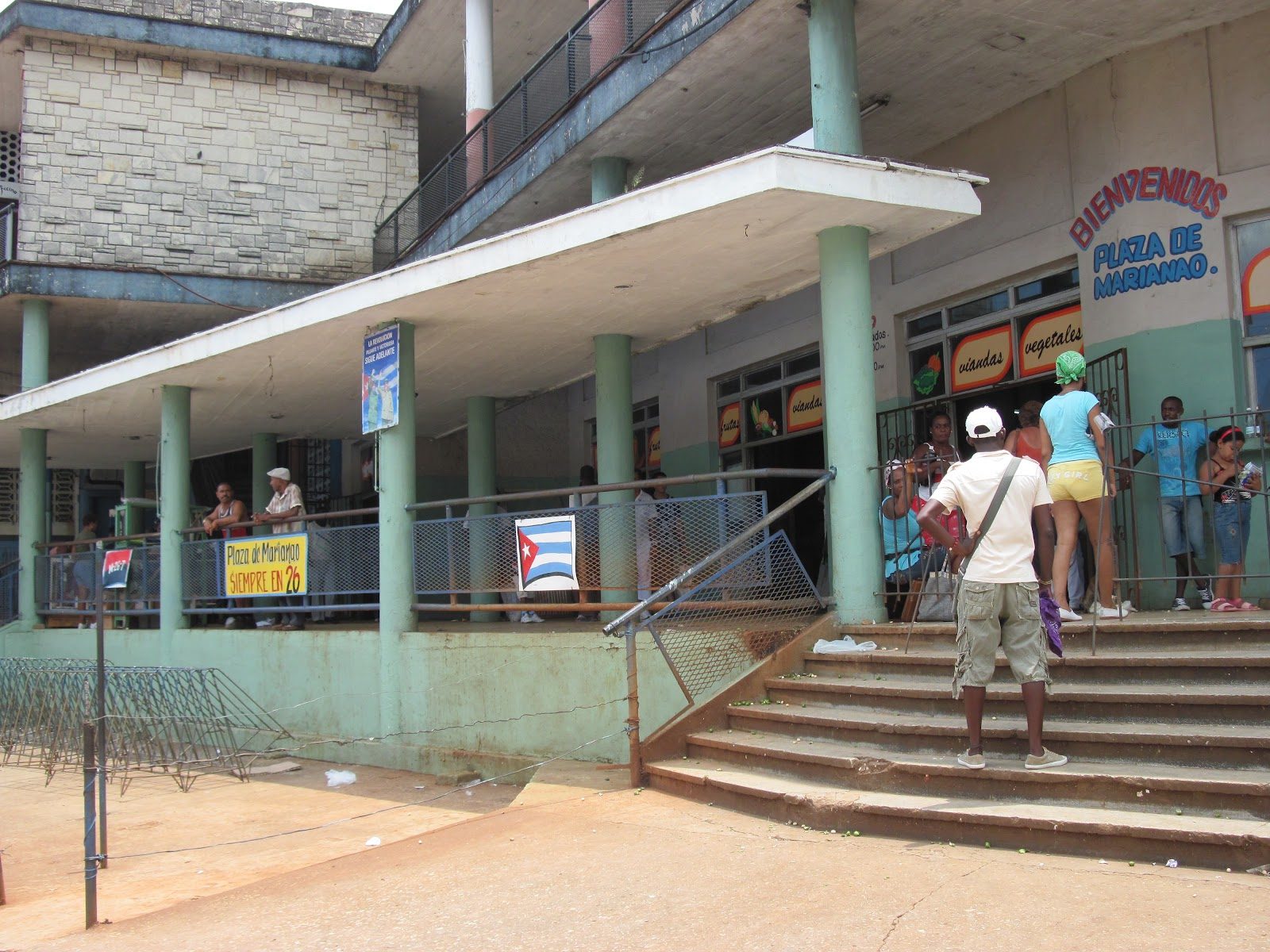
The market is cash only, in pesos. Expect shortages and blackouts, and take whatever is piled up that morning as the day's choice. Up at Calle 124 you reach the Palacio Municipal and its open amphitheatre, which is the top end of the avenue.
The parish church on Avenida 51
Parroquia San Francisco Javier de los Quemados (Ave 51 #10620) fronts the avenue's traffic and shopfronts, with a plain colonial-descended façade and a bell tower rising above the roofline. It is Marianao's mother church, successor to the 1724 San Francisco Xavier hermitage that gave Quemados de Marianao its name, and it was raised to parish around 1780. Our Lady of Charity of El Cobre remains co-patroness.
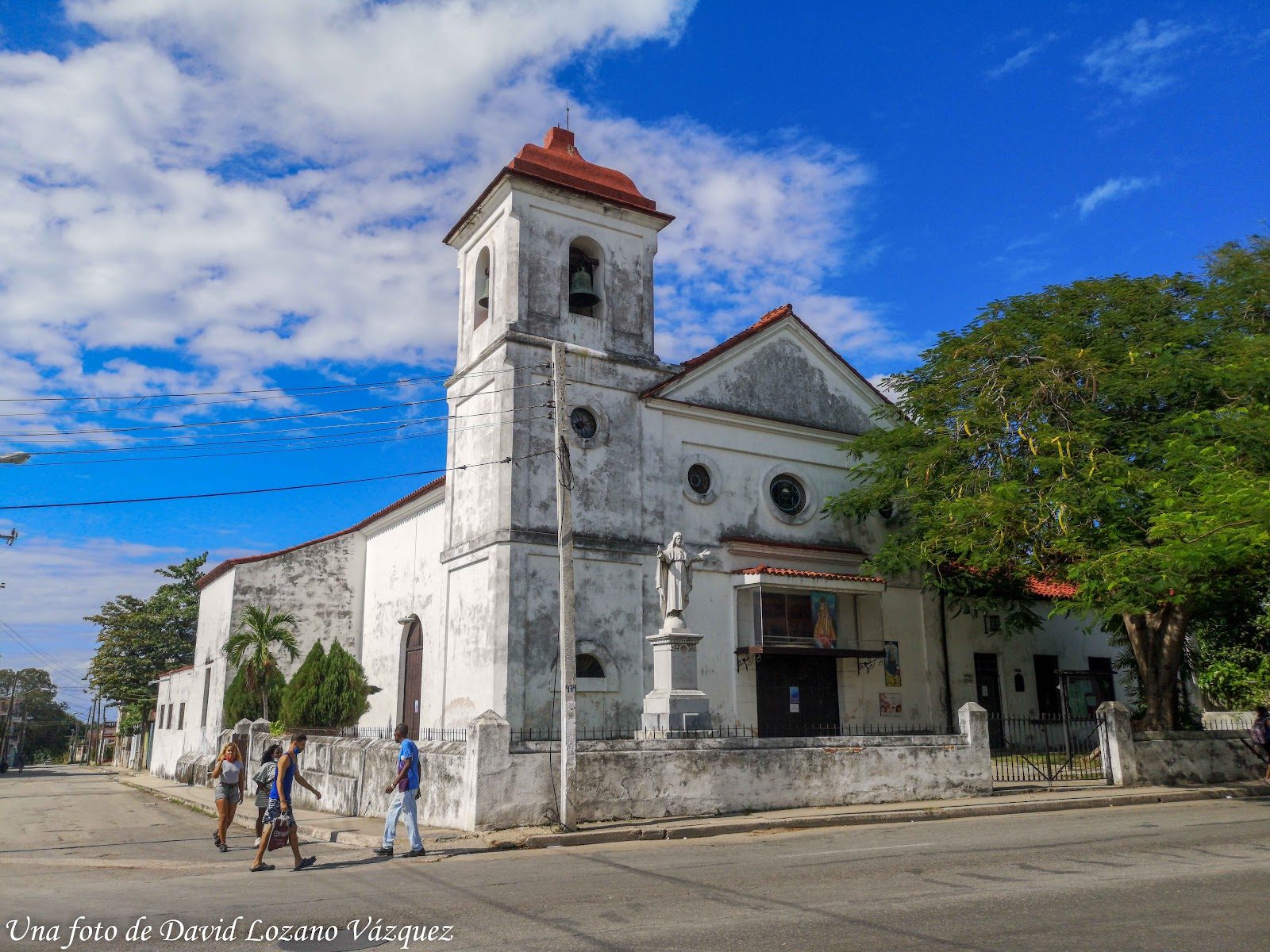
The doors are open for mass and for quiet visits, and nothing is charged. Ring 260 7598 before turning up outside service times.
Eating in Marianao
Juanky's Pan Marianao (Avenida 45 e/ 74 y 76) is two blocks from Tropicana. Burgers stack at the pass of a bright counter-service cafeteria, blenders turn out fruit batidos and ice-cream shakes, and a takeaway window opens onto the street. A head costs 840 CUP. Delivery runs every day on +53 7 261 0091. Eat here if you want the show without the cabaret dinner bill.

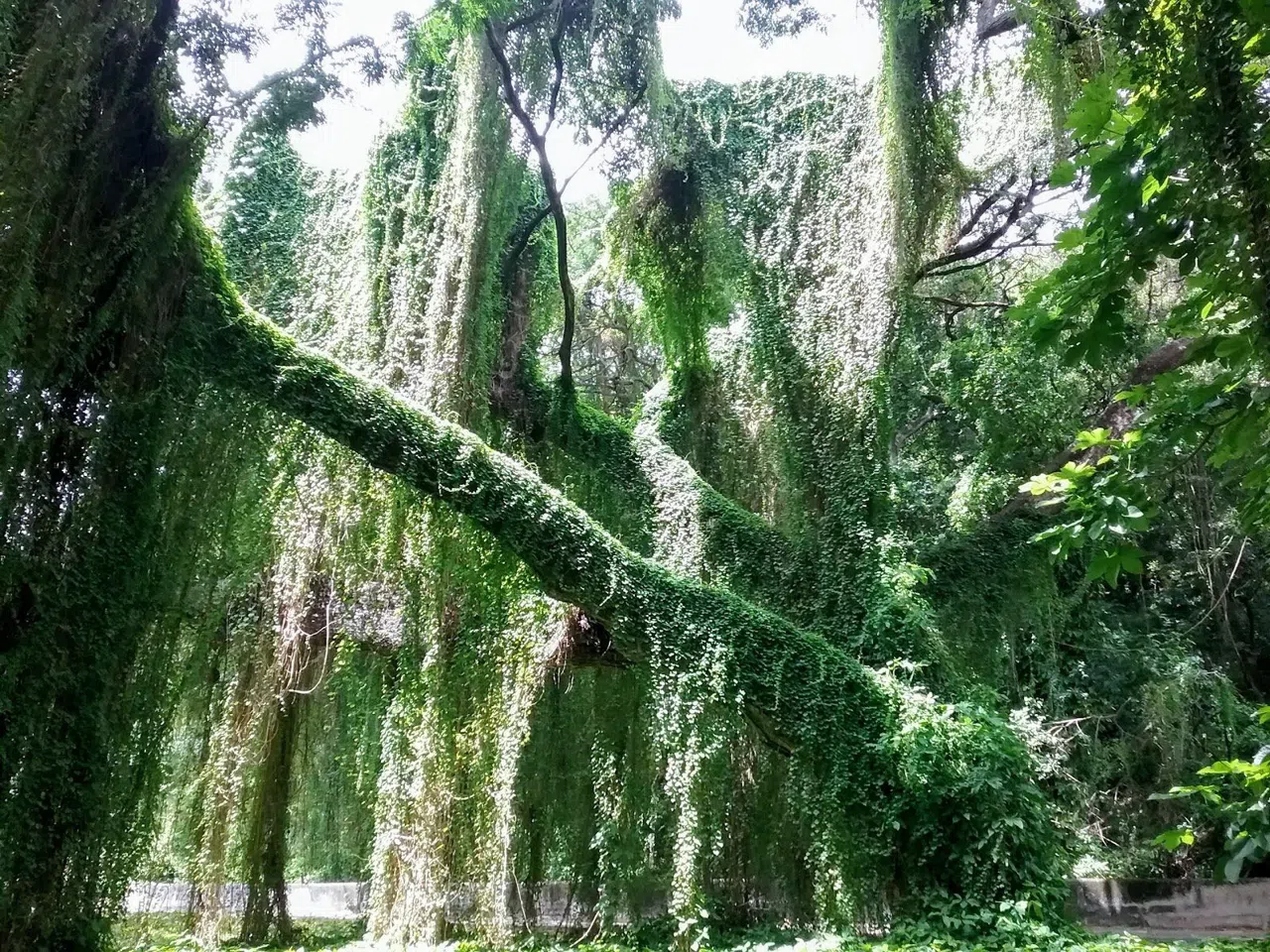
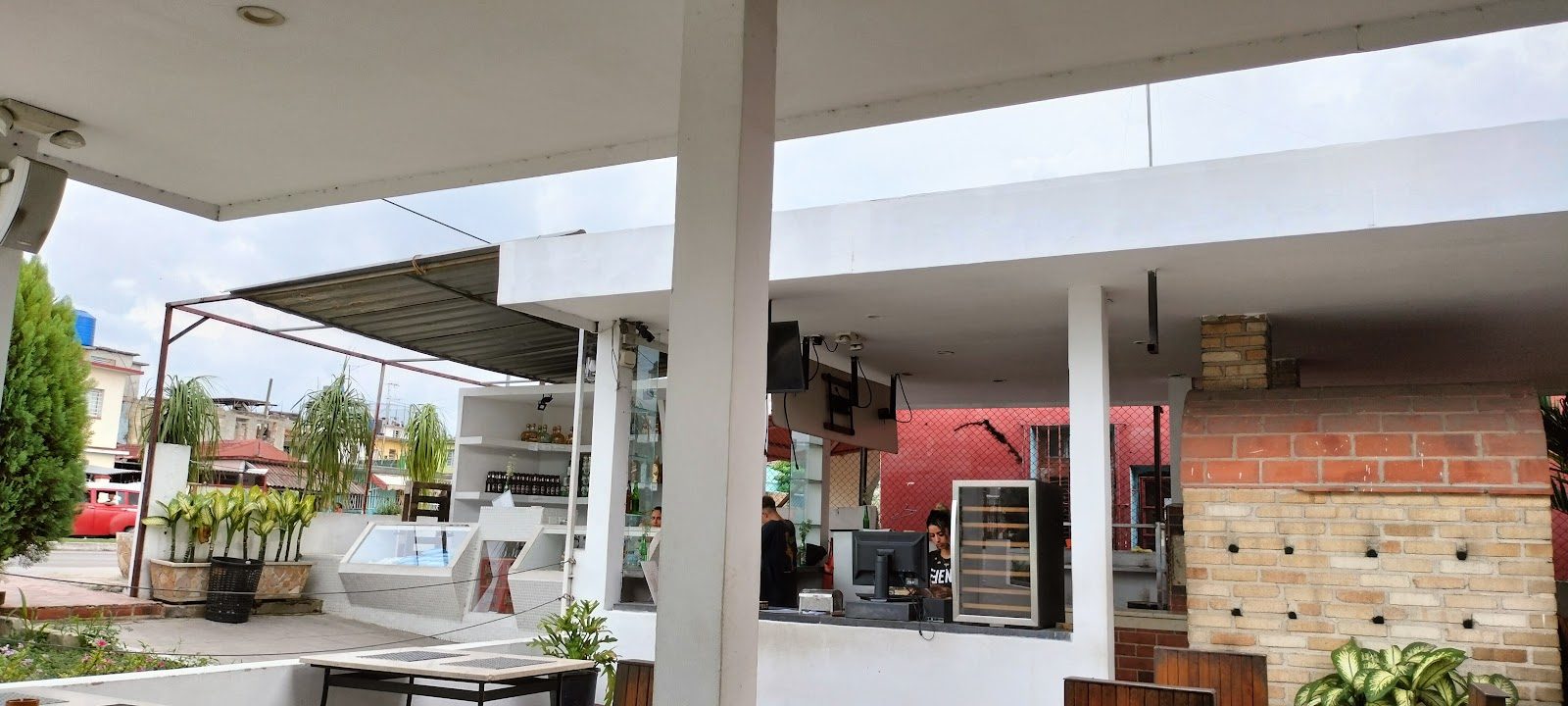
Buenaventura (Calle 43 #10206 e/ 102 y 104) is the best kitchen inside Marianao, and it cooks fresh fish and the Cuban sandwich. Tables sit indoors and out under heavy draped greenery in a residential side street, and a trio plays beside the bar most evenings. It opens daily, 12:00 to 23:00. The price band is $$$, more than its neighbours charge, and dinner is worth a reservation on +53 5 275 9265.
700 Grados (Avenida 41 at Calle 86) is a licensed private corner restaurant-bar that runs daily from 12:00 to 03:00, which makes it the landing place after a show. Wood-fired artisan pizzas go out past a cocktail bar that stays lit long after midnight, under flame-branded signage. It is $$. Call +53 5 931 2103 to hold a table.
The Zamora ranchón
Ranchón de Marianao Zamora (the dead end of Calle 130, Zamora ward) is an open-sided ranchón with a garden under string lights. Chest freezers keep the Bucanero cold, a big screen and speaker stacks face the tables, and the kitchen pours mojitos alongside Cuban food. Karaoke and disco nights are the programme.
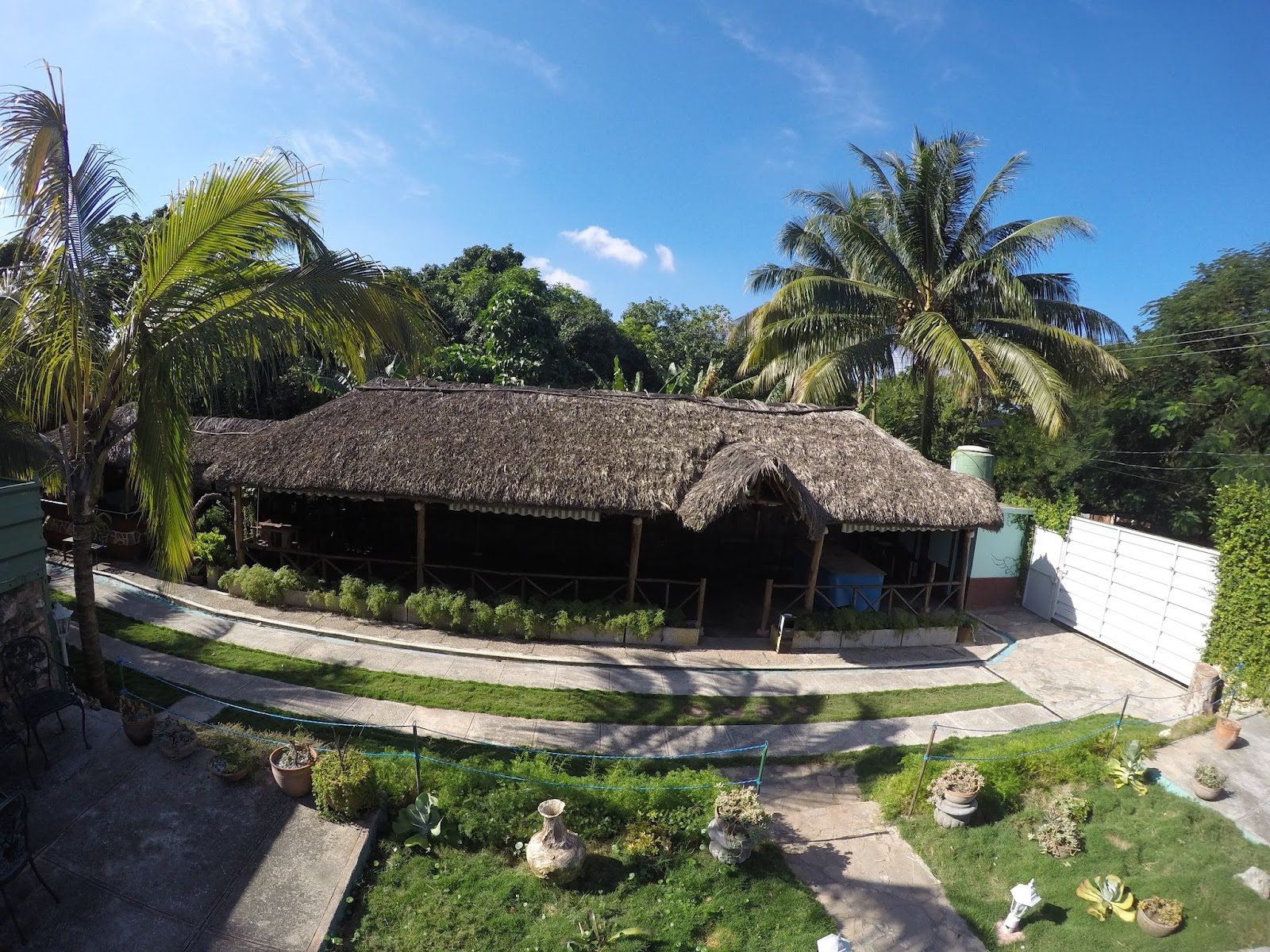
This is a local night out a few kilometres from the cabaret, and the garden is set up for celebrations, so book it direct. The price band is $$.
Days, hours and bookings
The museum and the San Alejandro gallery keep weekday hours, which leaves Sunday for the obelisk, Pogolotti and Avenida 51. Book Tropicana and a Buenaventura table before you cross town.
See the Havana guide and the Havana hotel search.
Gallery
Marianao in pictures
Marianao — your questions
Do you need to book Tropicana in advance?
Yes. Hotel and agency desks take most of the 1,000 seats in the open-air room in blocks, so book ahead instead of turning up at Calle 72 on the night. Doors open at 20:30, the show starts at 22:00.
What is the dress code and age limit at Tropicana?
The show is 18+ and dress is formal. Men need long trousers, and nobody in shorts or flip-flops gets through the door.
Can you walk into Ciudad Escolar Libertad?
Yes. The former Campamento Columbia is a working school city with no ticket office, and you can walk or drive the avenues freely. Ask at the gate by Calles 31 and 100 before you go inside any building.
When is the literacy campaign museum open?
Monday to Friday, 08:00 to 12:00 and 13:00 to 17:00, and Saturday mornings. Entry is cheap, but phone (7) 260 8054 ahead if you are more than a dozen people.
Where can you eat near Tropicana before or after the show?
Juanky's Pan Marianao on Avenida 45 is two blocks away, at 840 CUP a head. Later on, 700 Grados at Avenida 41 and Calle 86 stays open until 03:00, and you can hold a table on +53 5 931 2103.