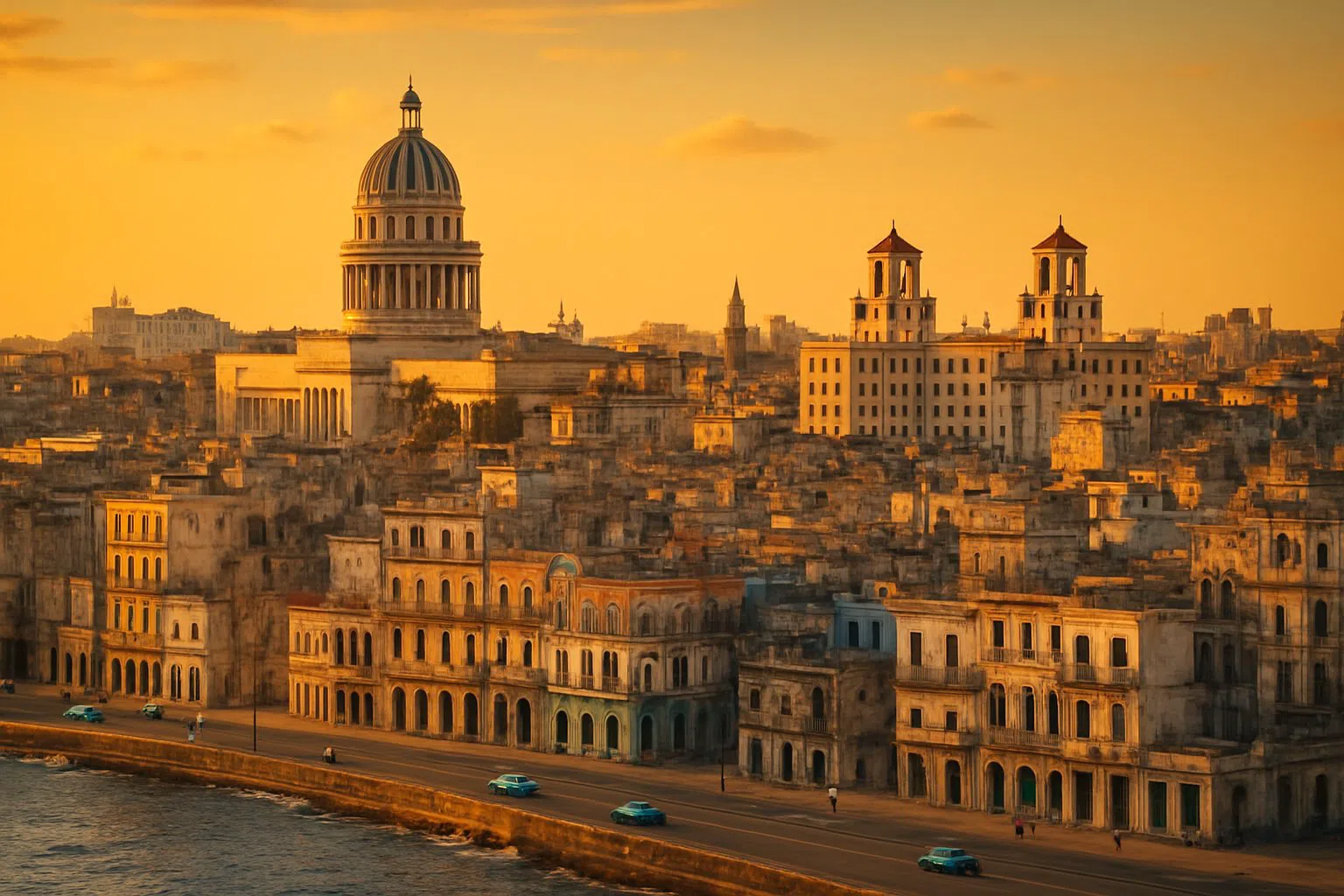
Havana
Havana is a city defined by its friction.
Guests & rooms
The Havana guide
An insider’s read on Havana
HHavana is a city defined by its friction.
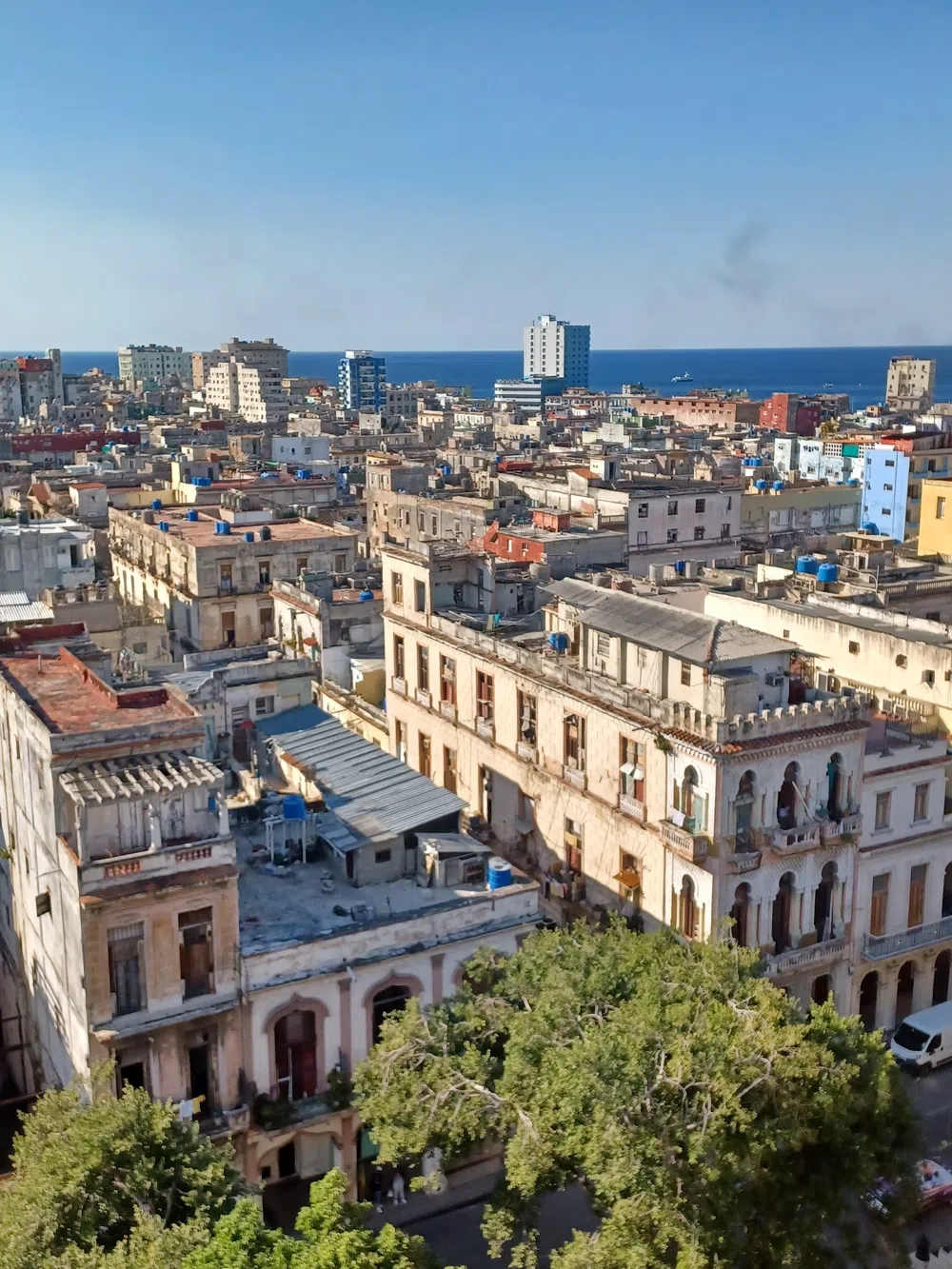
Havana’s identity is forged from its strategic position as the gateway to the Spanish Empire’s New World wealth, a legacy visible in its massive stone fortifications. The city transitioned from a wealthy colonial port to a mid-century playground of casinos, mobsters, and modernist architecture, before the 1959 Revolution froze its physical landscape in time. Today, its character is defined by the Cuban concept of 'resolver' — the daily art of overcoming material shortages with creativity and humor.
This resilience has fostered a community where art, dance, and intellectual life thrive despite economic isolation.
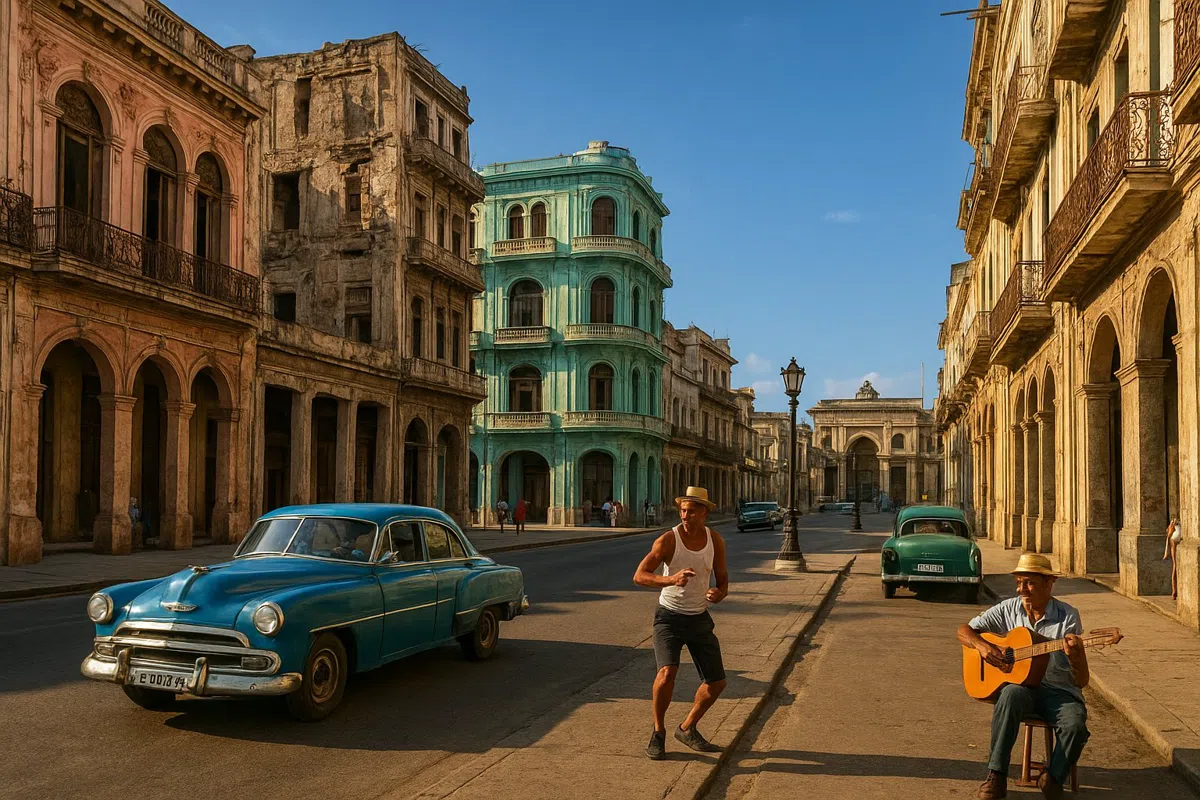
Havana, Cuba
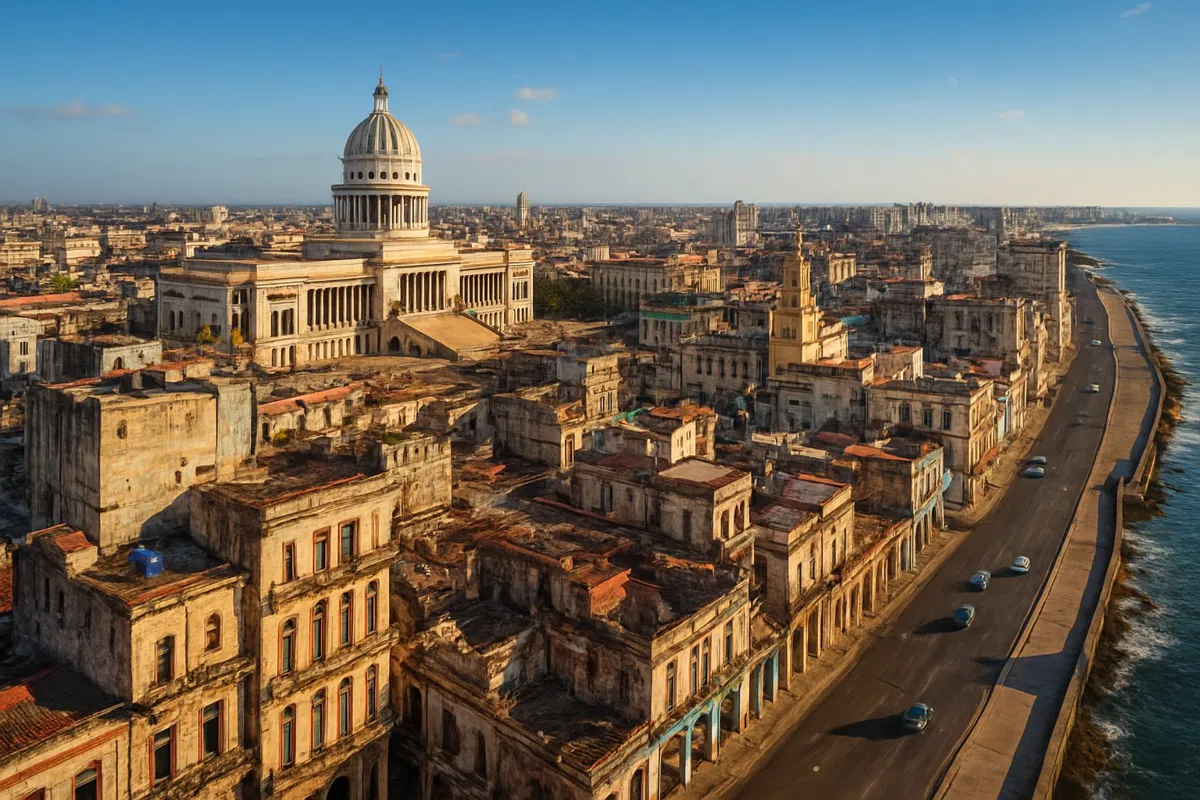
Guides & ideas
The Havana reading list
Hand-written guides from our editors — itineraries, the best of after dark, where to eat, and what’s genuinely worth your time.
Top guide
Havana Runs on Cash and a Backup Plan
How to plan a first Havana trip around rolling power cuts, rationed fuel and card terminals that do not work, and which places keep going anyway.
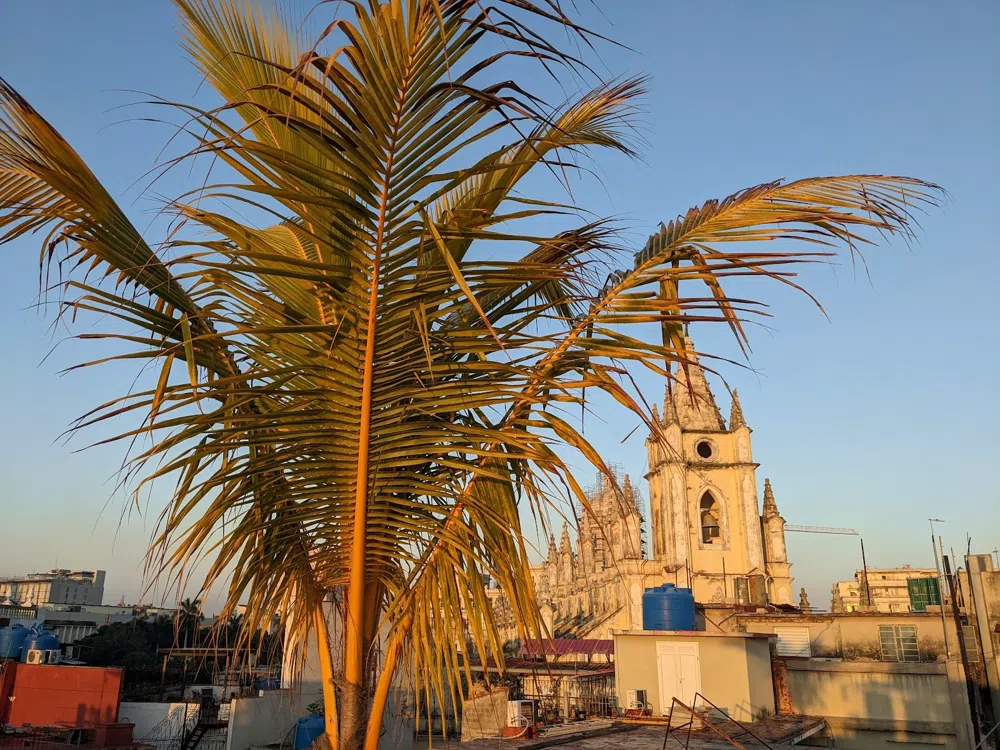
What to Settle Before You Book Havana on a US Passport
The visa, the licence category, the cash and the blackouts: everything a US traveller has to fix before the flight, and the private houses, paladares and workshops that fill the record for you.
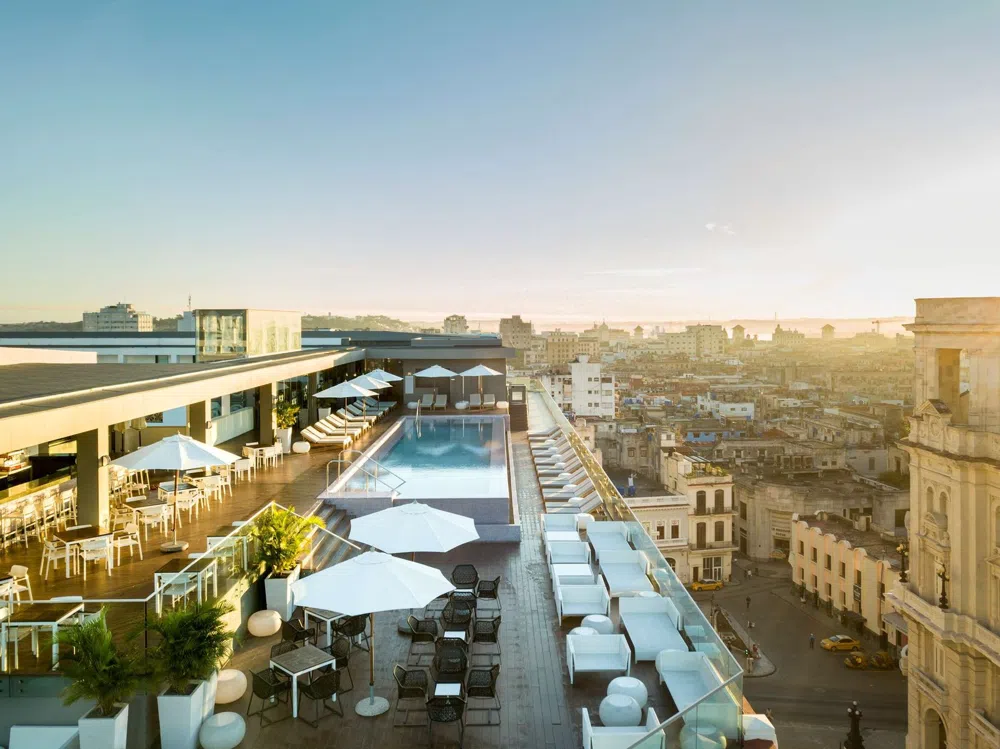
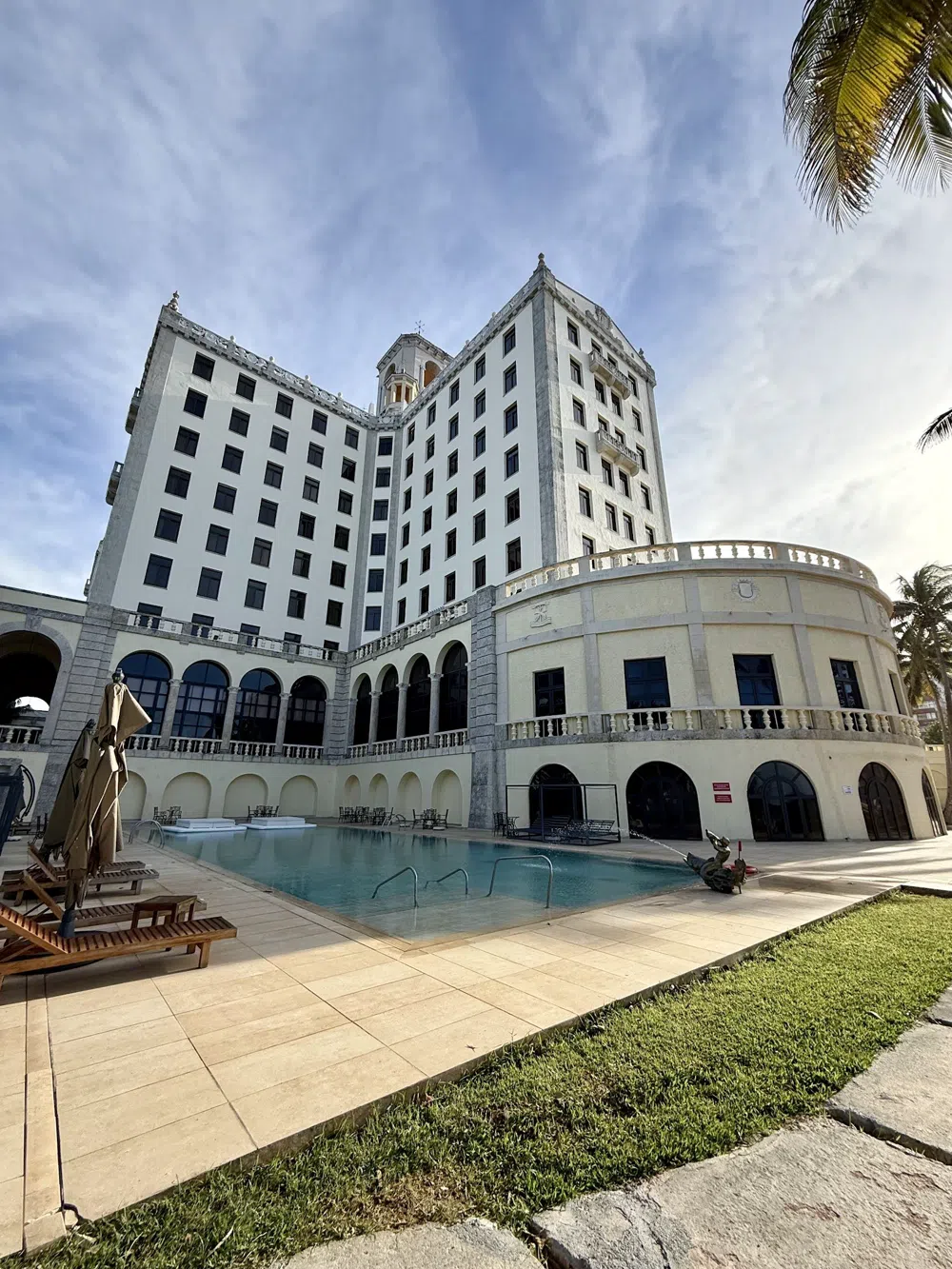
The Havana Hotels That Stay Cool When the Power Cuts
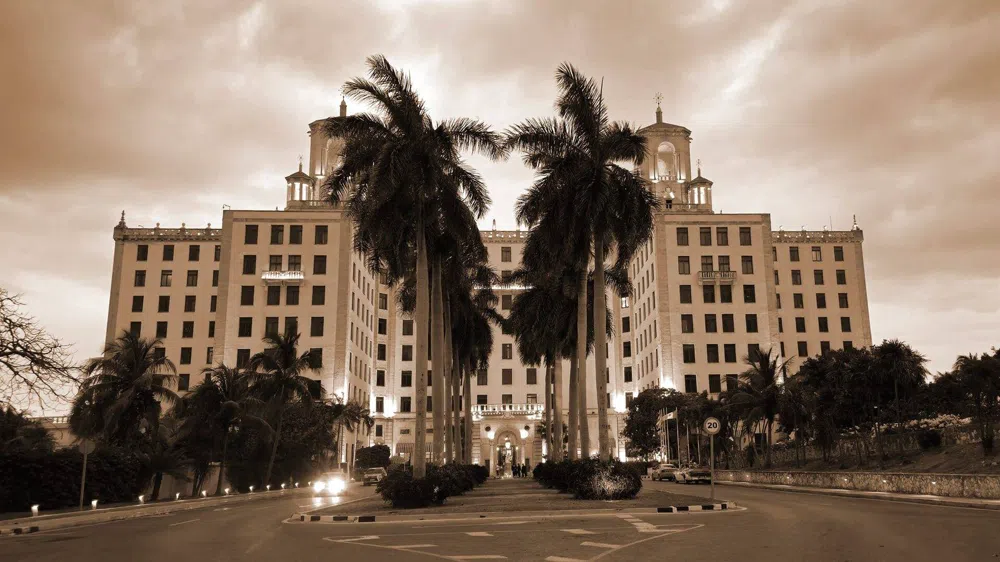
Havana's blackouts are scheduled rather than random, and a handful of hotels are built to sleep straight through them: the Nacional on its hill in Vedado, the diplomatic circuits of Miramar, a few small houses with oversized generators.
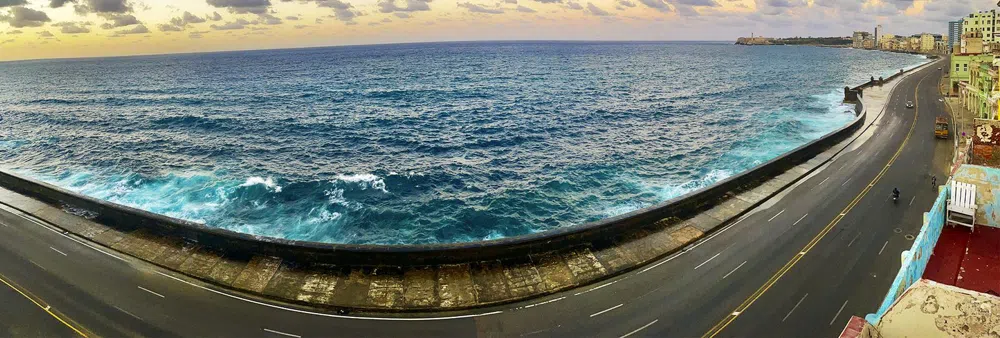
Havana's Casas Particulares Keep Their Own Lights On
Havana's private houses buy their own fuel, cook their own breakfast and fix their own problems. Here are fourteen worth booking, from a three-room family B&B to a sixteen-sleeper villa with a generator.
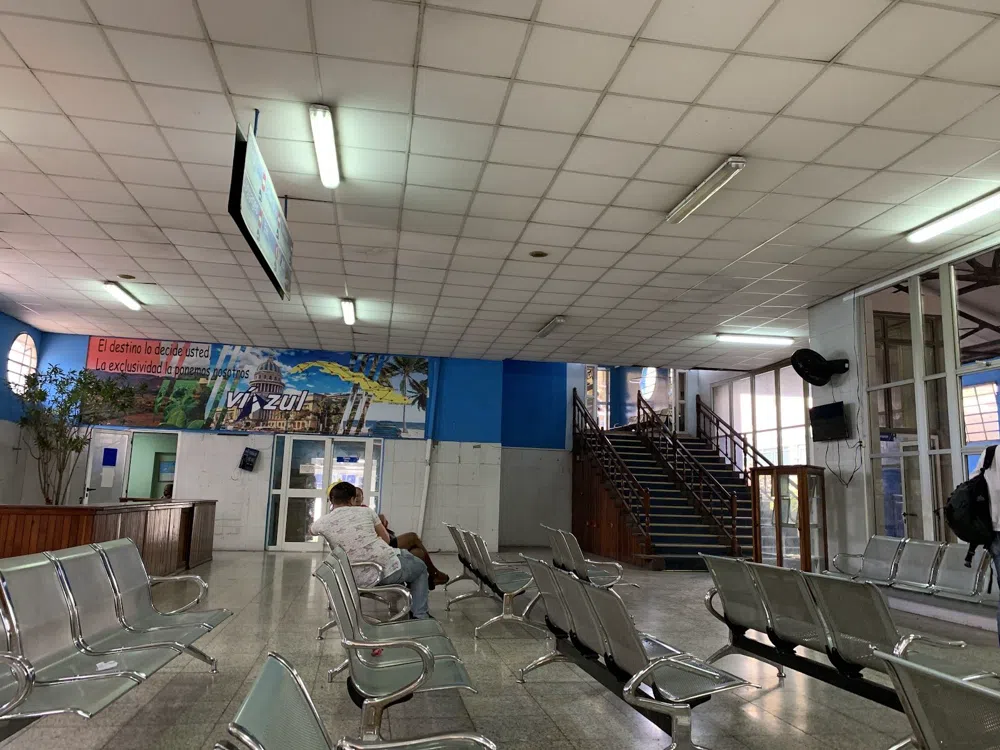
Getting Around Havana Without a Car When Fuel Is Short
Shared máquinas, a one-peso ferry, bicycles and the days the Viñales bus actually runs: how to move around Havana, and out of it, without ever queuing for fuel yourself.
More Havana guides · 41
Planning Havana Around the Blackouts and Empty Streets
Planning Havana Around Blackouts, Heat and Cash Shortages

Two Nights in Havana Without Wasting One
Havana Still Works If You Plan Around the Blackouts
How to Cross Havana Without a Tank of Petrol
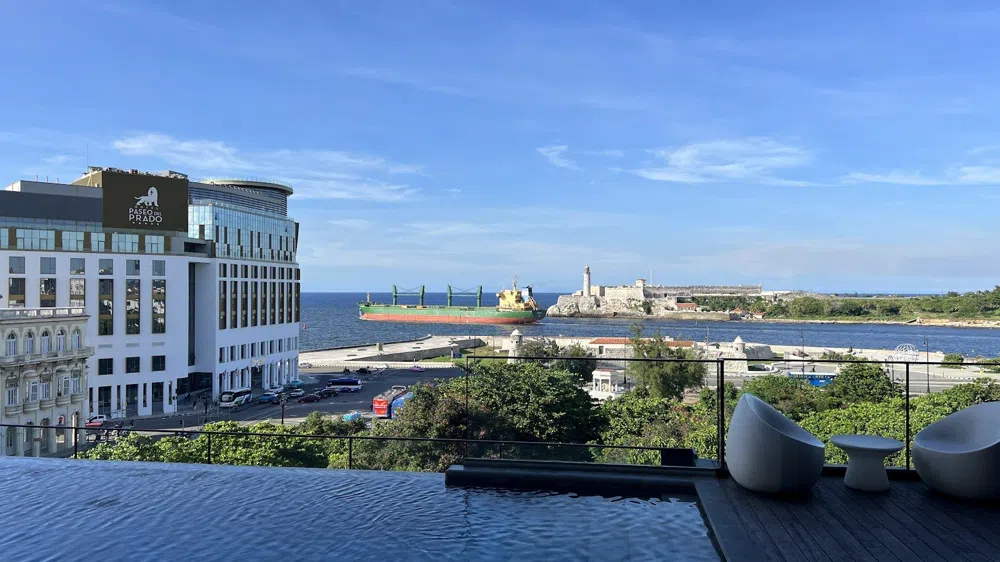
Packing for Havana When the Lights Go Out
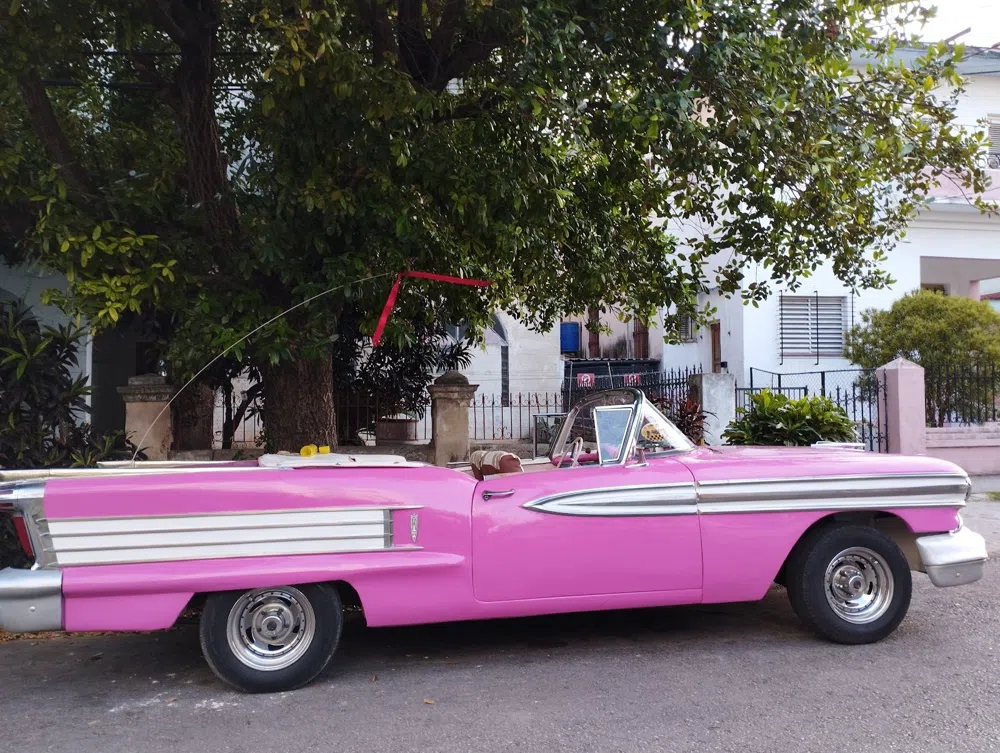
Havana Airport to Your Casa Without the Scramble
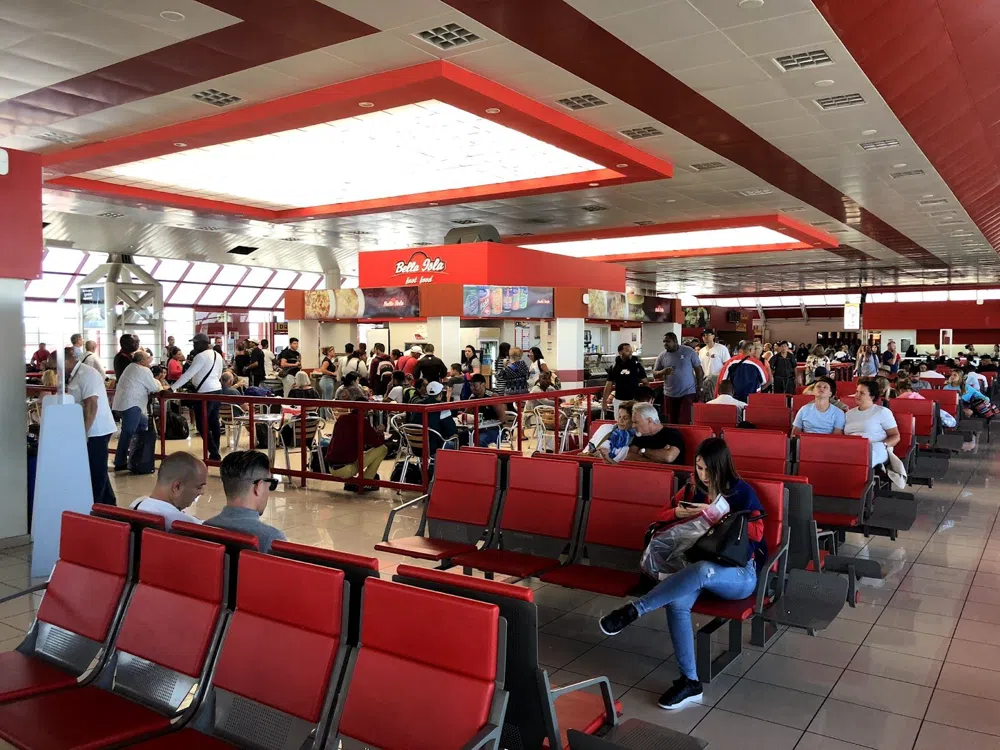
Landing in Havana with Enough Cash and Enough Patience
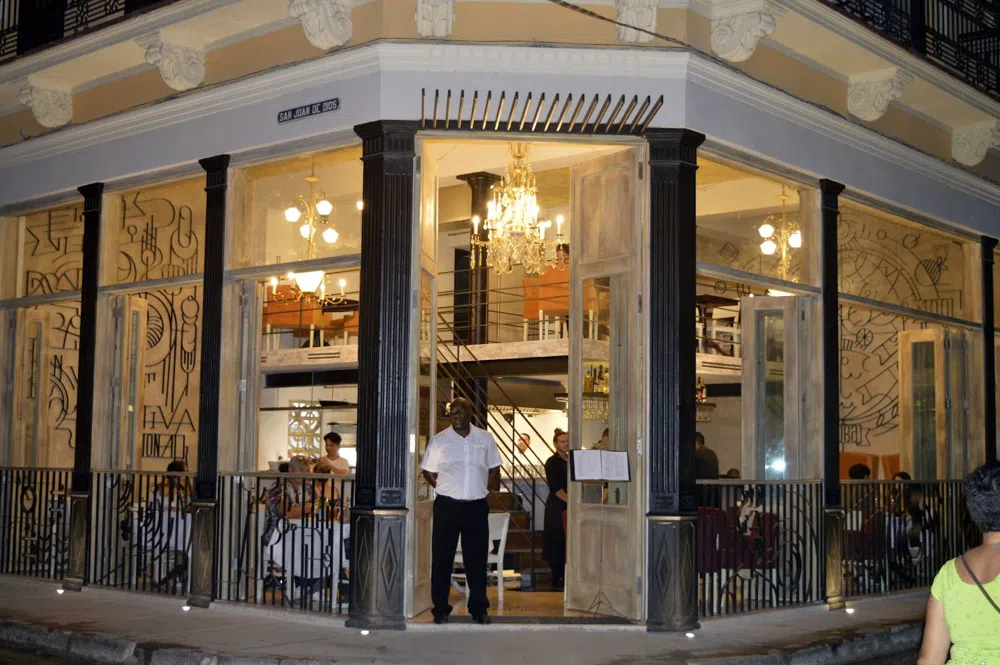
Eating Well in Havana When the Cash and the Fish Run Out
Two Nights in Havana and One Day in the Viñales Valley
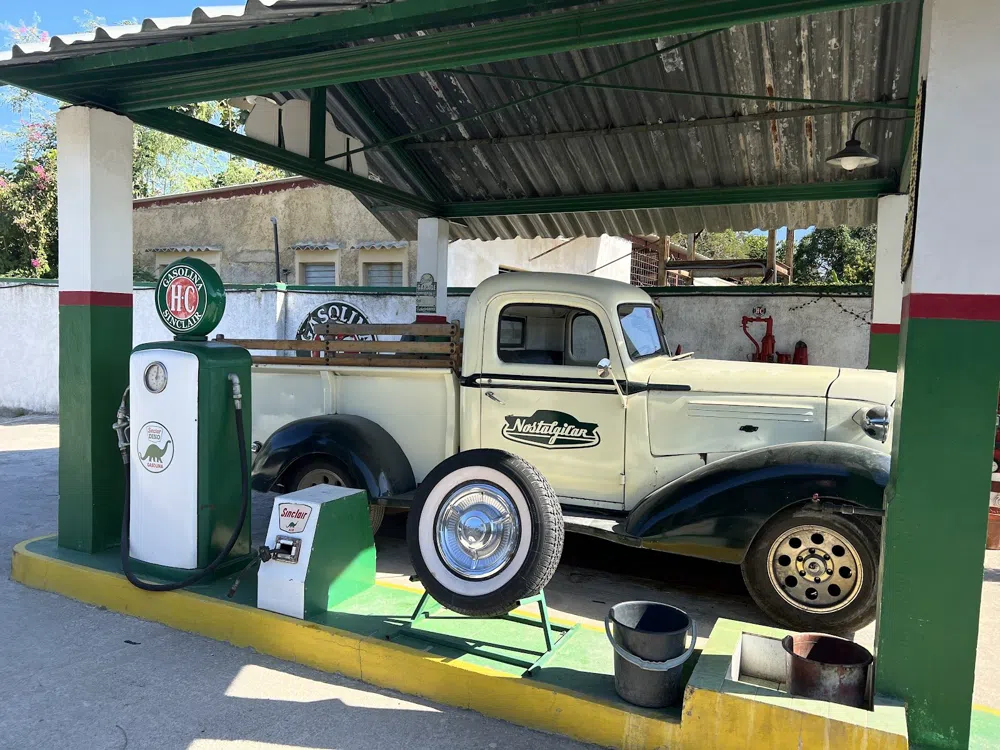
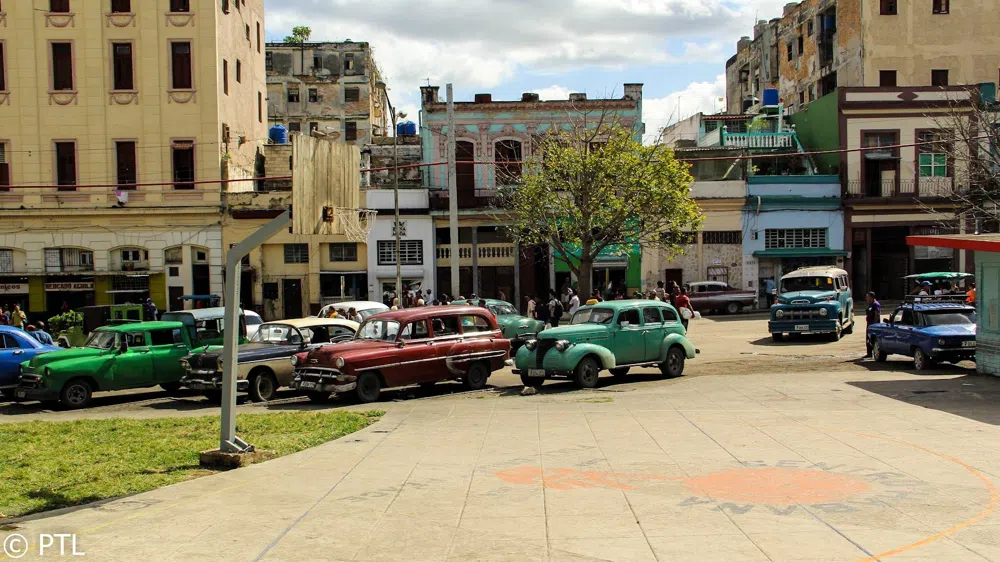
Havana's classic car tours: riding in style through the city
Riding Shotgun: A Local's Classic-Car Tour Through Havana's Neighborhoods
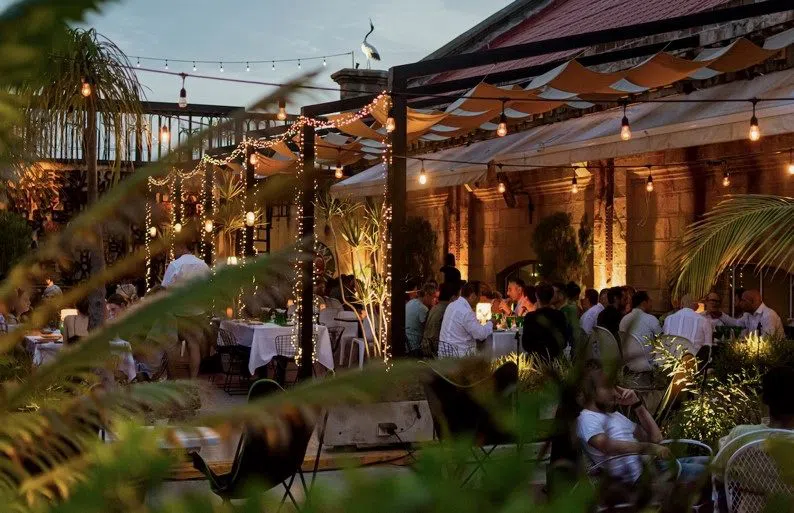
Planning a Havana Trip Around Blackouts and Empty Menus
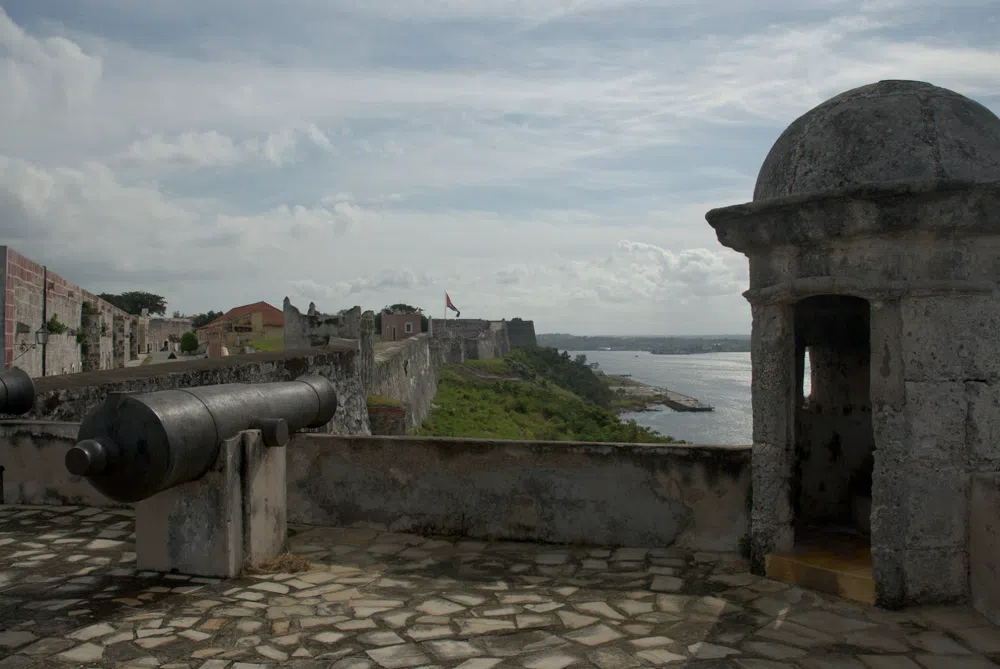
Walking La Cabaña, the fort ridge above Havana Bay
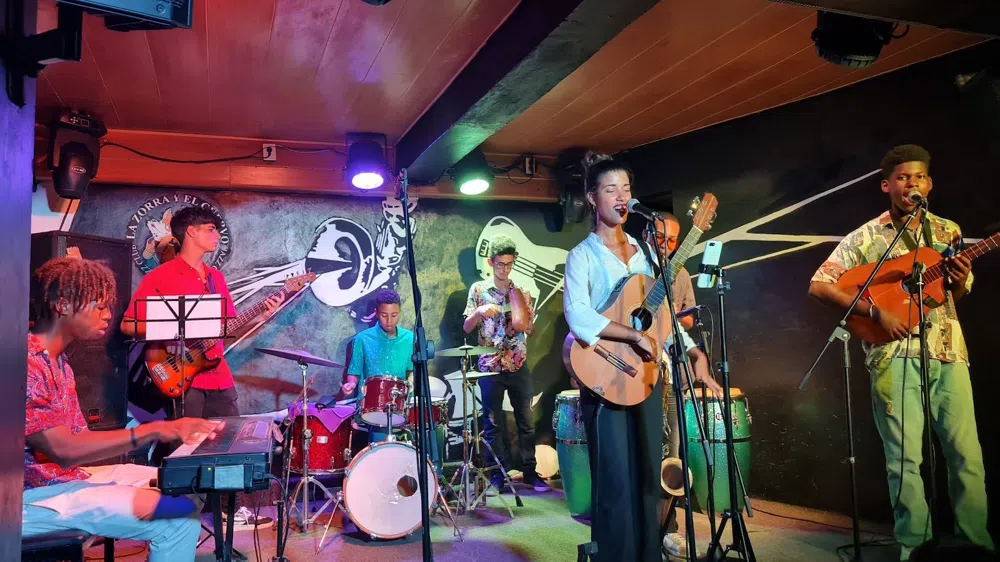
Havana After Dark in Its Jazz Rooms and Dance Halls
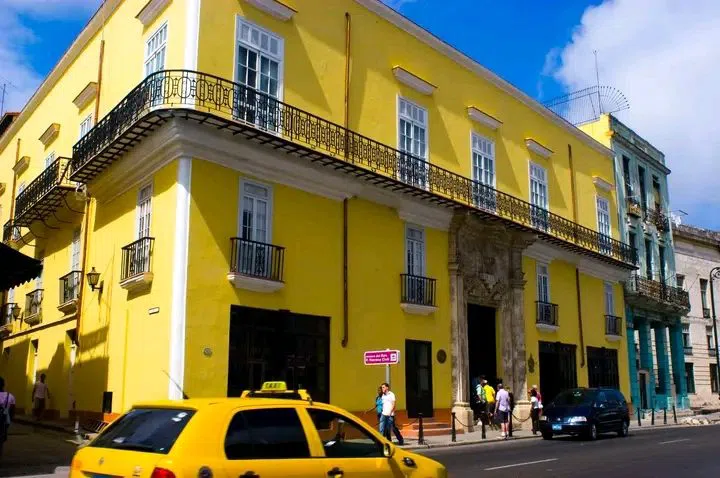
The rum trail: from cane field to aged barrel and the bars that pour it
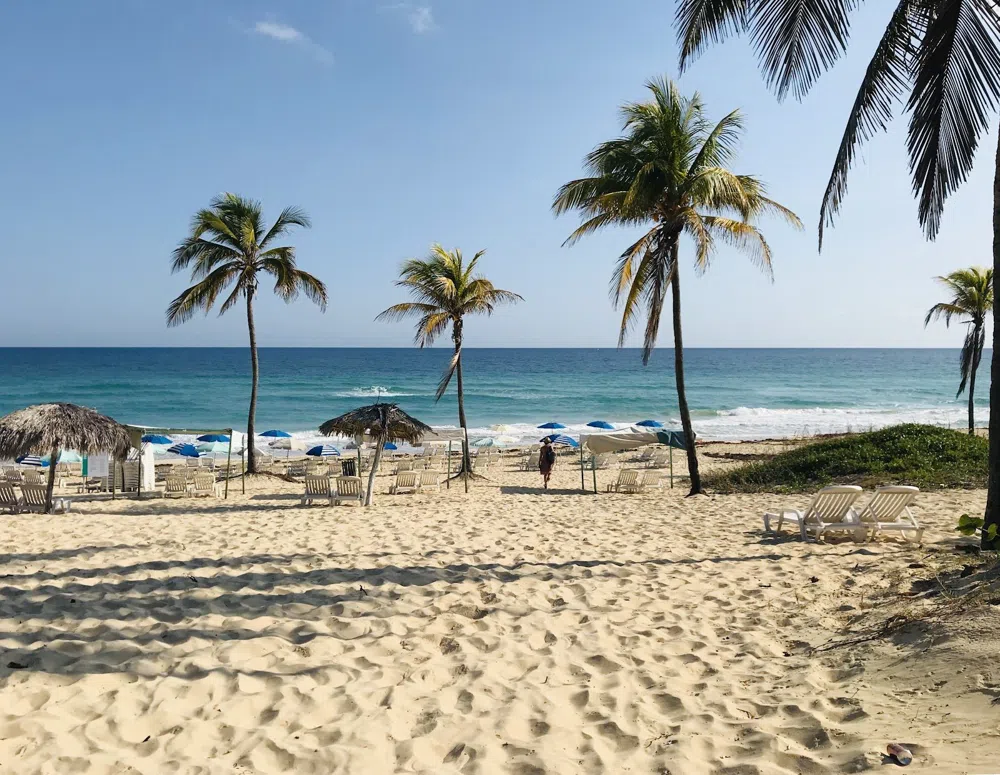
Santa María del Mar, Havana's beach and villa district
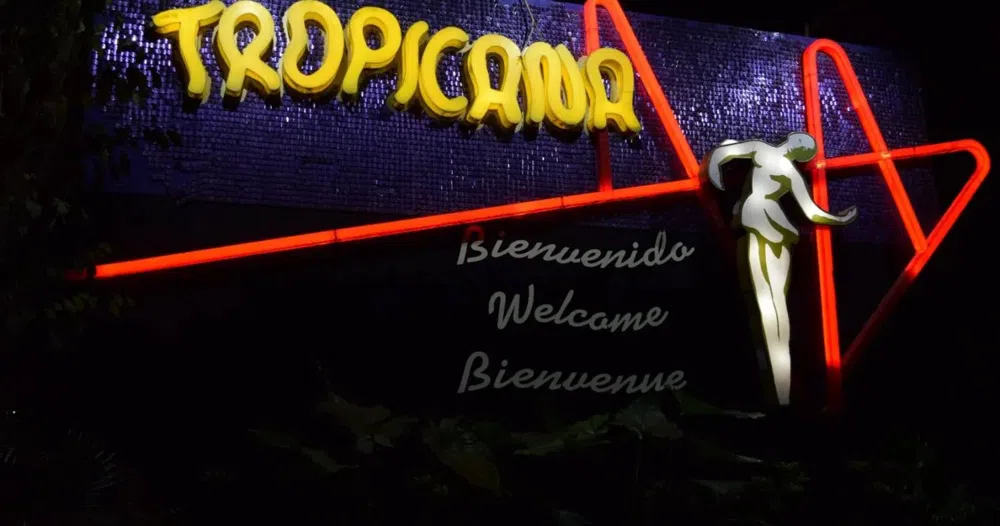
Marianao, the Havana district behind Tropicana
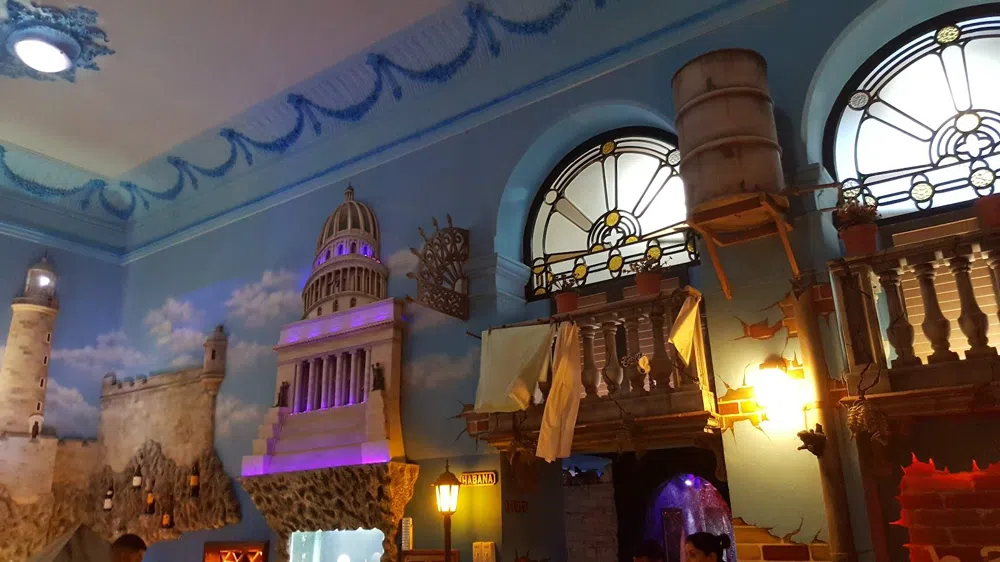
Fifteen Places to Look Down on Havana
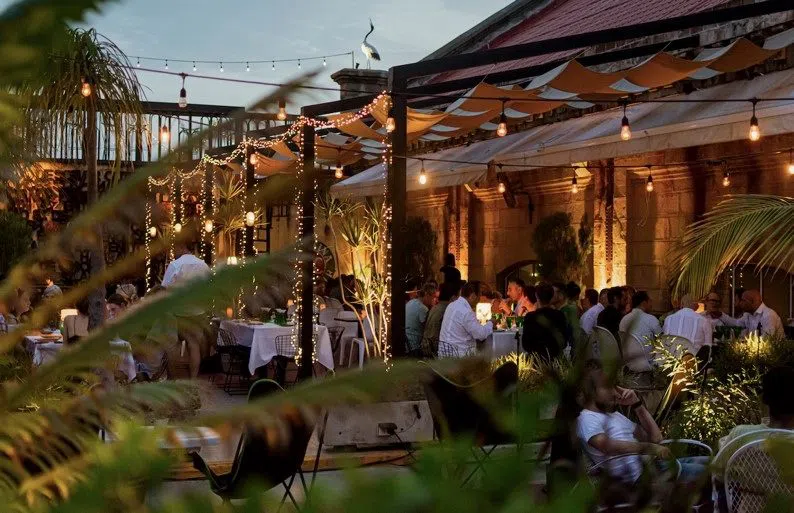
Havana in October, When the Heat Finally Lets Go
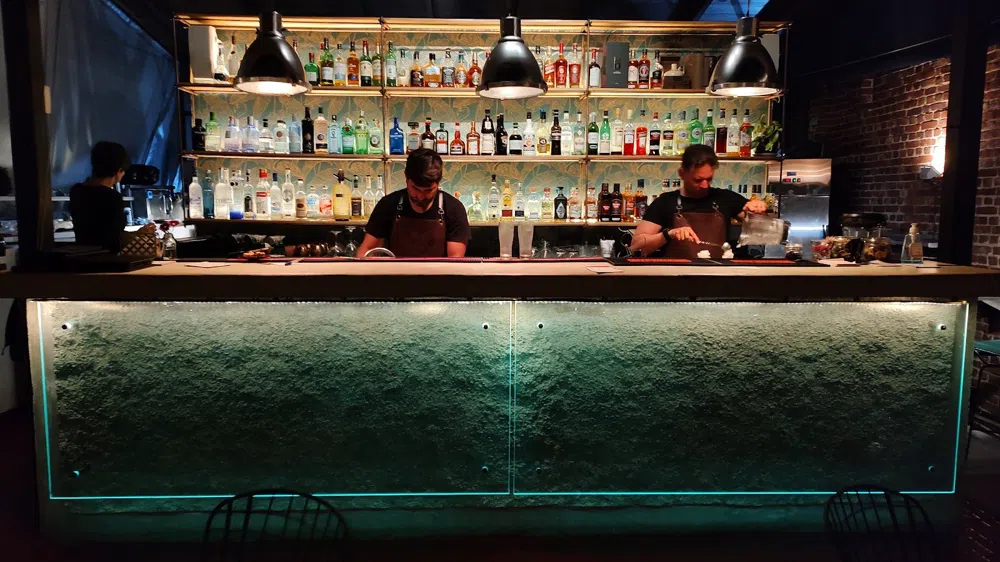
Havana This Fall Is Worth It If You Plan Hard
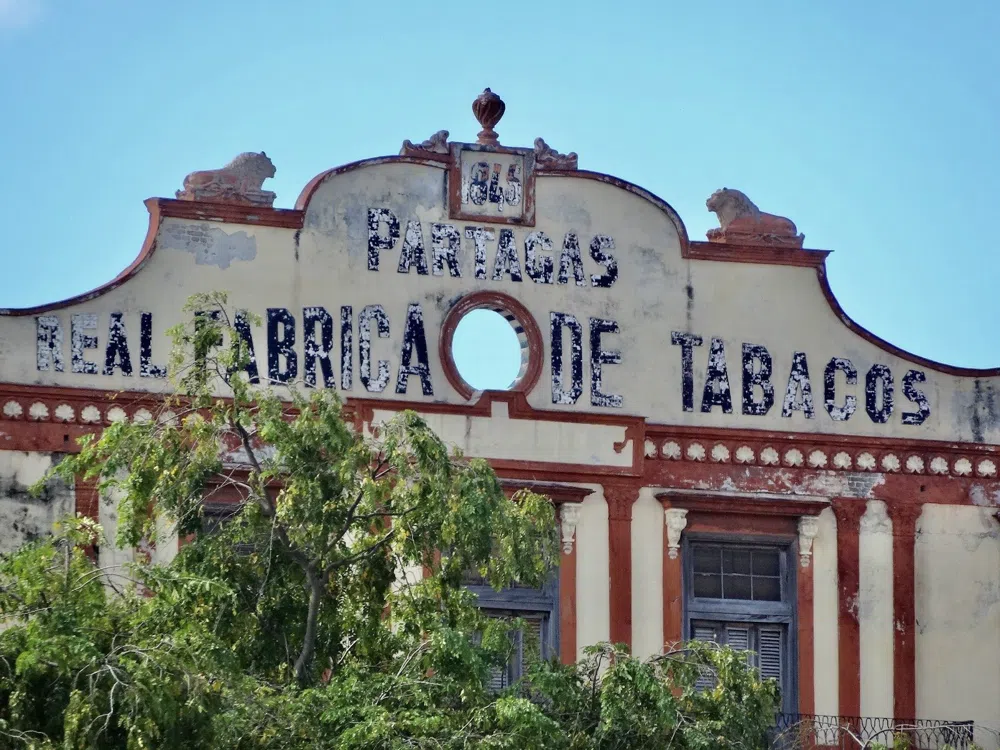
Havana's Cigar Trail: From Factory Floor to Lounge Chair
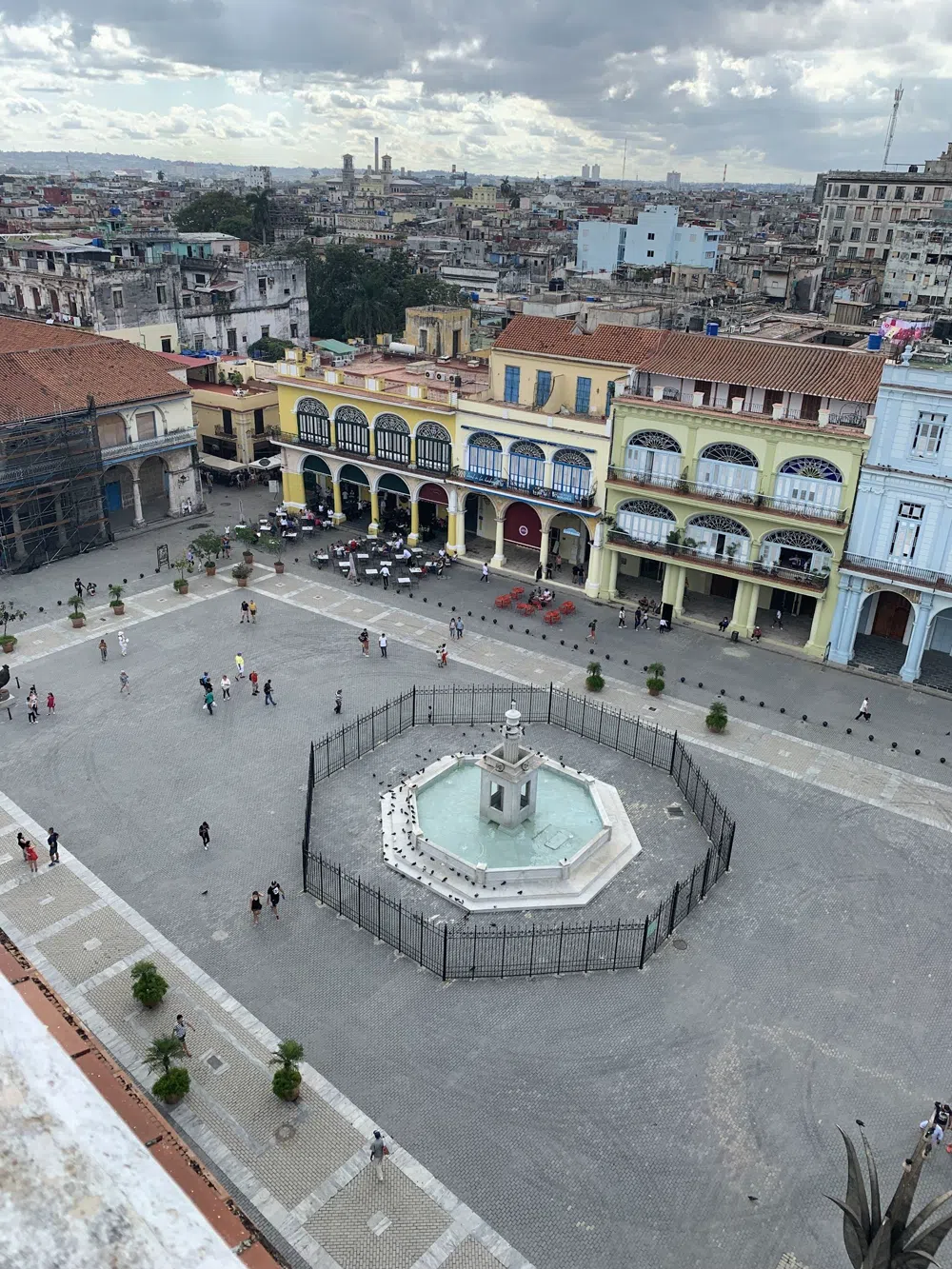
Where to Stand Above Havana and See It Whole
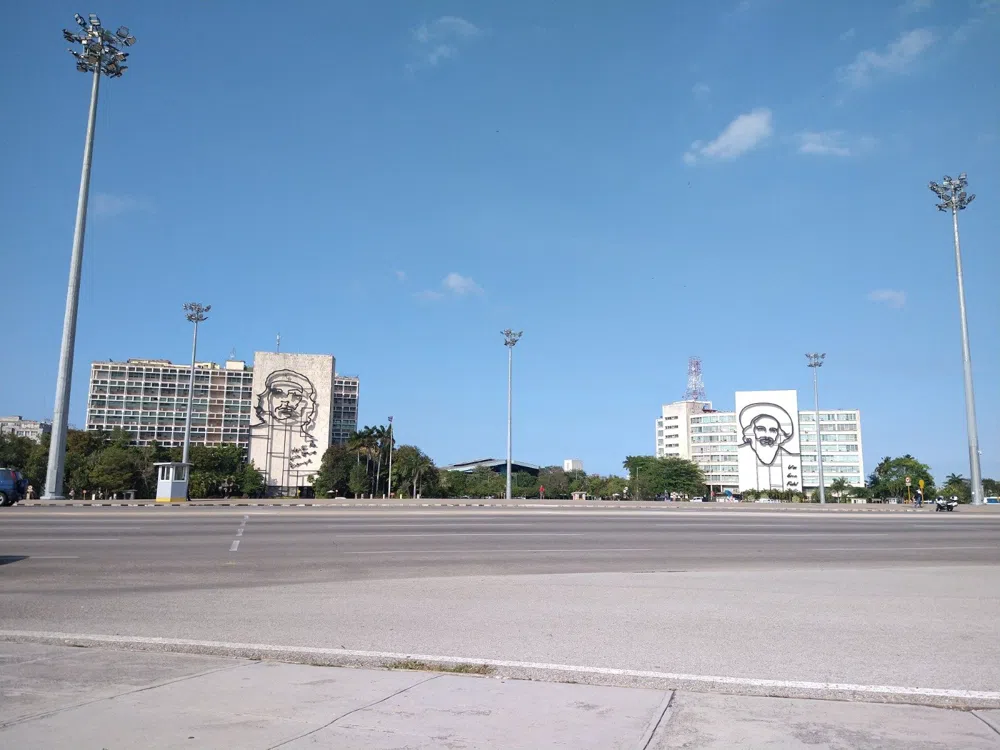
Plaza de la Revolución and the Havana streets around it
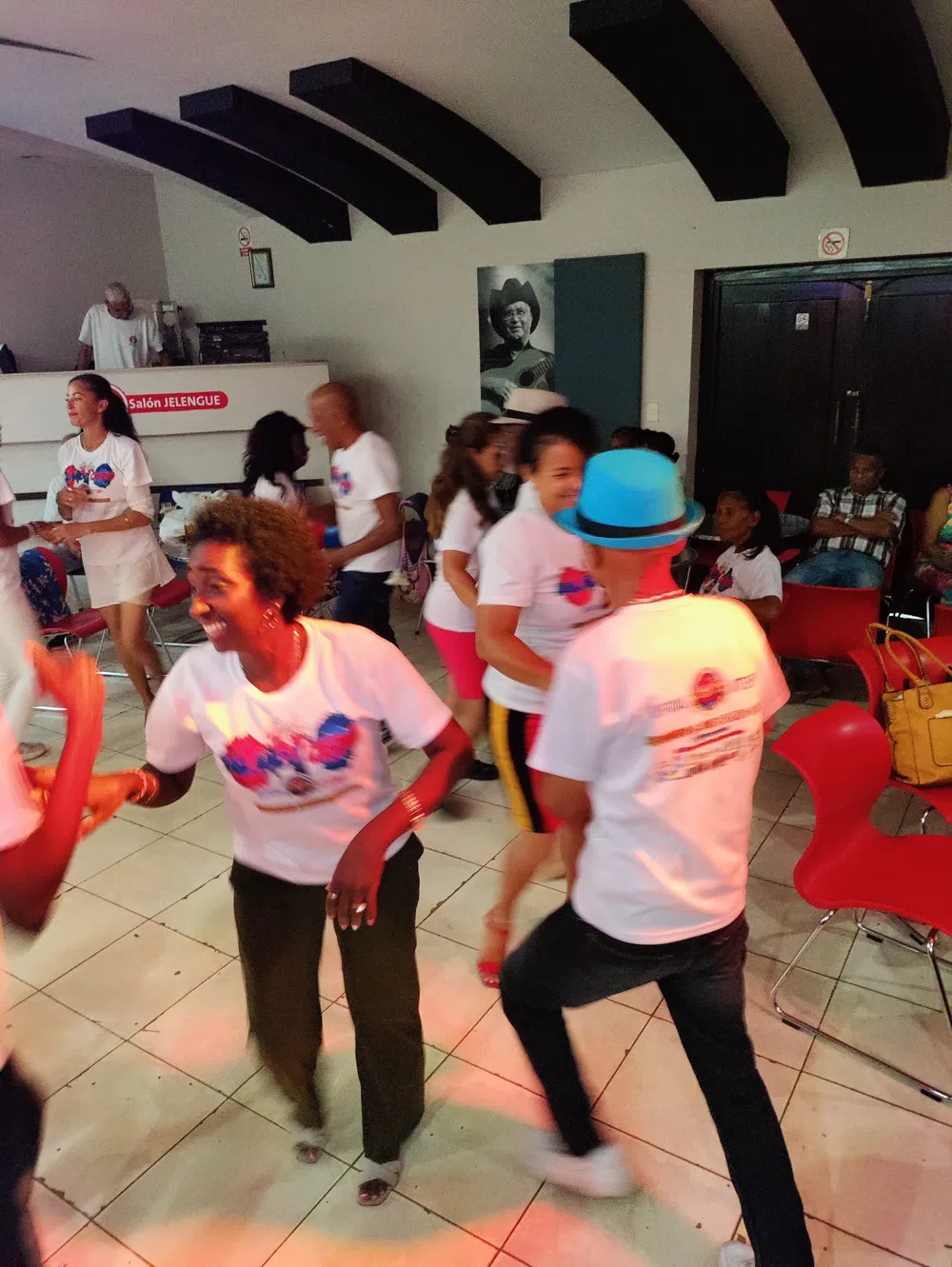
Where Havana Still Plays Unamplified: Inside the City's Living Son Cubano Underground
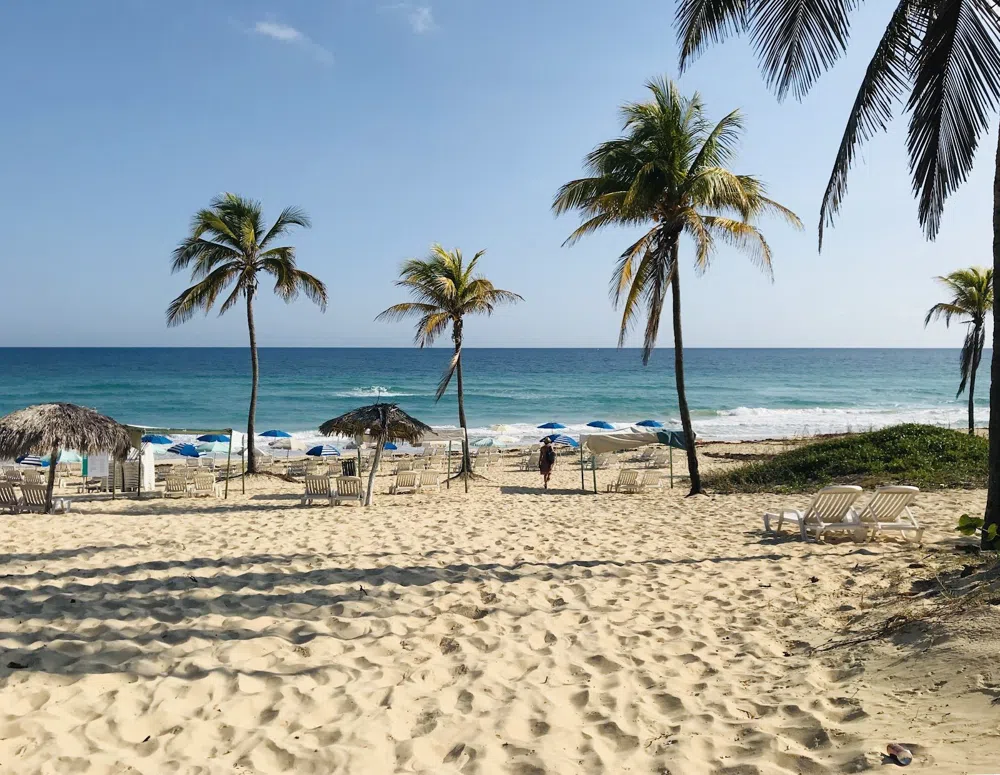
Playas del Este When Havana Wears You Out
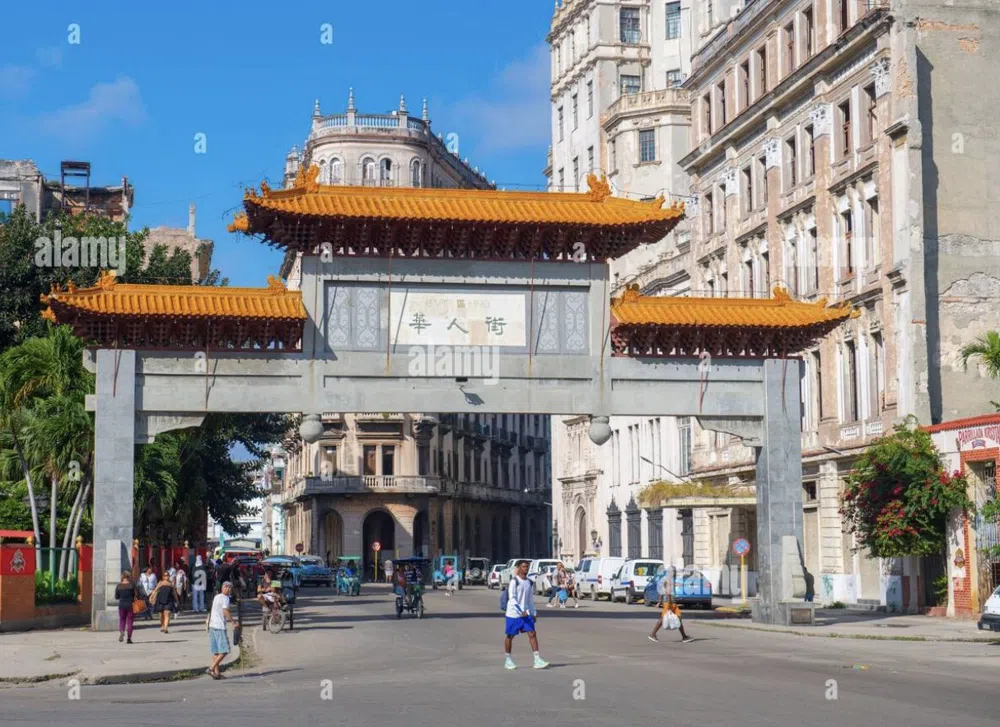
Walking Havana's Barrio Chino from the arch to Cuchillo
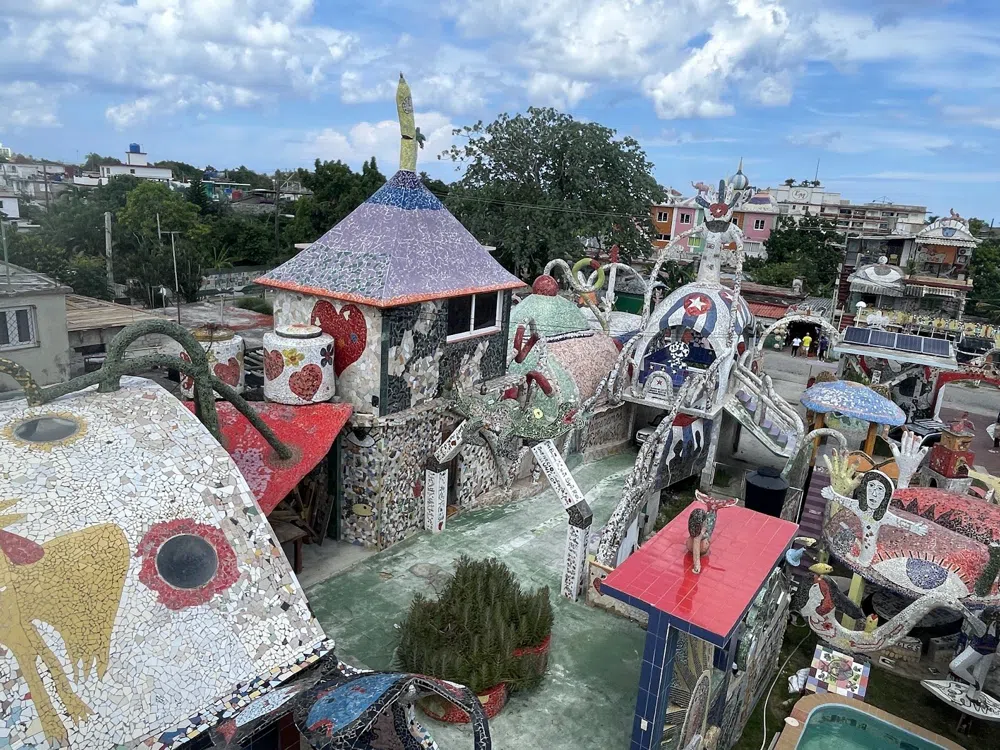
Jaimanitas, the Havana barrio Fuster covered in mosaic
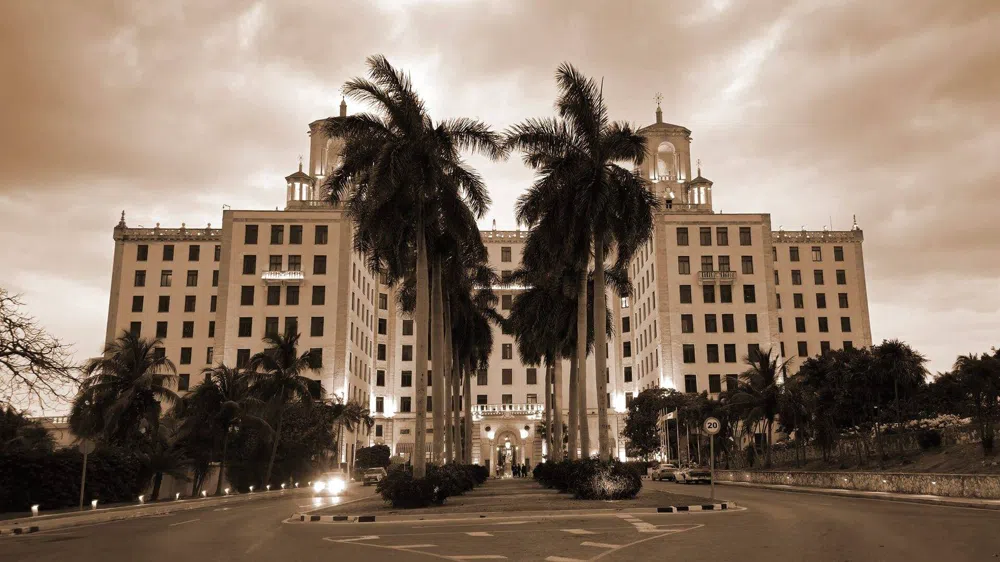
Havana Is Worth the Trip If You Plan Around the Grid
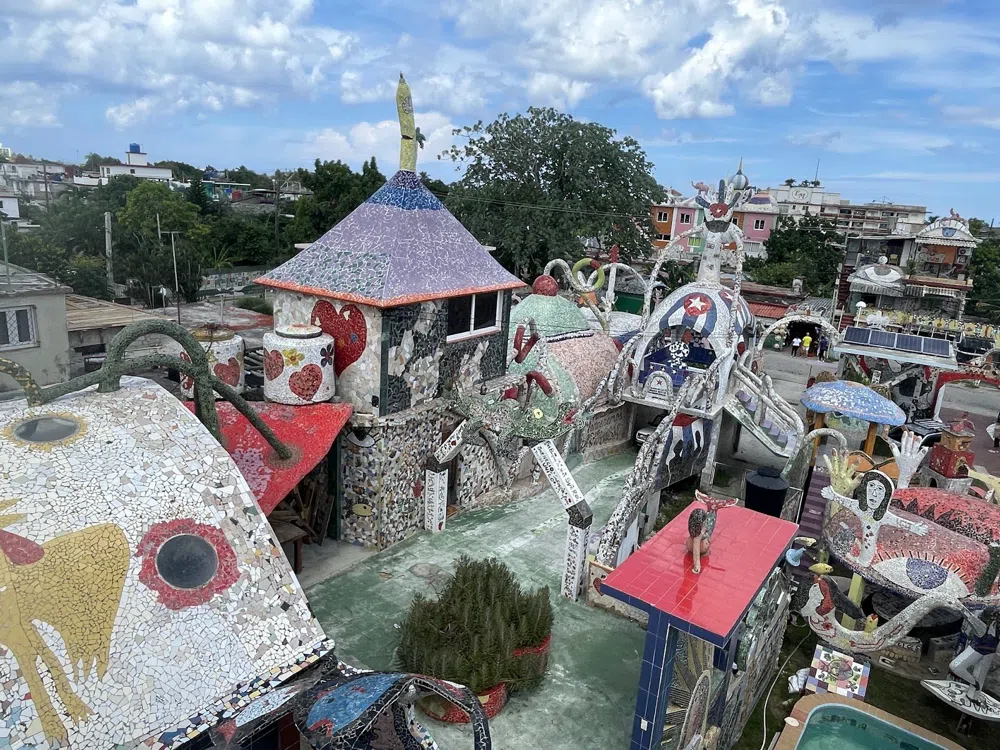
Fusterlandia: The Gaudí of the Caribbean and Havana's Most Surprising Neighbourhood
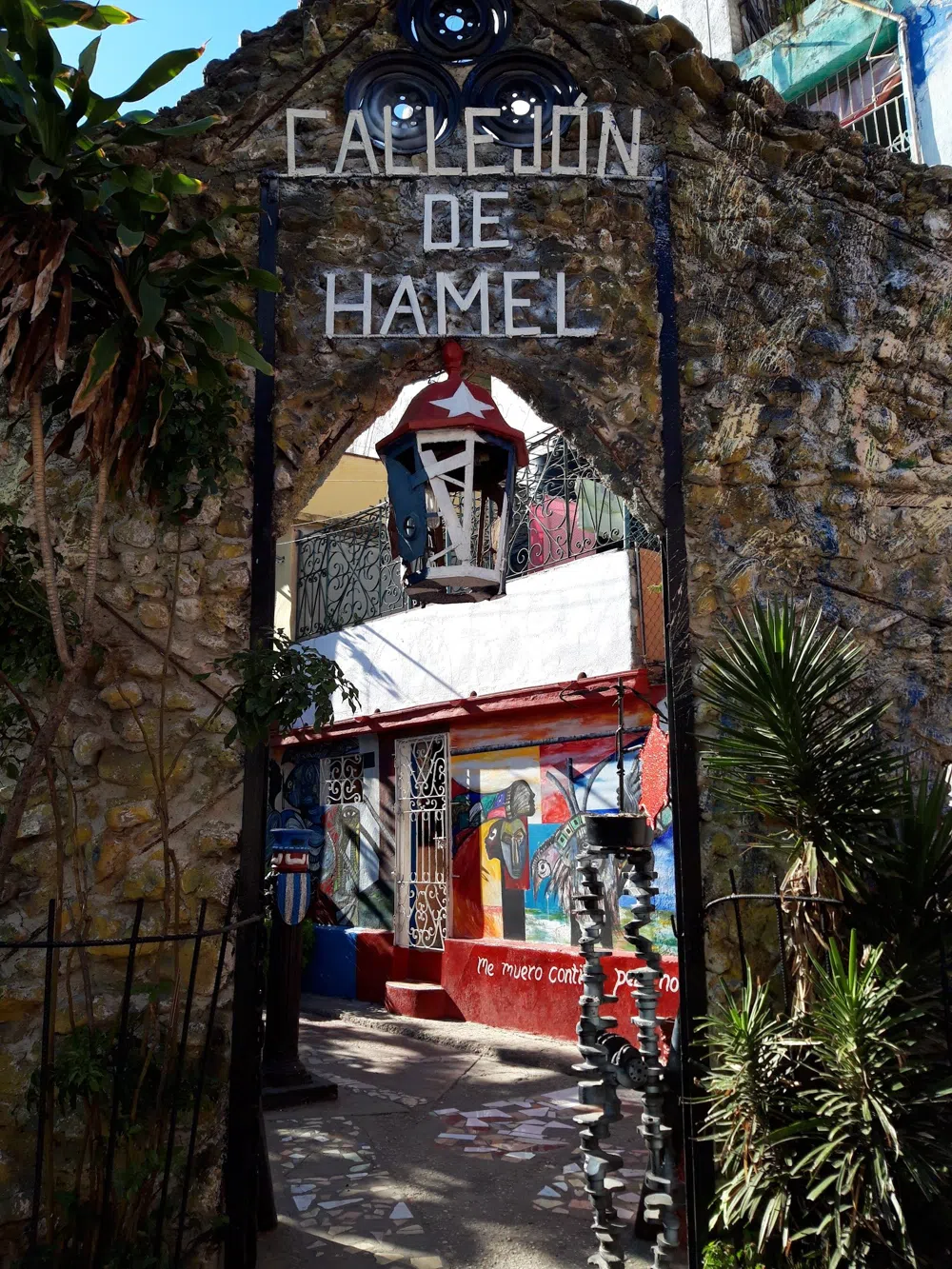
Walking Callejón de Hamel and Cayo Hueso in Havana
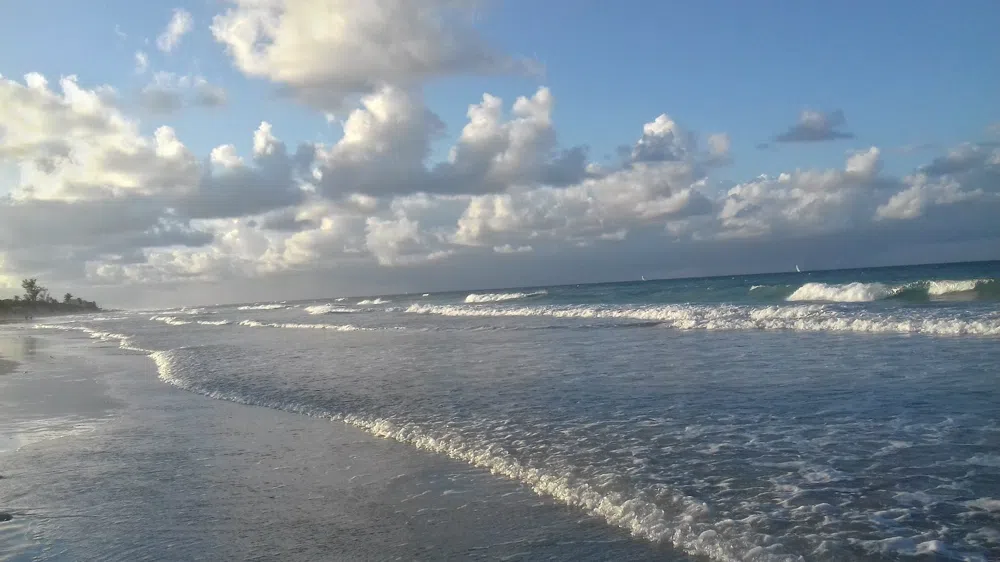
How to spend a day in Guanabo, Havana's beach town
Santeria in Havana: The Drums, the Saints and the Religion That Outlived the Revolution
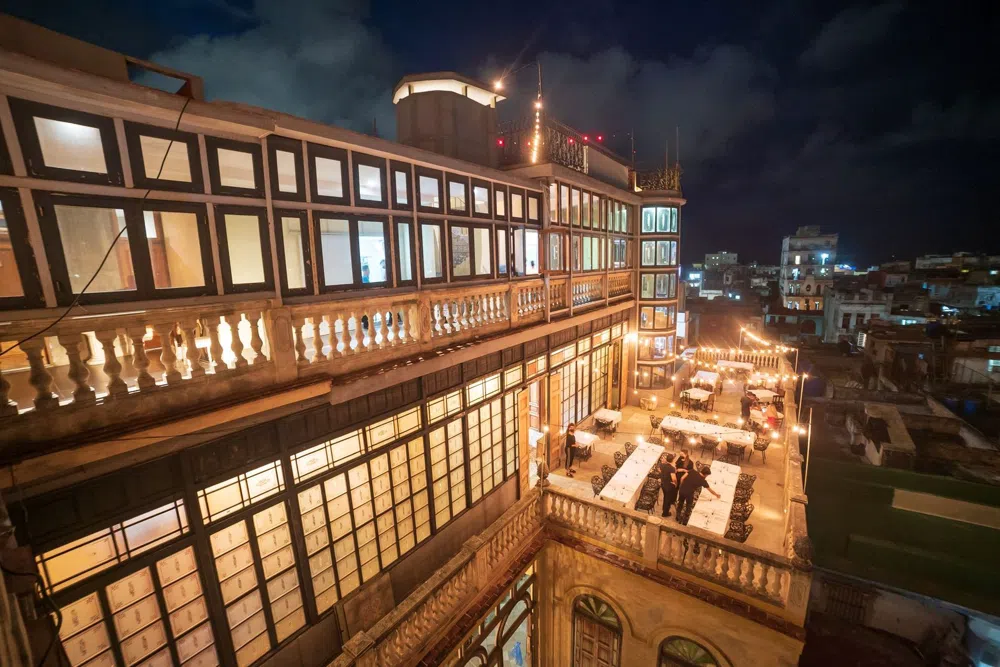
From Kitchen Window to Table: Havana's Paladares and the Home-Restaurant Revolution
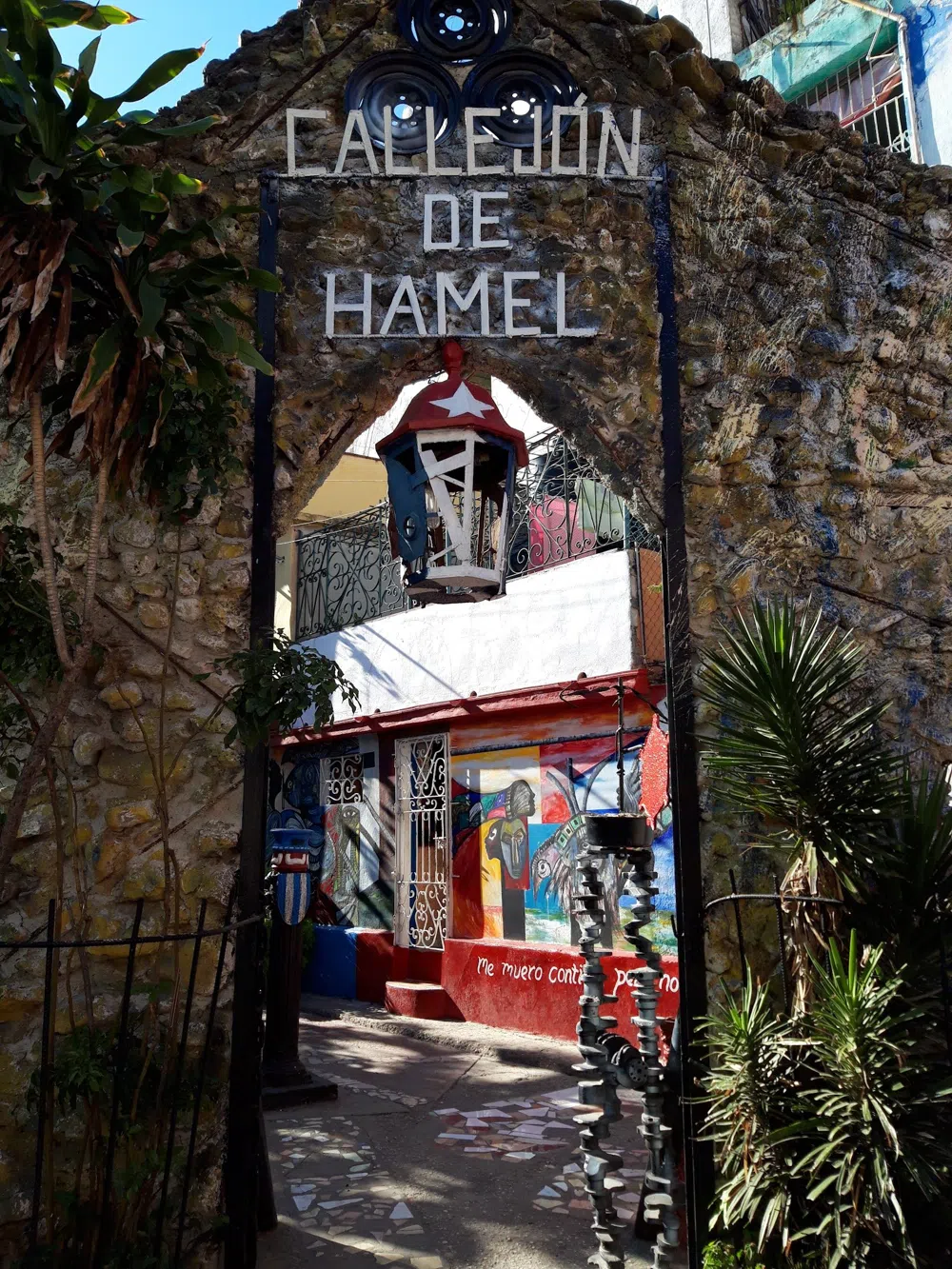
How to walk Cayo Hueso, Havana's rumba barrio
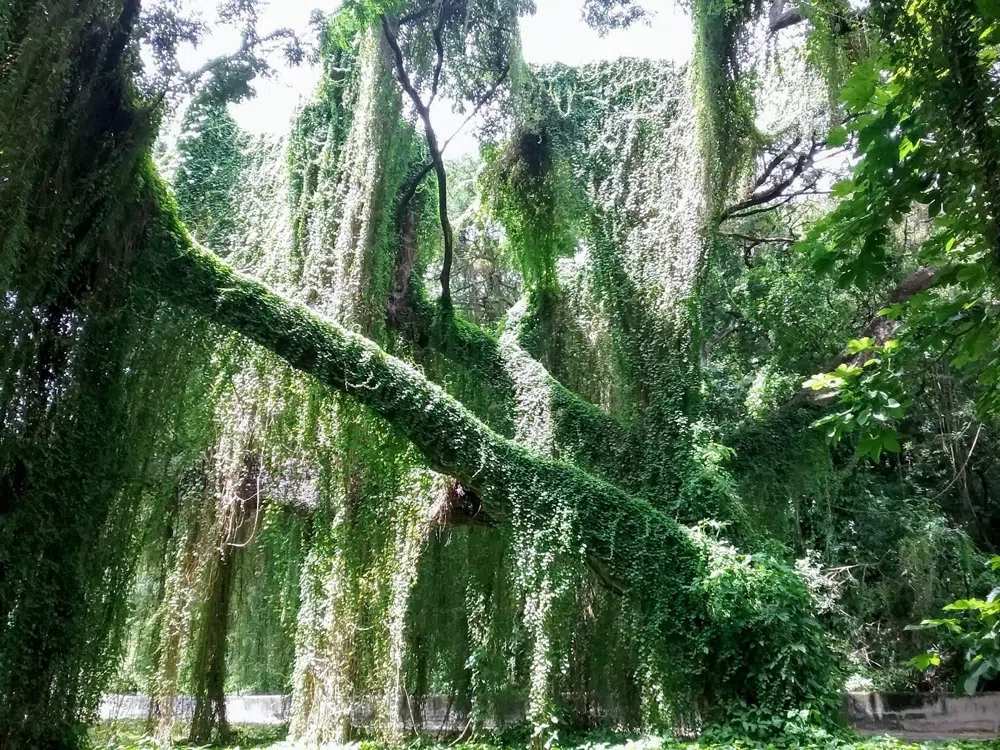
Walking Havana's Almendares river park and Kohly forest
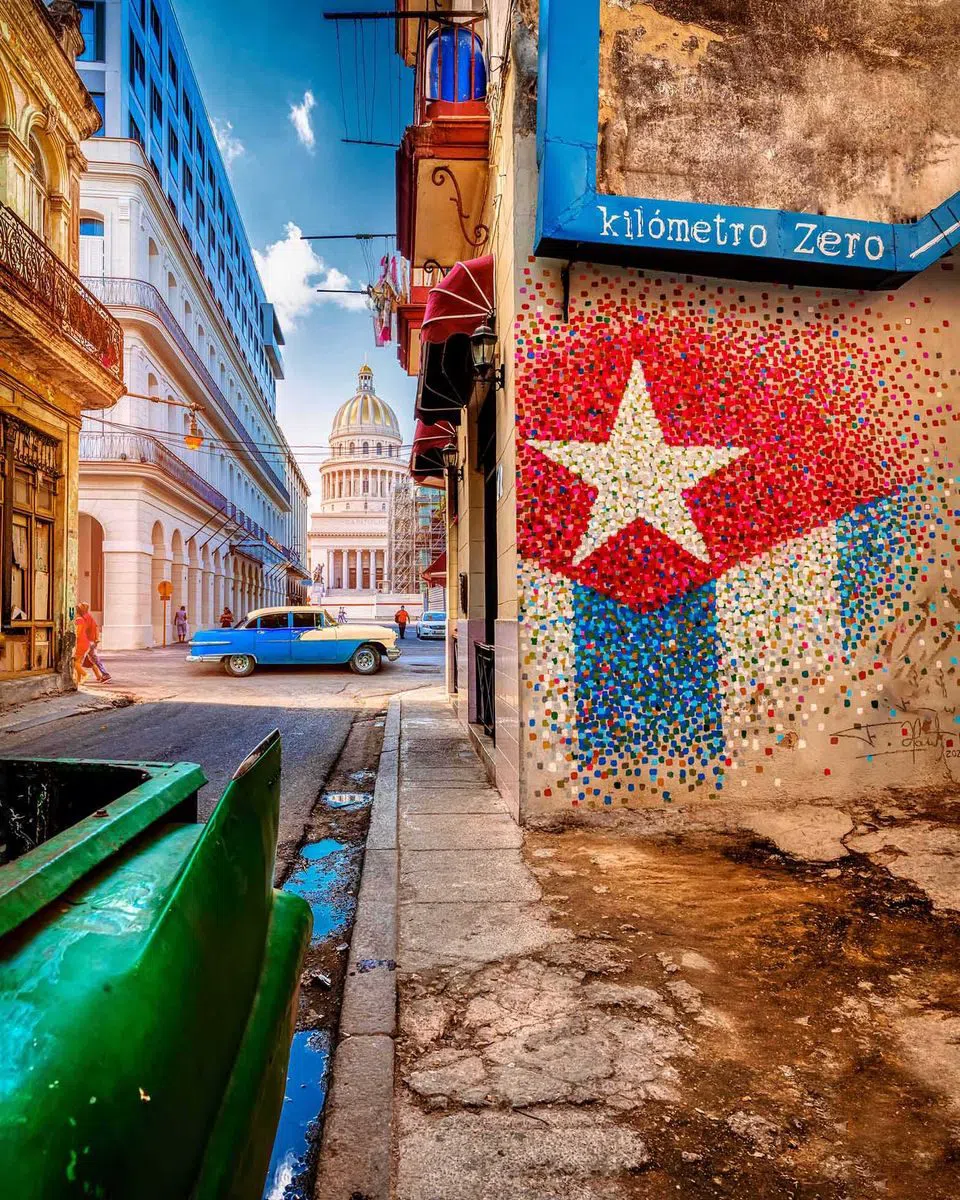
How Havana Turns Fifteen-Year-Old Girls Into Queens for a Day

Getting to Viñales from Havana When the Fuel Runs Short
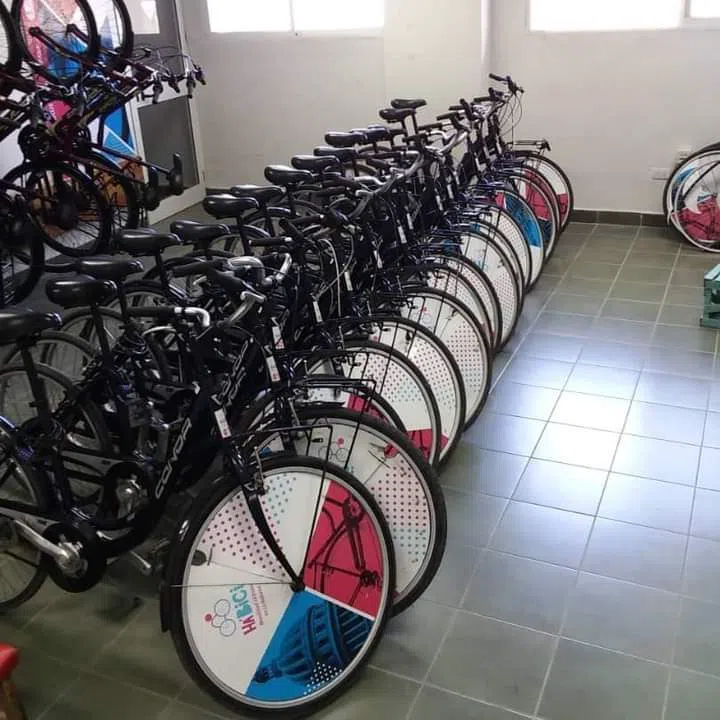
How Havana Fell Back in Love With the Bicycle
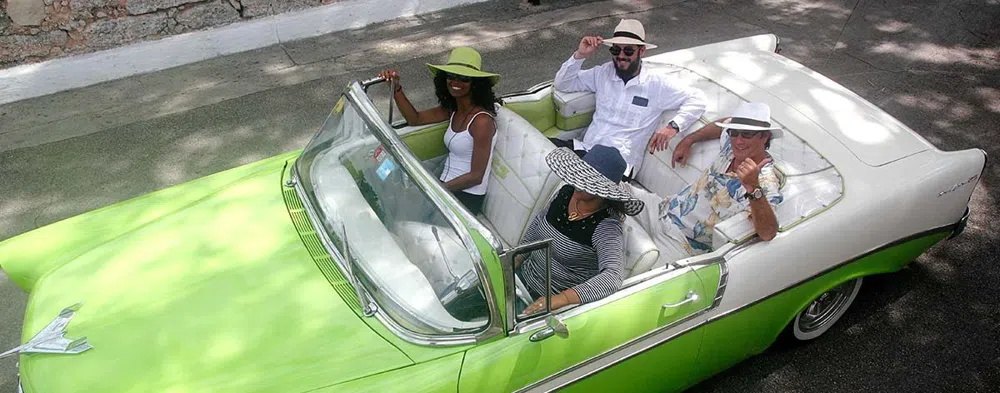
The Rolling Museum: Havana's Classic American Cars and the Mechanics Who Keep Them Alive
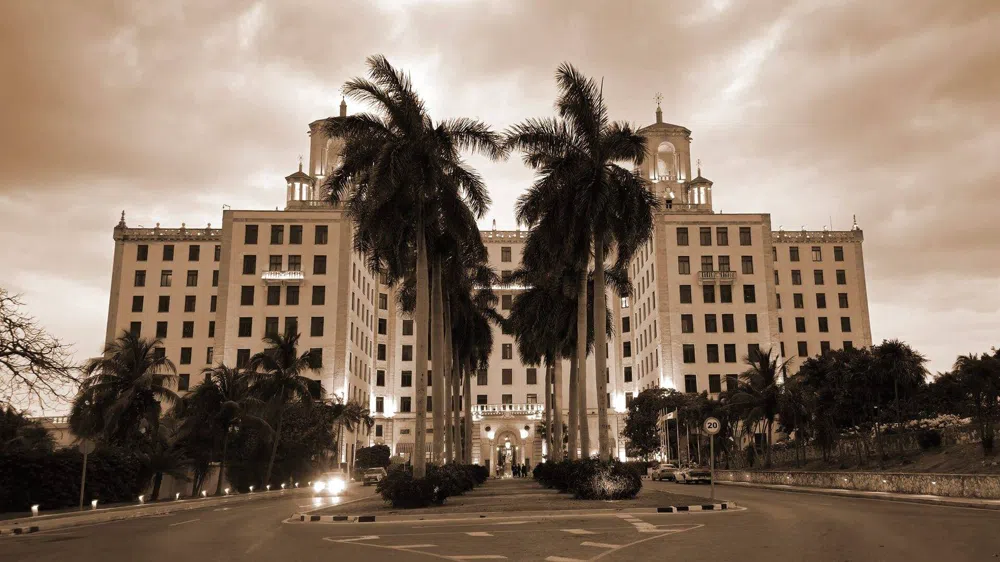
The Malecón at Twilight: Havana's Five-Mile Seawall and the City That Lives on It
Where to base yourself
The neighborhoods
01
Habana Vieja
For First-time visitors who want to be steps from major historic sights, though they must tolerate persistent street hustlers.
The historic core, dense with Spanish colonial architecture, cobblestone plazas, and constant street noise.
Where to stay — Boutique private guesthouses (casas particulares) restored to high standards, offering a mix of historic character and modern comfort.
02
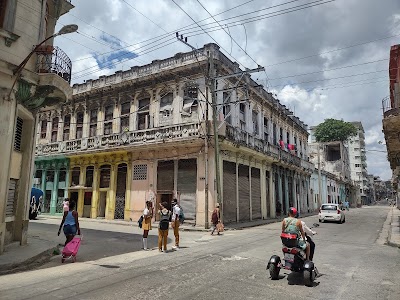
Centro Habana
For Adventurous travelers seeking an authentic slice of working-class Havana, accepting the trade-off of poorly lit streets and noise.
Gritty, densely populated, and unvarnished. Peeling pastel facades, laundry hanging over balconies, and vibrant street life.
Where to stay — Basic, budget-friendly homestays that offer an immersive look into daily Cuban life.
03
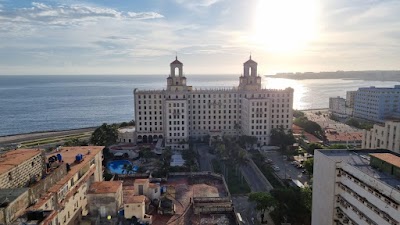
Vedado
For Those who prefer a quieter, greener environment with excellent nightlife and dining, though it requires a taxi ride to the old town.
A mid-century modern district with wide, tree-lined streets, Art Deco mansions, and a relaxed, middle-class atmosphere.
Where to stay — Stately 1930s villas converted into boutique hotels or spacious private apartments.
04
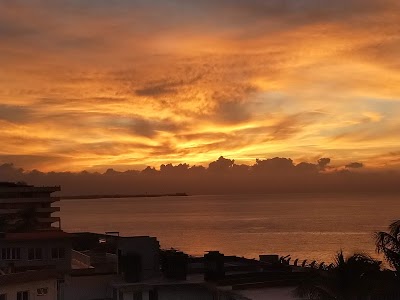
Miramar
For Business travelers or families seeking quiet luxury and security, far from the chaotic energy of the city center.
An upscale, quiet residential neighborhood home to foreign embassies, grand mansions, and manicured avenues.
Where to stay — High-end modern hotels or expansive private villas with swimming pools.
05
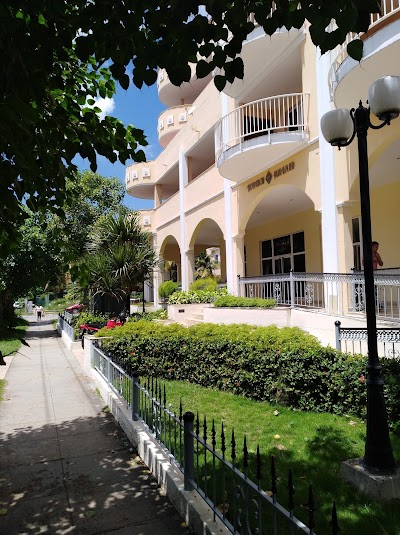
Playa
For Art enthusiasts and travelers seeking a slower, suburban pace of life.
A sprawling suburban municipality west of Miramar, characterized by quiet streets and community art initiatives.
Where to stay — Private suburban homes with gardens and pools, ideal for longer stays.
06
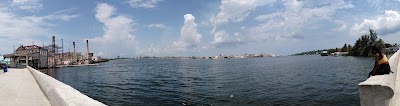
Regla
For Cultural purists looking for spiritual history, accepting that there are almost no tourist amenities or hotels.
A working-class township across the bay, deeply rooted in Afro-Cuban religious traditions and Santería.
Where to stay — Not recommended for overnight stays; best visited as a day trip.
07
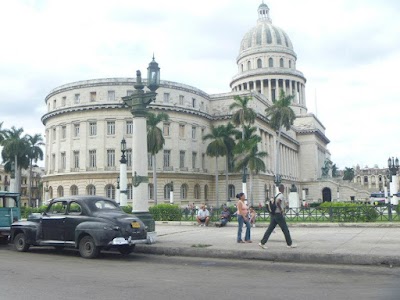
Casablanca
For History buffs and photographers looking for quiet walks and military fortifications.
A quiet, hillside village across the harbor entrance, offering panoramic views of the Havana skyline.
Where to stay — Very limited local homestays; most visitors return to the city center before dark.
08
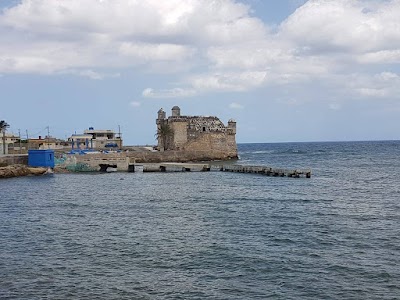
Cojímar
For Literary pilgrims seeking a quiet seaside lunch away from the urban core.
A sleepy fishing village east of the city, famous as the setting for Ernest Hemingway’s 'The Old Man and the Sea'.
Where to stay — A handful of quiet, seaside casas particulares.
09
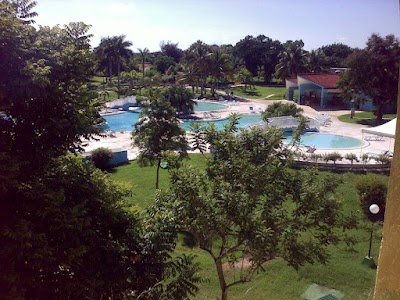
Siboney
For Diplomats, VIPs, and groups looking for absolute privacy and luxury villa rentals.
An exclusive, leafy suburban enclave of large estates, once home to pre-revolutionary elites.
Where to stay — Expansive luxury villas with private security, lush gardens, and swimming pools.
10
La Cabaña
For
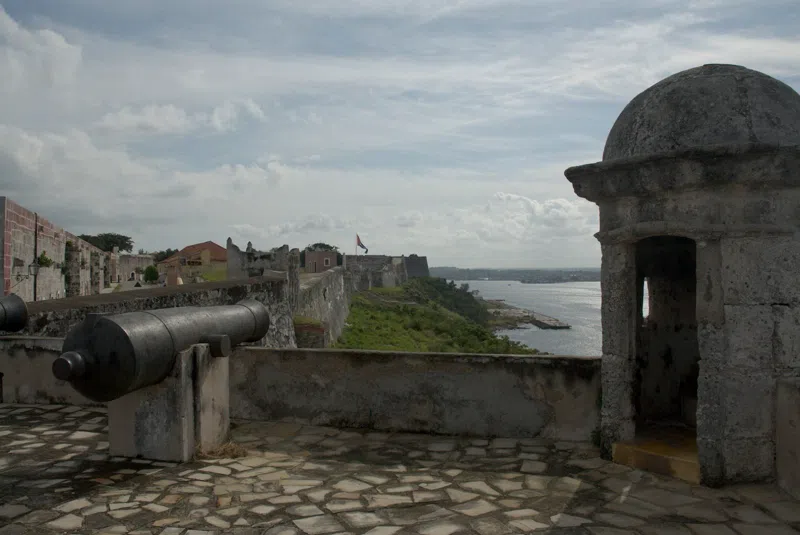
The fortress district across the bay combines huge harbor views, military history, sunset walks and Havana's famous nightly cannon ceremony. Arrive before sunset and stay for the 9 p.m. cannon ceremony; dry-season evenings are most comfortable.
Where to stay —
11
Cayo Hueso
For
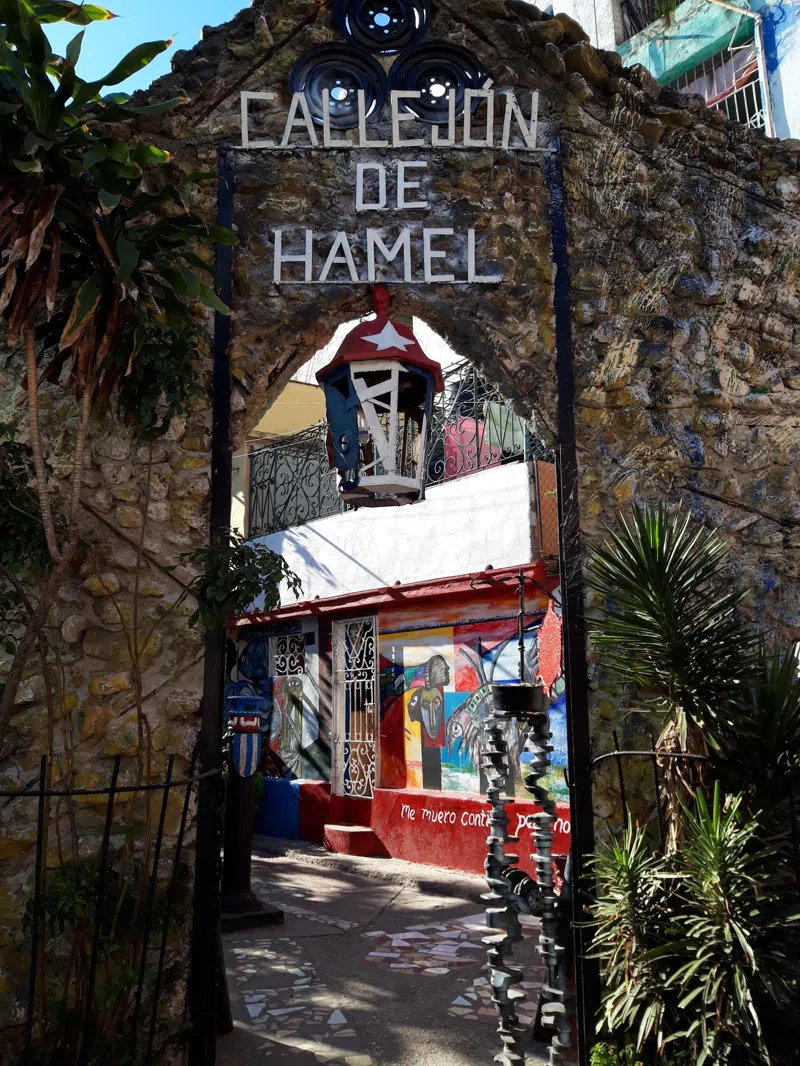
One of central Havana's most atmospheric local neighborhoods, combining Afro-Cuban culture, street rumba, murals, domino games and neighborhood bars. Sunday-afternoon rumba at Callejón de Hamel is the signature timing.
Where to stay —
12
Callejón de Hamel
For
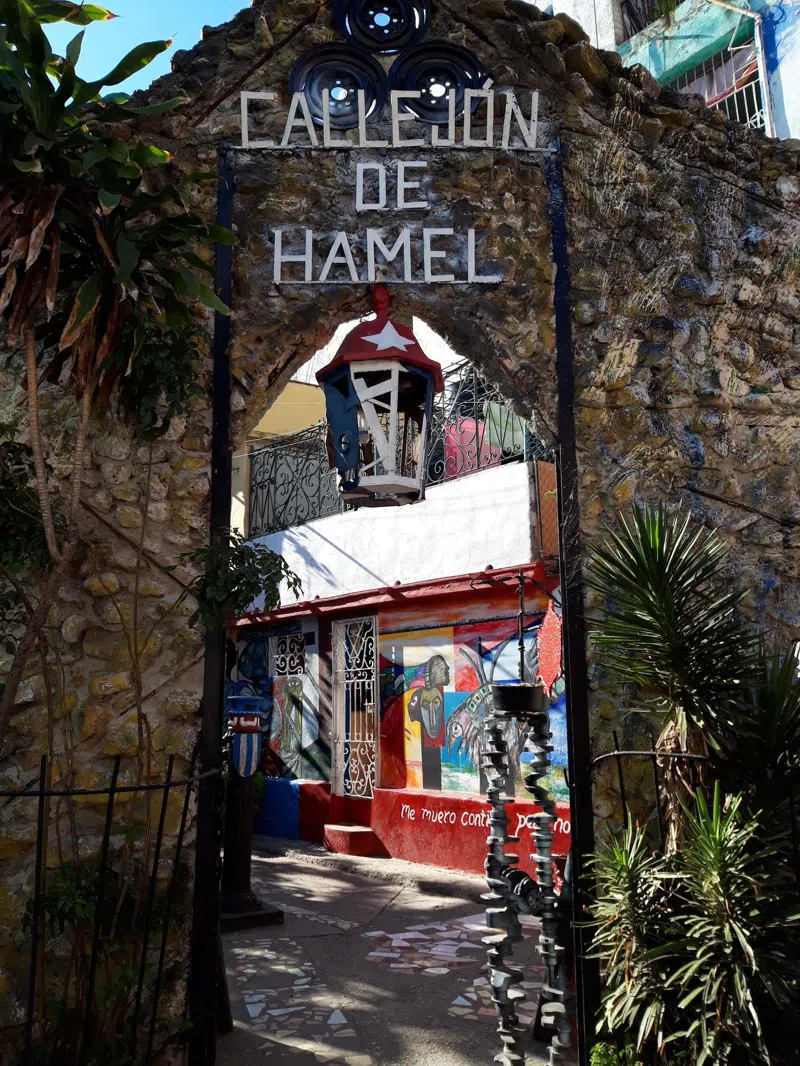
A highly focused Afro-Cuban art-and-music enclave where visitors come for murals, sculpture, rumba and an eccentric open-air cultural atmosphere. Sunday rumba is the best time to visit; arrive before the performance gets crowded.
Where to stay —
13
Plaza de la Revolución
For
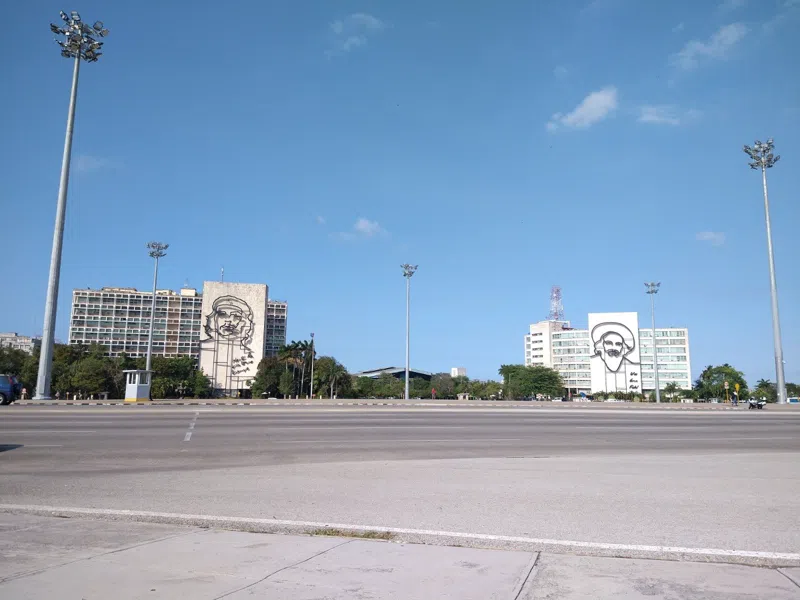
Havana's monumental civic quarter is worth a dedicated stop for giant revolutionary imagery, broad public spaces and major national landmarks. Go early or near sunset for cooler temperatures and better light across the square.
Where to stay —
14
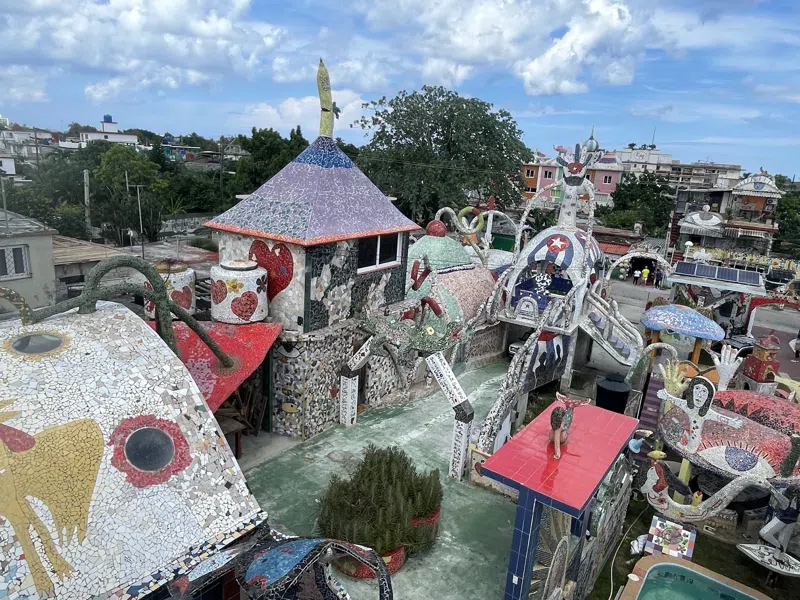
Jaimanitas
For
A colorful seaside neighborhood known for José Fuster's mosaic-covered homes, playful public art and an easygoing residential atmosphere. Visit in daylight, when Fusterlandia's mosaics are easiest to see; winter and spring offer the most comfortable temperatures.
Where to stay —
15
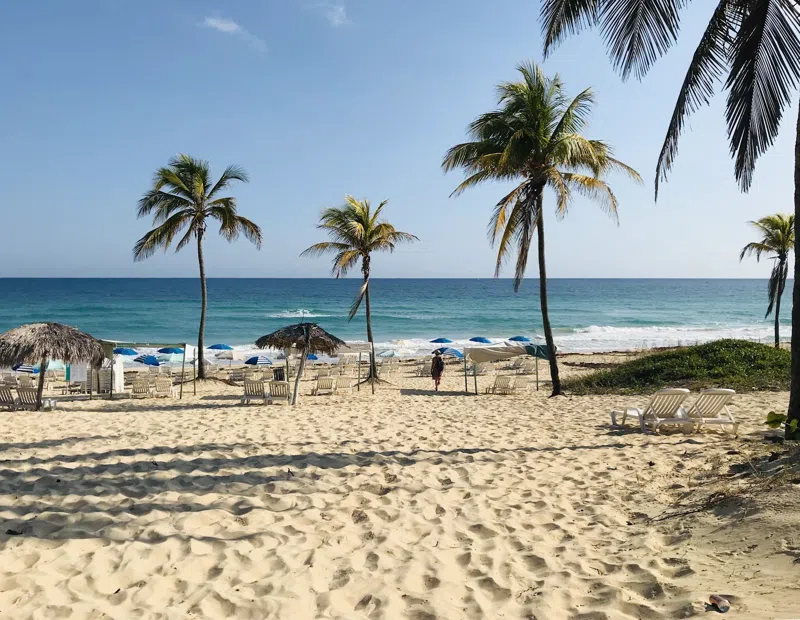
Santa María del Mar
For
The most accessible of Havana's eastern beaches for swimming, beach bars and a relaxed half-day away from the city's historic streets. Best from November to April; summer weekends are livelier but hotter and more crowded.
Where to stay —
16
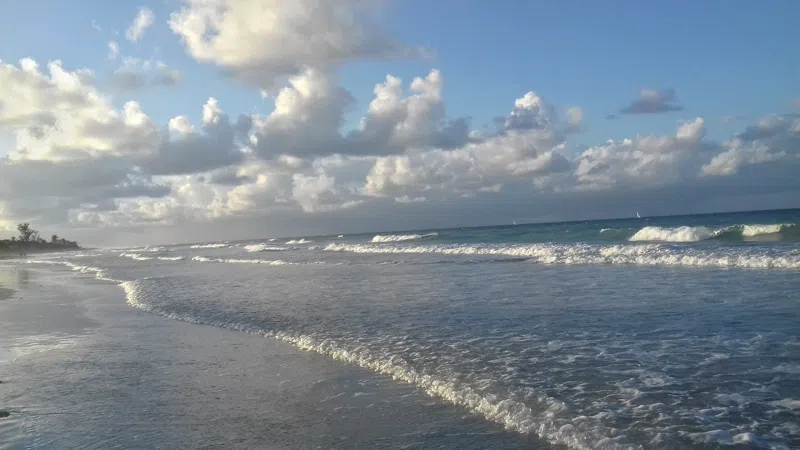
Guanabo
For
The liveliest eastern-beach town near Havana, with a broad sandy shore, informal seafood restaurants, bars and a distinctly local holiday atmosphere. Go on a weekday for a quieter beach; summer and holiday weekends bring the strongest local atmosphere but the biggest crowds.
Where to stay —
17
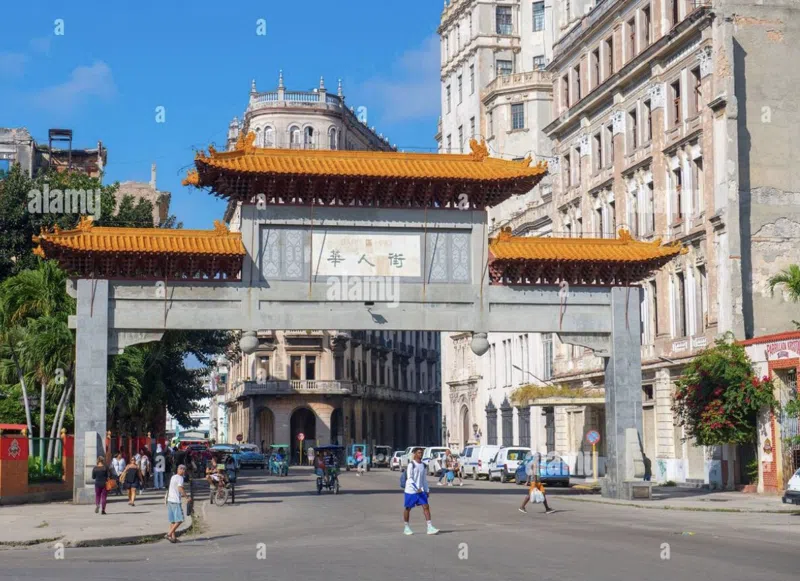
Barrio Chino
For
A compact central quarter for Chinese-Cuban history, colorful street scenes, casual restaurants and a short wander around Calle Cuchillo.
Where to stay —
18
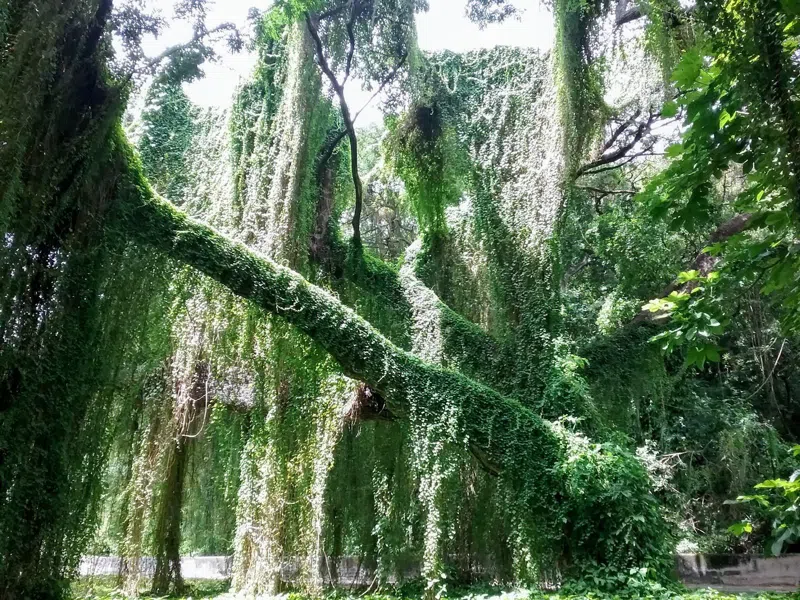
Parque Metropolitano and Almendares
For
Havana's main urban escape offers shaded riverside walks, tropical vegetation, picnic spots and a striking contrast with the city's dense historic core. Best during the dry season, especially November to April, when trails are less muddy and the heat is milder.
Where to stay —
19
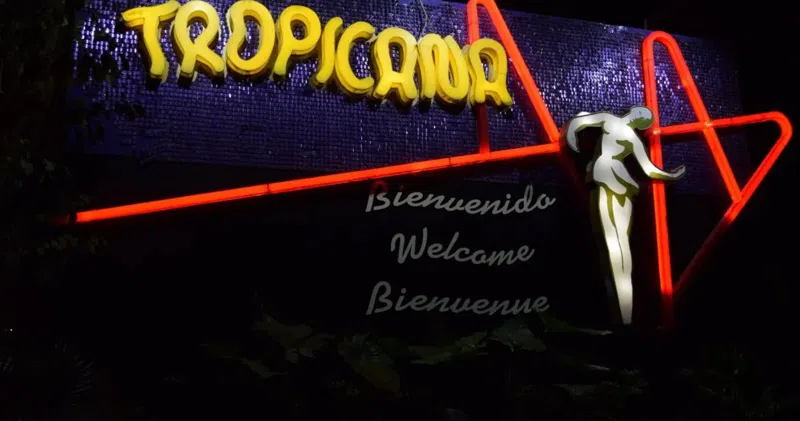
Marianao
For
A western nightlife district with Havana's most famous cabaret tradition, plus music venues and a glimpse of the city's less polished local side. Reserve Tropicana performances ahead when possible; evening visits are the main reason to come.
Where to stay —
Book direct
Book a hotel in Havana
Loading live availability and real-time prices…
Where to eat
Dining
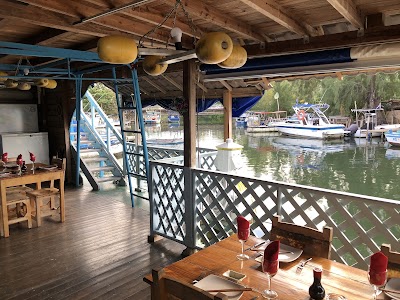
Santy Pescador
€€€Jaimanitas
Located in a rustic wooden house on a canal, this spot serves the freshest raw fish and sushi in Havana, sourced directly from local boats.
Signature — Fresh tuna sashimi and grilled red snapper
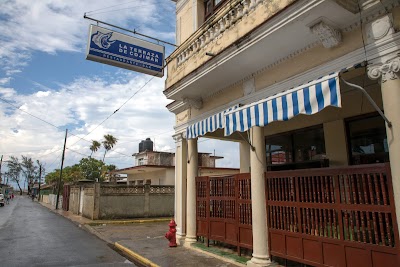
La Terraza de Cojímar
€€Cojímar
A historic waterfront restaurant where Ernest Hemingway dined with his captain, Gregorio Fuentes, offering views of the bay.
Signature — Paella Marinera
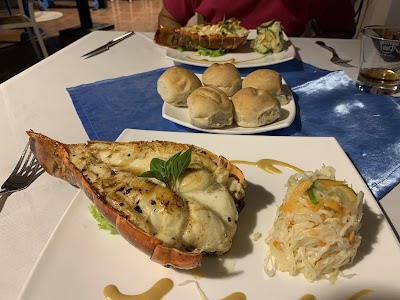
El Templete
€€€Habana Vieja
Situated right on the harbor, this classic establishment offers Spanish-style seafood preparation with a view of the bay.
Signature — Basque-style cod with garlic and olive oil
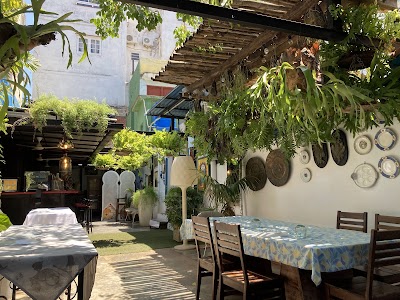
El Carbón
€€€Habana Vieja
This rustic-chic paladar specializes in traditional Cuban charcoal-grilling techniques, delivering intense smoky flavors.
Signature — Slow-roasted suckling pig (Lechón Asado)
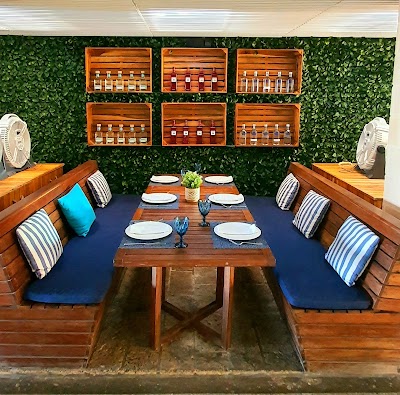
Vistamar
€€€Miramar
Offers oceanfront dining where you can hear the waves crash while eating meats grilled over open flames.
Signature — Grilled pork chops with mojo marinade
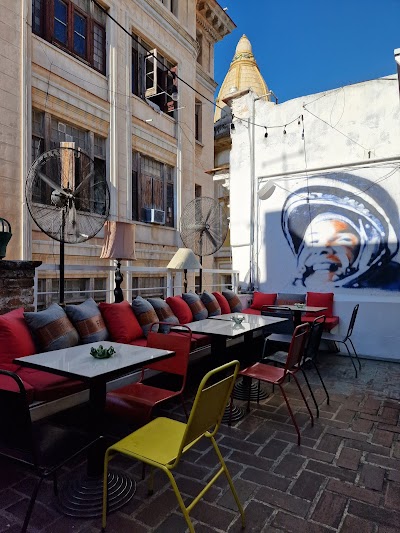
El Del Frente
€€Habana Vieja
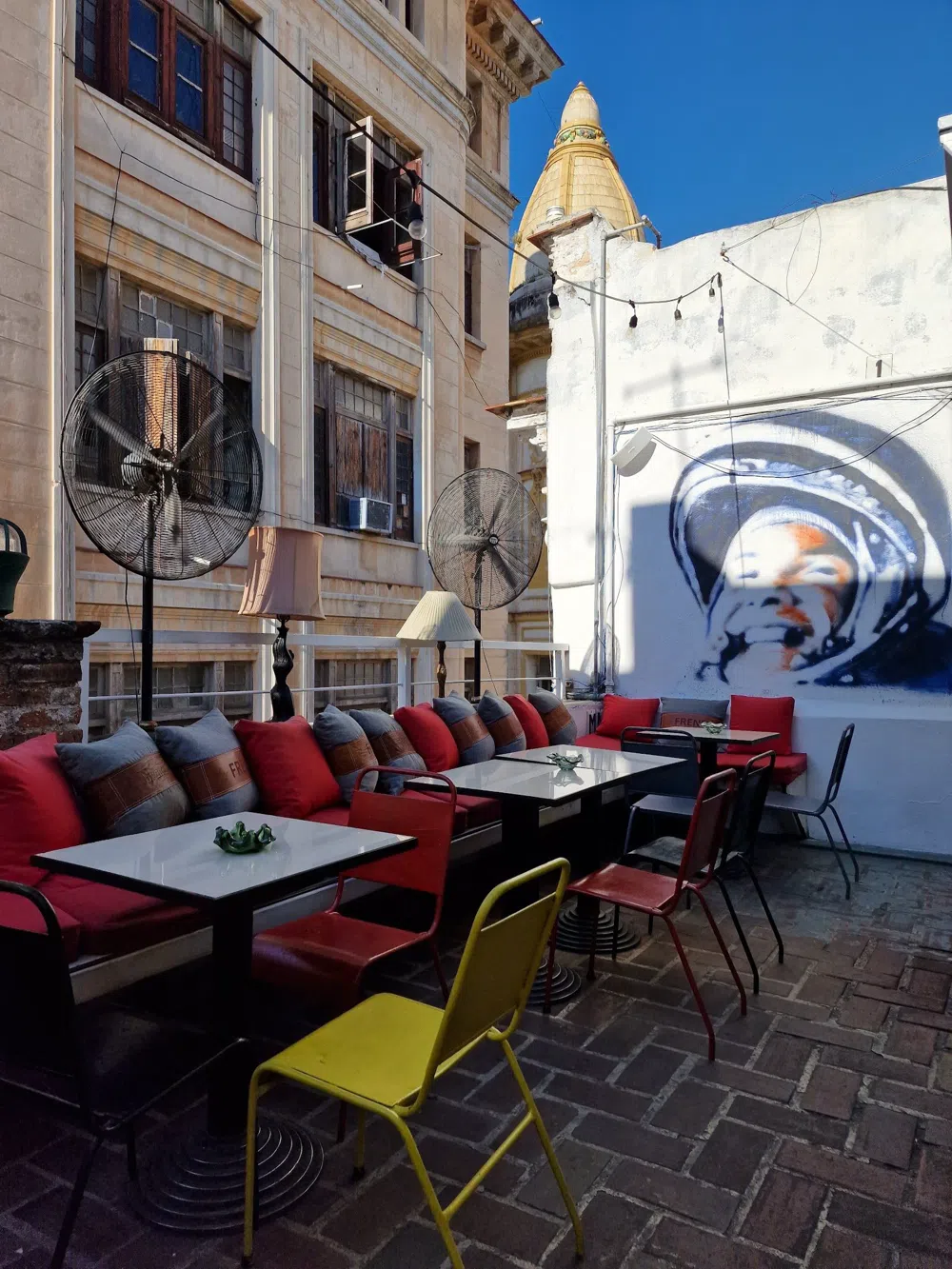
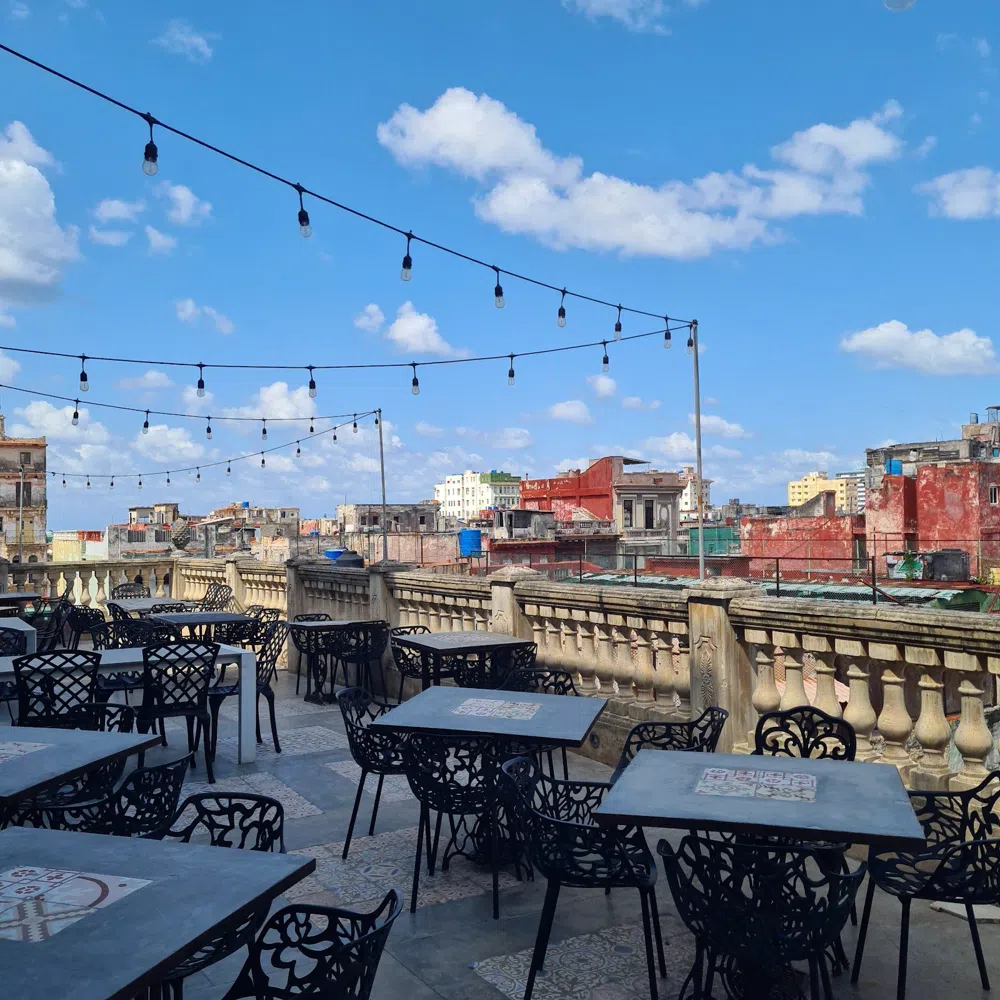
A stylish rooftop space known for serving creative, modern Cuban small plates alongside some of the best cocktails in the city.
Signature — Tostones stuffed with shredded beef (ropa vieja)
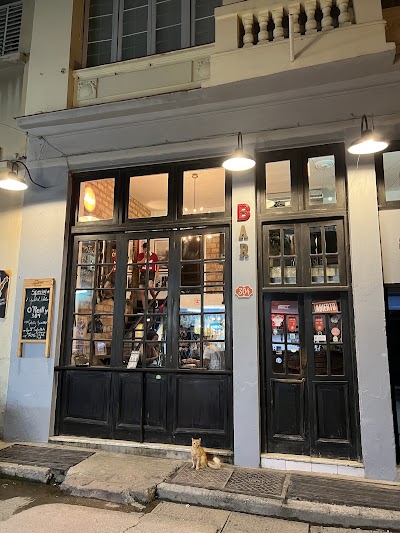
O'Reilly 304
€€Habana Vieja
A narrow, energetic bar serving gin-focused cocktails and a fusion of Cuban and international small plates.
Signature — Lobster tacos with mango salsa
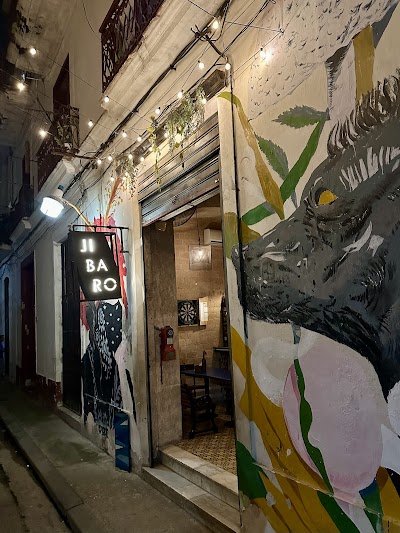
Jíbaro
€€Habana Vieja
Located in a quieter part of the old town, this spot serves thoughtful, updated versions of classic Cuban comfort food.
Signature — Deconstructed Ropa Vieja
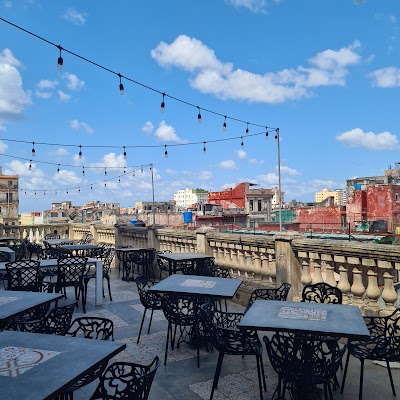
La Guarida
€€€€Centro Habana
Housed on the top floor of a majestic, decaying 20th-century palace, this is Havana's most famous restaurant, offering theatrical ambiance and creative cuisine.
Signature — Papaya lasagna with salmorejo sauce
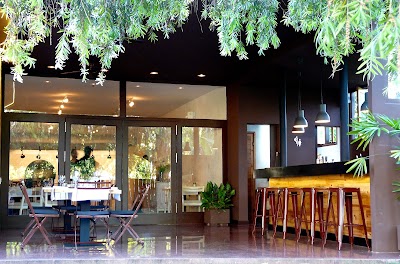
Otramanera
€€€€Miramar
A sleek, contemporary restaurant offering Michelin-caliber execution of Spanish-Cuban fusion in a minimalist setting.
Signature — Slow-cooked egg with potato foam and truffle oil
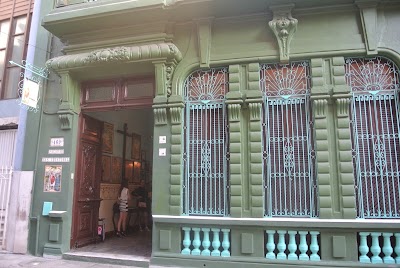
San Cristóbal Paladar
€€€Centro Habana
Famous for hosting world leaders, this restaurant is packed with eclectic antiques and serves exceptional, traditional Creole-Cuban cuisine.
Signature — Solomillo San Cristóbal (beef tenderloin with mushroom sauce)
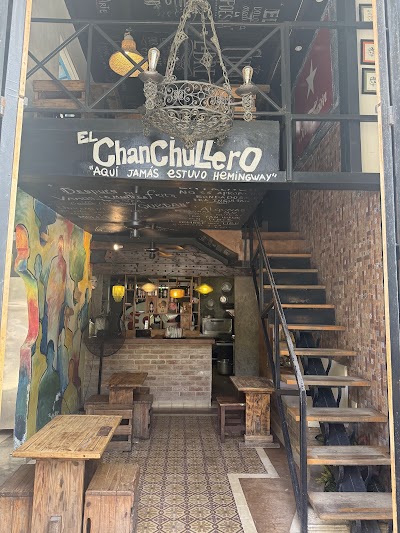
El Chanchullero
€Habana Vieja
A quirky, multi-level bar and restaurant with a rebellious attitude, serving cheap, delicious, and filling plates.
Signature — Chili-garlic shrimp served with avocado and rice
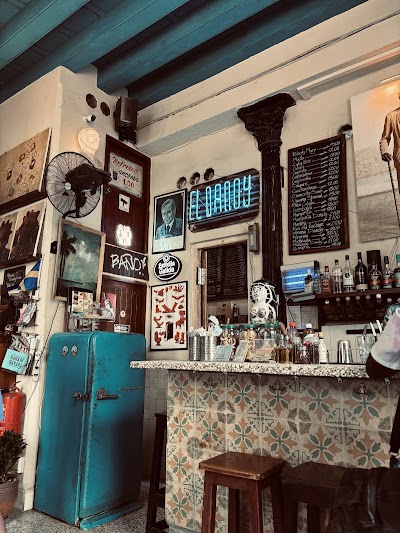
El Dandy
€Habana Vieja
A cozy, vintage-styled cafe on Plaza del Cristo, perfect for cheap sandwiches, strong coffee, and people-watching.
Signature — Pork sliders with plantain chips
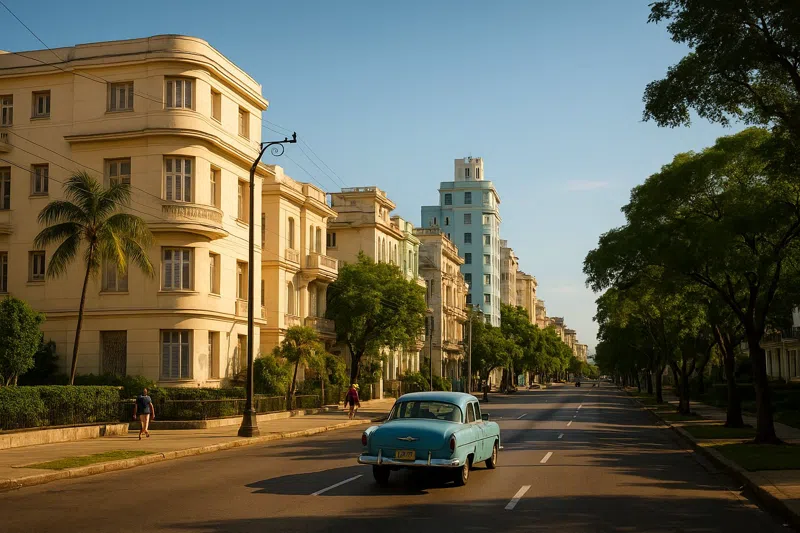
La Bien Pautada
€Vedado
A straightforward local spot serving massive portions of Cuban creole food at very low prices.
Signature — Arroz con Pollo (chicken and yellow rice)
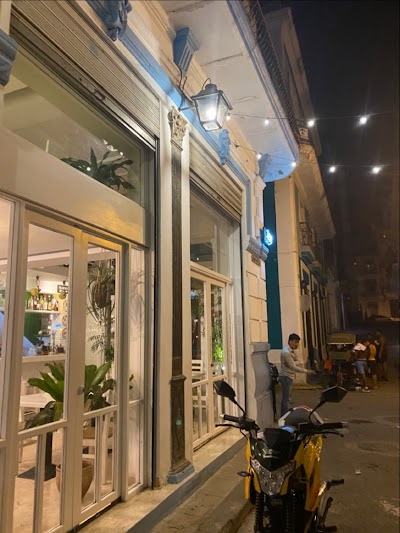
Lo de Monik
€€Habana Vieja
A bright, modern cafe offering excellent breakfast bowls, fresh fruit juices, and vegetarian-friendly lunch options.
Signature — Veggie tacos with black beans and avocado
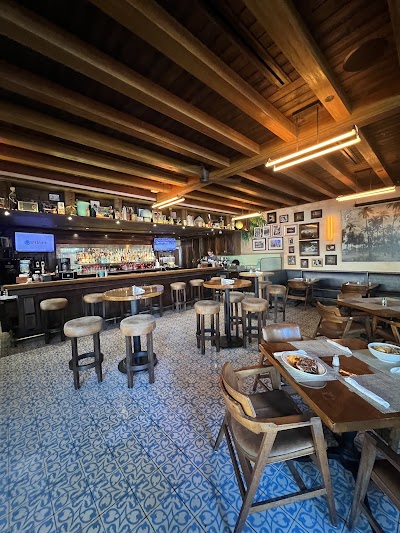
California Café
€€Vedado
An American-style diner that offers a reliable selection of vegetarian burgers, salads, and fresh juices.
Signature — Lentil and chickpea burger
After dark
Nightlife
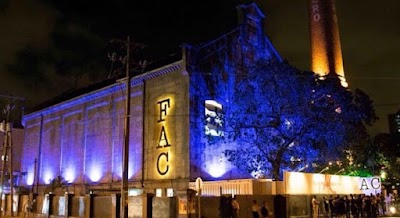
Fábrica de Arte Cubano (FAC)
Vedado
Housed in a former olive oil factory, this massive venue combines art galleries, cinema, theater, and multiple dance floors into one unmatched cultural experience.
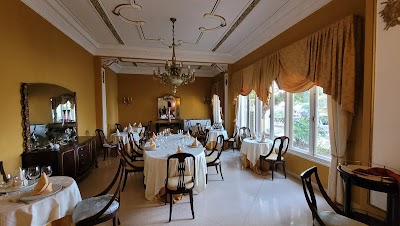
Club 1830
Vedado
An outdoor club situated right at the end of the Malecón, famous for hosting the city’s best open-air salsa dancing.
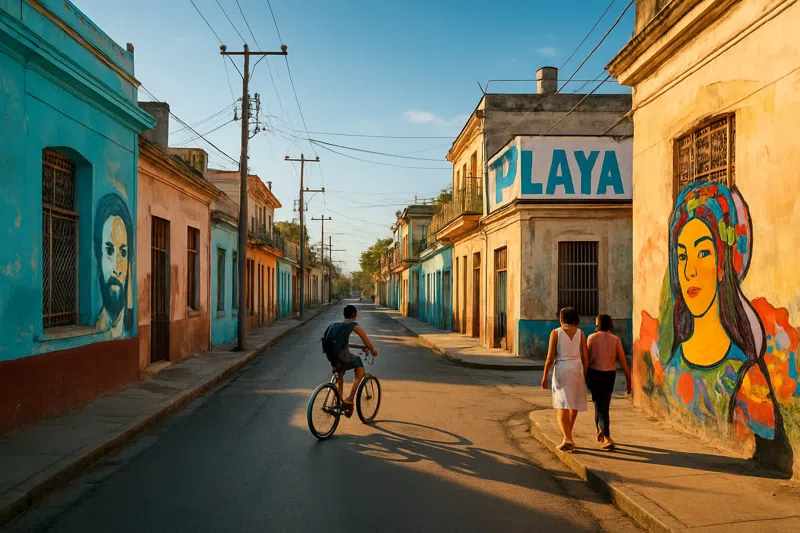
Salón Rosado de la Tropical
Playa
The legendary home of Cuban Timba and Salsa, where the city’s most popular live bands play to massive crowds.
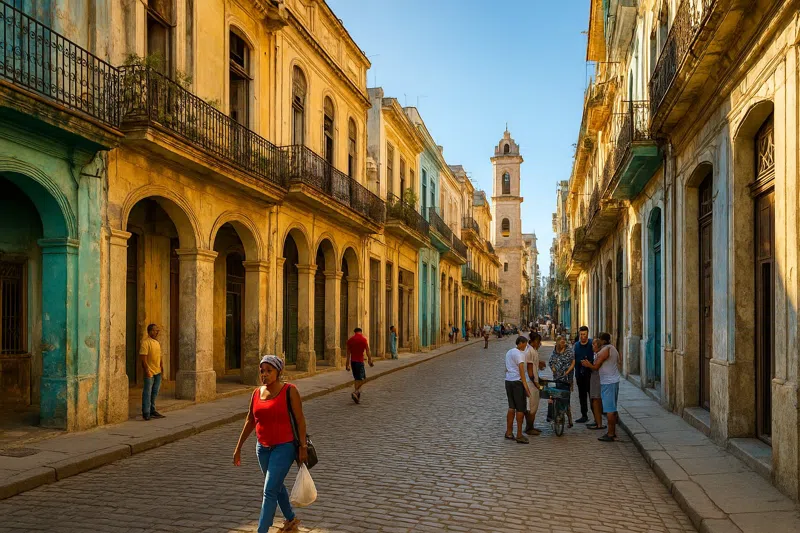
Roma
Habana Vieja
A rooftop bar hidden on top of an apartment building, accessed via a vintage iron elevator, featuring electronic music and industrial design.
El Surtidor Pool Terrace and Bar
Habana Vieja
Located on the roof of the Gran Hotel Manzana Kempinski, offering luxury cocktails with views over El Capitolio.
El del Frente Rooftop
Habana Vieja
Known for serving giant, creative cocktails made with fresh tropical fruits on a stylish, open-air terrace.
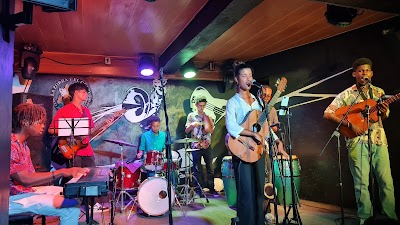
La Zorra y el Cuervo
Vedado
Havana’s premier jazz club, entered through a whimsical red English telephone booth on the sidewalk.
Jazz Café
Vedado
A modern, glass-walled venue located inside a shopping center overlooking the Malecón, hosting top-tier Cuban musicians.
Sociedad Cultural Rosalía de Castro
Habana Vieja
Hosts traditional son and bolero performances in a historic Spanish courtyard, keeping the spirit of the Buena Vista Social Club alive.
Art & history
Culture
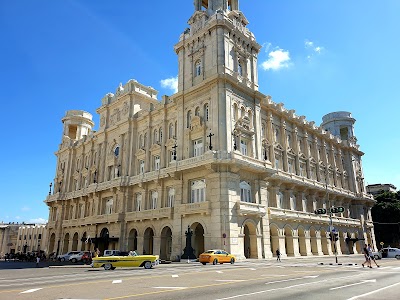
Museo Nacional de Bellas Artes (Cuban Collection)
Centro Habana
Houses an extraordinary collection of Cuban art spanning from the colonial era to contemporary masterpieces, showcasing the island’s unique visual identity.
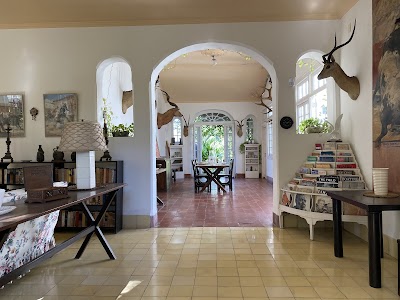
Museo Hemingway (Finca Vigía)
San Francisco de Paula
Ernest Hemingway’s preserved estate, where he wrote 'The Old Man and the Sea', kept exactly as he left it, complete with his personal library and boat.
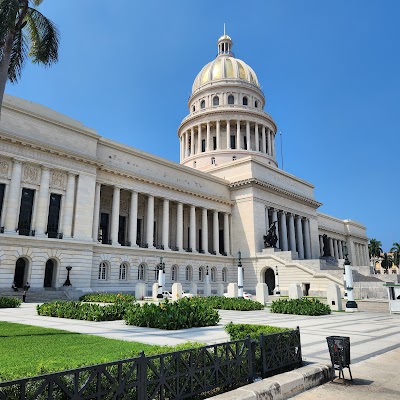
El Capitolio
Centro Habana
The majestic, recently restored capitol building, modeled after the US Capitol but slightly larger, featuring a massive bronze statue inside.
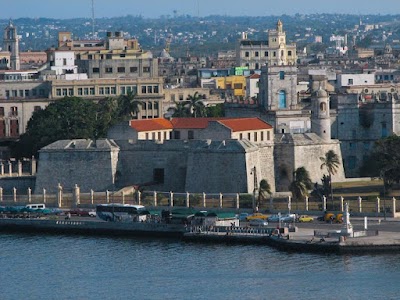
Castillo de la Real Fuerza
Habana Vieja
One of the oldest stone fortresses in the Americas, complete with a moat and topped by the famous La Giraldilla weather vane.
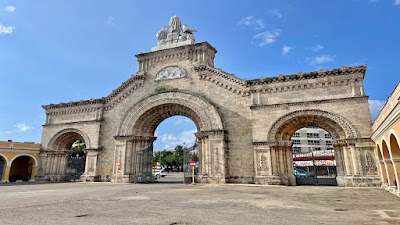
Necrópolis de Cristóbal Colón
Vedado
A massive, 140-acre cemetery famed for its elaborate white marble mausoleums, sculptures, and religious monuments.
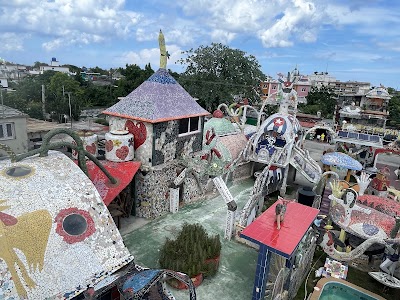
Fusterlandia
Jaimanitas
Artist José Fuster has transformed his entire neighborhood into a sprawling, whimsical public art installation covered in colorful ceramic mosaics.
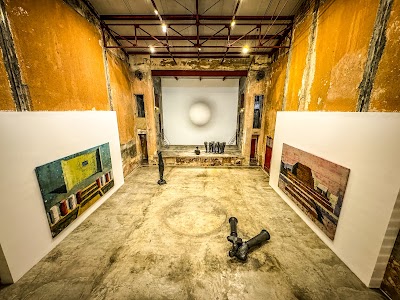
Galería Continua
Habana Vieja
An international contemporary art gallery housed inside a beautifully preserved, defunct 1950s cinema, showcasing cutting-edge global and local artists.
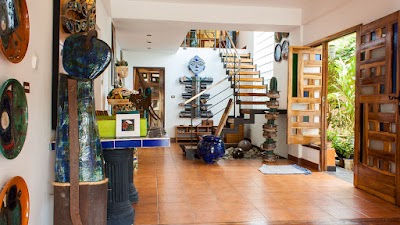
Estudio-Taller Santacana
Jaimanitas
The private workshop and gallery of ceramicist Beatric Santacana, showcasing intricate, expressive clay sculptures and paintings.
Timing
When to visit
Winter (December to February)
Warm days, cool evenings, and minimal rainfall. This is peak tourist season, meaning higher accommodation rates and crowded historic plazas.
Spring (March to May)
An ideal shoulder season. The humidity is manageable, temperatures are warm, and the winter crowds have thinned out.
Summer (June to August)
Extremely hot and humid. This period coincides with domestic holidays and afternoon thunderstorms, making midday exploration exhausting.
Autumn (September to November)
The height of the Caribbean hurricane season. While prices are at their lowest, there is a persistent risk of tropical storms and heavy rain.
What it costs
Budgeting
Logistics
Getting around
From the airport
José Martí International Airport is located about 15 miles from the city center. There are no reliable public transit links for tourists; a private taxi is the only practical option. Agree on a flat rate with the driver before getting in, typically paid in foreign currency.
Public transit
Local buses, known as guaguas, are severely overcrowded and difficult for visitors to navigate. Shared fixed-route taxis, called almendrones, are vintage American cars that run along main avenues, but they require a solid understanding of local geography and payment in local currency.
Passes & tickets
There are no tourist transit or museum passes available in Havana; all transport and entry fees must be paid individually.
On foot
Habana Vieja is highly compact and entirely walkable, with many pedestrianized streets. However, traversing between neighborhoods like Vedado, Centro Habana, and Miramar requires motorized transport due to the distances and broken sidewalks.
Travel smart
Safety & etiquette
Local etiquette
- •Always tip service staff; 10% is standard in restaurants and highly appreciated due to low local wages.
- •Avoid discussing sensitive political topics unless a local brings it up first.
- •Be mindful of resource scarcity; do not waste water or leave air conditioning running when out of your room.
From the ground
Practical tips
1
Download offline navigation apps like Maps.me or Organic Maps before landing.
2
Bring your own toiletries, over-the-counter medications, and sunscreen, as these are incredibly difficult to find locally.
3
Always negotiate taxi fares before stepping into the vehicle.
4
Keep small denomination bills (Euros, USD, or CUP) handy for tipping and small purchases.
5
Book your casas particulares in advance via platforms like Airbnb to secure reliable lodging.
6
Don't fall for the 'today is the last day of the cigar cooperative discount' scam.
Havana FAQs
What currency should I bring to Havana?
Bring physical Euros or US Dollars. The official exchange rate is poor, so tourists exchange cash on the informal market (check current rates online via El Toque). Credit cards are rarely accepted and run on the official rate.
Do I need a tourist card/visa to enter?
Yes, most nationalities require a Tourist Card (Tarjeta de Turista), which can be purchased from your airline or Cuban consulate before travel. US citizens have specific travel categories (e.g., 'Support for the Cuban People').
How do I get internet access in Havana?
Buy an ETECSA SIM card (Cubacel Tur) online before arriving or purchase NAUTA scratch cards to access public Wi-Fi zones in parks and hotel lobbies.
Is it safe to drink tap water?
No, always drink bottled water. Ensure the seal is intact, or use water purification tablets/filters.
Can I use my US credit card?
No, US-issued credit and debit cards do not work in Cuba due to the embargo. Bring all the cash you will need for your entire trip.