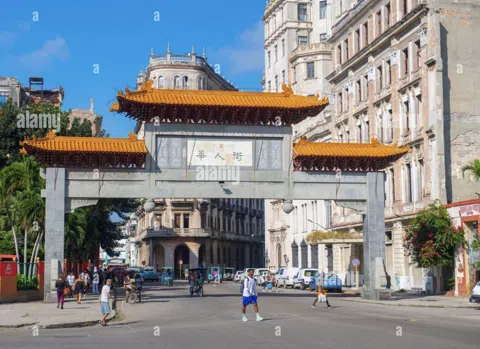
The Havana issue
Santeria in Havana: The Drums, the Saints and the Religion That Outlived the Revolution
A neighbourhood-by-neighbourhood route through the drum ceremonies, museums, churches and private consultations where Havana's Afro-Cuban faith is still practiced, not performed.
By Oliver NashReading Havana barrio by barrio
Walk into Centro Habana on a Sunday morning and you can hear it before you see it: a wall of drums building against the tenement blocks of a single alley, a rhythm older than the Revolution and stubborn enough to have outlasted it. Santeria, the faith enslaved Yoruba people built by mapping their orishas onto Catholic saints so the old gods could survive under colonial law, was never driven underground in Havana so much as folded into its daily rhythm: a drum ceremony on a Friday evening, a woman dressed head to toe in white waiting for a bus, an offering left quietly at the harbour's edge for the mother of the sea. This is a walking guide to where that religion is visible, audible and, in a few cases, open to a respectful visitor who asks first.
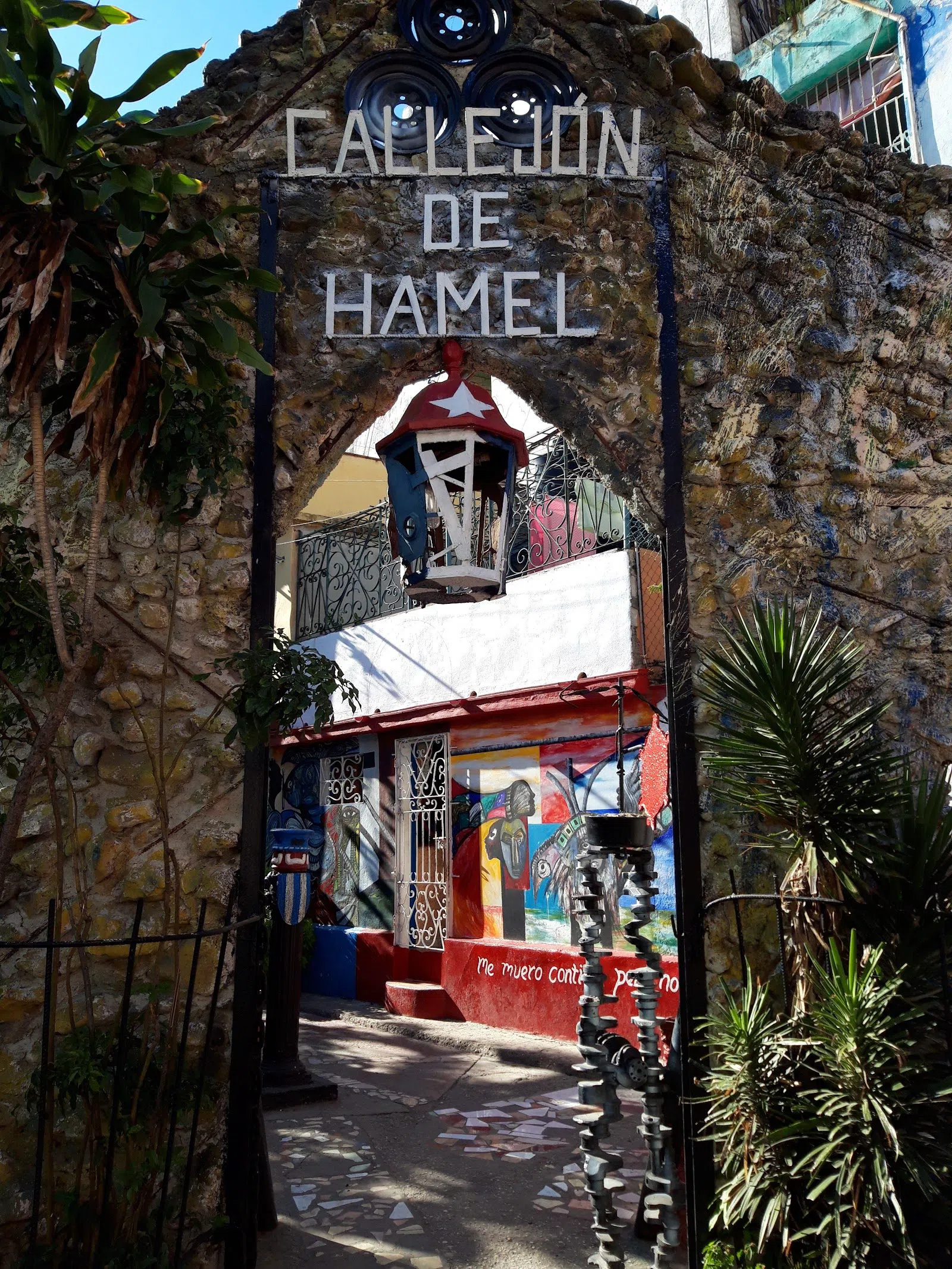
Callejon de Hamel: where the street became a shrine
Callejon de Hamel (Centro Habana) is where most visitors meet Santeria for the first time, usually without planning to. The alley was turned into a continuous mural and sculpture installation by Salvador Gonzalez Escalona, a muralist who spent decades painting the orishas directly onto the walls of the tenements he lived among; since his death in 2021, his family has kept the project running, and it remains the founding shrine of Havana's Santeria-meets-street-art scene. There is no ticket booth and no door policy in the usual sense, because there is no door: it is open-air, free, and part of the neighbourhood's daily foot traffic on any afternoon.
The reason to plan around it is the rumba. Every Sunday at noon, a live rumba forms in the alley, drummers and dancers working through the same Afro-Cuban rhythms that carry the orishas in ceremony, except here staged for a mixed crowd of neighbours, practitioners and tourists shoulder to shoulder. It gets genuinely crowded, and a group that wants to see the drummers rather than the backs of other people's heads should arrive at least half an hour before noon to claim ground near the stage. Entry costs nothing, but the musicians are working for tips, and a dollar or two per person, or the local-currency equivalent, spread among the players is the norm. It is also, by simple fact of crowd density, a spot to keep bags zipped and phones in front pockets rather than back ones.
Plan your Havana trip
Live prices from our booking partners.
Free cancellation on many rooms. We may earn a commission when you book.
Learning the orishas: Havana's museum circuit
Three museums, in three different parts of the city, do the job of actually explaining what a visitor is looking at once the drums start.
Museo de los Orishas (Habana Vieja), run by the Asociacion Cultural Yoruba de Cuba itself, is the most direct route into the religion's own vocabulary. It takes small guided groups through roughly an hour of explanation, and because the guides are practitioners rather than contracted tour staff, the walk-through of each orisha's colours, tools and associated saint comes with a level of specificity a generic city tour will not have. Entry runs around $5 for foreign visitors. The bigger draw for anyone with a free Friday evening is the 6pm tambor, a genuine drum ceremony open to outside visitors for a similarly modest fee. This is a working religious event, not a re-enactment, and the association enforces a real dress code: no shorts, no tank tops, on anyone entering.
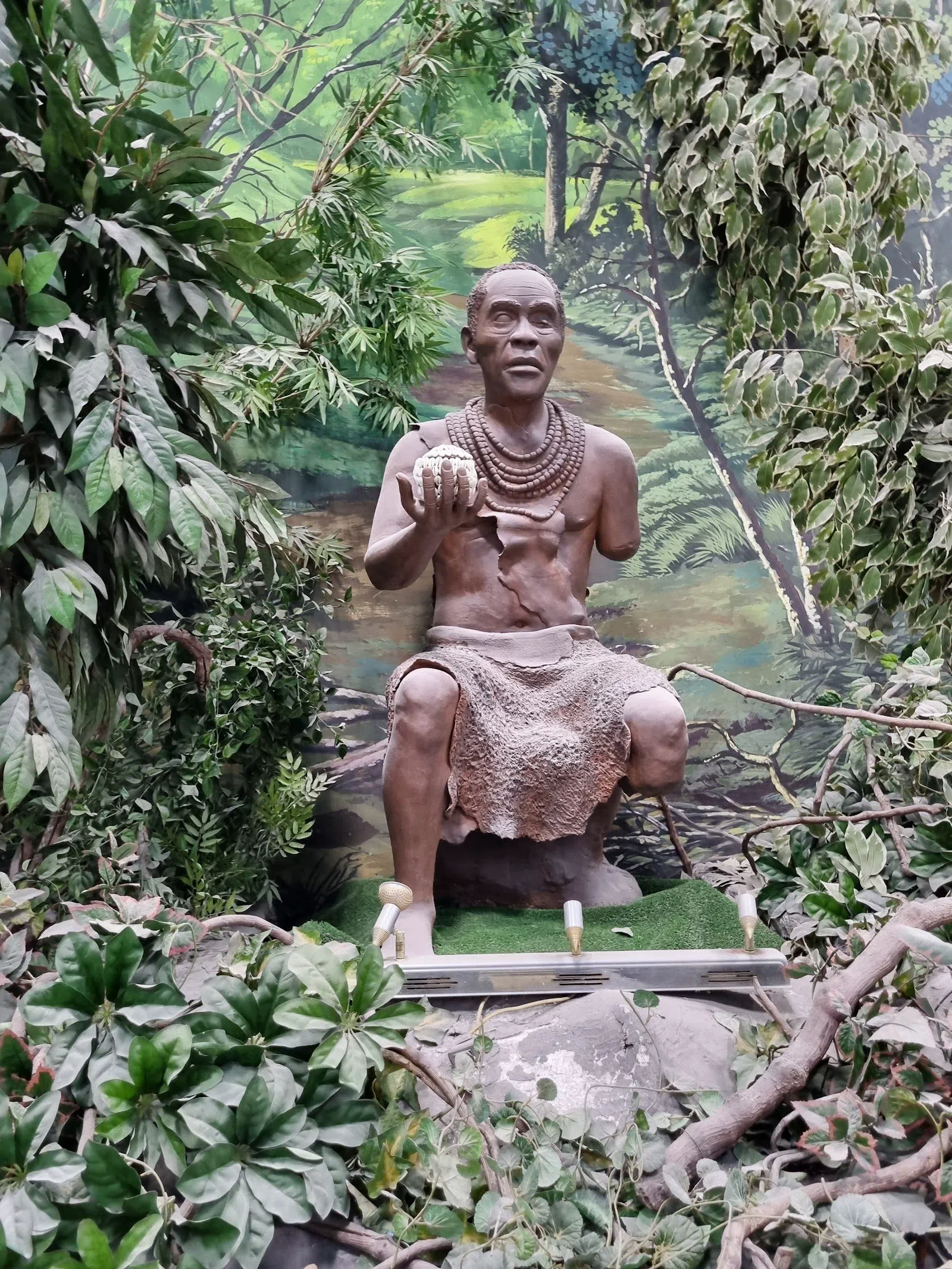
Museo Casa de Africa (Habana Vieja), a short walk from the Yoruba Association's own building, holds the collection assembled by the anthropologist Fernando Ortiz, the first scholar to study Santeria as a serious subject rather than folklore to be dismissed. Its rooms of sacred objects, drums and Yoruba-derived ritual tools give the religion's material culture a context the street-level version doesn't offer. It's free, takes groups comfortably, and runs guided tours in both Spanish and English, which makes it one of the easier stops to fold into a mixed-language group itinerary.
Museo Nacional de la Musica (Habana Vieja) rounds out the museum trio by making the case that Santeria and Cuban music are, at root, the same story. The bata drums on display here are the actual instrument family used to call the orishas in ceremony, and seeing them at rest in a case, after hearing them live in a rumba, is what makes the connection between ritual and rhythm click for a lot of visitors. Entry is inexpensive, hours are the standard museum schedule, and guides are available on request.
Across the harbour: Regla and Guanabacoa
Two stops sit across the water from Habana Vieja, and they reward being done together rather than separately.
Iglesia de Nuestra Senora de Regla, in the small port town of Regla, is the clearest public window in the city onto Catholic-orisha syncretism, the whole mechanism by which Santeria survived. To most of the people who pray here, the Virgin isn't a symbol standing in for Yemaya, mother of the sea; she simply is Yemaya, and the two identities were never separated so much as layered. The church is free and open to everyone, and the best way to arrive is the harbour ferry from Habana Vieja, a short, cheap crossing that costs a few Cuban pesos and turns the visit into a small pilgrimage in its own right rather than a taxi stop. Groups should keep their pace quiet and unhurried inside; this is an active place of worship, not a photo backdrop.
Museo Historico de Guanabacoa, in the town of Guanabacoa on the same side of the bay, is Cuba's first museum built specifically around Afro-Cuban religious ethnology, which makes it the historical anchor for everything else on this list rather than a supplementary stop. It takes groups easily and charges a low entry fee, a few dollars equivalent. Because Guanabacoa is also a town where working babalawo houses are concentrated, the museum pairs naturally with a private visit to a santero or babalawo in the same trip, covered below, rather than as two unrelated errands.
The national stage: El Gran Palenque
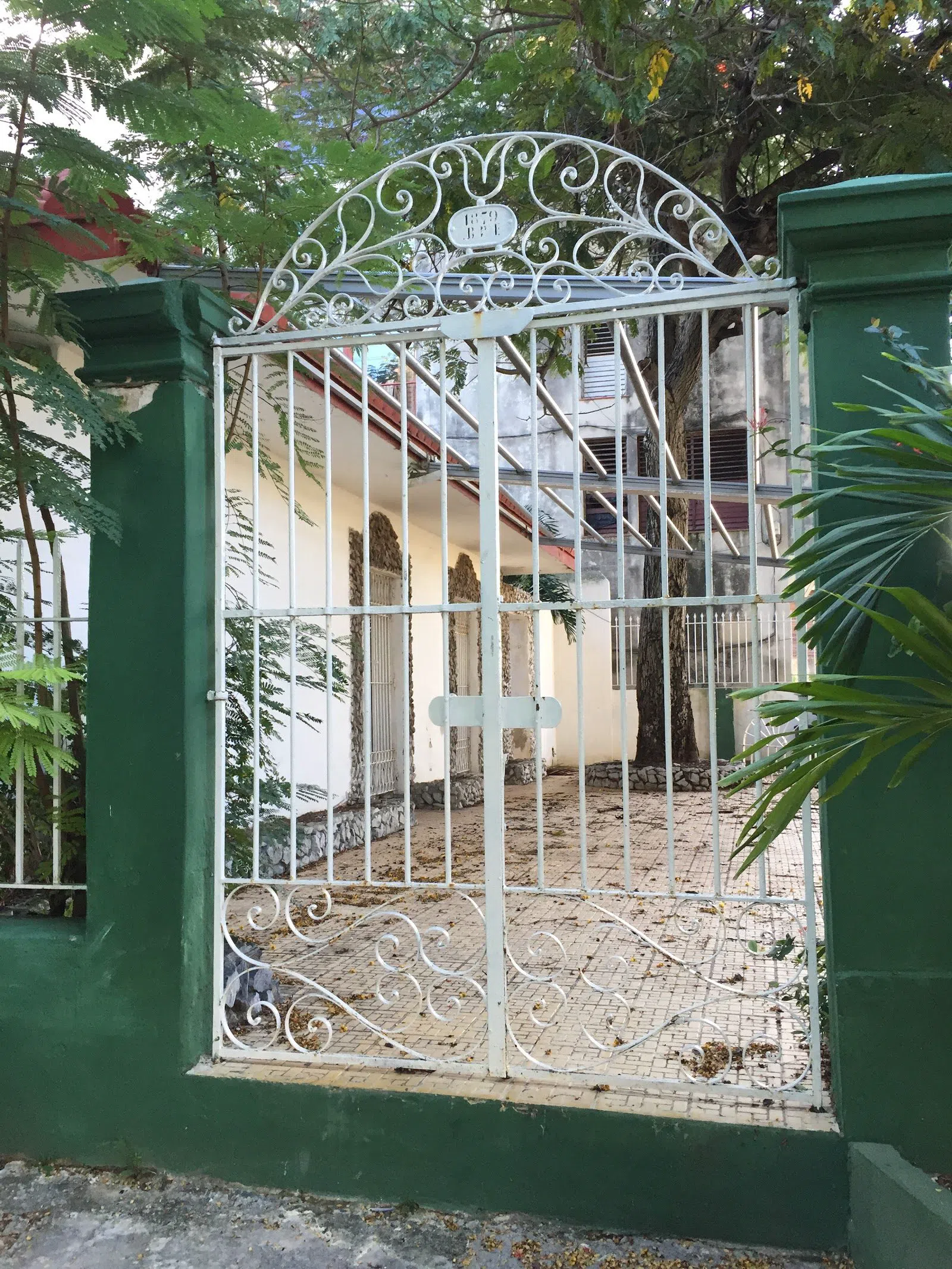
El Gran Palenque (Vedado), home to the Conjunto Folklorico Nacional de Cuba, is the most accessible large-group introduction to Santeria's music and dance, because it turns the religion's actual liturgical choreography into a scheduled matinee. The company doesn't perform a watered-down folkloric medley; the dances staged here are the same ones used to embody specific orishas in ceremony, just presented as a national touring company's repertoire rather than inside a private ritual. The Saturday afternoon slot, Sabado de la Rumba, running roughly 3 to 6pm, is the one to build a day around, and it gets busy enough that arriving early for seating matters more here than at most theatre bookings. Tickets are inexpensive, a few dollars equivalent, and this is the one venue on the list built from the ground up to handle a full tour group without straining a door policy.
Going deeper: private ceremony and guided access
For travellers who want more than a museum case or a theatre seat, three options offer a genuinely closer, smaller-scale route into the religion, and they are not interchangeable.
Beyond Roots (Centro de las Raices) is built for small groups and private bookings rather than walk-in crowds, and it matters that it is Afro-Cuban-owned and -led: the framing of Santeria here comes from lived identity, not a folklore script written for outsiders. It's particularly well suited to diaspora travellers looking for a guided experience rather than a lecture. Store items are low-cost, and guided experiences run roughly $30 to $80 per person depending on format, worth booking ahead given the small-group model.
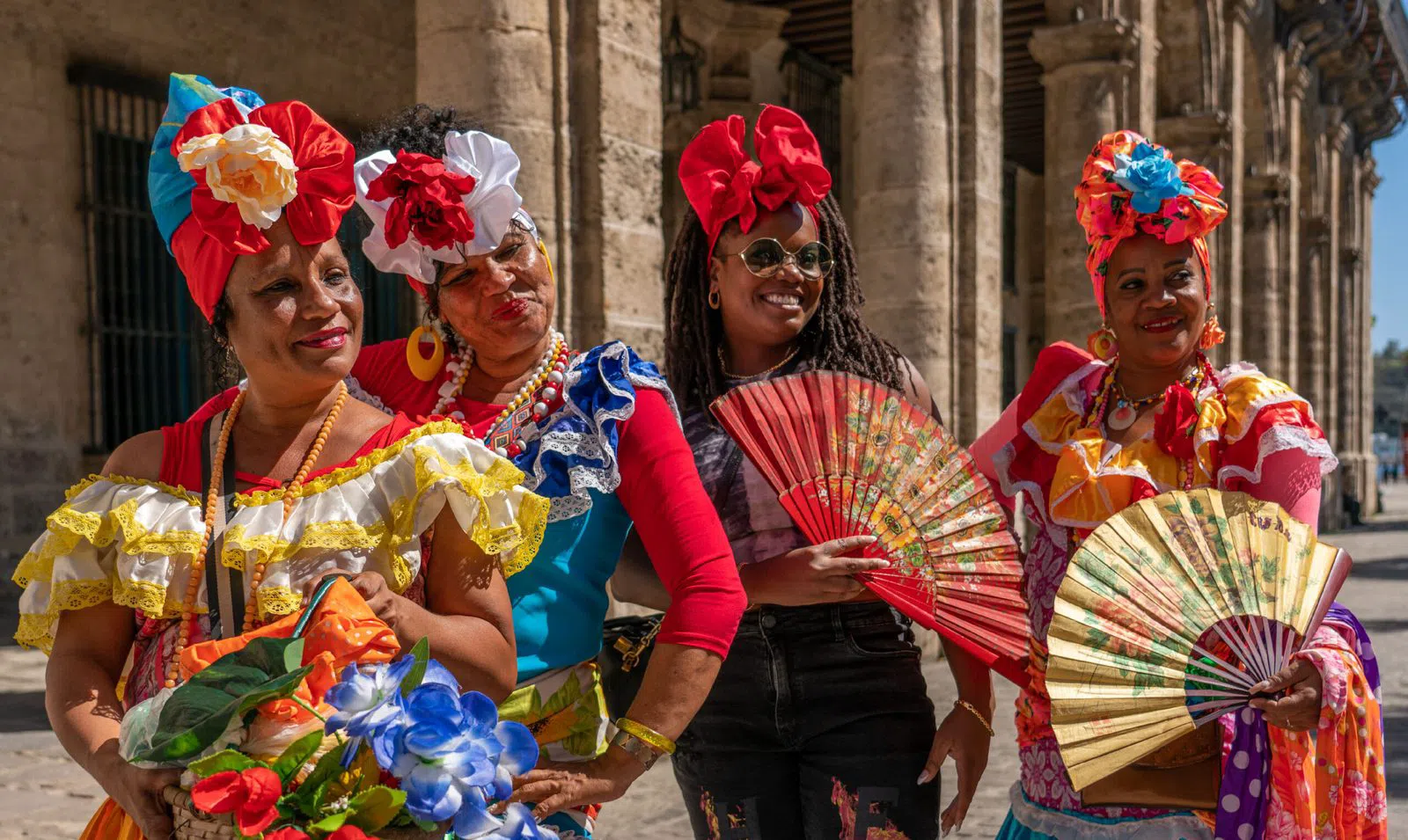
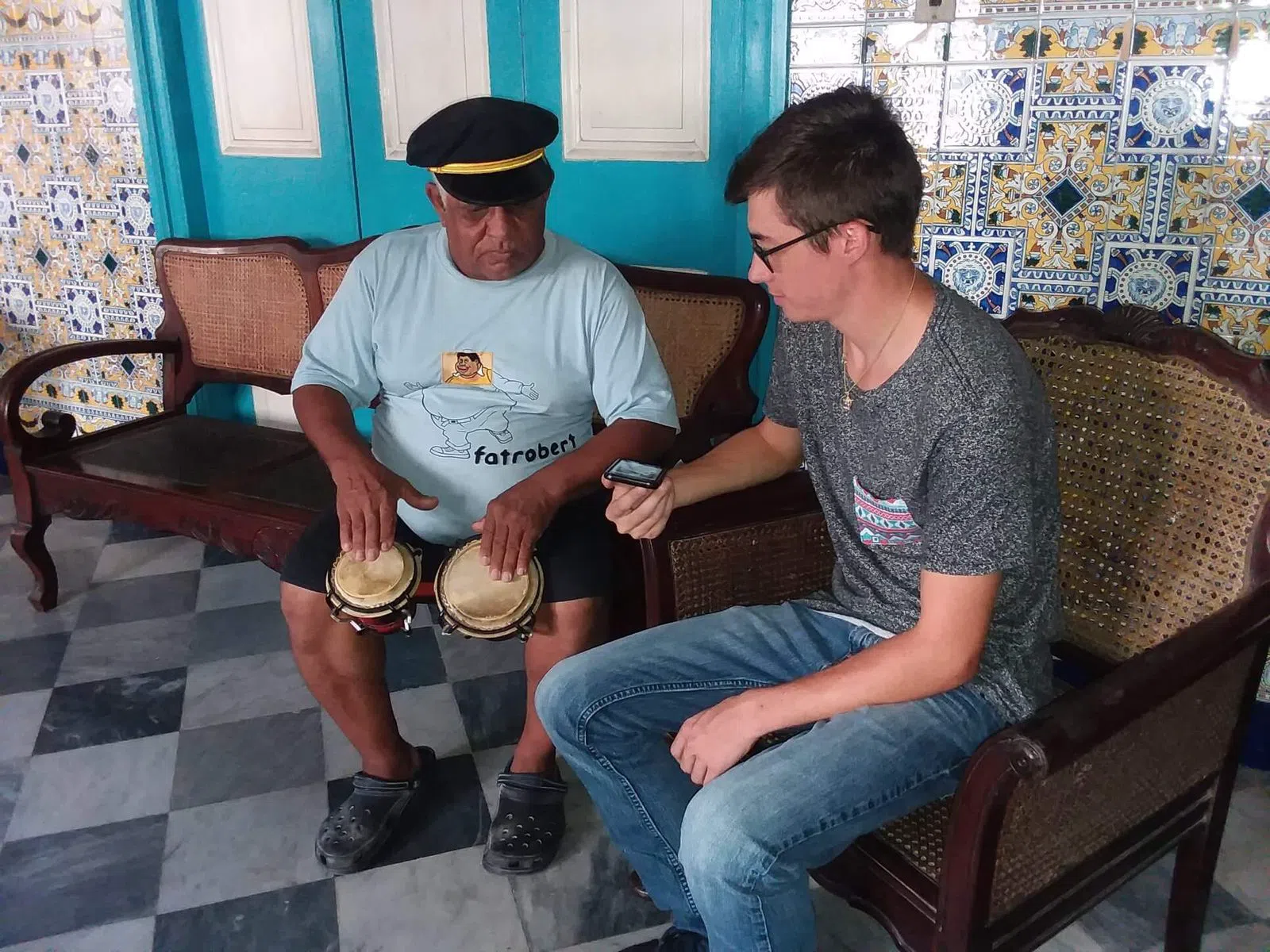
Alandis Travel's "Visit a Santero or Babalawo" experience is a different order of thing entirely: a genuine one-on-one Ifa reading with a practicing babalawo, arranged with private ground transport and a coordinator, rather than a performance staged for visitors. The actual ceremony happens entirely at the babalawo's discretion, which is the correct way to think about it, since this is a real religious consultation and should be approached with the same respect a visitor would bring to any other faith's private ritual, not treated as an exotic photo opportunity. Packages typically run $60 to $120 per person and are worth booking through the operator rather than seeking out informally.
Cuba Candela's Afro-Cuban Tour is the option for travellers who want Santeria woven into a longer, multi-day Afro-Cuban culture itinerary rather than visited as a single stand-alone stop. The operator runs both small fixed-departure group tours and private custom bookings, with pricing on request and typically running several hundred dollars for a full itinerary, which reflects the depth of access rather than a single-site entry fee.
Planning the visit
Havana's Santeria sites cluster in three zones: Habana Vieja and Centro Habana on foot, Vedado a short taxi ride away, and Regla and Guanabacoa across the harbour, reached fastest by the passenger ferry from Habana Vieja rather than the long road route around the bay. A realistic two-day plan pairs Callejon de Hamel's Sunday rumba with the Habana Vieja museum trio on one day, and the Regla ferry crossing with Guanabacoa on the other, leaving El Gran Palenque's Saturday matinee or a private babalawo consultation as a separate booked afternoon.
Bring cash. Cuba's card infrastructure is unreliable for foreign visitors, and every stop on this list, from museum entry fees to tips for the rumba drummers, runs on cash in either Cuban pesos or US dollars at the going informal rate; carry small denominations, since change is often genuinely hard to come by, and don't count on a card working at any of these venues, including the private tour operators. Budget loosely: museum entries and the Palenque matinee sit in the low single digits of dollars, the Museo de los Orishas tambor and its entry fee are similarly modest, and the real cost concentrates in the private experiences, from Beyond Roots' $30 to $80 range up to several hundred dollars for a full Cuba Candela multi-day tour. Modest dress, meaning covered shoulders and knees rather than shorts or tank tops, is expected at any working ceremony, not just the Friday tambor, and it's worth packing at least one outfit that meets that bar even if the rest of the trip runs more casual.
Timing shapes this itinerary more than most in Havana, because two of the best experiences, the Callejon de Hamel rumba and the Museo de los Orishas tambor, exist on fixed days rather than on demand: Sunday noon and Friday evening respectively. Build the trip around those two fixed points first, then slot the museums, the ferry crossing and any private booking into the days around them, rather than trying to force everything into a single rushed day. A private babalawo consultation through Alandis Travel is worth booking a few days ahead rather than on arrival, since the ceremony itself happens on the practitioner's schedule, not the tourist's.
For where to base yourself while covering this circuit, Habana Vieja puts the museum trio and the Regla ferry within walking or short-taxi distance; start with a Havana hotel search to compare options there against Vedado, which sits closer to El Gran Palenque. For the rest of the city beyond this religious circuit, the full Havana guide covers where to eat, drink and stay across every neighbourhood mentioned here.
Before you go
What is Santeria, and how did it survive the Cuban Revolution?
Santeria is the Afro-Cuban faith built when enslaved Yoruba people mapped their orishas onto Catholic saints to keep their religion alive under colonial law. It survived the Revolution the same way it survived slavery: by staying woven into daily life, music and family practice rather than existing as a separate institution the state could simply shut down. Today it's visible everywhere from Callejon de Hamel's Sunday rumba to the Friday tambor at the Museo de los Orishas.
Can tourists actually attend a Santeria ceremony in Havana?
Yes, in a few genuine forms. The Museo de los Orishas runs a real Friday 6pm tambor drum ceremony open to visitors, and Alandis Travel arranges private one-on-one consultations with a santero or babalawo. Both are working religious events, not shows staged for tourists, so they call for modest dress and real respect rather than treating them as photo opportunities.
Is the Sunday rumba at Callejon de Hamel free, and do I need to book?
It's free and unticketed, since Callejon de Hamel is an open-air alley rather than a venue with a door. The trade-off is crowding: the noon rumba draws a dense audience, so arriving at least 30 minutes early is the only way to get near the stage. Tip the performers directly, roughly $1 to $5 equivalent per person is standard.
What should I wear to visit a Santeria ceremony or museum in Havana?
Modest dress is expected at any working ceremony: no shorts or tank tops, particularly at the Museo de los Orishas' Friday tambor, where the dress code is enforced. For the museums and Callejon de Hamel's open-air rumba, ordinary respectful travel clothing is fine.
What's the difference between visiting a museum and visiting a real babalawo in Havana?
The museums, Museo de los Orishas, Museo Casa de Africa and Museo Historico de Guanabacoa, explain the religion's history, objects and symbolism from the outside. A private visit to a santero or babalawo, arranged through an operator like Alandis Travel, is an actual religious consultation, an Ifa reading conducted at the practitioner's discretion, and should be approached as a real spiritual act rather than a cultural performance.