The Havana issue
How to Cross Havana Without a Tank of Petrol
Ferries, e-trikes, shared Ladas and a bike bus through the bay tunnel: the honest mechanics of moving around a city where fuel is the scarcest thing on the street.

By Oliver NashReading Havana barrio by barrio
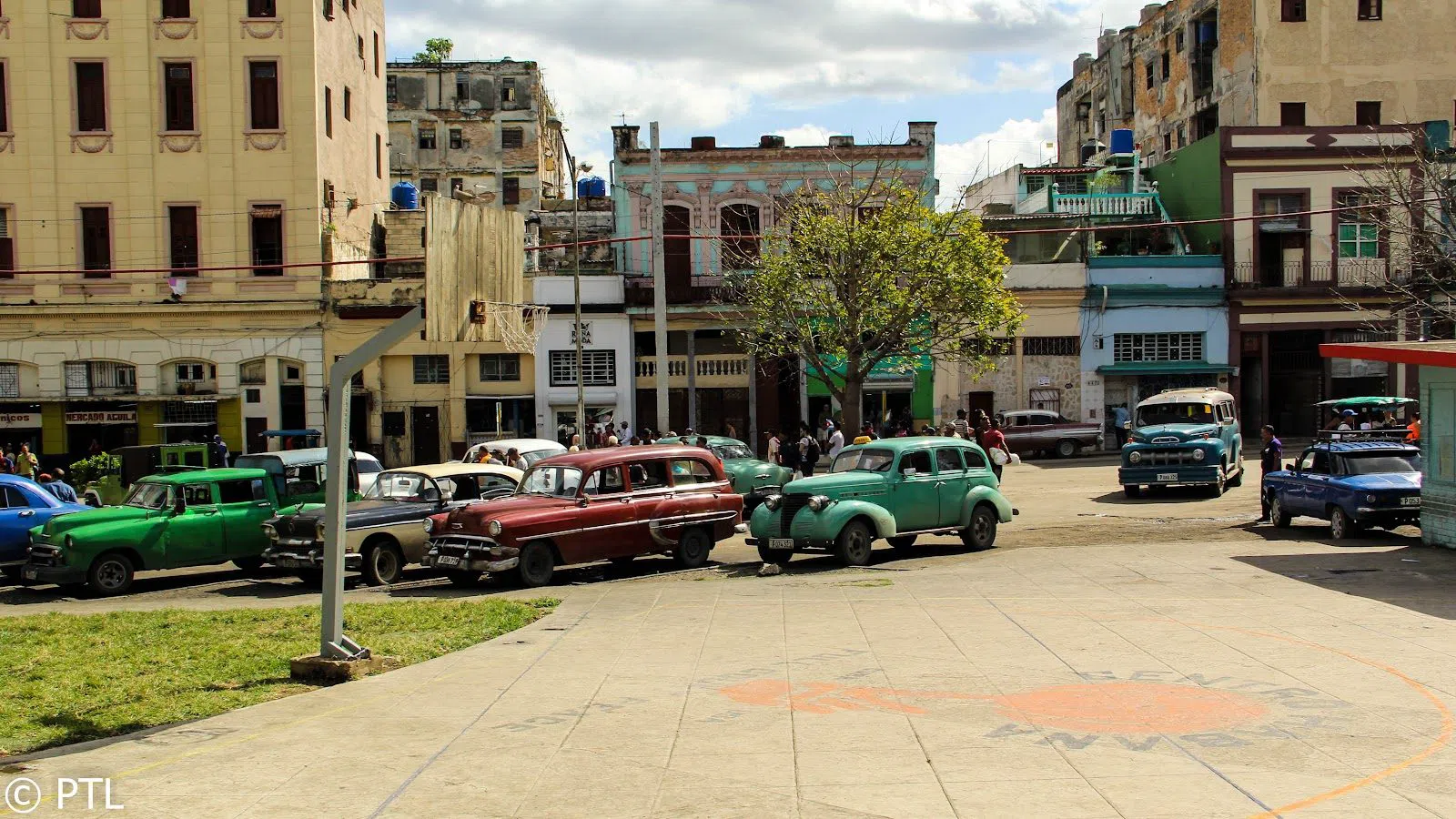
The queue on the Habana Vieja side of the Ciclobús stop is a fair summary of Havana in 2026: a couple of dozen people with bicycles, a scooter or two, waiting patiently for a bus that will carry them three kilometres in fifteen minutes because the alternative is a sixteen-kilometre ride round the bay through the port. Fuel is scarce here, and has been for years now, but the city has not stopped moving. It has simply rearranged itself around electricity, pedals, water and the shared seat.
This is a working manual for getting from where you are to where you want to be, using the vehicles that actually turn up. The city is small enough to walk in large part. Habana Vieja to Vedado along the Malecón is about an hour on foot and one of the great urban walks anywhere. But you will want wheels for the long axes, for the rain, for the afternoon heat and for the bay. Each of the options below has a different failure mode, and knowing which one is about to fail on you is the whole skill.
The water is the fastest way across the bay
Start with the crossing, because it is the piece of Havana geography that most confuses first-time visitors. The bay cuts a deep hook into the city. Regla and Casablanca sit on the far shore, a few hundred metres away as the gull flies and a very long way by road.
Lanchita de Regla / Casablanca (Muelle Luz, Habana Vieja) is the answer, and it is the cheapest sightseeing in the city by a distance. Two routes leave the restored Muelle Luz dock: Regla to the south-east, a working port town with a famous black Virgin in its church, and Casablanca directly below the Christ statue on the hill. You walk on. There are no reservations, no tickets to arrange in advance, no door policy of any kind. Locals pay a few pesos; visitors are usually asked for around US$1 each way, which nobody sensible argues about.
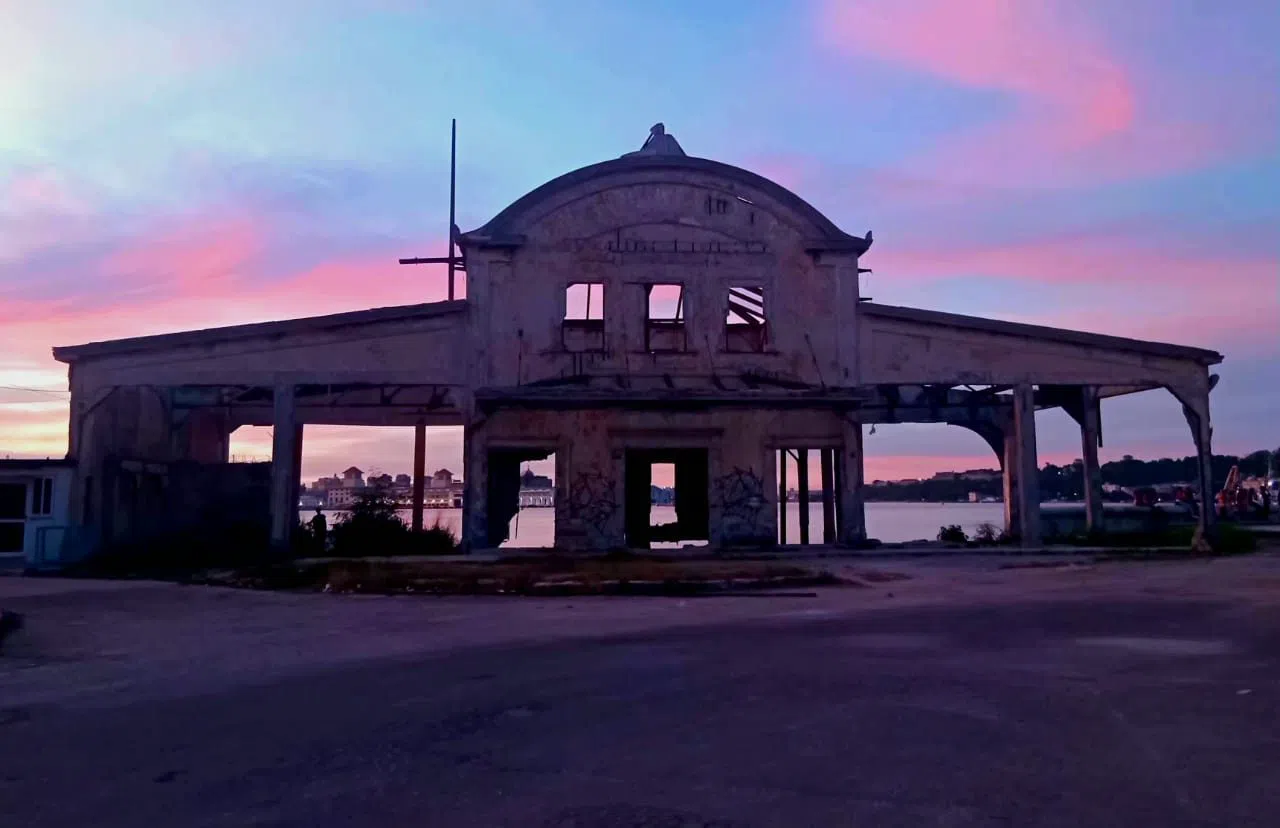
The risk is the boats. Of six ferries, typically only one is in service, running something like thirty trips a day, and service has stopped outright more than once in 2026 for fuel and for breakdowns. That is not a reason to skip it, because the five-minute crossing with the harbour opening up behind you is worth the trip on its own, but it is a reason to always have a plan B for getting back. If you are travelling with a group of more than six or eight, expect to be split across two crossings when the boat fills; agree a meeting point on the far side before you board rather than after.
For a couple, this is close to a perfect hour. For a group, treat it as a loose convoy rather than a coach trip.
Plan your Havana trip
Live prices from our booking partners.
Free cancellation on many rooms. We may earn a commission when you book.
The bike bus through the tunnel
The Ciclobús (Habana Vieja side, for the bay tunnel) exists because bicycles, scooters and motorbikes cannot legally use the underwater tunnel that carries traffic beneath the harbour mouth. So a bus takes them through: roughly sixty people per run, over two thousand a day, three kilometres in about fifteen minutes.
It was born in the 1990s Special Period, faded when fuel was easier, and is now busier than it has been in decades. There is no booking and no door policy, just first come, first served. A group with bikes boards together if there is floor space, and at peak the queue on the Habana Vieja side is genuinely long. The fare is a few pesos in CUP, effectively pennies.
If you have rented a bike and want to reach the eastern side of the bay, this is your only legal option. Do not attempt the tunnel on two wheels. Do not attempt the sixteen-kilometre detour round the port unless you have a full morning, a lot of water and a real appetite for industrial roadside.
Two wheels, no fuel required
The two vehicles in Havana entirely immune to the fuel crisis are the ones that run on human legs.
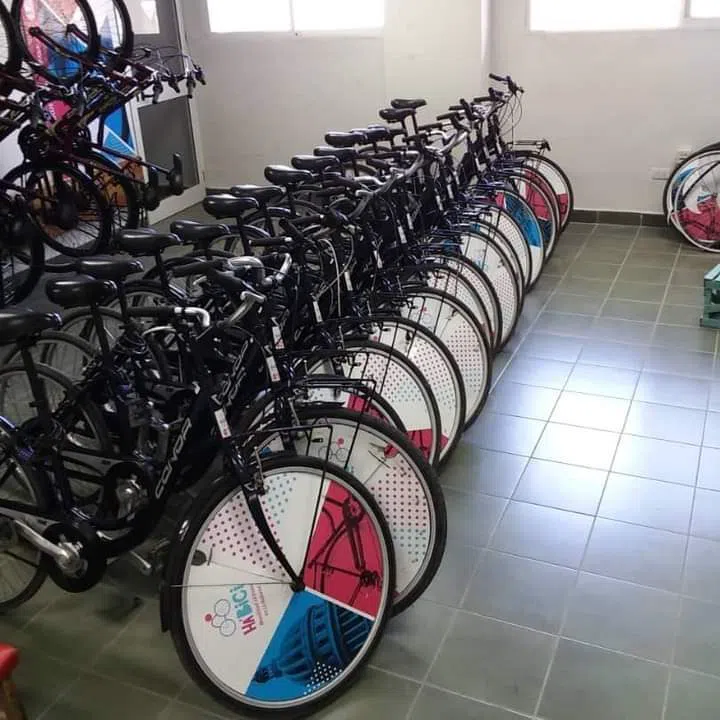
Vélo Cuba (Obrapía 360, Habana Vieja, with a second workshop on Calle 21 in Vedado) is the women-led outfit that made urban cycling here respectable. They keep a fleet of thirty-five-plus bikes across the two branches, do real repairs rather than gestures at repairs, and run guided city routes. Rental runs roughly US$13 to US$15 per bike per day. A group can be kitted out together, but give them advance notice, because thirty-five bikes across two workshops does not mean thirty-five bikes waiting for you on a Tuesday morning.
Cycling in Havana is more pleasant than it sounds. Traffic volumes are low precisely because fuel is scarce, the grid in Vedado is wide and legible, and the Malecón is flat. The hazards are potholes, the occasional unlit junction and the heat between noon and four. Remember that bikes cannot go through the bay tunnel. That is exactly what the Ciclobús is for, and the two services are best thought of as one system.
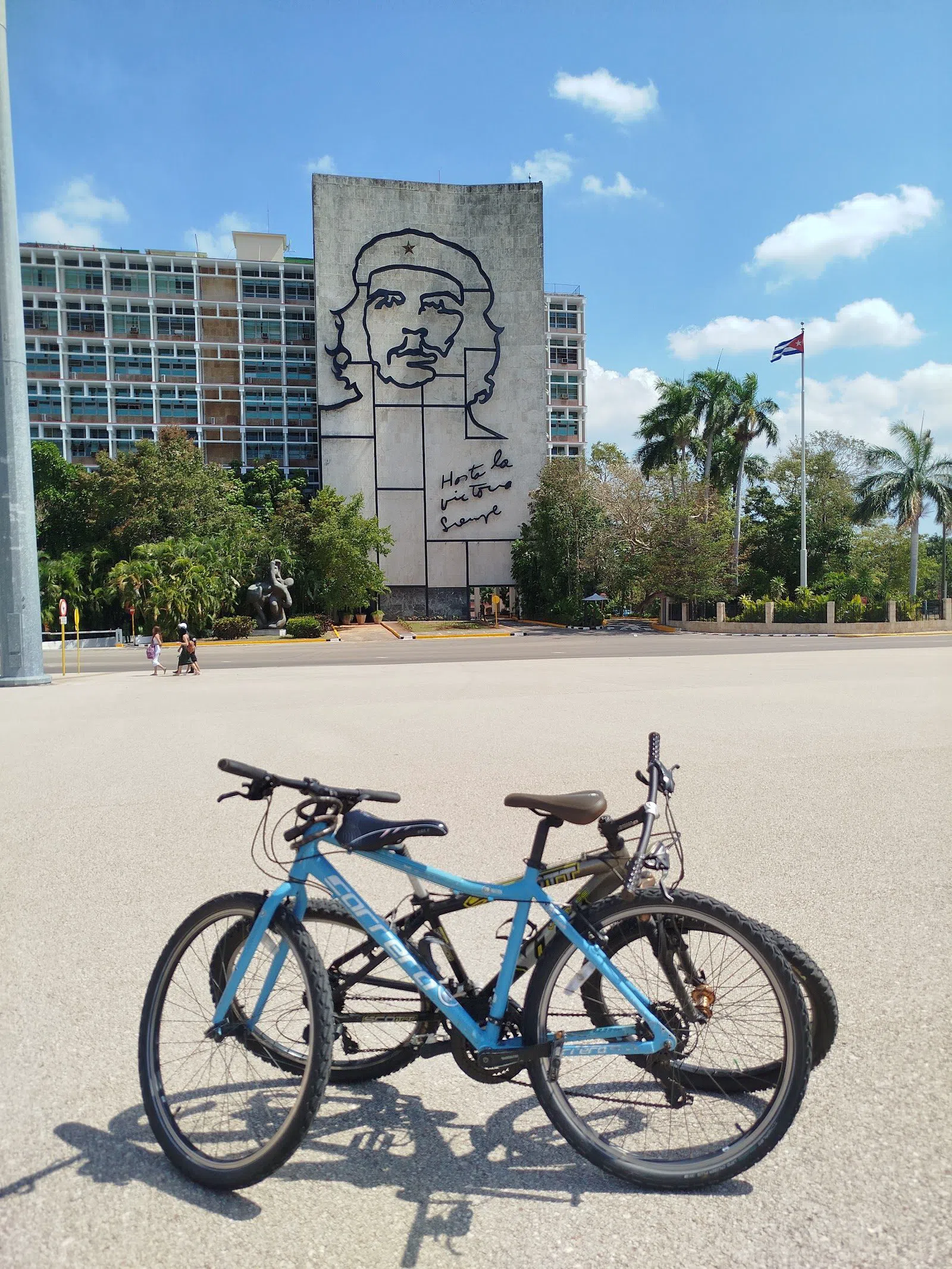
Bicitaxi (everywhere in Habana Vieja and Centro) is the pedal taxi, and it is the only vehicle that fits the narrowest streets of the old city. Two passengers per bici, so a group splits across several, and they naturally ride in a line, which is fine and rather good fun. A short transfer runs about US$1 to US$5. An hour of narrated pedalling runs US$10 to US$15, and it is a genuinely worthwhile way to have the old city explained to you at walking pace with less walking.
Agree the fare before you sit down. Quotes for visitors can be several times the local rate, and the conversation is much easier on the kerb than at the destination. This is not sharp practice so much as standard practice; a firm, friendly number stated up front settles it.
Electric, quiet, and disappearing by late afternoon
The biggest change to Havana's streets in recent years is the Triciclos eléctricos (citywide, thickest around Centro and Vedado). As petrol taxis vanished, these electric six- and eight-seaters took over. They are cheap, around a third of a comparable taxi fare, with a short crosstown hop costing a few hundred CUP, they are quiet, and for a while in the middle of the day they are absolutely everywhere.
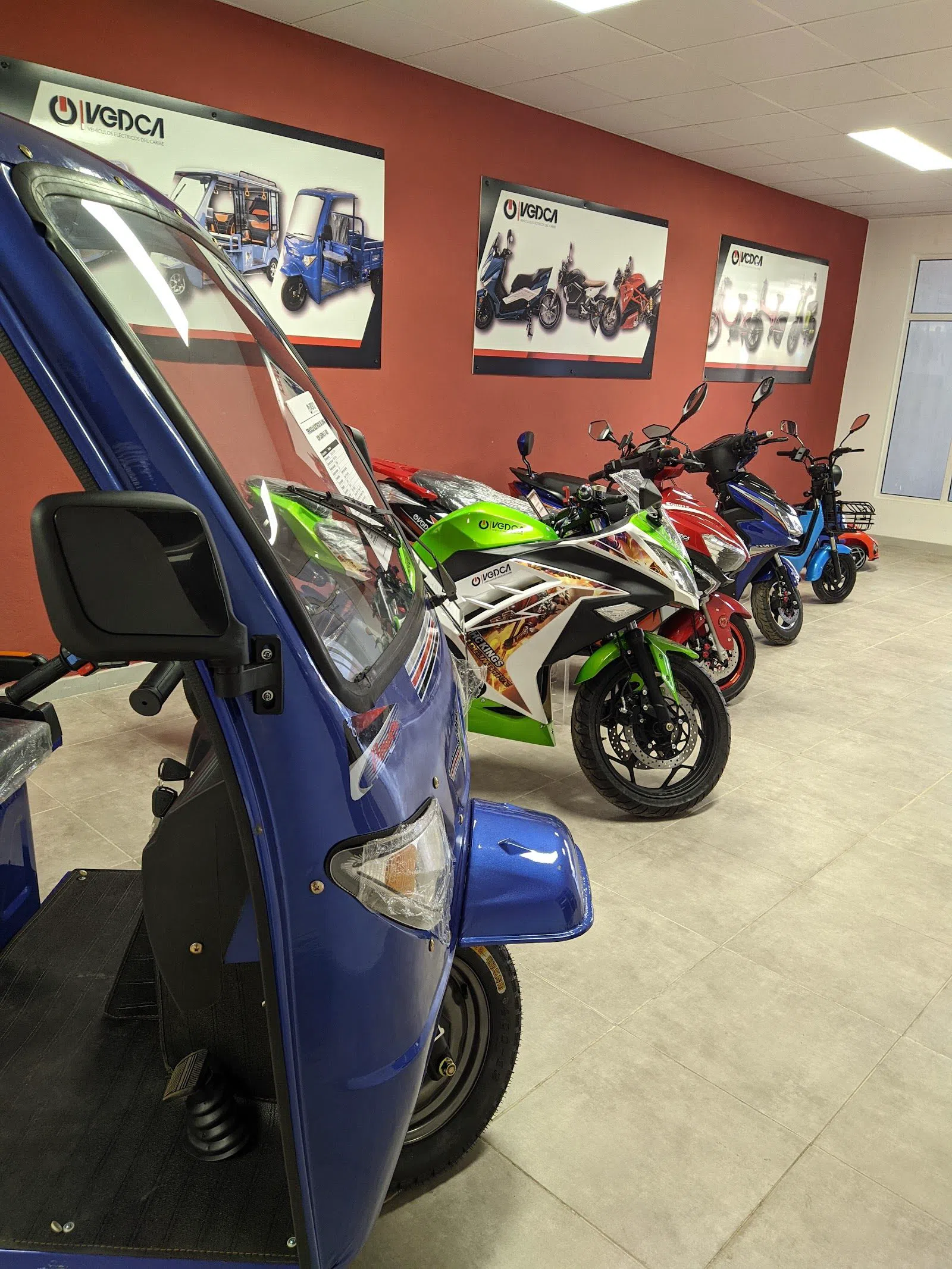
For a small group they are the single best-value vehicle in the city. A family or a party of friends fits in one, you negotiate a flat fare, and you all arrive together, which is more than can be said for most of the alternatives here. For two people they are equally fine, just less obviously a bargain.
The catch is charge. With blackouts running up to twelve hours a day, the fleet thins badly in the late afternoon. Drivers who started the day with a full battery are husbanding what is left, and the ones who cannot charge simply stop. If your plan involves being somewhere at six in the evening, do not build it on an e-trike you intend to hail at half past five. Move earlier, or hold a different option in reserve.
The shared car, and why it is not for your group
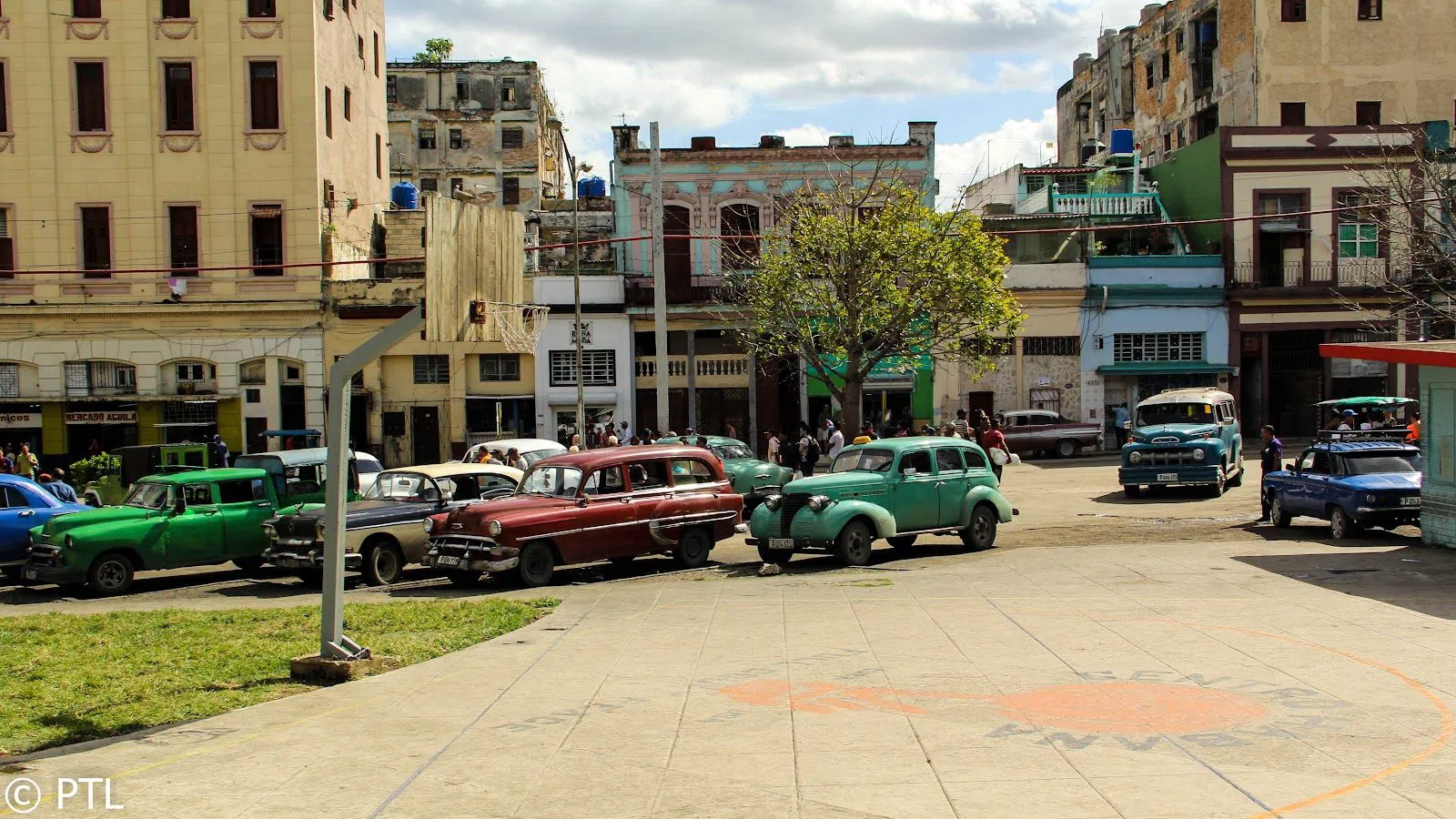
Almendrones (fixed corridors along Línea, Calle 23 and Avenida 31) are the city's real backbone: the shared fixed-route taxis, the classic American cars in working rather than photogenic condition, flagged down from the kerb with a hand signal. Fares run roughly 100 to 300 CUP a hop depending on the route and how scarce fuel is that particular week.
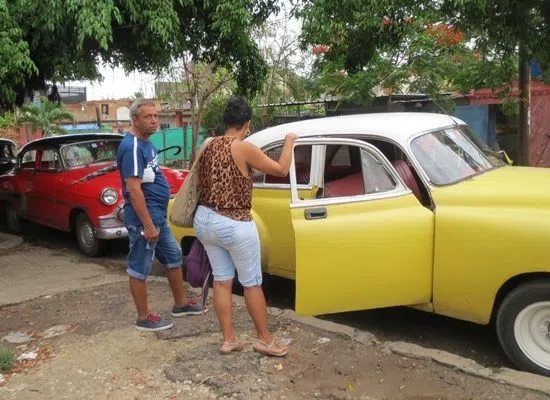
They are not taxis. They run a line, picking up and dropping anywhere along it, and they fill every seat. A group of four will not travel together unless you negotiate to hire the whole car, which is a different transaction at a different price. For a solo traveller or a couple who have worked out which corridor they need, they are cheap, fast and the most ordinary way to move through Havana that exists.
Two practical notes. Fares have climbed sharply with black-market fuel, so the number you were quoted last week is not necessarily the number today. And drivers increasingly refuse routes mid-shift, peeling off when the tank makes the far end of the line uneconomic. Confirm the destination through the window before you open the door. A one-word question and a nod costs nothing; getting in first and asking later costs you a walk back.
Buses and private cars for the set-piece days
Not every journey should be an improvisation. Two options here have fixed prices and fixed behaviour, which on a tight schedule is worth paying for.
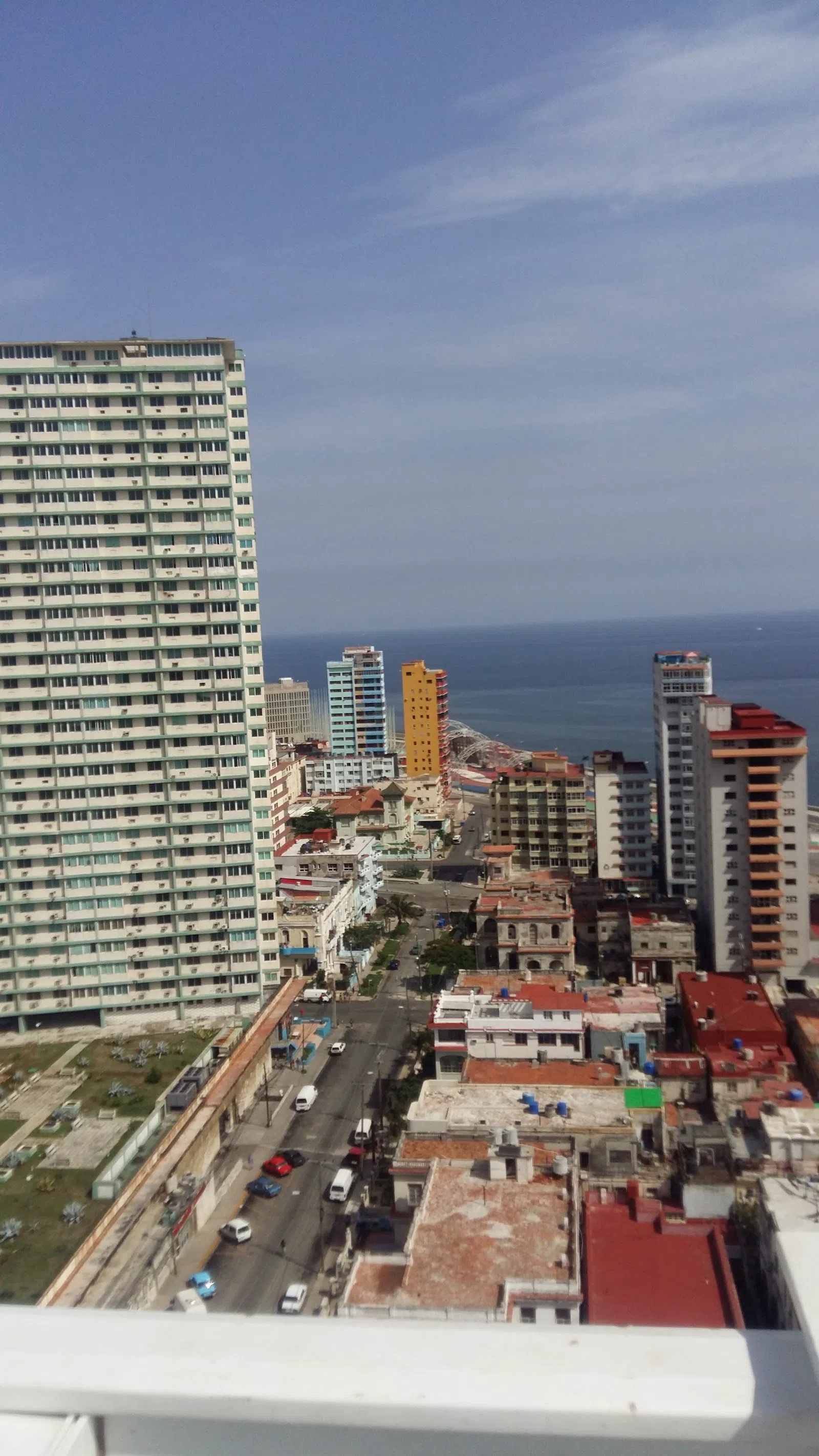
Habana Bus Tour (departures from Parque Central, Habana Vieja) is the Transtur hop-on hop-off, and it is unusually useful in a city where the alternatives are unpredictable. The T1 loop covers Habana Vieja, Vedado and Miramar; the T3 runs east to the Playas del Este. Buses leave roughly every thirty minutes from nine in the morning to early evening, an all-day ticket is about US$10, and there is no reservation, so you board together. The upper deck seats a couple of dozen and nobody is turned away while there is space aboard, which makes it the easiest option in the city for a group of six or more.
Two warnings. Payment is usually by non-US card rather than cash, so do not arrive at Parque Central with only pesos in your pocket. And the on-board commentary is comprehensively drowned out by street noise, so treat this as transport with a view rather than a guided tour, and read up separately.
NostalgiCar (private, booked by email) is the other end of the market and the one classic-car operation whose cars are genuinely restored rather than merely repainted. Julio and Nidialys run it as a licensed private business. Private tours go from roughly US$40 to US$60 an hour; transfers are quoted per journey. The pick is the three-and-a-half-hour tour that includes their own garage, which is where the restoration actually happens and which turns a car ride into something you learn from.
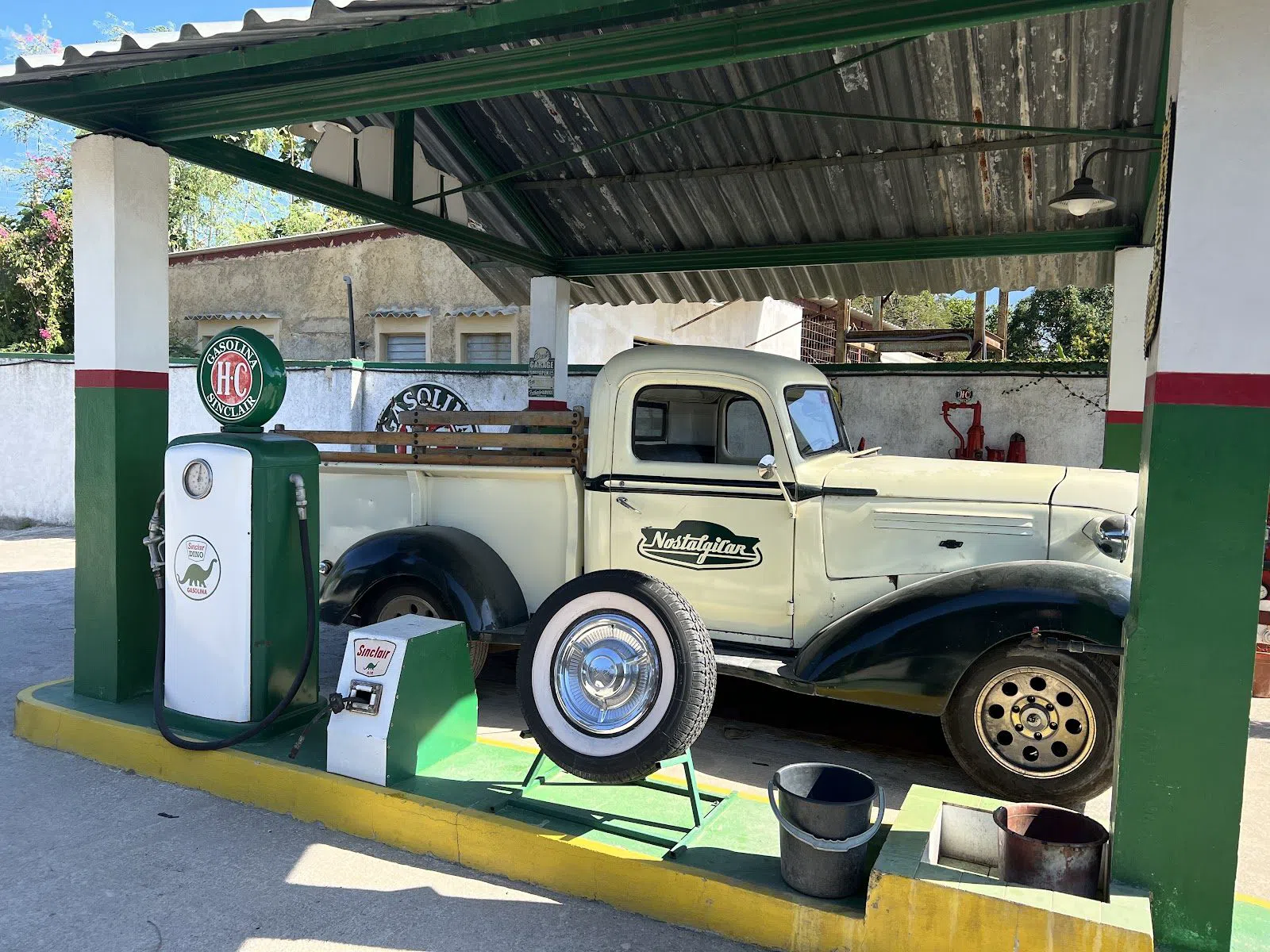
This is a booking, not a rank. You cannot walk up to it. Email ahead, and if you are a group, ask for multiple cars: they can be arranged, and the garage visit works well for a party. If you have been eyeing the convertibles idling around Parque Central, understand that you are choosing between a photograph and a mechanically sound car with people who know its history.
Landing, and the first hour
Cubataxi airport desk (José Martí Terminal 3) is the one arrival option with a fixed published price and no roadside haggling. You pay at the counter, around €25 to €35 to Habana Vieja or Vedado, in EUR, CAD or USD, then take the voucher and hand it to the driver. Standard cars take four with luggage; the desk will assign several cars to a larger group, and minivans are sometimes available on request.
Do the boring things at the airport before you get in the car. This is the moment to get cash and a SIM, because nothing else you plan to use in the city will work without them. Every option in this article except the Habana Bus Tour is a cash transaction, most of them in Cuban pesos, and the ferry, the Ciclobús and the almendrones will not wait while you find an ATM. Arriving in Habana Vieja at night with a card and no data is the single most common way a first day goes wrong.
Book your bed before you land too. Havana hotel search covers the hotel side, and the wider Havana guide has the rest of the city. Where you sleep determines your transport problem: Habana Vieja means walking and bicitaxis, Vedado means almendrones along Línea and Calle 23, and Miramar means committing to the e-trikes or the bus loop.
The practical part
Cash first. Carry Cuban pesos in small denominations and keep a modest float of US dollars or euros for the things quoted in hard currency, and get both at the airport. Card acceptance is thin and unreliable outside fixed-price operations like the bus tour, so assume cash unless told otherwise, and note that US-issued cards do not work.
Move in the morning if the journey matters. E-trike availability peaks around midday and collapses through the late afternoon as batteries run down and the blackouts bite. The ferry runs about thirty trips a day on one boat, so the midday crossings fill. The Habana Bus Tour runs nine to early evening, and its last loop is earlier than you think; missing it in Miramar is a long walk.
A day of moving around Havana costs very little if you use what locals use. Reckon on a few hundred CUP for a couple of e-trike hops, 100 to 300 CUP per almendrón leg, pennies for the Ciclobús, about US$1 each way on the ferry and US$1 to US$5 for a bicitaxi transfer. The two considered splurges are the US$10 bus day ticket and the NostalgiCar tour at US$40 to US$60 an hour. A bike from Vélo Cuba at US$13 to US$15 a day is the best-value single purchase in this article if you are comfortable riding in traffic.
Redundancy is the rule that matters most. Every mode here has a specific way of letting you down: the ferry breaks or runs out of fuel, the e-trikes lose charge, the almendrón driver abandons the route, the Ciclobús queue is forty minutes long. None of that is a crisis in a city this size. It is a nuisance, and it resolves, but only if you leave slack in the day and never build a fixed appointment on a single vehicle. Two options for every journey, and Havana stays entirely manageable.
Before you go
Is Havana still easy to get around with the fuel shortages?
Yes, but you have to use what locals use rather than expecting a taxi on demand. Electric triciclos, shared almendrones on the fixed corridors, bicitaxis in the old city and the ferry across the bay all run daily. Carry a second option for every journey, because each mode fails in its own way: the ferry breaks down, the e-trikes run out of charge in the late afternoon, and almendrón drivers sometimes abandon a route mid-shift.
How do I cross Havana bay to Regla or Casablanca?
Take the lanchita from the restored Muelle Luz dock in Habana Vieja. You walk on with no reservation: locals pay a few pesos, visitors are usually asked around US$1 each way. Of six ferries only one is typically in service, running about thirty trips a day, and service has halted outright more than once in 2026 for fuel and breakdowns. Keep a plan B for the return leg.
Can I take a bicycle through the Havana bay tunnel?
Not by riding it: bikes, scooters and motorbikes cannot legally use the underwater tunnel. That is what the Ciclobús is for. It carries around sixty people and their bikes three kilometres in about fifteen minutes for a few pesos, against a sixteen-kilometre detour round the bay through the port. There is no booking, it is first come first served, and the queue on the Habana Vieja side gets long at peak.
What should I pay for a bicitaxi in Habana Vieja?
Roughly US$1 to US$5 for a short transfer, or US$10 to US$15 for an hour of narrated pedalling. Agree the fare before you sit down, because quotes for visitors can be several times the local rate and the conversation is far easier on the kerb than at the destination. Each bici takes two passengers, so a group splits across several and rides in a line.
What is the best way to get from José Martí airport into Havana?
The Cubataxi desk at Terminal 3, the only arrival option with a fixed published price and no roadside haggling. Expect around €25 to €35 for Habana Vieja or Vedado, paid at the counter in EUR, CAD or USD, with a voucher you hand to the driver. Standard cars take four with luggage and larger groups get multiple cars. Get cash and a SIM before you leave the terminal; almost nothing else in the city works without them.