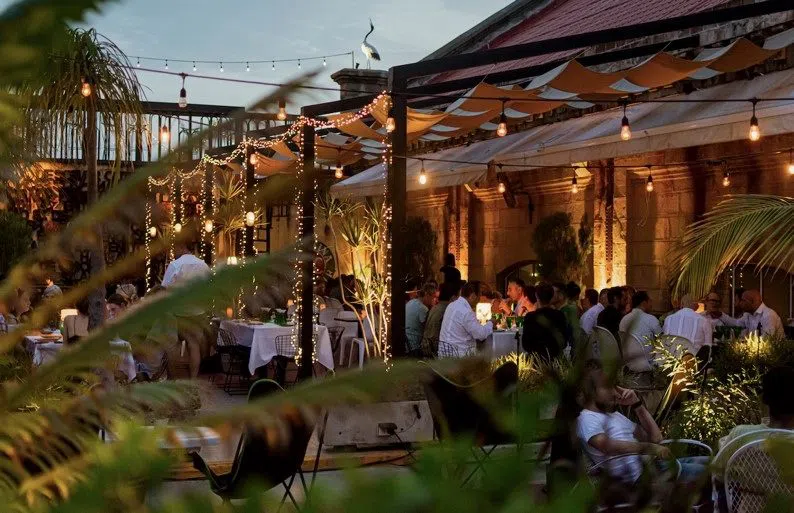
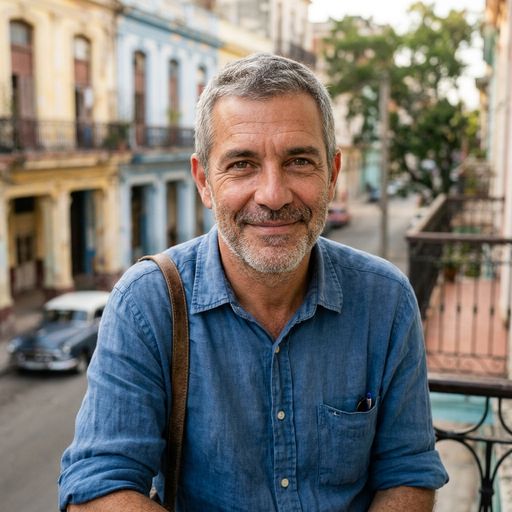
The sea wall on the Malecón fills at dusk whether or not the lights behind it are working, and on the nights the grid gives out you can watch Vedado go dark in blocks while the domino games carry on under phone torches. Havana does not cancel itself when the power drops. It improvises, loudly, and expects you to do the same. The trips that come apart here are the ones built like a spreadsheet, with a single restaurant, a single taxi and a single evening that has to happen.
Build the trip in layers
The blackouts are not random, whatever they feel like from a dark stairwell. The grid sheds load by circuit, so a street in Centro Habana can be out for six hours while a block in Vedado three kilometres away never flickers, and the pattern shifts from week to week rather than following a timetable you can plan around. What you can plan around is which addresses sit on a protected circuit or own a serious generator (the big state hotels, a handful of state restaurants, the internationally managed towers) and which ones are simply running on whatever their neighbourhood is running on.
So book no more than two fixed things a day, and make sure each has an unfixed alternative within a ten-minute walk. Keep the fixed things early, because the later the hour, the more likely something has quietly changed. Treat a short menu as information rather than insult: a private kitchen telling you it is doing three dishes tonight is being honest about its supply, which is more than a lot of smarter-looking places manage. The same logic applies to fuel. Petrol shortages hit ordinary street taxis hardest in the middle of the day and after dark, which is exactly when a stranded visitor most wants one.
The first hour after you land
Do the phone before the taxi. The Cubacel Tur SIM counter sits beside baggage claim in Terminal 3 at José Martí airport, open around the clock, and it is the single most useful stop on arrival. ETECSA issues no eSIM profiles at all, so a physical SIM, collected here or pre-ordered for pickup, is the only way to get a local connection, and a local connection is what turns a blackout from a crisis into an inconvenience. Packages run from roughly 14 USD for 4GB over seven days to about 35 USD for 10GB over thirty. Those prices have moved more than once recently, so confirm the figure at the counter rather than budgeting from anything you read in advance. One passport per SIM, which means a group of four queues as four people, not one.
Money is the other arrival job, and it has to be done before you leave home. Bring cash, euros or US dollars in clean, undamaged notes, and bring more than you think. Card payment is unreliable across the board and cards issued by US banks do not work in Cuba at all. ATMs are not something to build a week around.
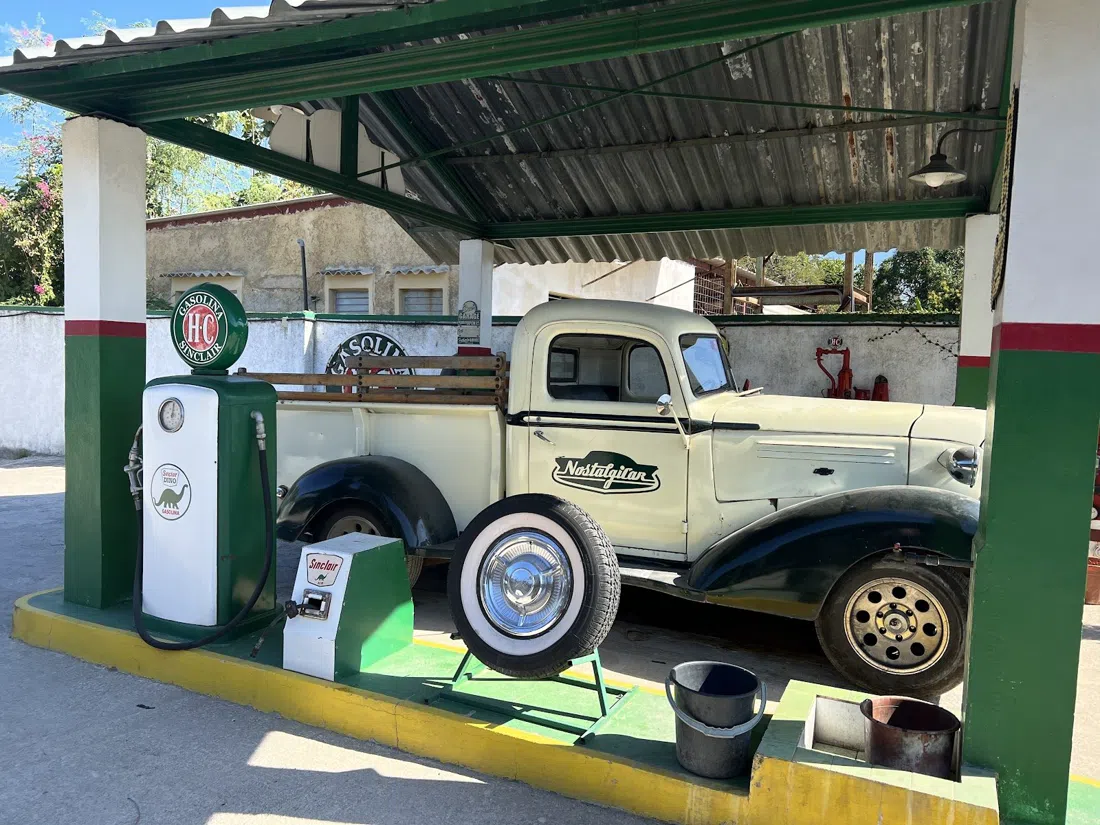
For the ride into town, NostalgiCar (airport transfers and city pickups) is the licensed family operation run by Julio Alvarez and Nidialys Acosta, with its own maintained fleet of restored American cars and its own fuel planning. That last part is the reason to book it rather than flag something down. City tours run roughly 40-80 USD per car per hour-block and day trips cost more, which is not cheap, but the alternative on a bad fuel week is standing on a corner in the heat negotiating with a driver who may not have enough in the tank to finish the job. They run multi-car convoys for groups and will do full-day countryside runs, both of which need booking ahead.
A bed that keeps its lights on
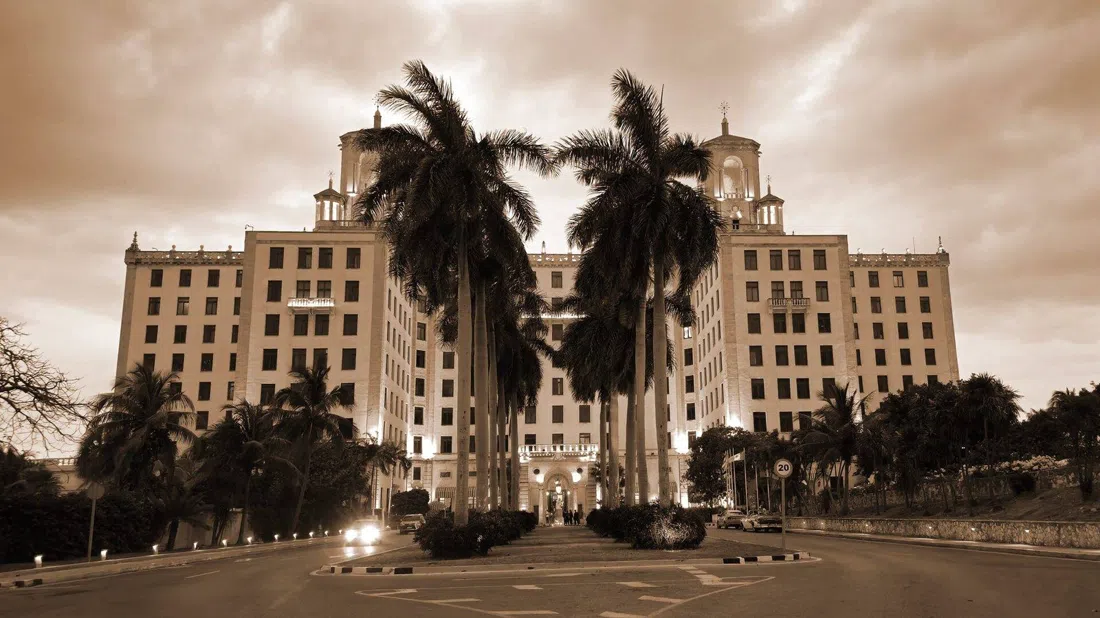
Where you sleep matters more in Havana than in most cities, because it determines whether you have air conditioning, a working lift and running water on the nights the neighbourhood does not. Hotel Nacional de Cuba (Vedado, on the bluff above the Malecón) has industrial-scale backup generators and a priority circuit, and it keeps functioning through outages that stop the streets below it. Rooms run roughly 150-300 USD. Even if you stay elsewhere, the garden terrace is open to non-residents and the drinks cost a fraction of the rooms, so it works as a fallback evening when your plans fall over.
Gran Hotel Manzana Kempinski La Habana (Old Havana, facing Parque Central) is the most dependable power, water and connectivity in the old city, and its rooftop has the best view of the Capitolio dome anywhere. Rooms sit around 250-450 USD. The rooftop bar and pool terrace admit non-residents for a fee, which makes it a usable afternoon for people staying somewhere cheaper.
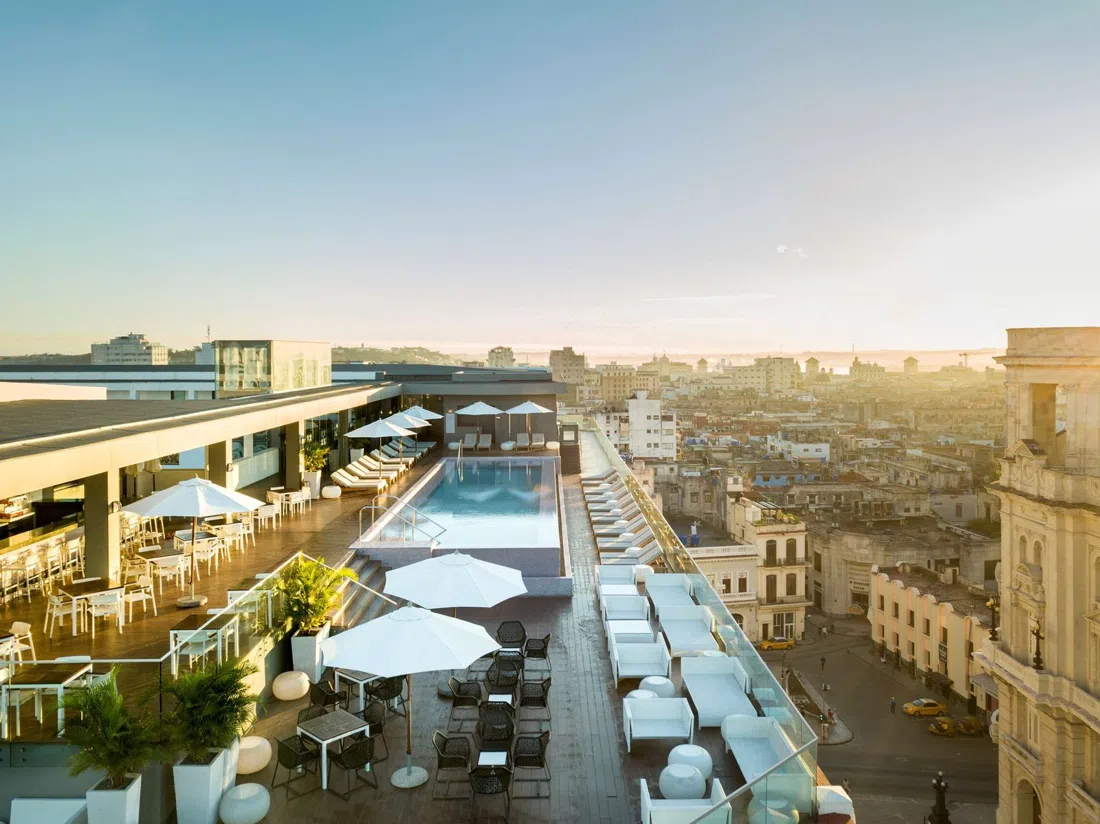
Both carry a specific caveat for US travellers. The Nacional is state-run and the Kempinski is Gaviota-managed, so anyone travelling on US rules should check the current US Cuba Restricted List before booking a room or paying a rooftop entry fee. That list changes, and it is the traveller's responsibility, not the hotel's. Everyone else can book normally. If you want the other end of the market, a casa particular puts you in a family's home at a fraction of the price, though you inherit the neighbourhood's power situation along with the breakfast. Compare what is actually available for your dates through Havana hotel search before fixing anything else in the itinerary.
Dinner in Old Havana within five streets
The old city is small enough that you can hold three dinner options in your head at once and walk between them in the time it takes to decide. Start with the one that needs the most notice. La Guarida (Centro Habana, up a ruined marble staircase on Concordia) is Cuba's best-known private restaurant, the staircase is the one from Fresa y Chocolate, and it is one of the few kitchens that reliably delivers a full menu when supply across the city is tight. Mains run roughly 20-35 USD. It is not a walk-in, ever. Book weeks ahead, and understand that their internet is intermittent, so allow days for a reply rather than assuming silence means no. The rooms are small; a party above six or eight should reserve a room explicitly rather than hoping the tables can be pushed together.

For a plainer, better-value evening, Doña Eutimia (Old Havana, in the alley beside the cathedral) does ropa vieja and tostones properly, holds its standard when smarter places thin their menus, and charges 8-14 USD for a main. Open daily from noon to ten. The doorway is easy to walk past, so look for it rather than expecting it to announce itself. There is a private room and rooms can be reserved, but call ahead for six or more.
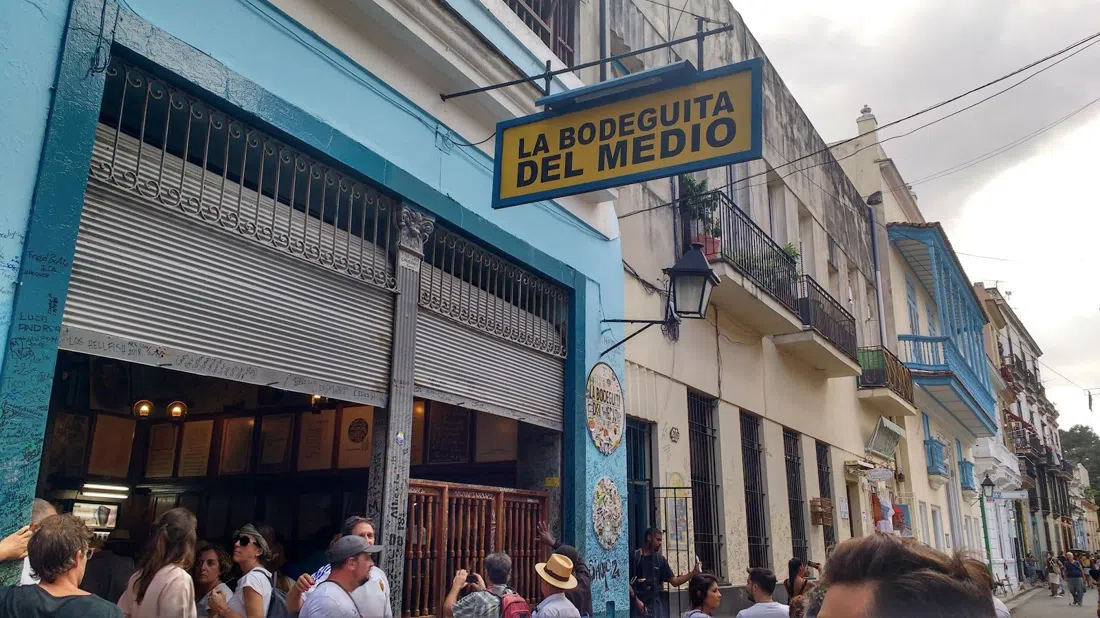
El del Frente (Old Havana, on O'Reilly) is the best-value rooftop in the old city and the easiest of the three to get into, open daily from noon to midnight with small plates at roughly 8-14 USD. It shares the Imperatori family with O'Reilly 304 directly across the street, so treat the two as one address and take whichever has a table. The roof will take a group but nobody will guarantee it, so arrive early in the evening or call first.
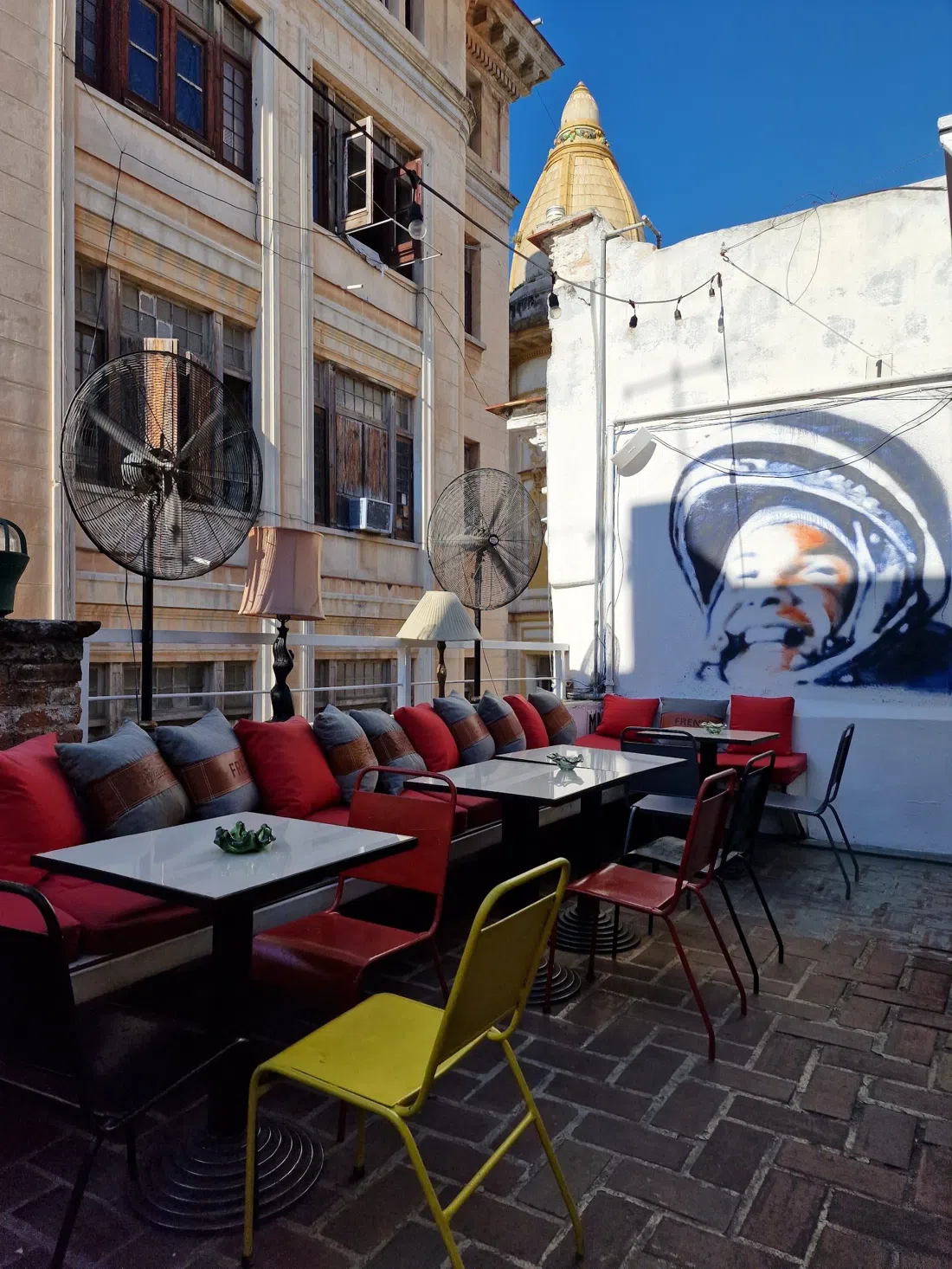
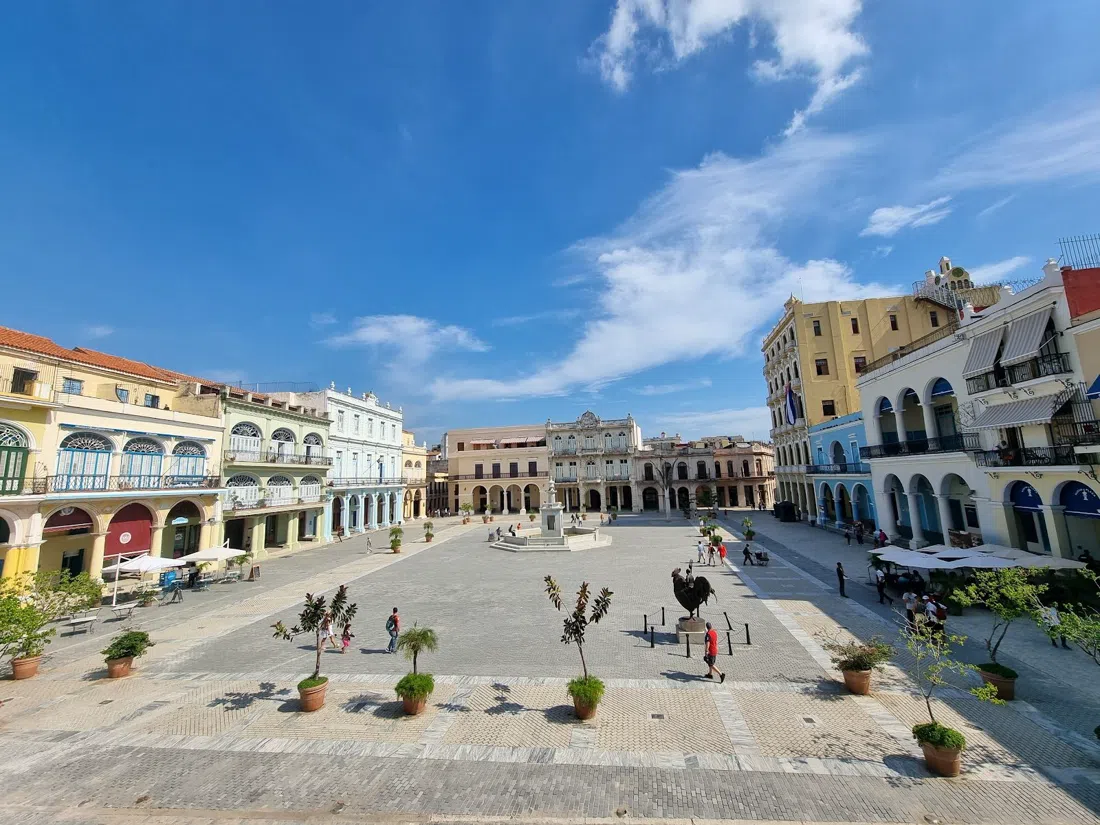
When a booking collapses, the kitchen dark, the phone dead, nobody answering the door, Factoría Plaza Vieja (Old Havana, on the square itself) is the room that cannot turn you away. It brews its own Clara, Oscura and Negra on site, serves food all day, has long tables and no door policy, and the six-pint tower exists specifically so a group of strangers can share one. It is touristy and entirely unapologetic about it. That is the point of a fallback.
Vedado after dark
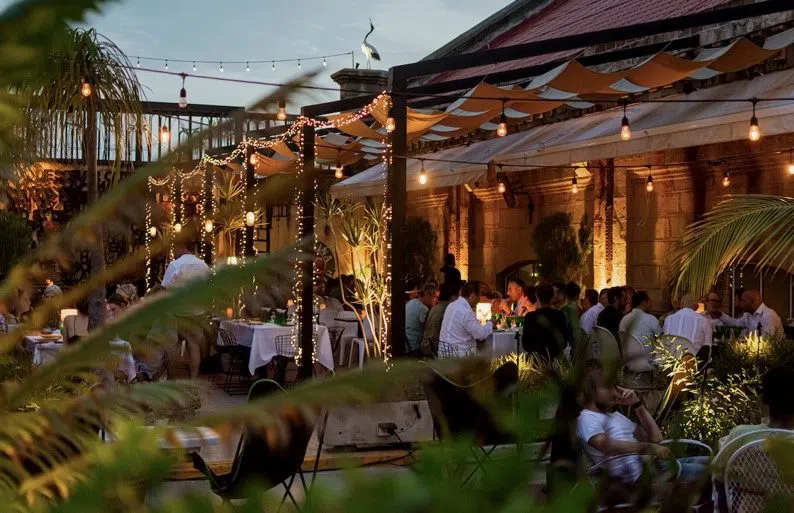
Vedado is a different city after sunset, wider and quieter, and worth at least two evenings. El Cocinero (Vedado, on Calle 26 under an old factory chimney) is the most reliably good roof terrace in the district, with mains around 12-25 USD and the most group-friendly outdoor space in Havana, so reserve for anything over four. Come for the restaurant rather than the building next door; its famous neighbour Fábrica de Arte Cubano is not currently running regular nights, and a lot of people still turn up expecting it to be.
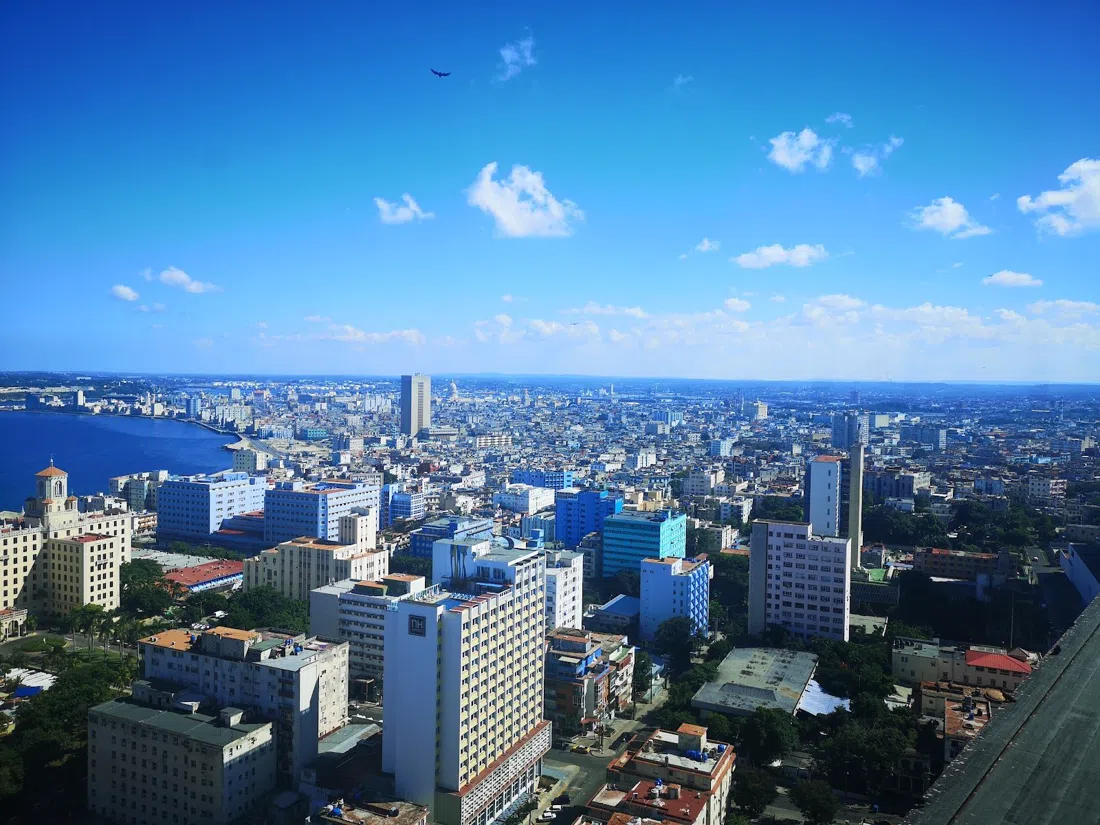
La Torre (Vedado, at the top of the Focsa building) has the highest view in the city and the useful distinction of being state-run, which puts it on a priority circuit when private places go dark. It splits neatly in two. The restaurant is reservation-only and handles groups. The bar is walk-in, with mojitos around 500 CUP, which makes it the single best unplanned evening in Havana when something else has fallen through and you want a window seat over the whole coastline. Closed Mondays, so check that before you climb.
Days the weather and the grid cannot cancel
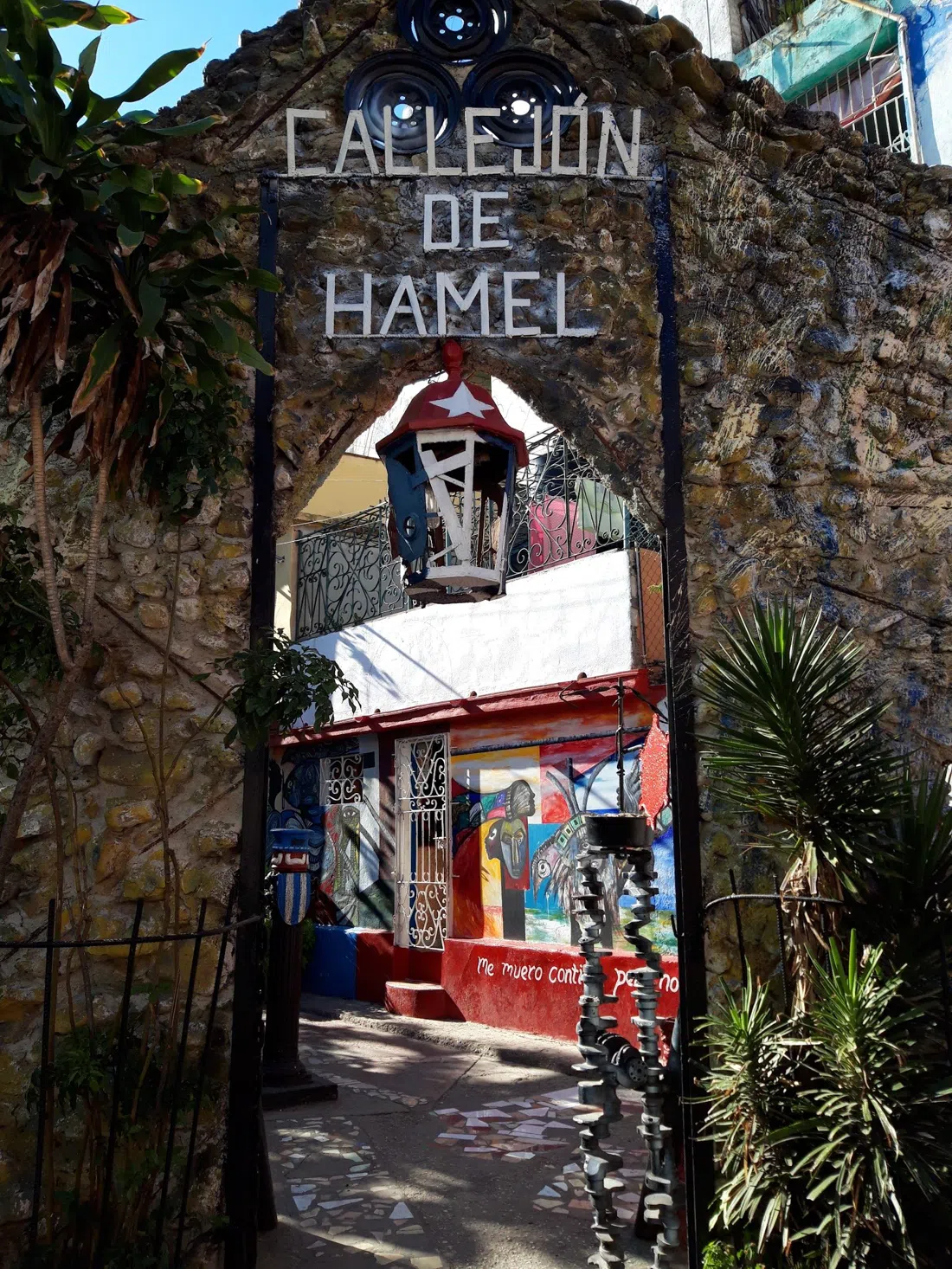
Build the daylight hours around things that do not depend on a kitchen, a generator or a reservation. Callejón de Hamel (Cayo Hueso, Centro Habana) is a short painted alley where rumba starts around noon every Sunday, and it is the one reliably scheduled piece of live Afro-Cuban culture in the week. It is free, open-air and has no door policy at all, so any size of group works. It fills completely, though, so arrive early for space and keep a hand on your bag once it does.
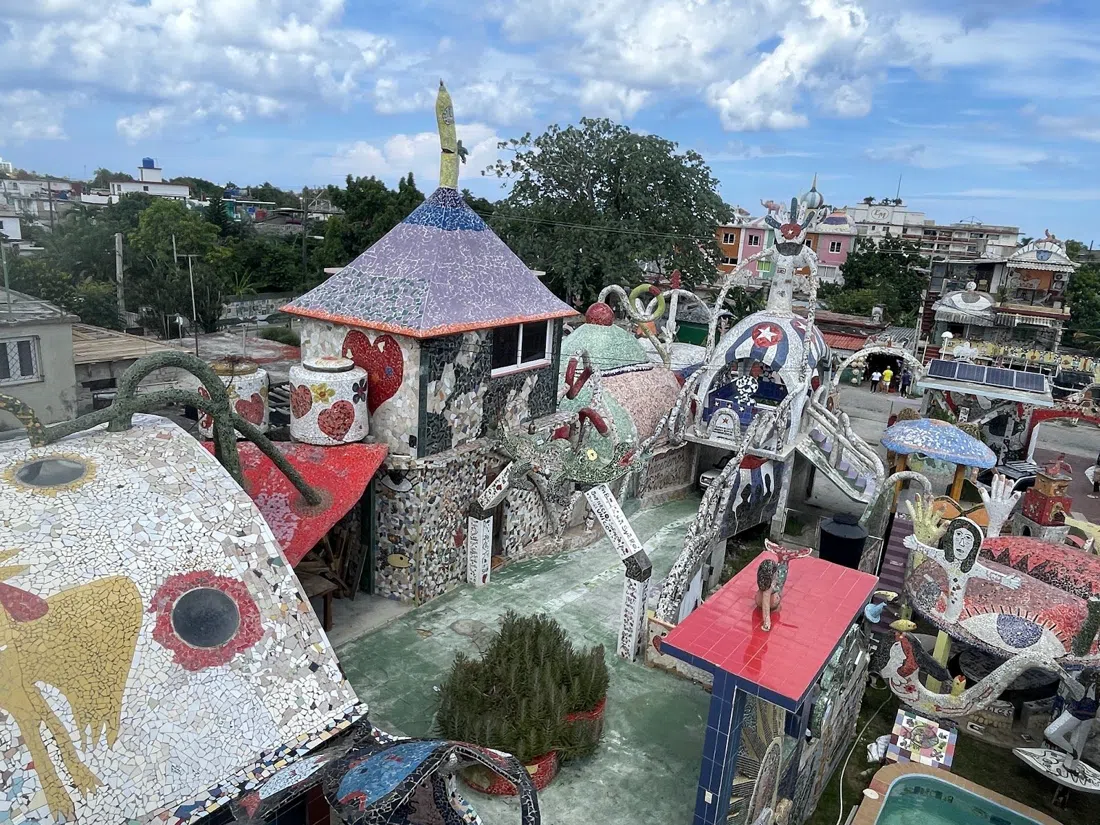
Fusterlandia (Jaimanitas, out west in Playa) is José Fuster's mosaic takeover of an entire residential district, and it is the rare plan that cannot really be cancelled. The studio is generally open Wednesday to Sunday, roughly 9.30am to 4pm, and the gallery occasionally shuts for private events, but the streets around it are always walkable and they are the real attraction. Entry to the gallery is low; walking the neighbourhood is free.
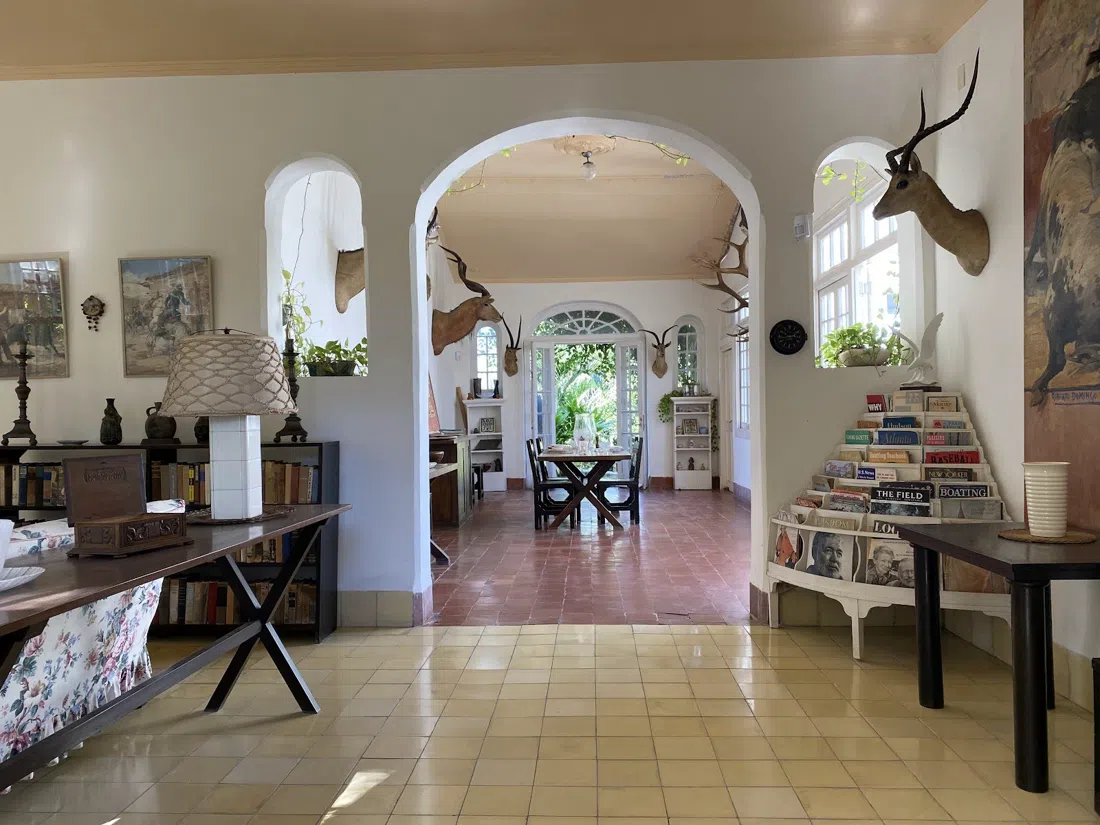
Museo Ernest Hemingway Finca Vigía (San Francisco de Paula, about 15km southeast) is a half-day and needs a car. Open Monday to Friday 10am to 5pm and Saturday 10am to 4pm, closed Sundays, with low admission. You view the rooms through the open windows rather than walking through them, which sounds like a compromise and is not, because the house was left exactly as it was. Rain closes parts of it, and getting back into town from there without a ride is difficult, so pair it with a driver who will wait rather than one who drops you.
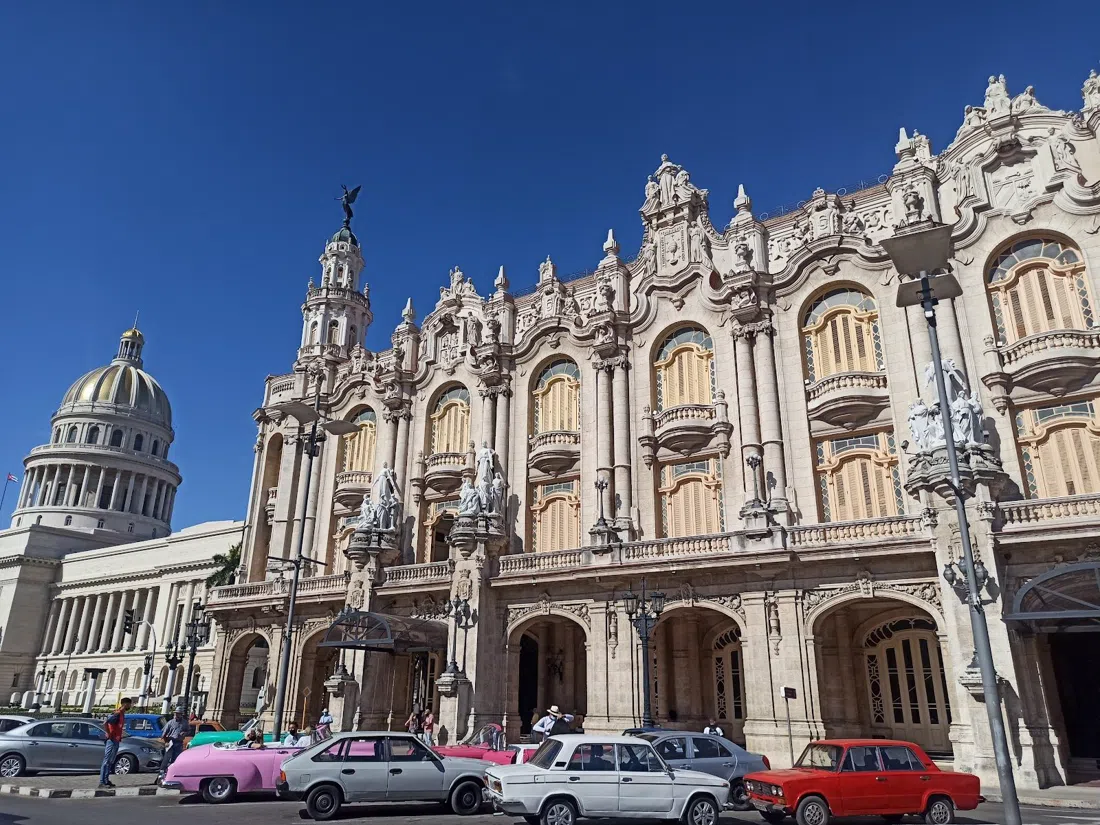
For an evening that is worth building a day around, Gran Teatro de La Habana Alicia Alonso (on the Prado, facing Parque Central) is home to the Cuban National Ballet and holds the finest interior open to the public in the city. Tickets are low by international standards and gala nights cost more. The International Ballet Festival runs here from 28 October to 6 November 2026, and gala nights sell out first, so go to the box office as soon as you land rather than trying to arrange it from abroad. Daytime building tours run for groups, and they are a good wet-weather hour.
What the door will actually do for your group
Havana is not a door-policy city in the velvet-rope sense, and almost nowhere turns you away on looks, but space is tight, and that catches out parties of six and up. For couples and pairs, nearly everything here is workable on the night, with La Torre's bar, El del Frente and Factoría Plaza Vieja all fine to walk into. For four to six, call ahead and you will almost always be fine. Above six, only a few rooms genuinely cope, and they need real notice: La Guarida by explicit room reservation weeks out, Doña Eutimia's private room by phone, El Cocinero's roof terrace by booking, La Torre's restaurant by reservation, and Factoría Plaza Vieja's long tables by simply turning up. The outdoor places (Callejón de Hamel, Fusterlandia, the Finca Vigía grounds, the Hotel Nacional garden terrace) take any number without a conversation.
Cash, cars and the hours that work
Carry your whole trip in cash and split it between two places. Budget roughly 60-90 USD a day for a comfortable but unextravagant trip with a casa or mid-range room, private-restaurant dinners and a couple of car hours; double that if you want the Kempinski or the Nacional and a classic car most days. Keep small notes for the rumba, the beer hall and the museum, because change is often a problem.
For transport, book cars rather than hunting them. A pre-arranged driver who waits is worth the premium for Finca Vigía and Fusterlandia, and the old city is walkable end to end in half an hour, so you need a car far less often in Old Havana than the map suggests. Do your fixed bookings and any box-office business in the first day or two, while you still have flexibility to move them.
On timing, November to March is the dry, cooler stretch and the easiest first visit; June to November is hurricane season, which mostly means heavy afternoon rain and occasionally means more. Late October and early November carries the ballet festival, which is a good reason to be here and a bad week to leave tickets to chance. Whenever you come, keep a torch and a power bank in the day bag, keep the phone topped up while the power is on, and leave one evening entirely unplanned. That is the one you will remember. For context on the districts, the seasons and what else is worth your days, the Havana guide covers the ground around this piece.