The Havana issue
Packing for Havana When the Lights Go Out
A blackout-proof packing list for Havana, plus the hotels, cafés and paladares that stay lit when the grid drops.
By Oliver NashReading Havana barrio by barrio
The lights in Havana go out without warning. The ceiling fan winds down, the fridge behind the bar falls quiet, and for a moment the loudest thing on the block is the sea coming over the Malecón wall. Then the generators start up one after another along the seafront, and you learn very quickly which buildings have them and which do not. Packing for this city means packing for the hours in between.
How the outages actually work
Cuba's grid runs close to its ceiling, and Havana absorbs that in blocks: a few hours in the afternoon, most of an evening, sometimes flagged by the electric company the day before and sometimes not flagged at all. The pattern matters less than the arithmetic. Assume several hours without power on any given day, assume it can land in the hottest part of the afternoon or across a whole evening, and assume that two other things fail alongside the lights, namely the pump that lifts water to your roof tank and the mobile data cell on the corner.
The knock-on effects shape a day more than the darkness does. Fuel rationing has pushed the last buses to around six in the evening, and the streets are genuinely unlit after that; residents navigate them from memory and you will not. Lifts stop, which matters in the tall Vedado apartment blocks and in any hotel above four floors. Card terminals go down with the network, so the cash in your pocket becomes the only money you have.
The city is still very much visitable. It is simply a place where the contents of a daypack decide whether an evening is a minor inconvenience or a write-off.
Plan your Havana trip
Live prices from our booking partners.
Free cancellation on many rooms. We may earn a commission when you book.
What goes in the bag before anything else
Start with light. A headtorch is worth more than anything else you will carry, because it leaves both hands free on a dark staircase and because using your phone as a torch drains the one battery you actually need. Bring two if you are travelling as a pair. They cost almost nothing at home and are close to unobtainable here. Add a small clip-on light for a bag strap or a bike.
Then power. A 20,000mAh power bank will keep a phone alive through two or three days of intermittent charging, and airlines allow that capacity in cabin baggage; anything much larger gets refused at the gate. A multi-port charger matters more than you would think, because when the power does come back you often have a short, unpredictable window to top up everything at once. Sockets in Havana are a mix: 110V and 220V both in circulation, flat American pins in most buildings and round European pins in some of the newer hotels, so a universal adapter beats a single-country one.
After that: a paper map or offline maps downloaded before you land, a refillable water bottle, a small battery fan or at least a folding one, insect repellent for the evenings when the fan stops, earplugs for the generator that will run under your window, and a book. Blackout evenings are long and quiet, and they are surprisingly pleasant if you are equipped for them and grim if you are not.
The shop run you do on your first morning
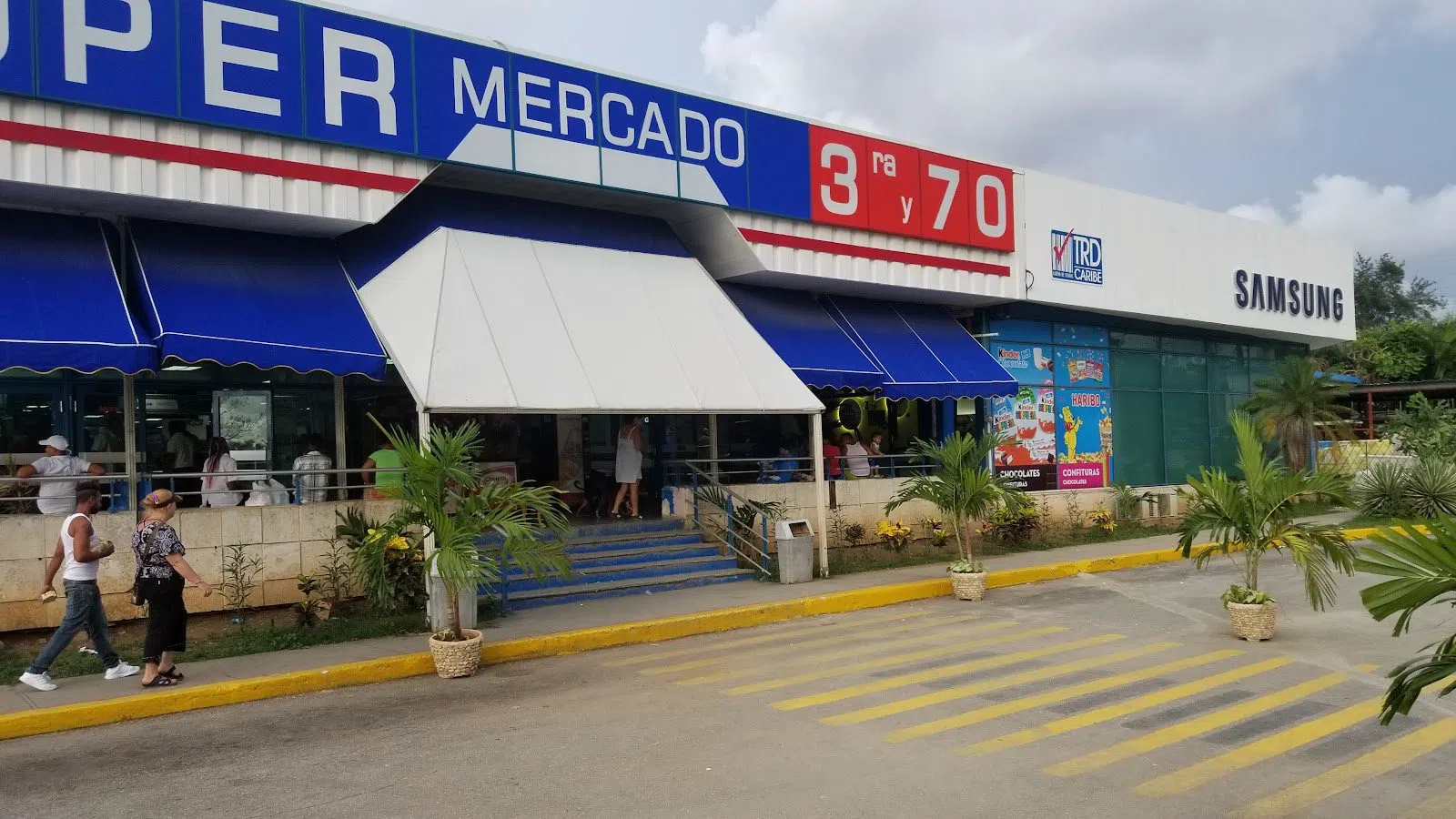
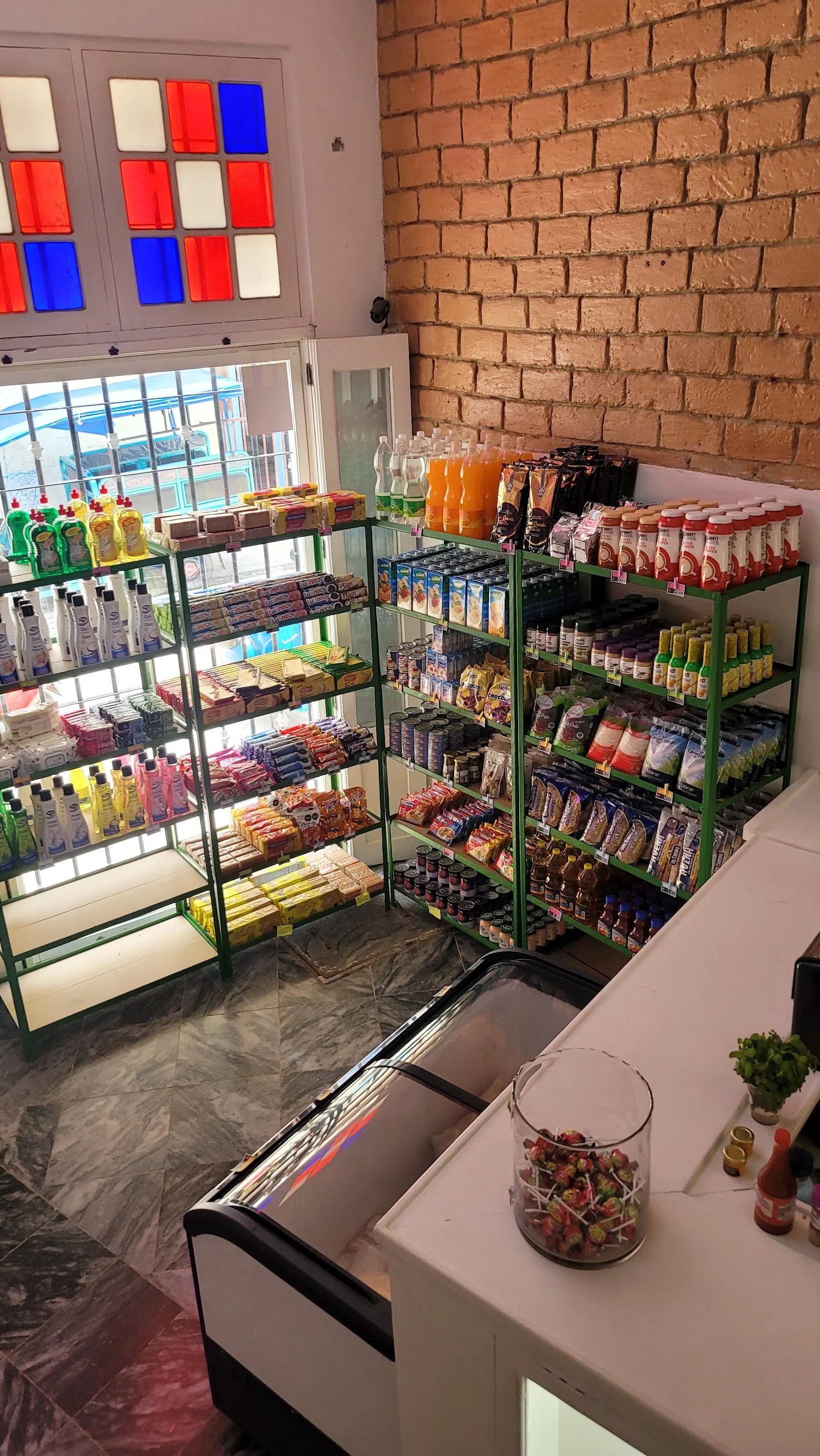
Supermercado 3ra y 70 (Playa, on Tercera Avenida at Calle 70) is Havana's best single shot at bottled water, batteries and dry snacks in one stop. It is a dollar supermarket in the literal sense: it takes cash dollars or foreign cards only, no Cuban pesos and no MLC, and prices are prohibitive relative to what is on the shelf. As of early 2026 the shelves are visibly thin. The rule that follows is simple. Buy water when you see it, not when you need it. A case of bottles in the room is the difference between a comfortable outage and a scramble.
Access is open and the aisles are wide enough for a group to stock up in one run, which makes it the rare Havana errand that works well with six people rather than two. Go early in the day, while both the stock and the power are more reliable.
For anything you are wearing rather than drinking, Clandestina (Old Havana, on Villegas) is the sanest place in the city to replace the light cotton layer or the spare tote you did not pack. It was Cuba's first design store and everything in it is made on the island, which means the stock is an honest reflection of what the island can currently get. The floor is tiny, five people fill it, so go in shifts if you are a group. It looks like a souvenir stop and works as a practical one.
The medical kit you pack because nobody here can sell it to you
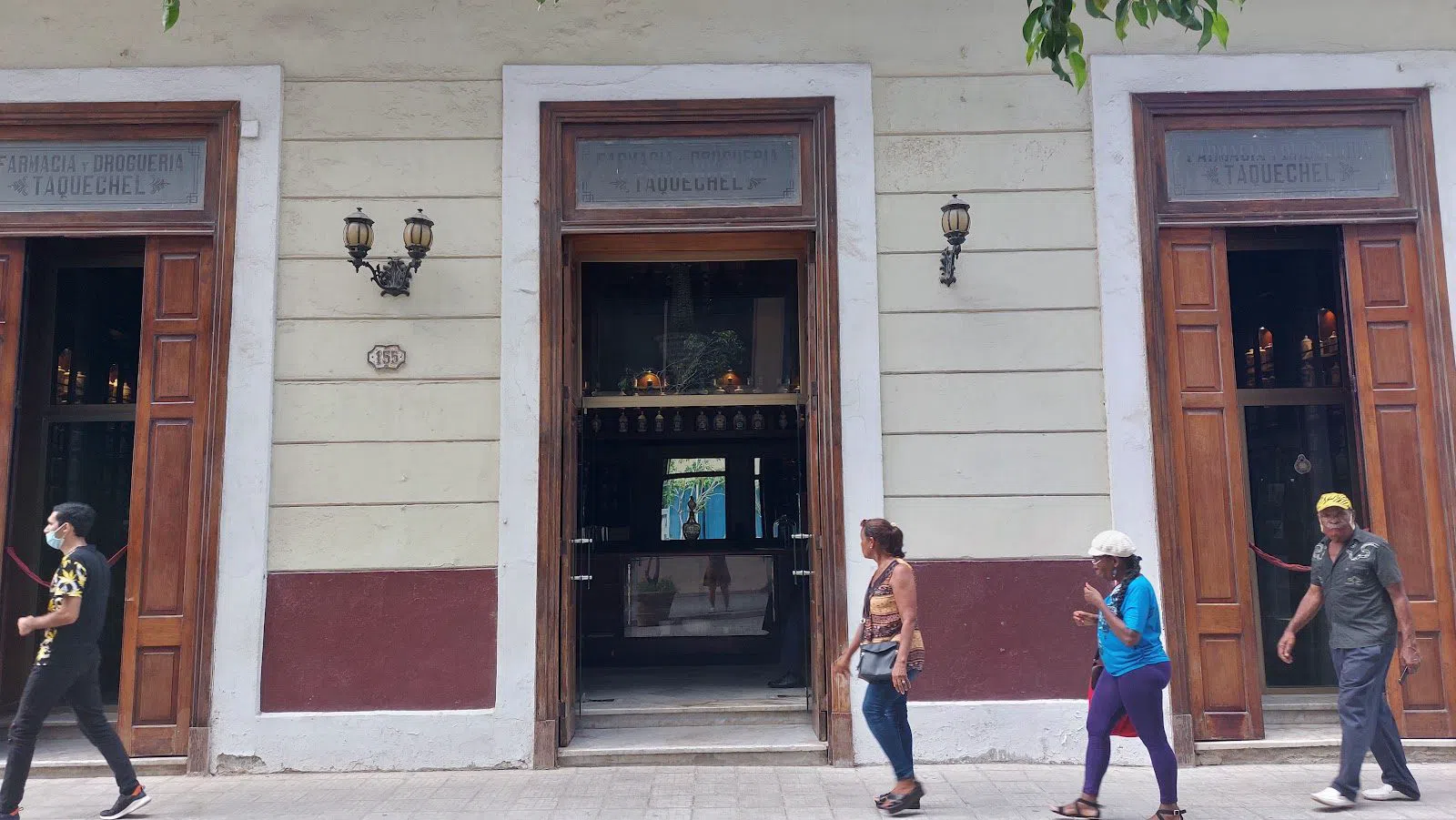
Museo-Farmacia Taquechel (Old Havana, on Obispo) is one of the loveliest rooms in the old city: mahogany shelving, ranks of hand-painted porcelain jars, free to walk into, open seven days from 09:00 to 19:00. It is also still a working shop. What it sells, though, is Cuban natural products, herbal remedies and dermocosmetics, not the paracetamol, rehydration salts or antihistamines you will actually want at two in the morning. Go for the room and the history, and treat it as the clearest possible argument for packing your own supplies. The rooms are small, so filter a group through a few at a time.
What you should bring, in a single pouch: paracetamol and ibuprofen, oral rehydration salts (heat plus an outage plus a warm fridge is exactly how people get into trouble here), loperamide, an antihistamine, antiseptic and plasters, high-factor sunscreen, DEET repellent, a thermometer, and every prescription medicine you take in its original packaging with a copy of the prescription. Double the quantity you think you need for the trip length.
If it goes wrong anyway, Clínica Central Cira García (Playa, in Miramar) is the single most useful address in this guide. It sees foreign patients around the clock on a walk-in basis and either dispenses directly or points you to an on-call pharmacy. Consultations are moderate by international standards and medicines are priced in hard currency. There is no group concept as such, but it will see a whole travelling party if something spreads through one, which with shared food and warm fridges occasionally happens. Anything you failed to pack is either here at hard-currency prices or unavailable.

Keeping a signal when the wifi goes with the grid
Buy a Cubacel Tur tourist line at ETECSA Obispo (Old Havana, on Obispo) or at the 24-hour desk in Concourse C at the airport. Packages run from around 4GB over seven days up to 10GB over thirty, and the cost is trivial against what it buys you. Expect a real queue at the Obispo office: send one person with everyone's passports rather than all filing in together and losing an hour of daylight.
Cuba's eSIM market is tiny, with only a couple of providers roaming on ETECSA at all, so a physical SIM plus a charged spare battery remains the sturdier plan. Do not rely on hotel wifi as a backup; it dies with the grid in any building without generation, and it is the first thing to sag when a floor of guests all reconnect at once. Download your maps, your translations and anything you need to read before you leave home.
The buildings that keep their lights on
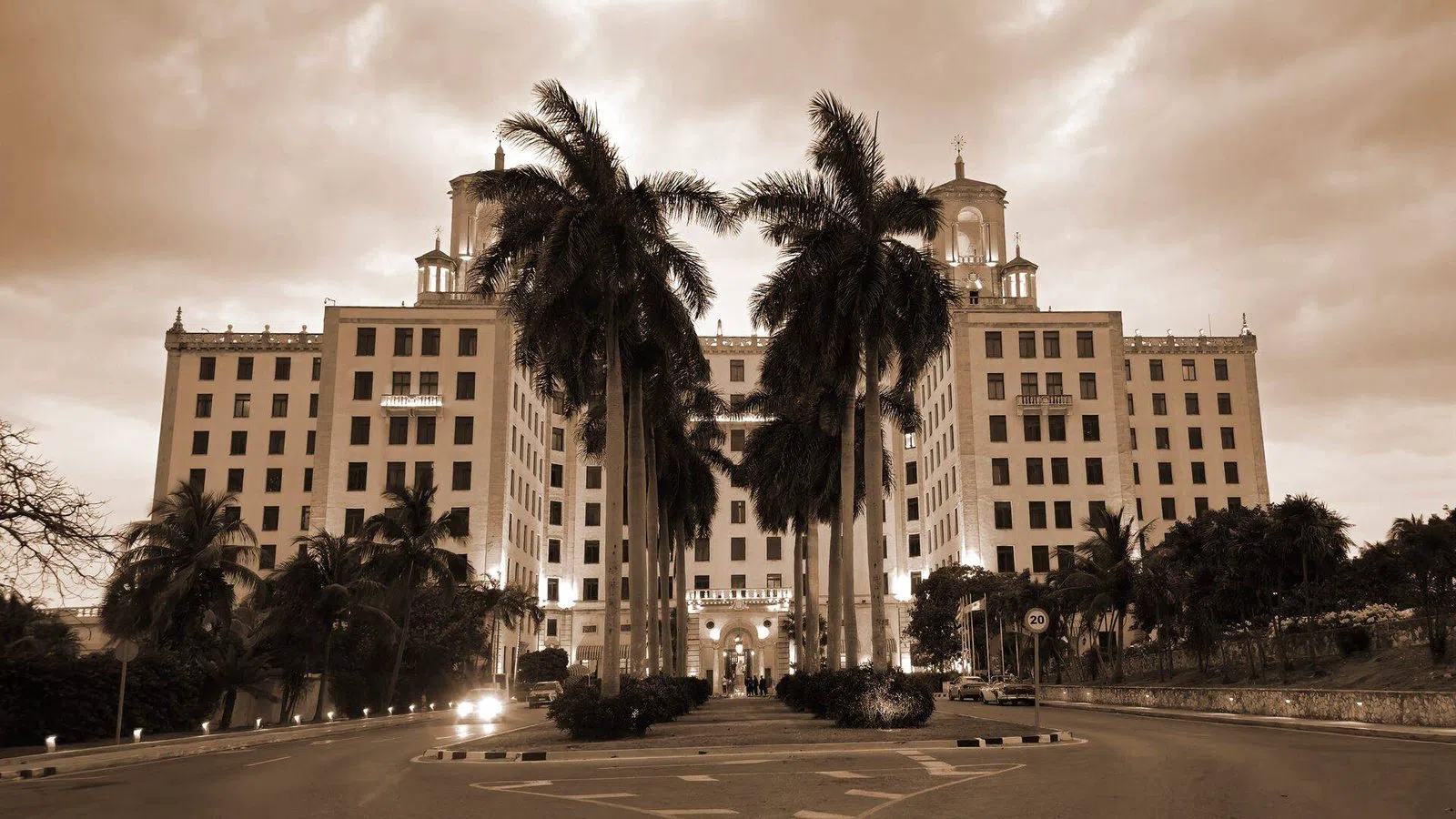
Hotel Nacional de Cuba (Vedado, above the Malecón) is the default anchor when the grid drops. Independent generation keeps its lights, lifts and air conditioning running, and Cuban tourism authorities restated hotel energy autonomy through backup generators in February 2026. The terrace and bars are open to non-residents, groups are entirely routine (it handles coach parties and conference blocks daily), and there is no door policy to speak of. Drinks are tourist-priced but modest by hotel standards. That money buys a socket, a fan and a clean bathroom for two hours, which is why it is worth treating as infrastructure rather than a splurge.
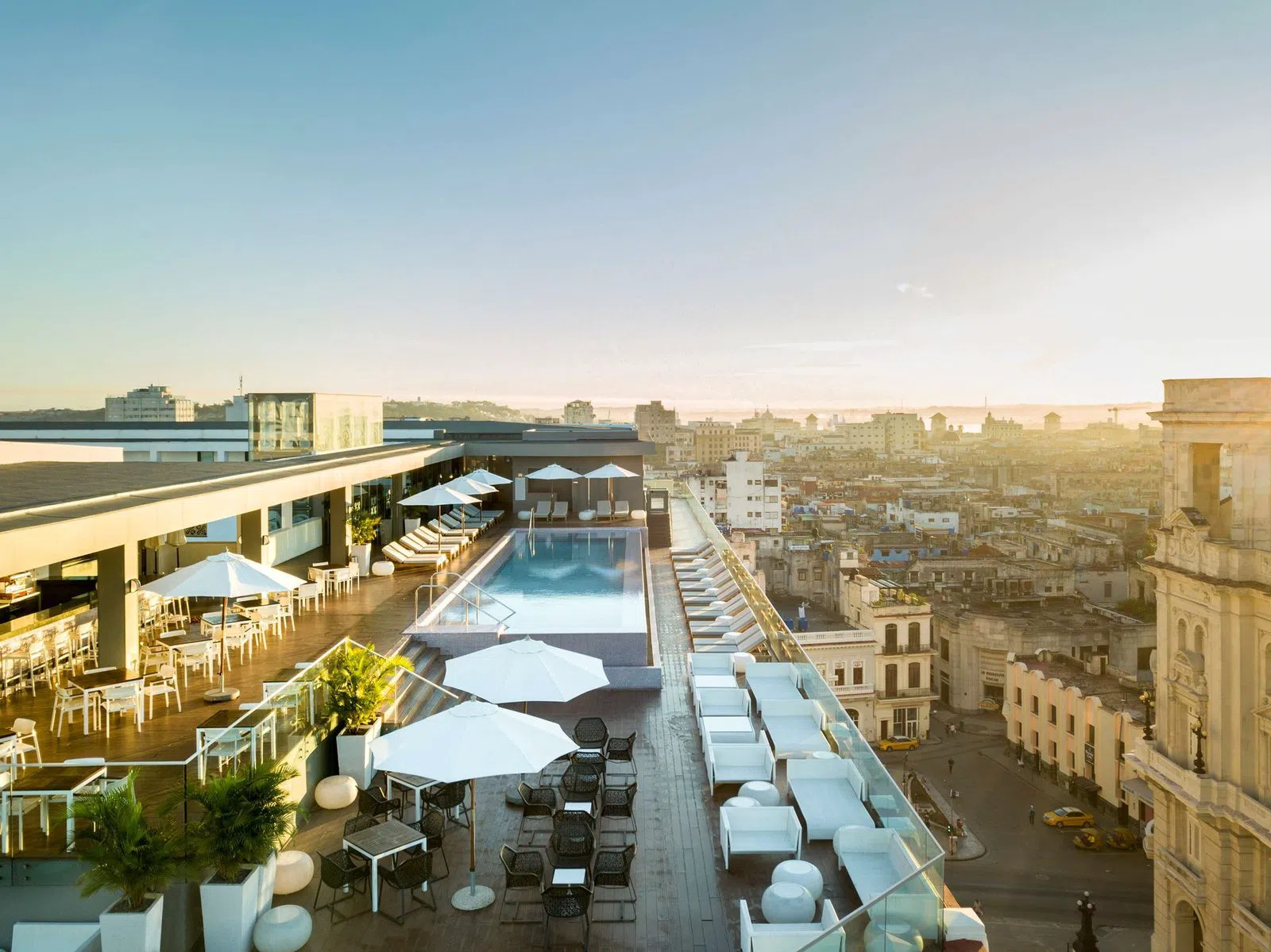
Gran Hotel Manzana Kempinski La Habana (Old Havana, facing Parque Central) is the most reliably lit building in the old city during a cut, which is why it is worth knowing about even if you never stay in it. The rooftop bar and pool terrace admit non-guests on a day pass, and one entry covers the whole property: El Surtidor by the pool and the panoramic restaurant are the same operator. Prices are among the steepest in Havana, and the pool deck is small, so book ahead for a party of more than six.
Iberostar Grand Packard (on the Prado, between Old Havana and the Malecón) is the third useful bolt-hole: second-ranked hotel in the city on traveller reviews, generator-backed, and happy to take groups. Recent guests flag inconsistent payment rules at its bars and restaurants, card sometimes and cash sometimes, so a group splitting a bill should carry both and expect some friction.
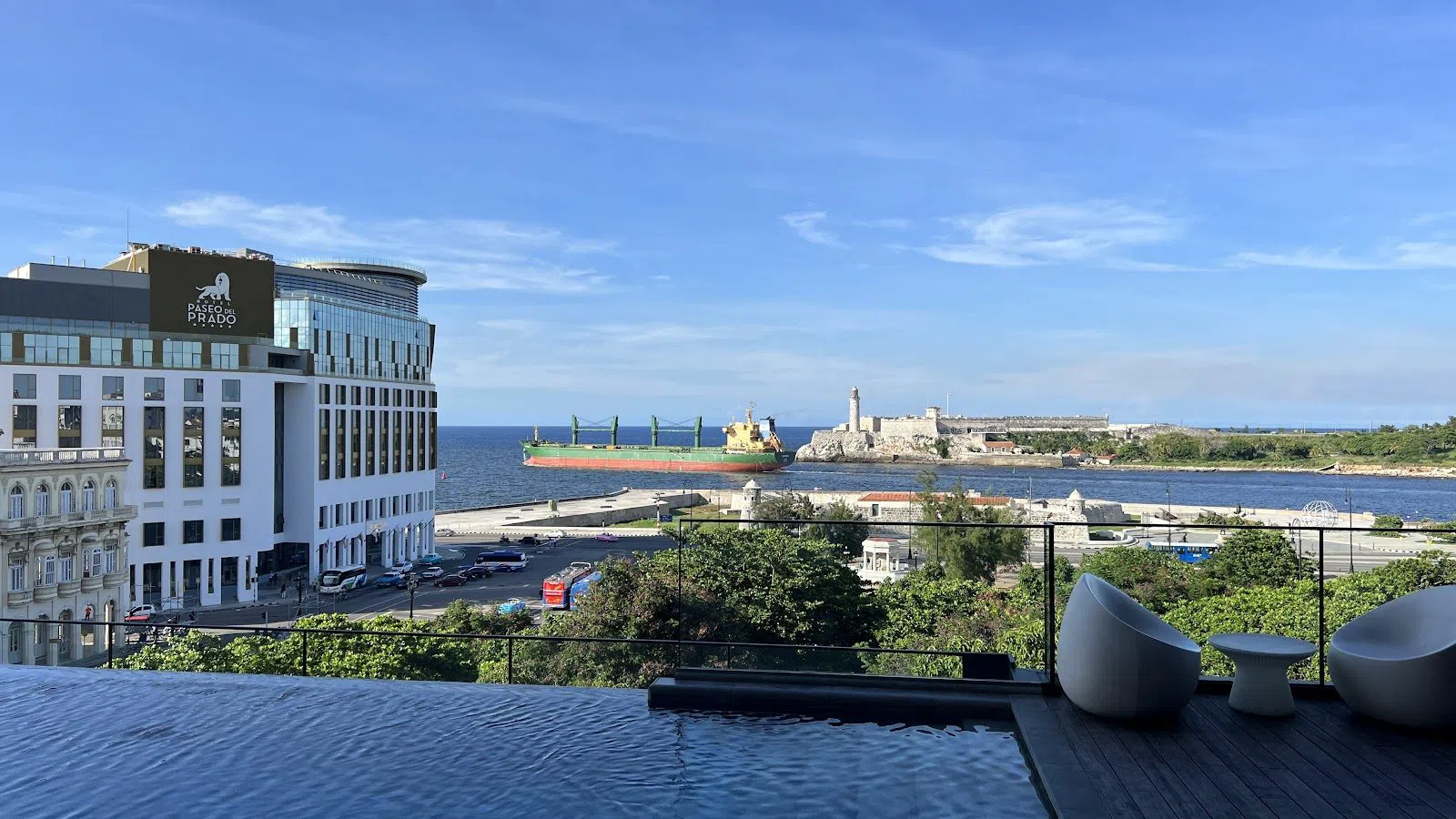
If you would rather sleep behind your own generator than borrow someone else's for the evening, start with a Havana hotel search and check specifically for backup power rather than assuming it.
Sitting out an afternoon cut
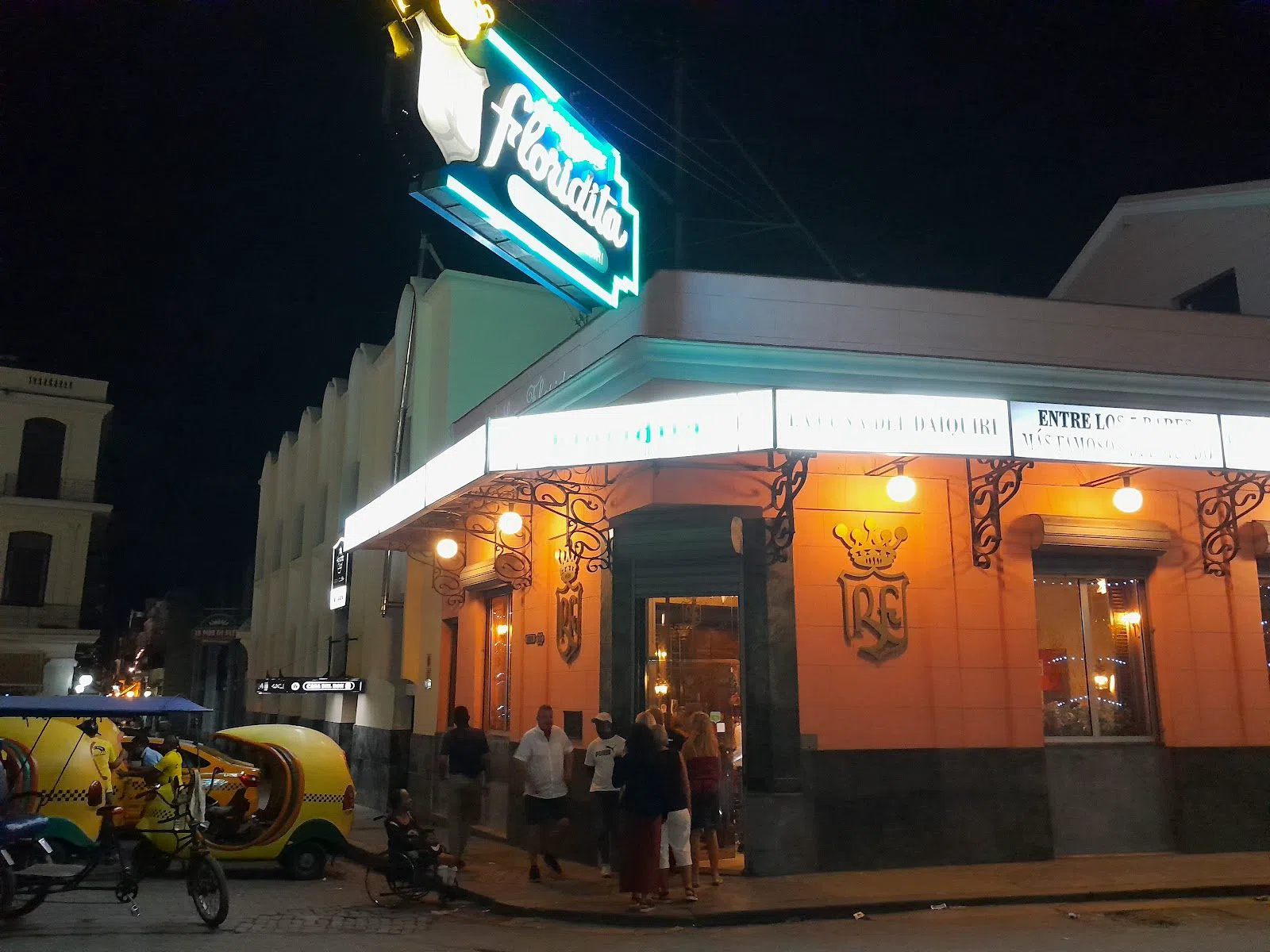
El Floridita (Old Havana, where Obispo meets Monserrate) is open daily from 11:00 to midnight, air-conditioned and state-run, which in practice means it tends to stay lit when the street outside does not. Daiquiris are at full tourist prices and seating at the bar itself is scarce by evening, but there is no door policy and groups walk straight in. As a place to lose the worst ninety minutes of an afternoon, it earns its keep.
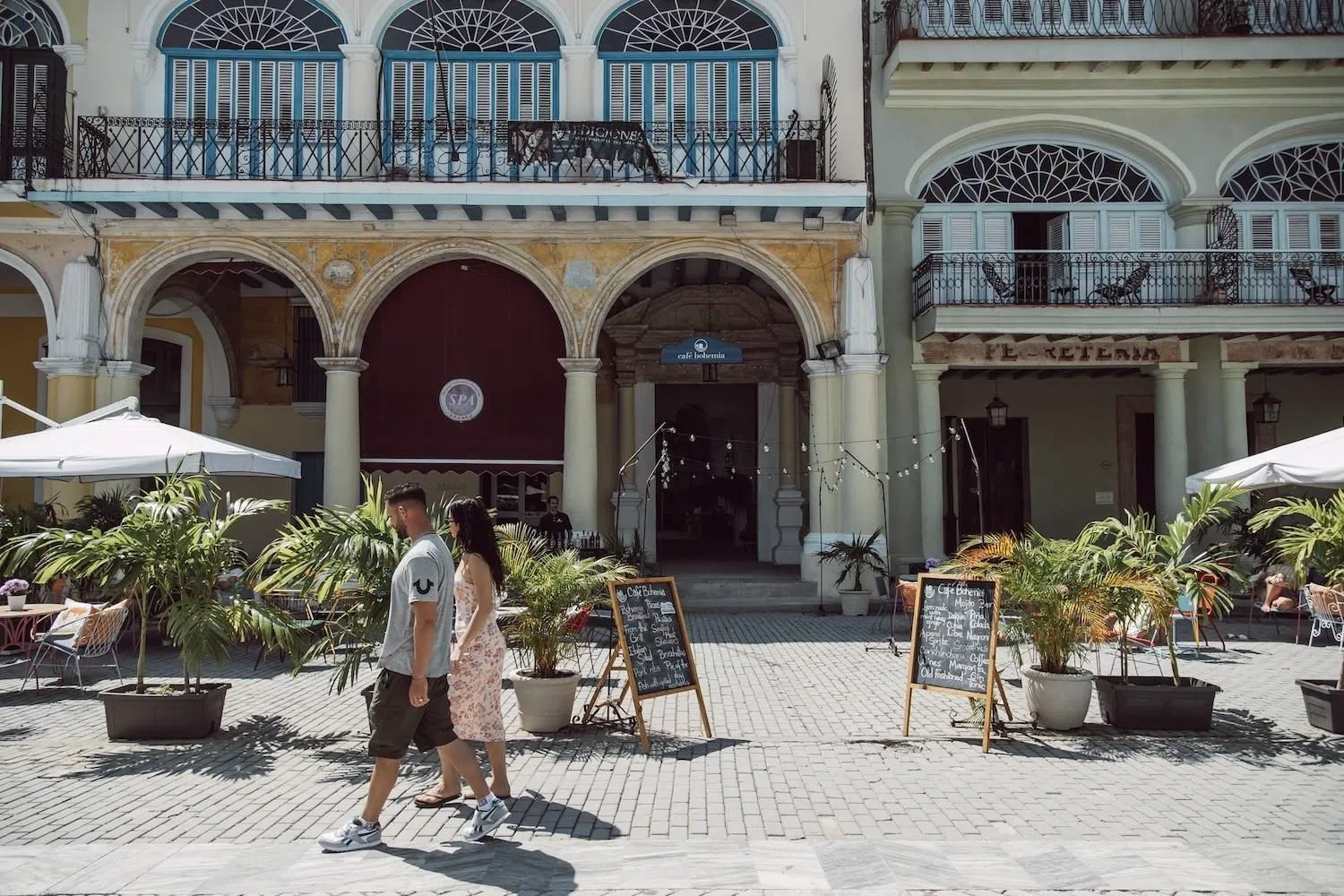
Café Bohemia (Old Havana, on Plaza Vieja) is the better option if you want an espresso and shade rather than rum. Named for the Cuban arts magazine, it has terrace tables on the plaza that suit two to four and a quieter courtyard behind that works properly for six or more. Plaza Vieja is the most walkable square in the old city to wait out a cut, with enough going on to make the wait feel like part of the trip.
Entre Nos, a single-room independent café away from the hotel strips, is small and cheap, and it stays open and serving through the worst of it on a street where several neighbours have shuttered. It seats a few people, not a coach party. It is here because independent rooms like this are where your cash actually lands, and because it is honest about the state of the city rather than insulated from it.
Dinner that isn't a gamble on the grid
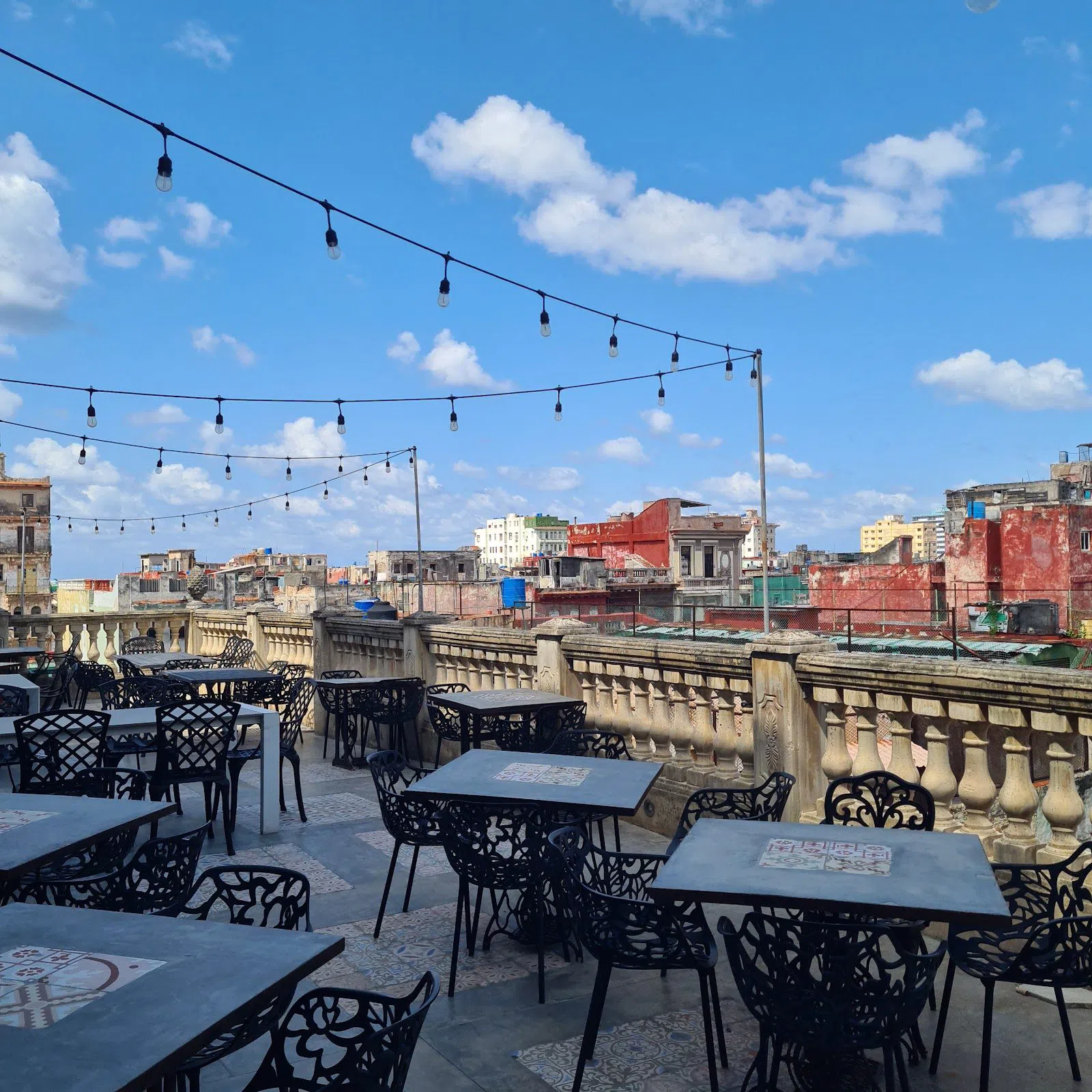
La Guarida (Centro Habana, up three flights of a crumbling mansion staircase) has been Havana's benchmark private restaurant since 1996, and the climb through the building is half the experience. Private restaurants have generally kept their generators running through the cuts, which makes dinner here one of the few evening plans that does not depend on what the grid does at seven o'clock. Reservations are essential and best made well ahead: weeks, not days, in high season. The rooftop bar absorbs groups far more easily than the dining room below, so book the roof if there are more than four of you. It is expensive by Havana standards and worth it.
Moving through an unlit city
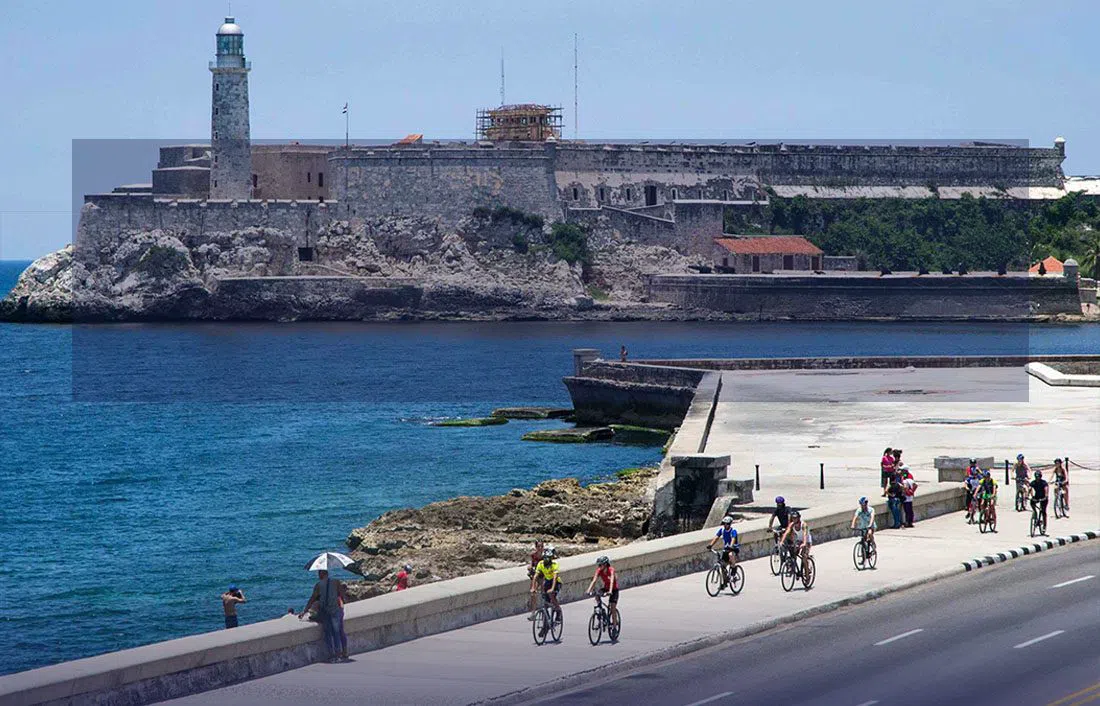
With buses stopping around six under fuel rationing and the streets dark after that, daytime mobility matters more here than in most cities. Vélo Cuba (Old Havana) runs a fleet of more than forty bikes across two workshops at roughly $17 per bike per day, plus guided routes, repairs, luggage storage and roadside call-outs. It handles a group comfortably, though call ahead for more than six. Bring your own bike light regardless of what comes fitted, because riding the Malecón at dusk without one is not a risk worth taking.
Otherwise, plan movement around daylight. Do errands and long distances in the morning, keep the afternoon within walking range of a lit room, and be either at your accommodation or on a route you know before dark.
Practical notes
Bring hard currency in cash, euros or dollars, in small denominations, and treat cards as a backup that fails whenever the network does. Cards issued by US banks do not work here at all. Keep a reserve separate from your wallet.
Do errands in the morning and keep indoor, generator-backed plans for the afternoon and evening. Nothing that depends on a lift or a card terminal should be scheduled after dark.
On budget: a bike is around $17 a day, a Cubacel Tur data package is a few dollars, and a daiquiri at El Floridita or a drink on the Nacional's terrace is moderate. A Kempinski day pass and dinner at La Guarida are the two genuine splurges. A consultation at Cira García sits in the middle, in hard currency.
Torch, power bank, adapter, water, medicines, cash. Pack those six and Havana in a blackout becomes what it is for the people who live here: slower, darker, and entirely workable. For the rest of the trip, the Havana guide covers the parts of the city that carry on regardless.
Before you go
How long do power cuts in Havana usually last?
Plan for several hours most days. Sometimes there is a day's notice, sometimes none. A cut can land in the hottest part of the afternoon or run through a whole evening, and it takes the roof-tank water pump and the local mobile data cell with it.
Can I buy basic medicines like paracetamol in Havana?
Not reliably. Museo-Farmacia Taquechel on Obispo is a working pharmacy, and a handsome one, but it sells Cuban natural products and dermocosmetics rather than painkillers, rehydration salts or antihistamines. Pack your own, and if something goes wrong use Clínica Central Cira García in Miramar, which takes foreign patients 24 hours a day.
Where can I go during a blackout to charge a phone and cool down?
Hotel Nacional de Cuba in Vedado is the easiest option. It runs on a generator, the terrace and bars are open to non-residents, there is no door policy and it is used to groups. The Gran Hotel Manzana Kempinski rooftop and the Iberostar Grand Packard work too, at higher prices, and the Kempinski needs a day pass.
Should I buy a Cuban SIM or use an eSIM?
Buy a physical Cubacel Tur line at ETECSA on Obispo or at the 24-hour airport desk in Concourse C. Packages run from roughly 4GB over seven days to 10GB over thirty. Cuba's eSIM market is tiny, with only a couple of providers roaming on ETECSA, so a SIM plus a charged power bank is the sturdier plan.
How do I get around Havana after dark during an outage?
Buses stop around 6pm under fuel rationing and the streets are unlit, so do anything far in daylight. Vélo Cuba rents bikes at about $17 a day from two workshops and does repairs and roadside call-outs; bring your own bike light, and keep evenings within walking distance of where you're staying.