In a modest fishing village on Havana's western edge, a single artist spent four decades covering wall after wall in broken tile and curling colour until an entire neighbourhood stopped resembling anywhere else on earth. That artist is José Fuster, and Fusterlandia — his home, his studio, and by extension the streets of Jaimanitas around it — isn't a museum you walk through so much as a barrio you wander into. Nowhere else in Cuba, and arguably nowhere else in the Caribbean, does one artist's private obsession spill so completely into public space.
The House That Became a Neighbourhood
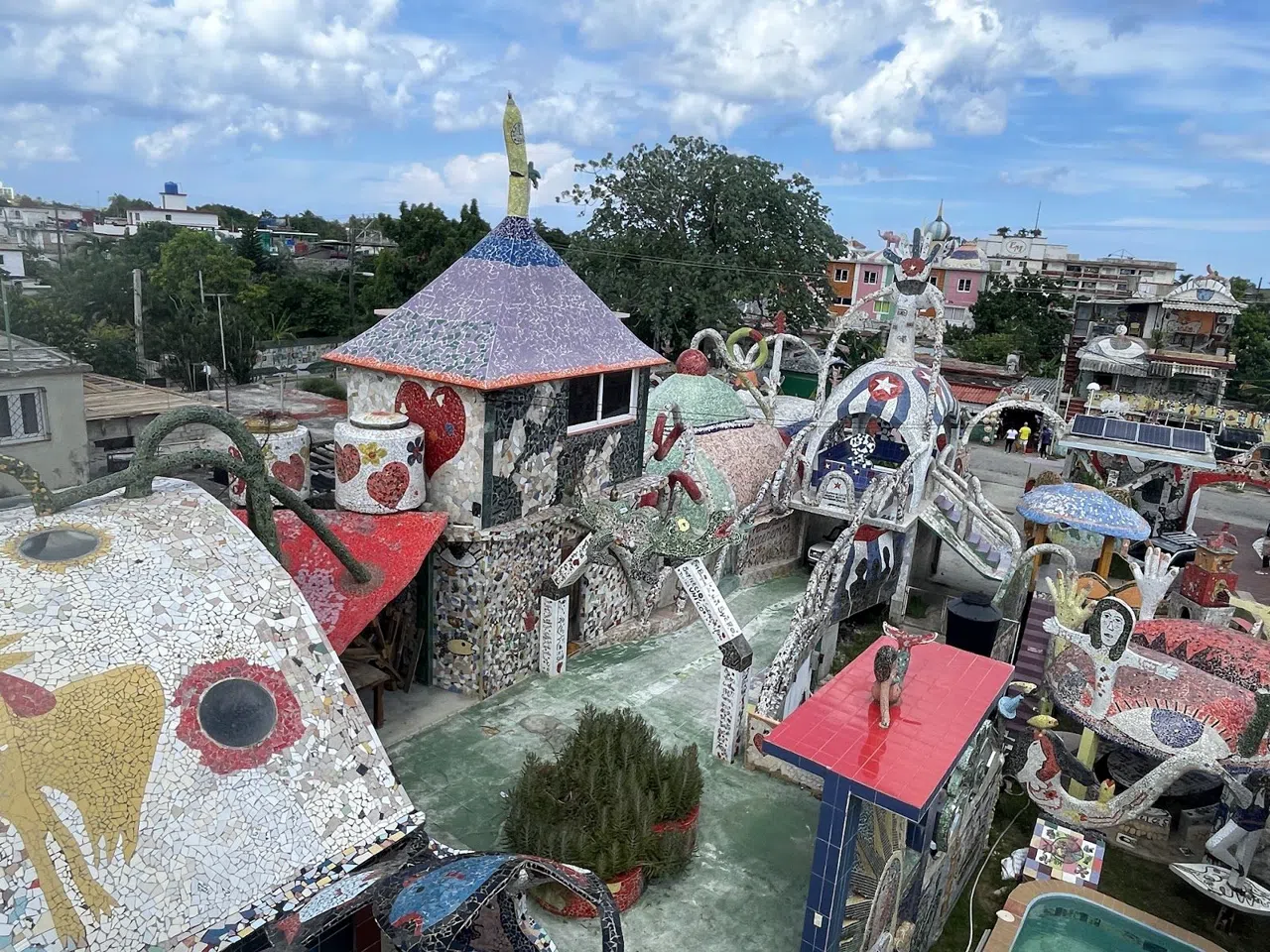
Fusterlandia begins and ends at Casa-Taller José Fuster in Jaimanitas, a working-class fishing district about twenty minutes west of central Havana. This is Fuster's actual home — he still lives and works on site as of 2026 — expanded over decades into a labyrinth of courtyards, towers, and rooftop terraces, every surface given over to ceramic mosaic: roosters, mermaids, boats, Santería saints, self-portraits, fragments of poetry worked into tile. The comparison to Gaudí gets made constantly, and it's earned less by any direct lineage — Fuster is self-taught, trained originally at Havana's Escuela Nacional de Instructores de Arte, shaped by Cuban folk art and Afro-Cuban religious imagery as much as anything European — and more by the sheer, unembarrassed maximalism of the place: nothing here is restrained, and nothing is finished in the sense a conventional museum would call finished.
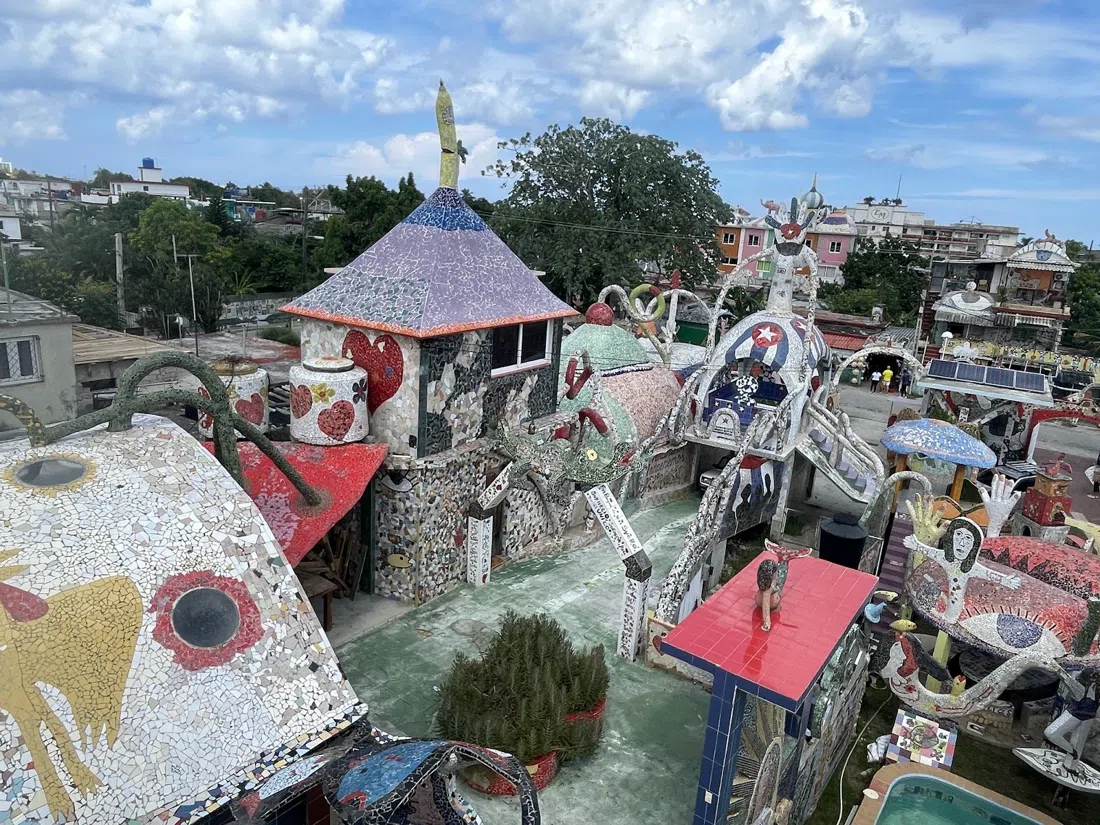
Entry is free, with no booking required, and the house is verified open Wednesday to Sunday, roughly 9:30am to 4pm — worth confirming on arrival since hours can drift, but that's the reliable current pattern for 2026. The open-air layout copes well with coach groups; where it bottlenecks is the narrow mosaic staircases linking the upper terraces, which turn single-file fast when more than a handful of people try to climb at once, so larger tour groups should expect to break into smaller clusters once inside rather than move as one body. Donations are welcomed, and Fuster's ceramics and smaller artworks are sold on site — there's no hard sell, but budget some cash if a piece catches you, since this is one of the more legitimate places in Havana to buy directly from the artist's own studio.
Fuster's story is Cuban to its core: a ceramicist from this same fishing village who began covering his own house in mosaic decades ago, then progressively found neighbours willing to let him decorate their walls too, spreading the project street by street rather than through any masterplan, financed largely by sales of his own work rather than any grant or commission. That grassroots, house-by-house sprawl is what actually separates Fusterlandia from anything Gaudí built — Park Güell was a single commissioned project; Jaimanitas is closer to an ongoing, informal community mural that happens to be run by one relentless artist. It also means the neighbourhood keeps changing: what a visitor sees in 2026 is not fixed, and returning visitors often find new mosaic work has appeared on houses that were plain concrete a few years earlier.
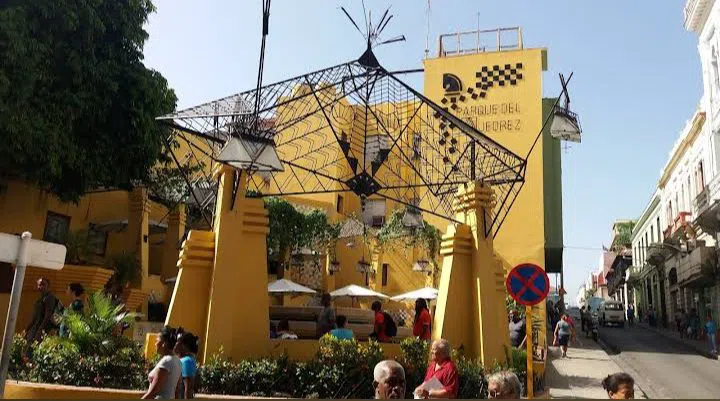
A short walk from the house, Parque del Ajedrez (Chess Park, Jaimanitas) makes the case that Fusterlandia was never really about one house. It's one of several community-funded additions Fuster made across the neighbourhood beyond his own property line — a small public plaza with mosaic chess tables and benches, free and open with no capacity limit. It takes ten minutes to see properly, but it's the clearest single stop for understanding that this is a barrio-wide art project, not a single-artist attraction with a garden attached. If time is tight, it's the one extra stop worth making before or after the house itself.
Getting There: Classic Cars and the Convoy Reality
Jaimanitas sits far enough from central Havana — past Miramar, along the coast road toward Marina Hemingway — that most visitors arrive by organised transport rather than on foot from a hotel. The most-requested route in 2026 is Cuban Classic Car Tours by Eddy, run out of Havana in the pastel convertibles the city is famous for, with Fusterlandia confirmed as a standard stop on the operator's route in this year's reviews. Cars seat up to four passengers, so a couple or small family gets a private tour outright; larger groups run in convoy, several cars travelling together, which works well logistically but means agreeing pickup points and timing in advance so the group doesn't get strung out along the coast road. It's priced per car as a multi-hour charter rather than per person, which changes the maths depending on group size — a full car of four splits the cost usefully, a single rider pays for the whole vehicle. Book ahead rather than hailing on the day; the good drivers and well-maintained cars get taken first, especially in high season.

Independent travellers with a rental car or a private taxi arranged through a hotel can obviously reach Jaimanitas without a tour operator at all — the drive itself is straightforward along the coast road — but the classic car experience adds enough to the day that most visitors treat it as part of the attraction rather than mere transport, particularly since an open-top convertible suits the coastal drive out past Marina Hemingway better than a closed sedan ever will.
Lunch After the Mosaics: Where to Eat in Jaimanitas
Fusterlandia is compact enough to see properly in an hour to ninety minutes, which leaves most visitors arriving at lunchtime with a fishing village's worth of seafood restaurants within a few minutes' drive. The choice largely comes down to group size and how much you want to spend.
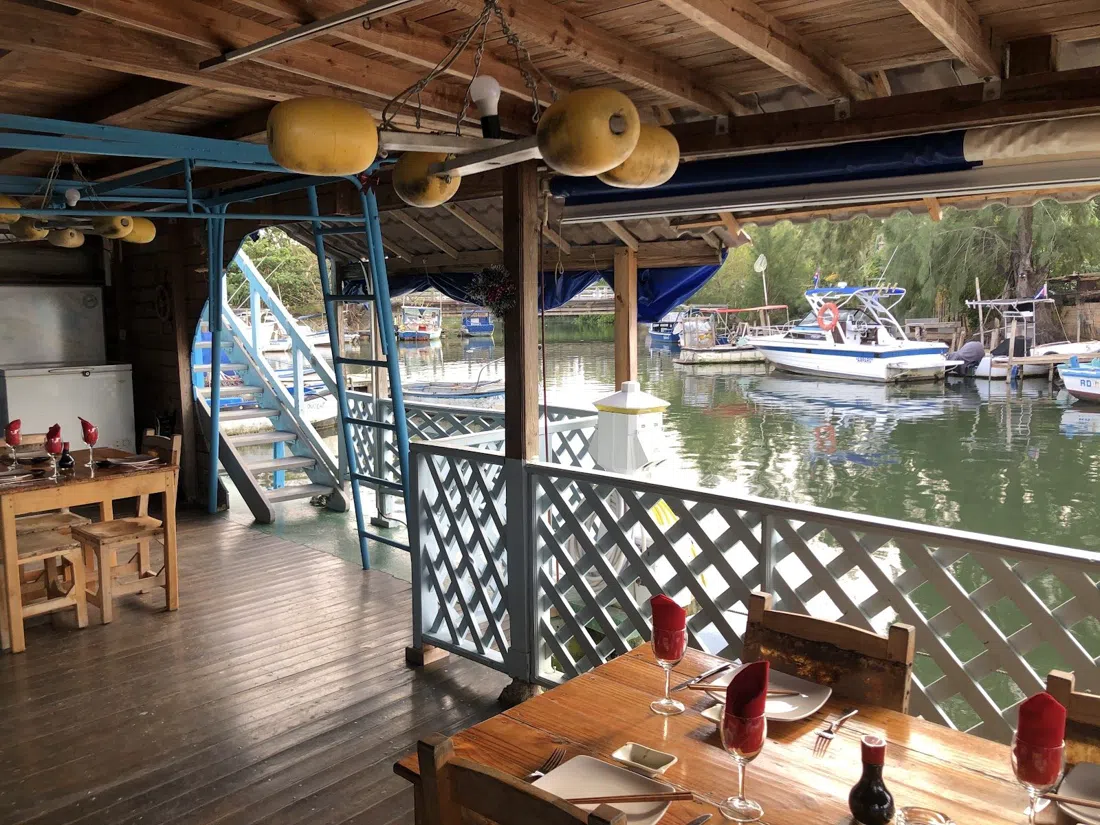
Santy Pescador (Jaimanitas), a few steps from the mosaics, is the famous name — it got a memorable turn on Anthony Bourdain's Parts Unknown and has traded on that association since. It takes walk-ins and coach parties comfortably, but the terrace seating is genuinely limited at peak lunch, so anything beyond a table of two or three should book ahead. It's priced $$-$$$, and it's worth going in with eyes open: several reviewers flag it as pricey relative to portion size, which tracks with its fame rather than any decline in quality — it's a solid meal, just not a bargain one.
La Cueva del Zorro Bar de Tapas (Jaimanitas) is the quieter, cheaper alternative — known locally as the neighbourhood's informal artists' bar rather than a tourist stop in its own right. The casual bar seating handles groups comfortably, and at $$ it's a sensible choice for drinks and small plates rather than a full sit-down meal. The one thing to plan around is live-entertainment nights, which get busy fast; arrive early if there's music on, or you'll be standing.
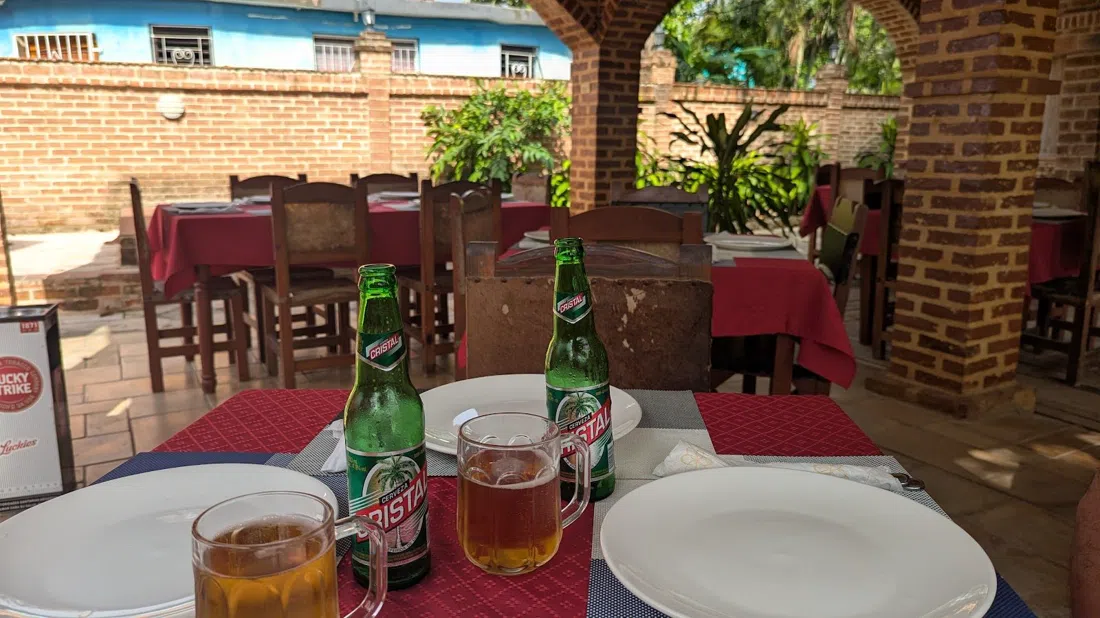
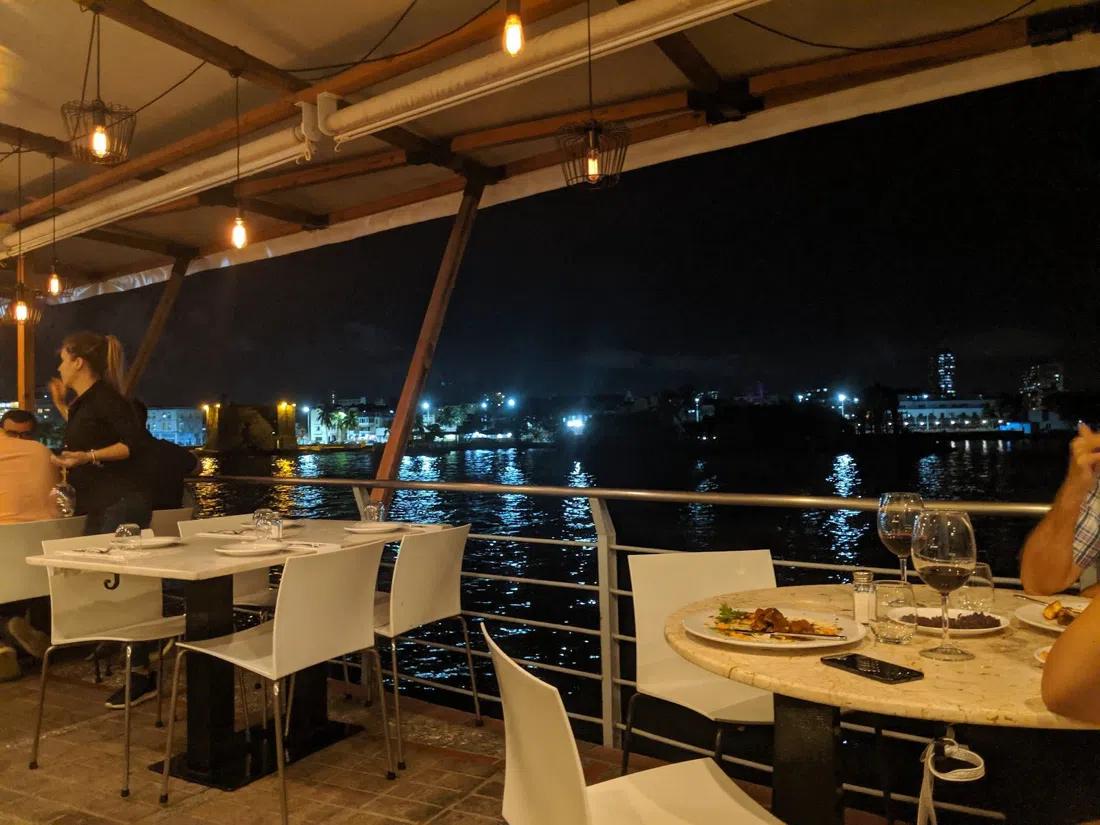
Río Mar Restaurant-Bar-Grill, a short drive from Fusterlandia, is the one built for scale. It regularly seats large parties — groups of around twenty-five across two long tables have been reported — which makes it the strongest pick here for a full tour bus rather than Santy Pescador's smaller terrace. At $$-$$$, it's a comfortable middle ground: seafood-forward, group-capable, and considerably less likely to leave a big party waiting for a table.
Beyond the Mosaics: The Coastline Fuster Painted From
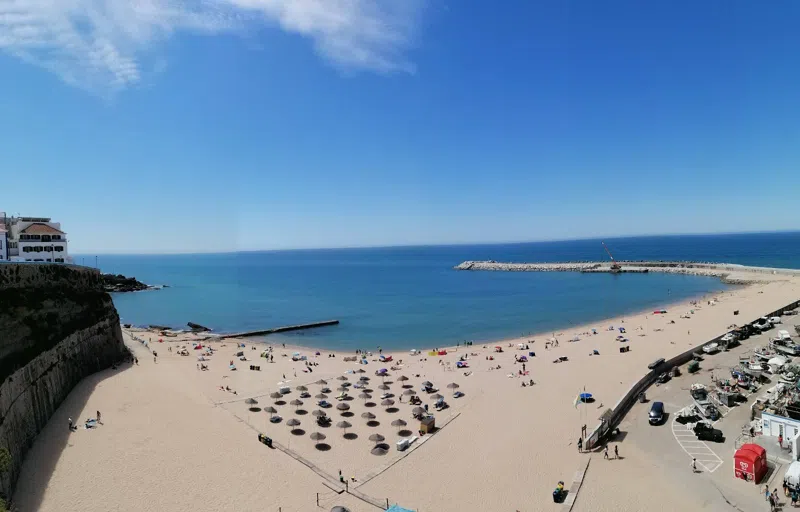
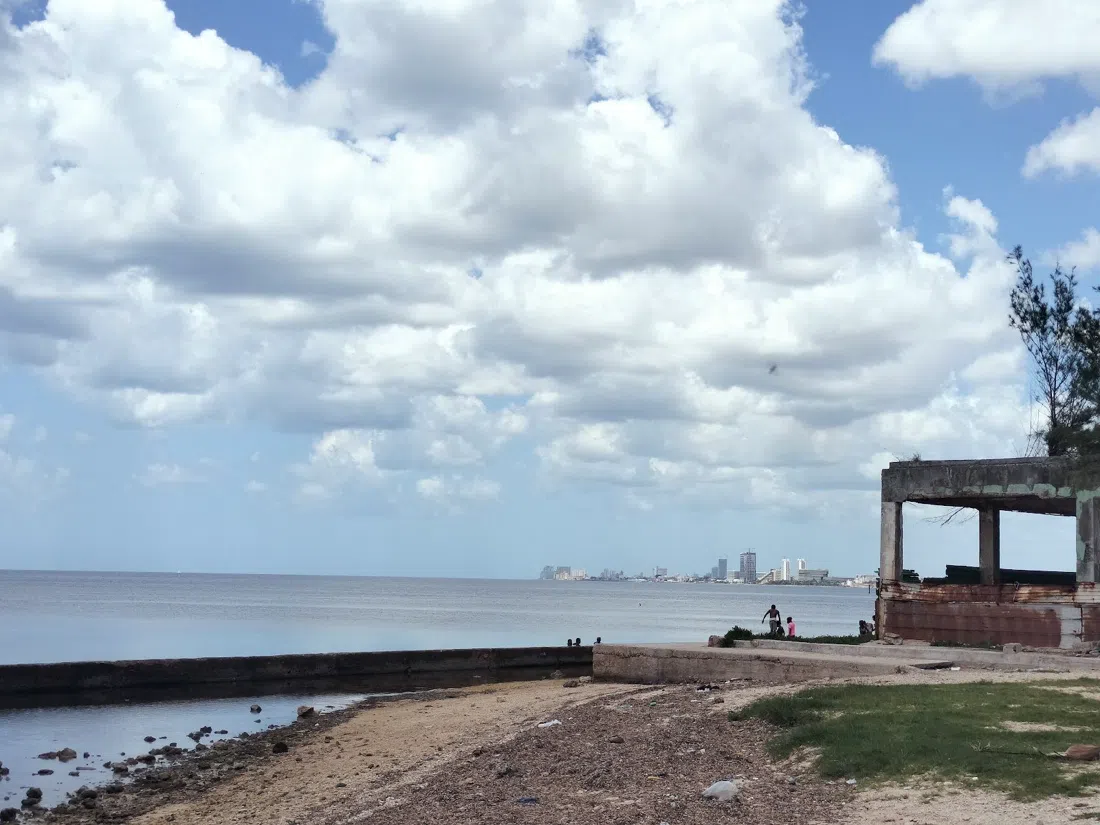
It's worth remembering, standing in front of Fuster's mermaids and boats, that Jaimanitas is a real fishing village first and an art project second — the mosaics are a response to a place, not a backdrop bolted onto one. Playa de Jaimanitas makes that literal: an open public beach with no capacity restriction and no entry fee, unpolished in the way resort strands never are, with fishing boats still pulled up on the sand. It's not a swimming destination to plan a whole day around, but walking it for twenty minutes before or after the mosaics does more to explain Fuster's subject matter than any wall text would.
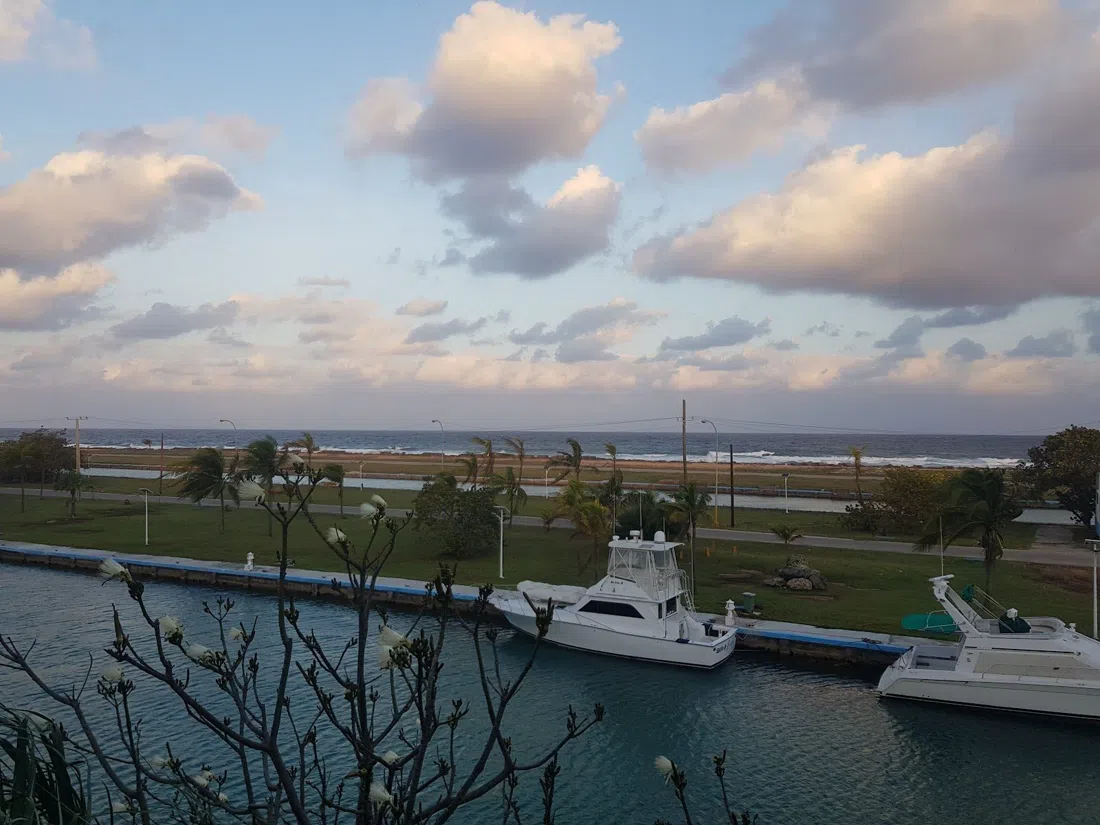
Five minutes from Fusterlandia, Marina Hemingway offers the natural way to stretch the visit into a half-day. Charters and sunset sails are booked per boat rather than per person, which makes it straightforward to arrange for groups of varying size — a couple can take a smaller boat, a larger party can charter accordingly. Pricing is charter-dependent and lands at $$$, covering everything from a short sportfishing trip to a slower sunset sail along the same coastline Fuster's mosaics look out over. Book through the marina directly or via your hotel's tour desk a day ahead rather than turning up expecting an open slot, especially in peak months.
Where to Base Yourself
Jaimanitas itself has no real hotel stock — this is a residential neighbourhood, not a resort strip — so groups pairing Fusterlandia with the rest of west Havana typically base at Meliá Habana, the nearest full-service option, a short drive away rather than in the neighbourhood proper. With 395 rooms and dedicated event and conference space, it's built specifically for incentive and group travel rather than boutique stays, and it functions well as a base for exactly that: a group splitting time between Fusterlandia, Marina Hemingway, and central Havana. It sits at the $$$$ end of the market. For other options across the city, the Havana hotel search covers the fuller range by neighbourhood and price.
Practical Info
Getting there: Jaimanitas is roughly twenty minutes by car from central Havana, along the coast road past Miramar toward Marina Hemingway. There's no useful public transport link — arrange a classic car tour, a private taxi, or a hotel transfer, and confirm the return trip before you set off, since hailing a car back from a residential street can take longer than expected.
Cash: Cuba remains largely cash-based away from the larger hotels, and Fusterlandia is no exception — bring cash for donations, art purchases at the house, and meals at the smaller restaurants like La Cueva del Zorro. Card acceptance is improving at bigger venues like Meliá Habana and Río Mar but shouldn't be relied on as a backup.
Timing: Go in the morning if you want the light for photography and fewer coach groups moving through the narrow staircases; Casa-Taller José Fuster opens around 9:30am Wednesday to Sunday and closes by 4pm, so it isn't a place to save for a late-afternoon add-on. Pair it with lunch at one of the three Jaimanitas restaurants above, then a boat trip or beach walk if time allows — the whole loop comfortably fills a half-day.
Budget: The mosaics and Chess Park cost nothing beyond whatever you choose to donate or spend on art. Lunch runs from $$ at La Cueva del Zorro to $$-$$$ at Santy Pescador or Río Mar. A classic-car tour or marina charter, both priced per vehicle rather than per person, are the main variable costs and are worth planning around group size rather than splitting evenly per head. For a fuller sense of how Fusterlandia fits into a wider Havana trip, see the Havana guide.