By October the Atlantic stops shoving itself over the Malecón wall every afternoon, the asphalt in Habana Vieja gives back less heat than it did in August, and the streets between Obispo and the harbour become walkable at two in the afternoon again. That is the honest case for a fall trip. The dishonest version leaves out the blackouts, the thin shelves, the restaurant that takes four days to answer an email, and the fact that your bank card is essentially a souvenir here.
The honest shape of a Havana autumn
Fall in Havana is two different months wearing one name. September and October sit inside the Atlantic hurricane season, which runs until the end of November, and their rain comes in short violent afternoon bursts instead of all-day grey. By late October the humidity slackens, evenings on a roof stop being an endurance test, and November is the month most people mean when they say Havana has good weather. If your dates are flexible, weight them towards the back half of the season. If they are not, leave the slack early: a weather day absorbed in the first few days costs you nothing, a missed connection at the end costs you the trip.
The grid is the other variable and the one nobody can time for you. Rolling power cuts are a standing feature of Cuban life, and while the central tourist districts are generally cut less often than the outer municipalities, less often is not never. What this means in practice is narrower than the headlines suggest: the serious restaurants, the clubs and the better places to sleep run generators, because a kitchen that loses refrigeration loses its stock. What you will notice is a lift that stops, a street that goes dark early, an air-conditioner that dies at three in the morning, and a phone you could not charge because you were out when the power came back. Carry a power bank and charge everything the moment you have current.
Supply is the third thing. Menus shrink and substitute without warning, and a place that had lobster on Tuesday may not have it on Thursday. That is what eating somewhere real looks like, so do not go in with a fixed dish in mind.
Where you sleep matters more this season than most. A generator, air-conditioning that survives the evening and a functioning lift are worth paying for in October in a way they are not in February, and properties here open and shut with occupancy. The Havana hotel search is the fastest way to see what is actually taking bookings for your dates instead of what existed last year.
Book the two tables that matter before you fly
La Guarida (Centro Habana) is the hardest table on the island and the one worth the effort. You climb a ruined marble staircase in a crumbling mansion, the same one that carried Fresa y Chocolate in 1993, past laundry lines and neighbours' doors, and arrive at dining rooms and a rooftop that have nothing in common with the stairwell. Mains run roughly $15-30 USD. Book weeks ahead through its own reservations page, and understand that patchy internet means replies can take days; secure it before you fly, not after you land. It takes private events and groups properly (weddings, rehearsal dinners, corporate receptions), so a party of twelve is a booking and not an imposition.
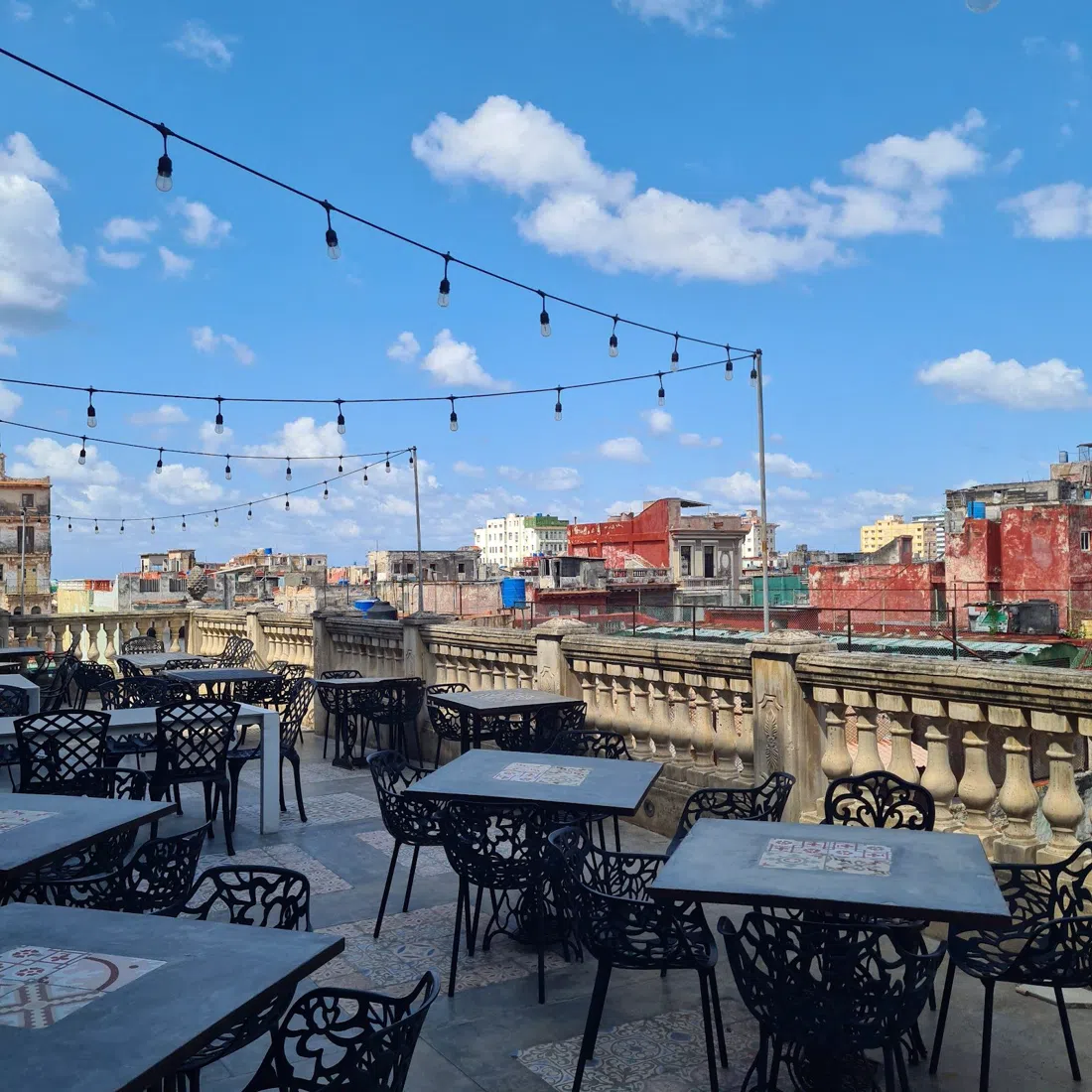
Atelier (Vedado) is the one locals push you towards when you complain about Old Havana prices. It sits at Calle 5ta No. 511 altos, behind the Meliá Cohiba, in a house that still feels like a house, and the kitchen is serious for mains around $10-20 USD. The upstairs terrace comfortably seats parties of eight to twelve, which makes it the sanest option in the city for a group that wants a real dinner instead of a set menu. Reservations are by phone, on +53 7 836 2025. An actual call, not a form.
Rooftops, a beer tower and the daiquiri question
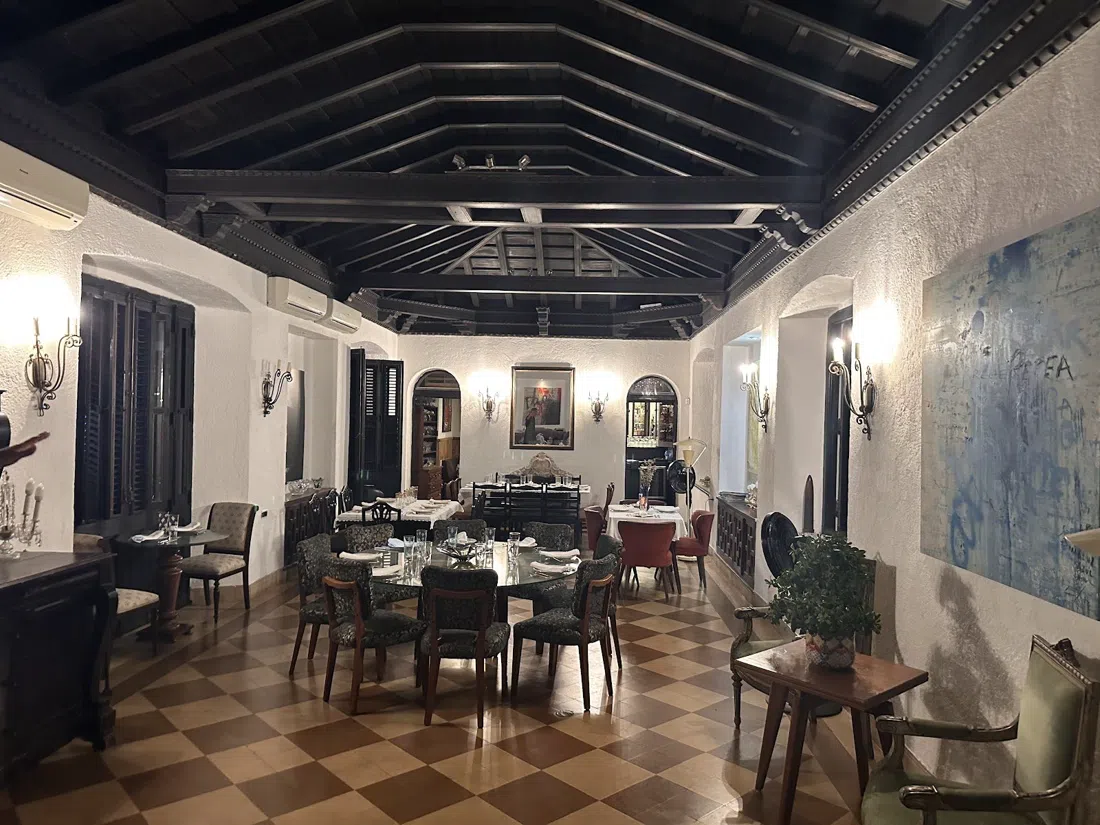
El Cocinero (Vedado) occupies a converted cooking-oil factory with a brick chimney you can see from three streets away, and its roughly 200-square-metre roof terrace is the reason to come. Mains sit around $12-25 USD. It is open daily and trades entirely independently of the art factory it shares a lot with, which is dark. That is worth knowing, because a lot of older advice treats the two as one night out. The terrace is explicitly set up for group dinners, birthdays and private hire.
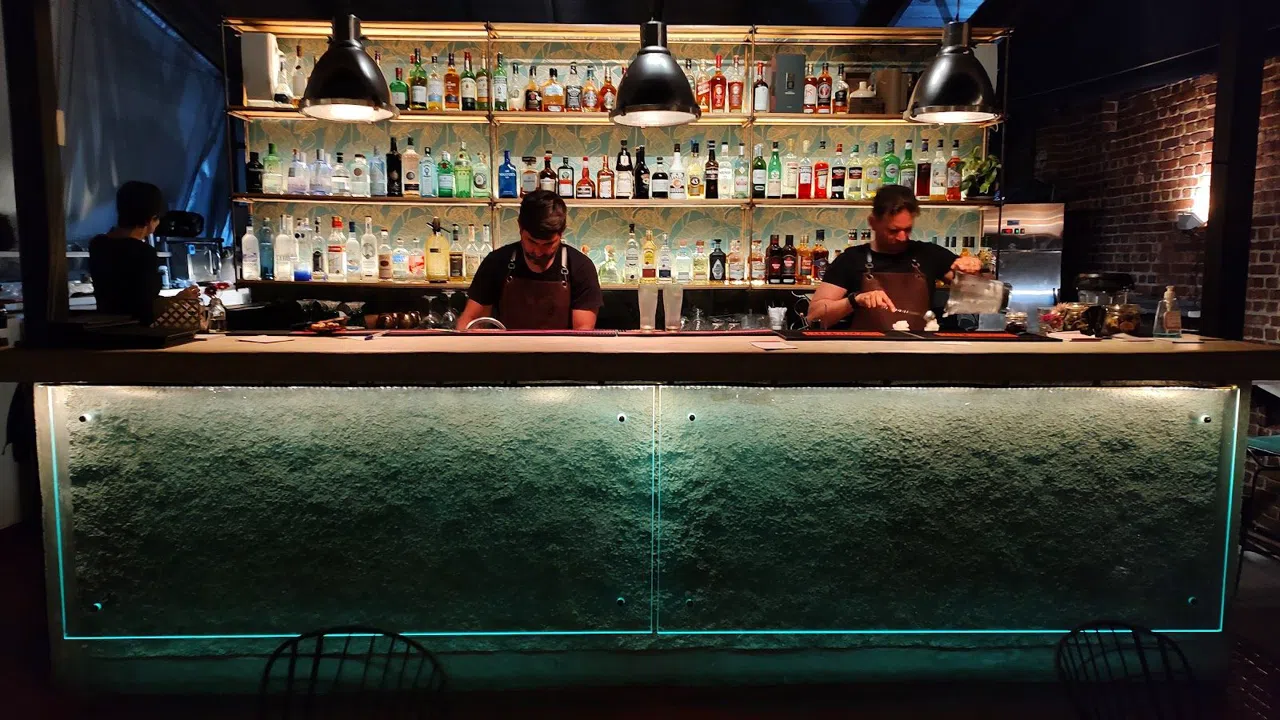
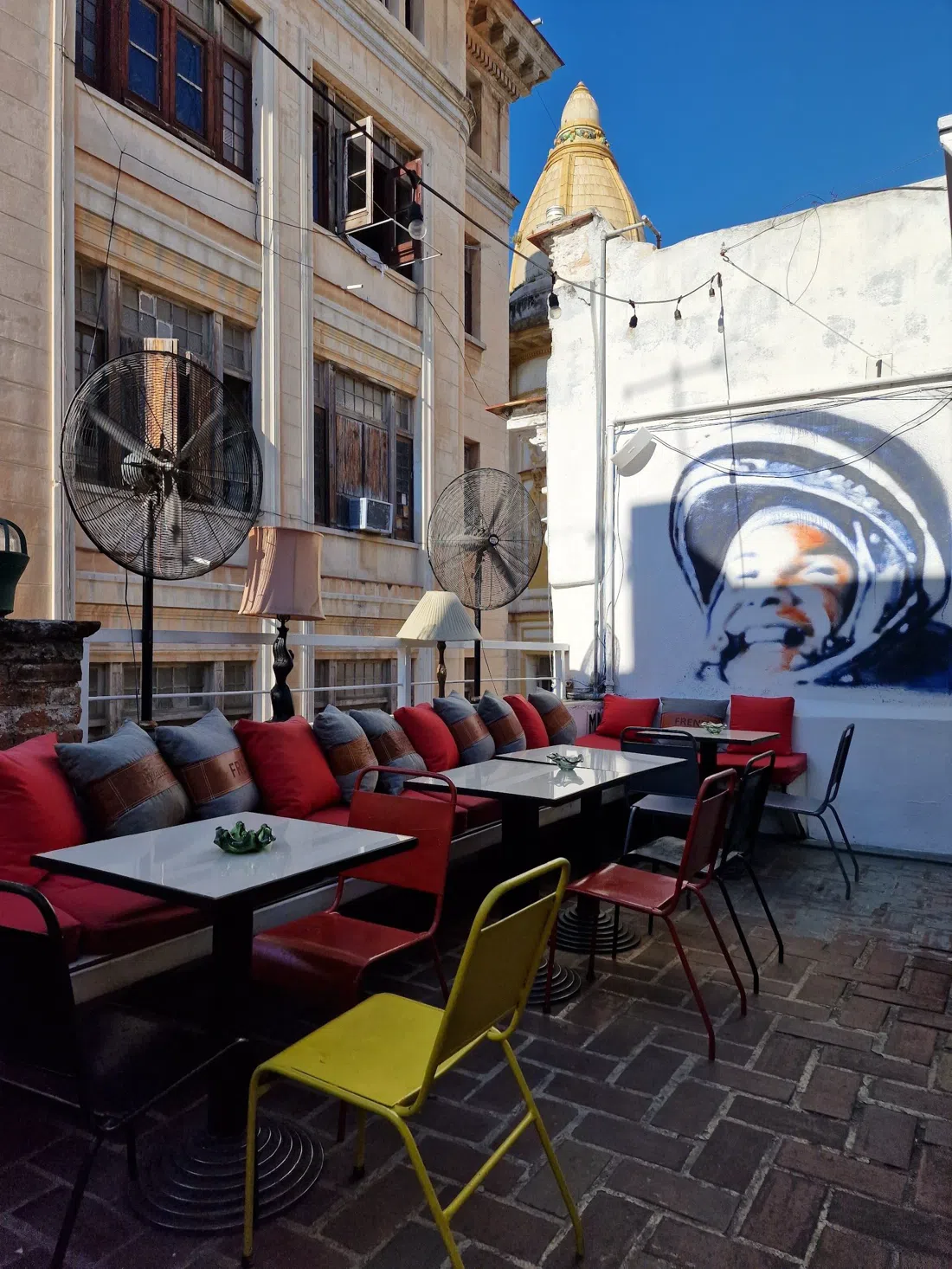
El del Frente (Habana Vieja, on O'Reilly) pours the best cocktails in Old Havana from a roof that feels like a friend's flat: mismatched chairs, a view over tin roofs and washing, small plates and drinks in the $8-20 USD range. The terrace is genuinely small, so anything over six people should call ahead. The same owners run O'Reilly 304 directly across the street, which is where the overflow goes and is a good room in its own right.
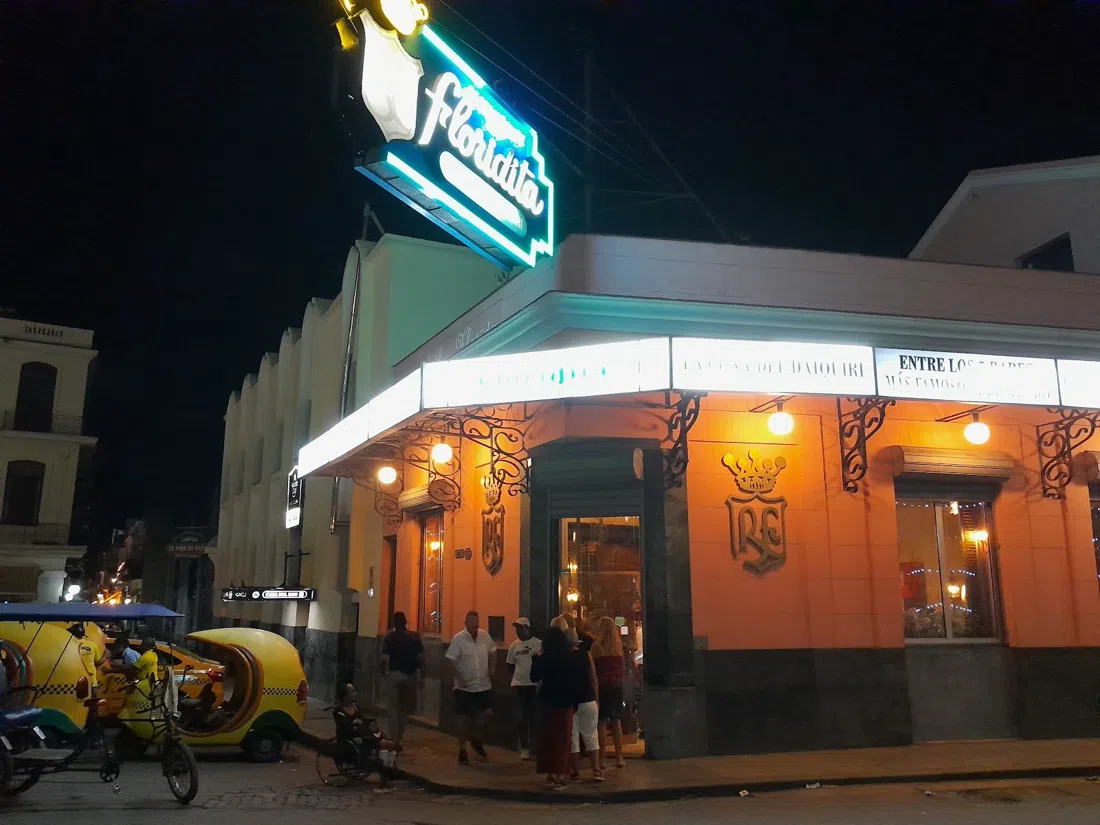
El Floridita (Habana Vieja, on Obispo) has been pouring since 1817 and invented the frozen daiquiri, which costs about $7.50 USD. It is unashamedly a tourist stop: largely standing room, a house band working hard, tour groups cycling through from opening to close, and no reservations taken. Go early in the afternoon and you get a bar with history in it. Go at nine and you get a scrum.
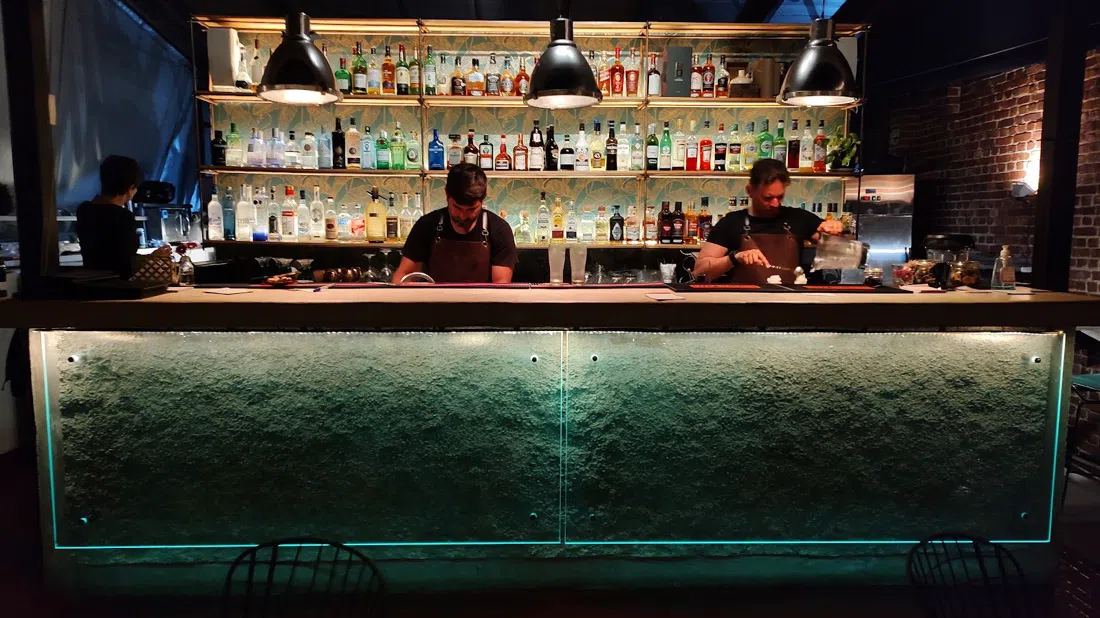
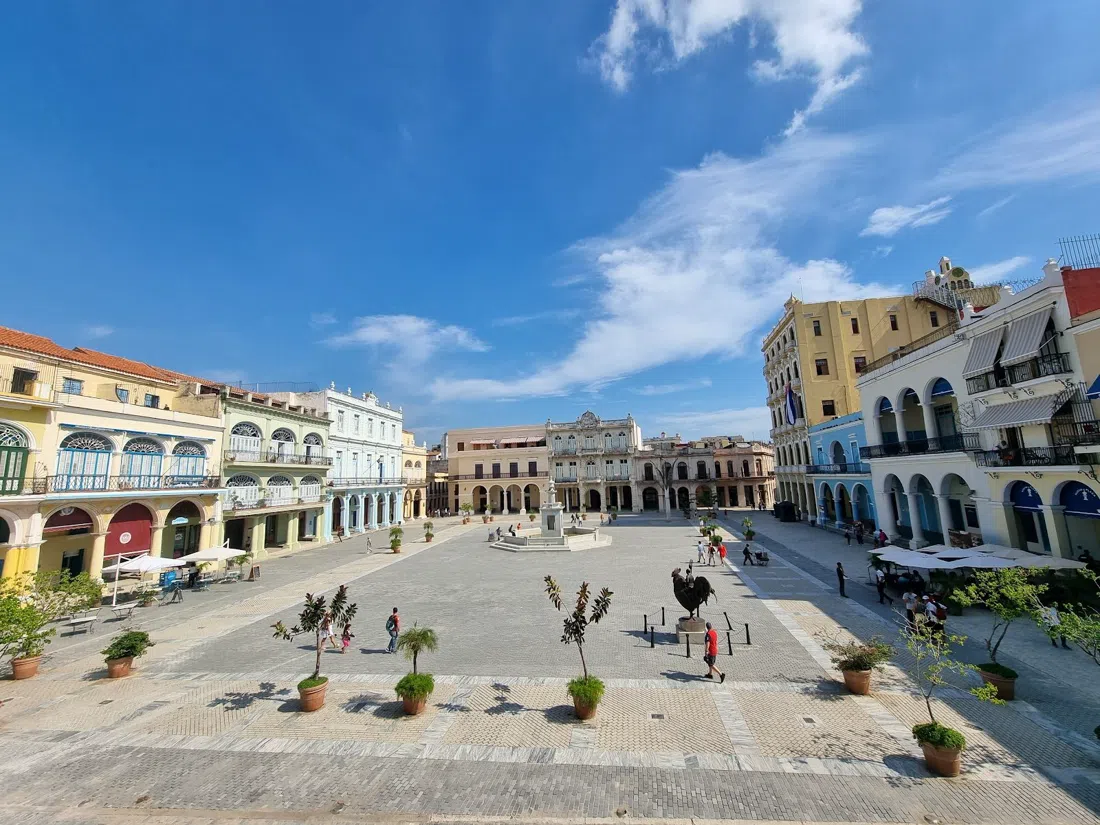
Factoría Plaza Vieja (Plaza Vieja, Habana Vieja) is the best group room in the old city and the least pretentious. It brews Clara, Oscura and Negra on site under the Taberna de la Muralla name, the house serve is a three-litre tower for roughly $10-18, there is a large outdoor terrace on the square and there is no door policy of any kind. The crowd is genuinely mixed Cuban and visitor, which on a square this photographed is rarer than it sounds.
What the nights are for
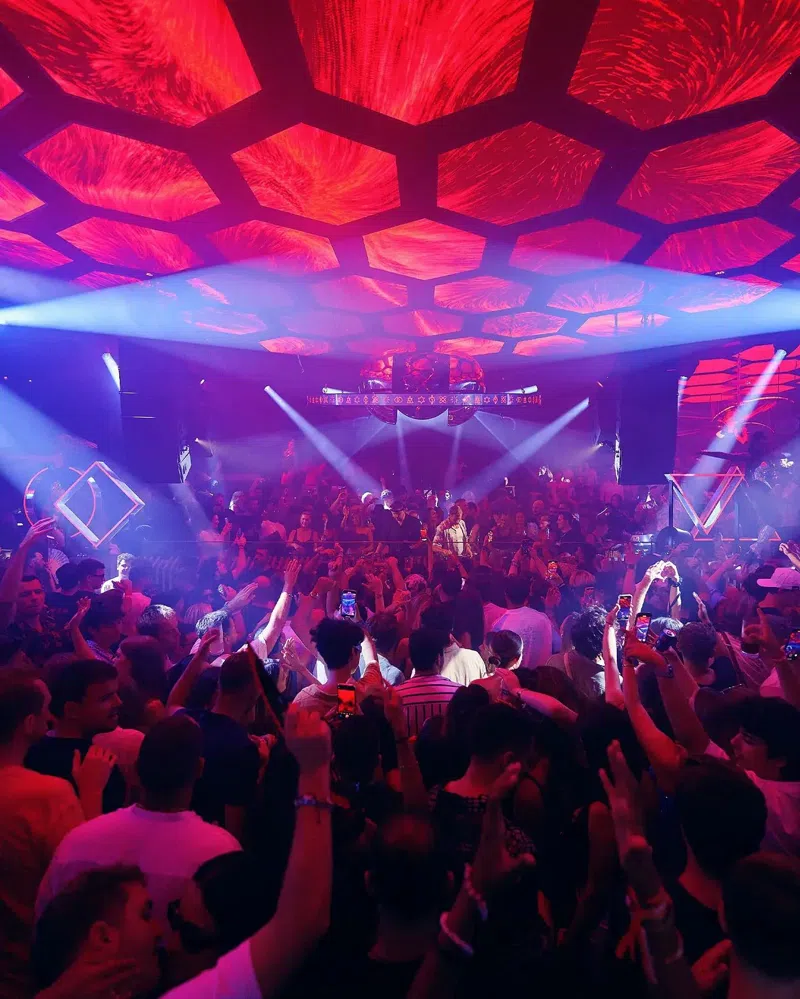
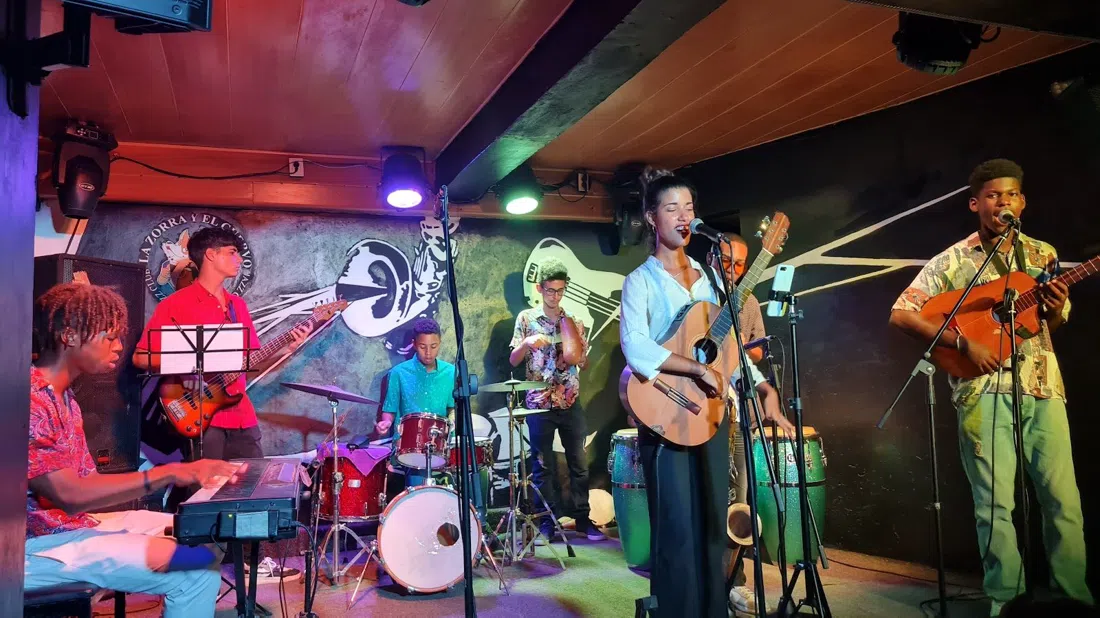
La Zorra y el Cuervo (Vedado, on La Rampa) is Cuba's best-known jazz cellar, entered through a red British phone box that is both the landmark and the whole of the signage. Doors are around 10pm and the music runs to the small hours; the cover is about $10-15 USD and usually includes a drink. There are no reservations and the room holds a hundred people, so a group over six needs to arrive at opening if it wants to sit together. Couples can turn up later and stand.
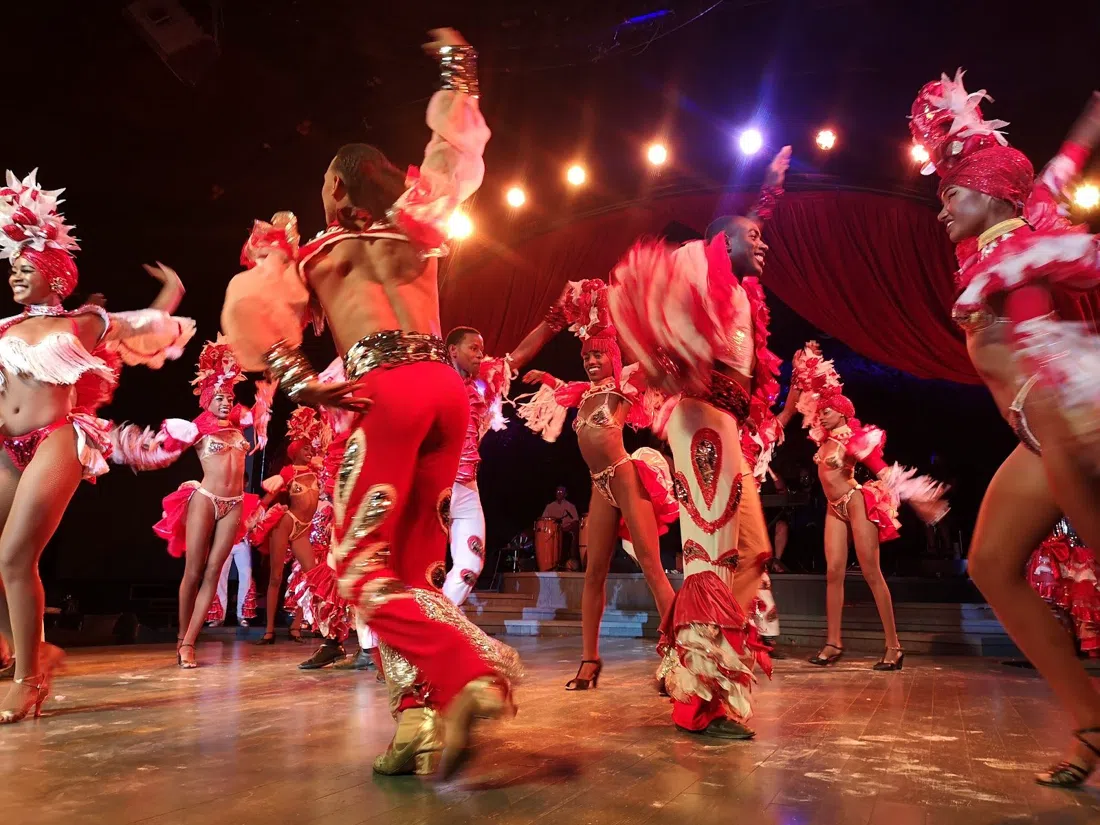
Cabaret Tropicana (Marianao) has run since 1939 and is exactly what it looks like: feathers, tiered open-air seating under the trees, a cast of dozens. Tickets run $85-150 USD per person depending on seat tier, with dinner packaged separately, and rum and mixers are included in the ticket. The show starts at 10pm and runs about two and a half hours. It is built for groups, and coach arrivals and operator block-booking are the norm here. It is also open-air, which in a wet month should shape which night you pick.
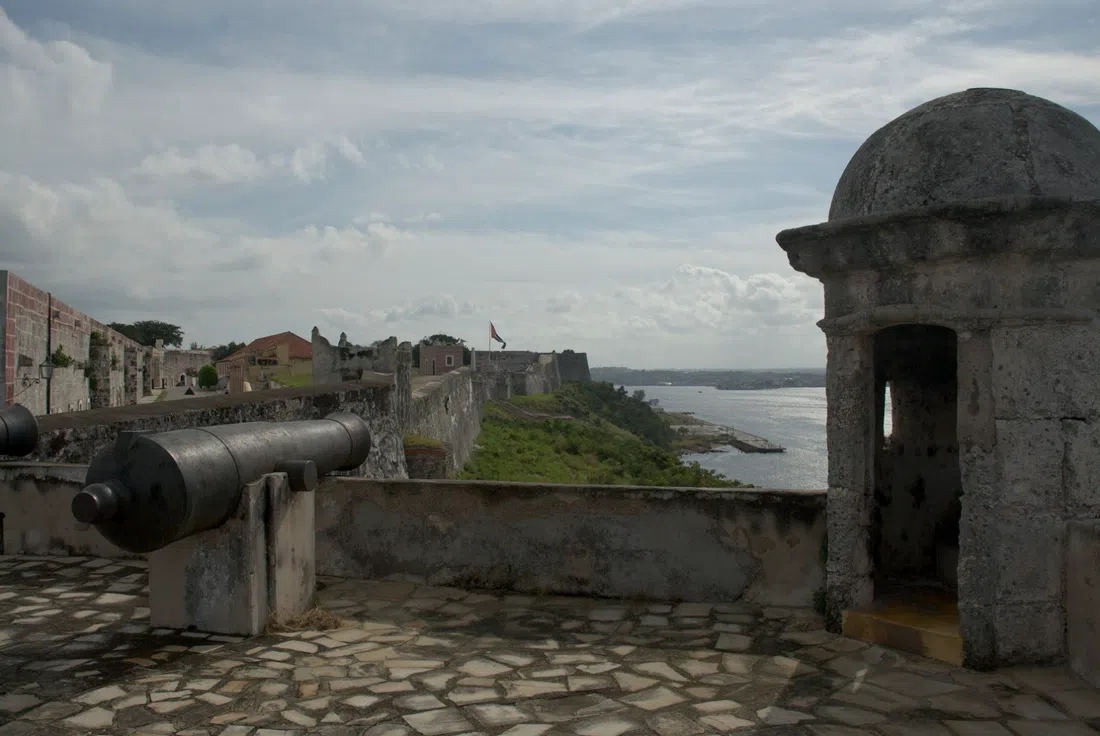
Fortaleza de San Carlos de la Cabaña (across the harbour from the old city) stages the cañonazo every night at nine, an unbroken 18th-century ceremony in which soldiers in period uniform fire the cannon that once announced the closing of the city gates. Entry is around $5-10 USD; organised evening excursions with transport included run roughly $25-40 and are worth it purely for the return journey. The fortress is vast and designed for crowds, so group size is irrelevant here, and the walls give you the best vantage point in the city for the skyline after dark.
Ballet season and the hours you spend indoors
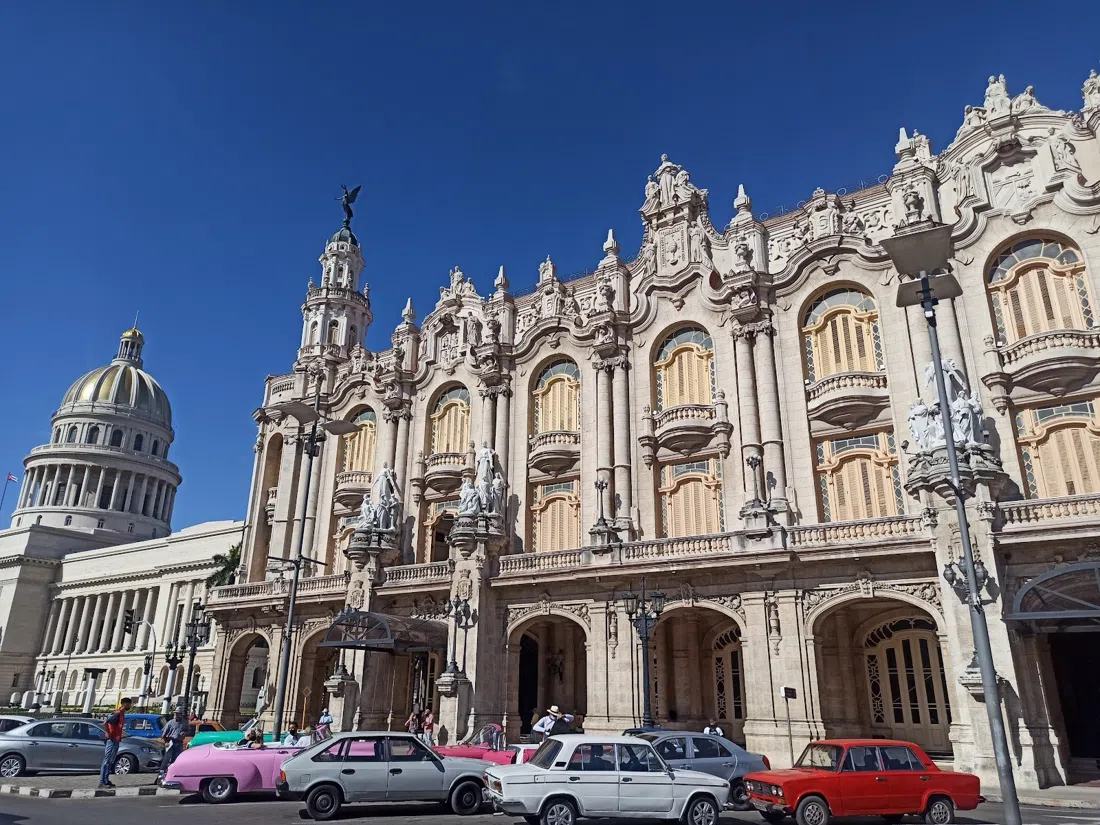
Fall is the strongest stretch of the year at the Gran Teatro de La Habana Alicia Alonso (Paseo del Prado, on the edge of Habana Vieja). The 29th International Ballet Festival 'Alicia Alonso' runs here from 28 October to 6 November 2026, with satellite performances at two other city theatres, and the house, home of the Cuban National Ballet, seats well over a thousand, so you can realistically get a ticket. Even outside performance nights there are daily guided tours, roof terrace included, for around 600 CUP. Programme pricing varies.
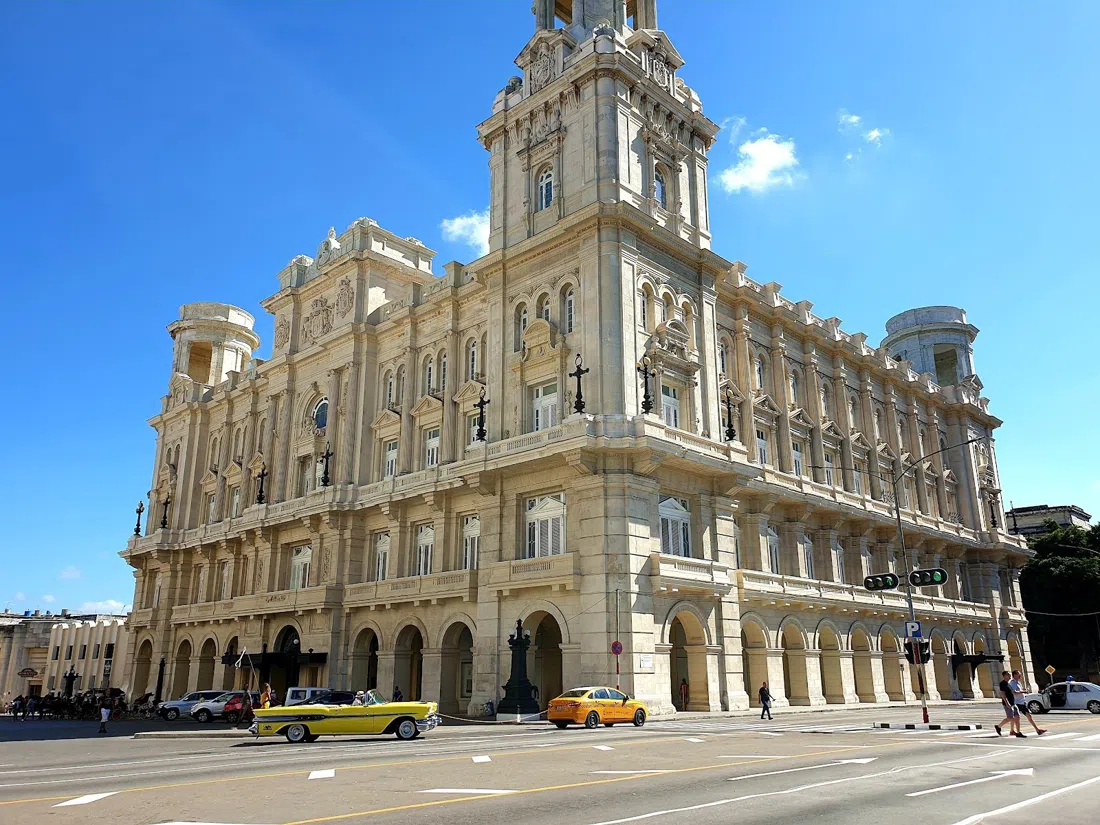
When the afternoon rain settles in, the Museo Nacional de Bellas Artes de Cuba (Habana Vieja, by Parque Central) is the best three hours in the city. It is the most complete collection of Cuban art anywhere, split across two separate buildings (Cuban work in one, universal art in the Centro Asturiano) on a single combined ticket of roughly $5-8 USD equivalent. It closes on Mondays, shuts early on Sundays, and hours can shorten at short notice, so confirm on the day and trust no printed schedule, including this one.
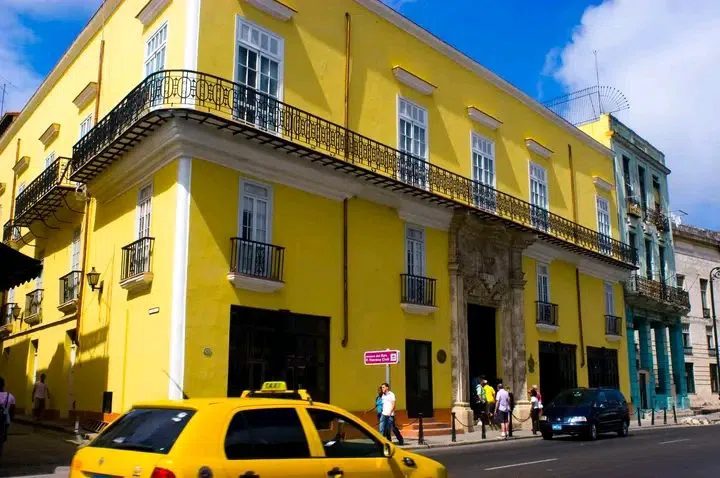
The Museo del Ron Havana Club (Habana Vieja, San Pedro at Sol, opposite the port customs house) runs guided tours every fifteen minutes in Spanish, English, French, German and Italian. It costs about $15 USD, takes under an hour, is properly made for what it is, and ends with a drink instead of a gift shop. Book if you are more than a few people.
Out past the edge of the city
Two of Havana's best sights are nowhere near the centre, and the practical answer to both is the same. Old Cars Havana (office at Obispo 1, Habana Vieja) runs a fleet spanning 1935 to 1960 on private bookings only, no shared coach tours, at roughly $40-60 USD per car per hour, with convoys of about three convertibles per nine people and minibuses for larger parties. They also run longer days west into the tobacco country, priced considerably higher.
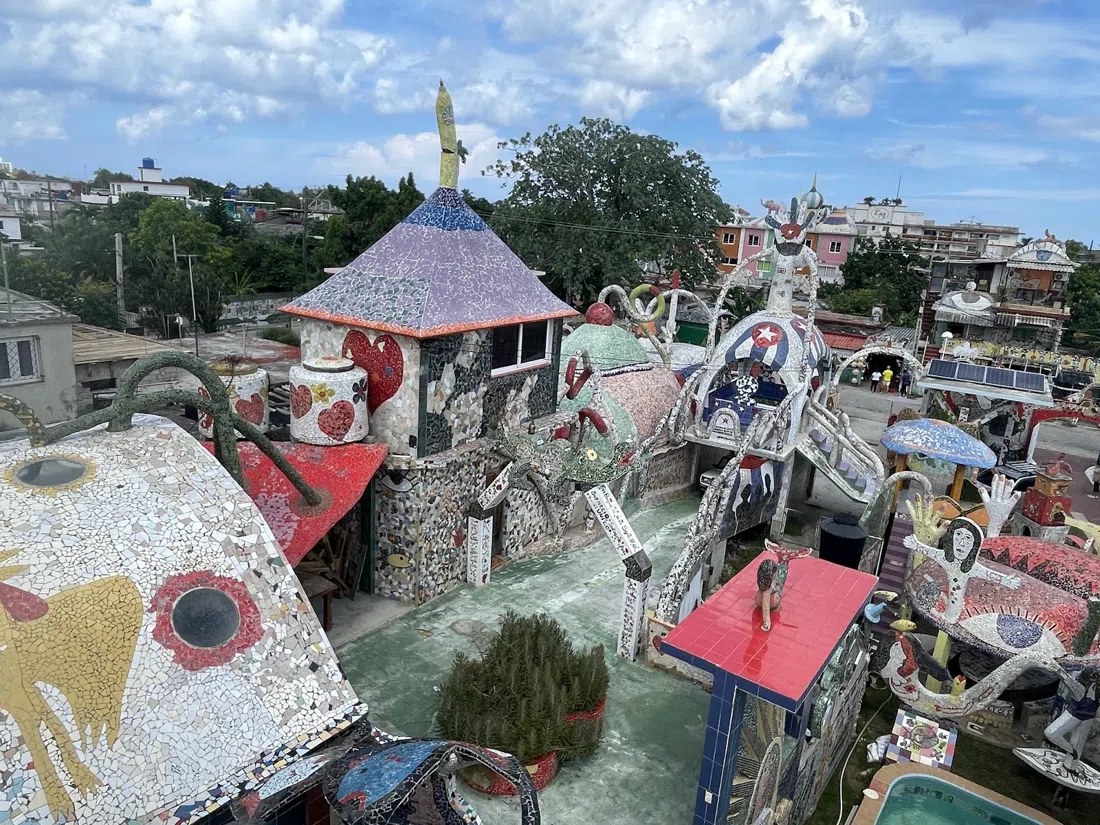
Fusterlandia (Jaimanitas, about thirty minutes west of the centre) is what happened when José Fuster spent fifty years tiling his own house and then his neighbours': gates, benches, rooftops, entire façades in mosaic, street after street of it. The house and studio are free to wander, doors open from morning until about 5pm, and entry is 100 CUP, which at street exchange rates is a few cents. It sits on the hop-on-hop-off route 2, so coach arrivals are routine and mid-morning is the calm window.
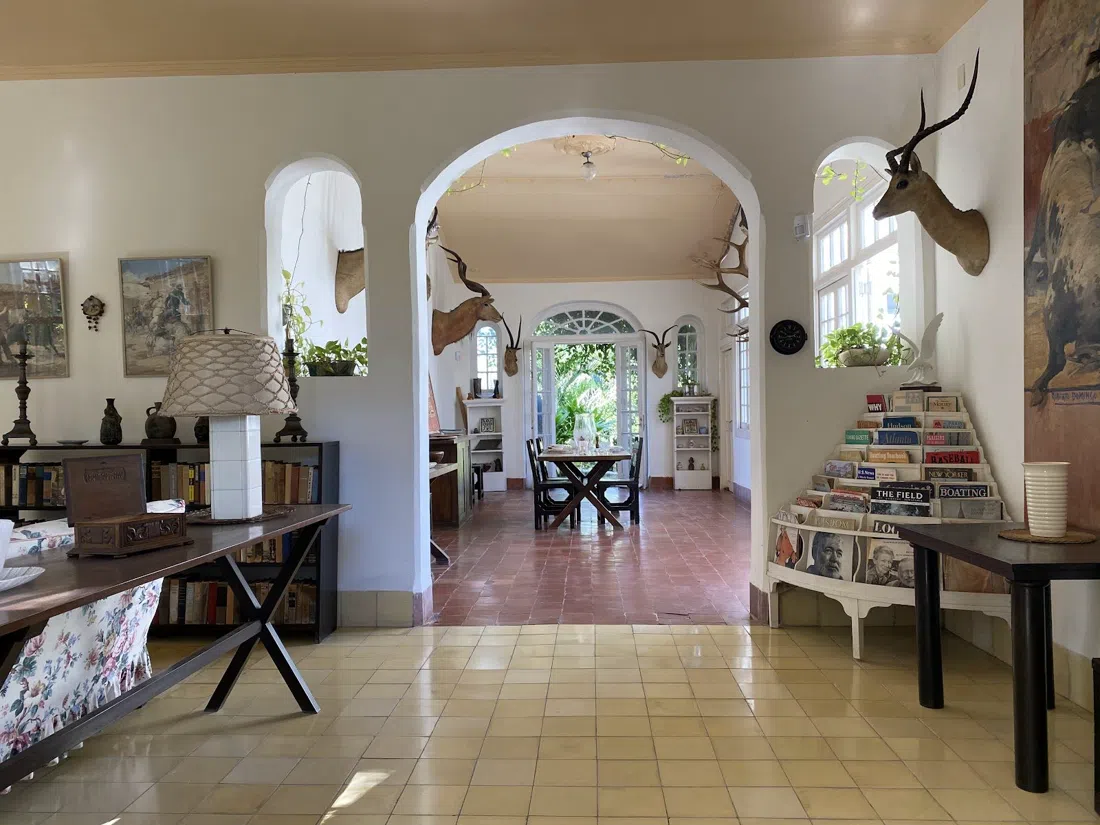
Museo Hemingway Finca Vigía (fifteen kilometres southeast of the centre) is the house Hemingway left in 1960, preserved as he left it. You view the interior through open doors and windows instead of walking through the rooms, so coach groups rotate past in turns and the visit is shorter than the drive. Entry is around $5 USD plus a camera fee. Both of these make far more sense as one long car day than as two taxi round trips.
Sunday at noon in Cayo Hueso
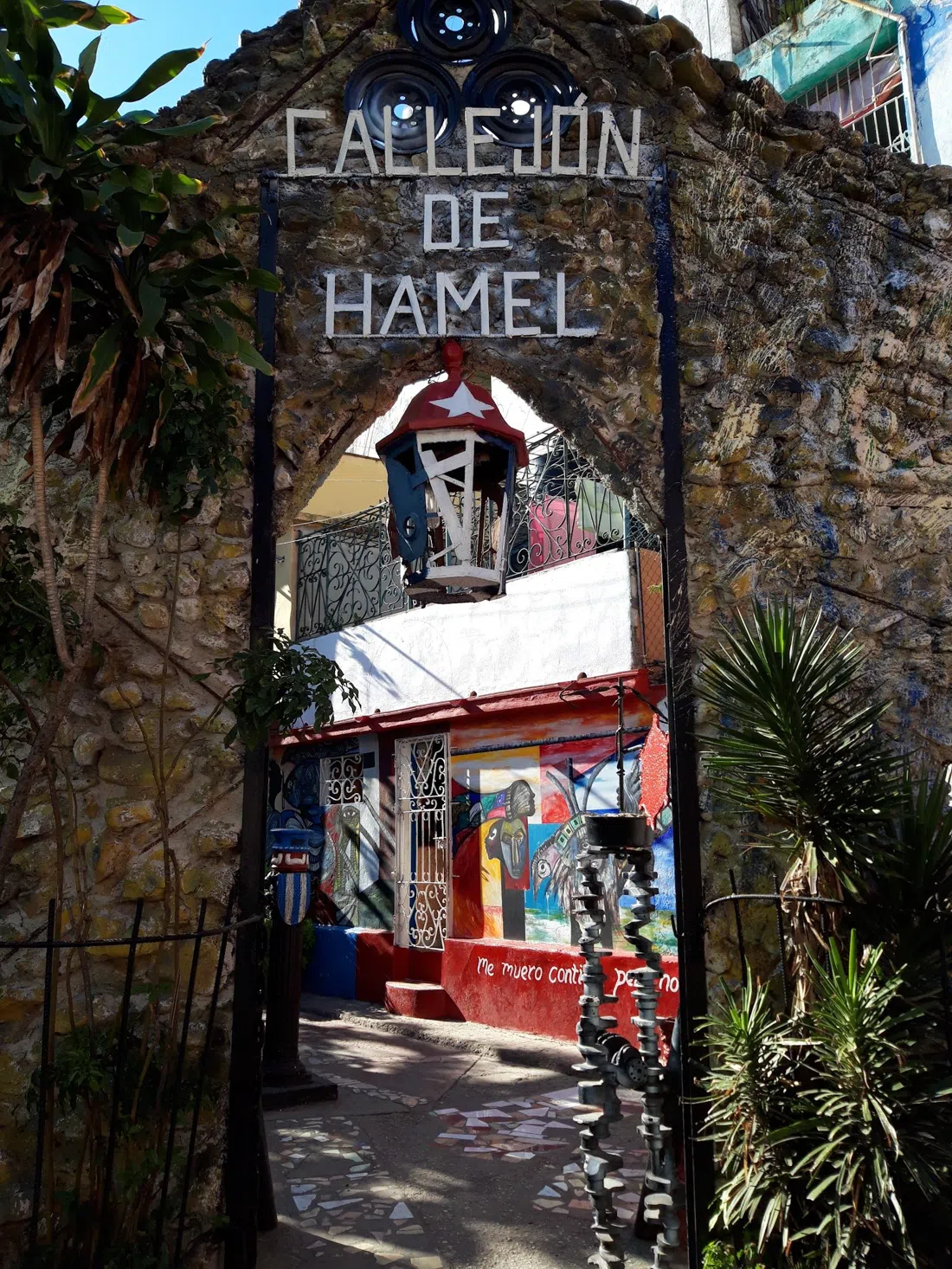
Callejón de Hamel (Cayo Hueso, Centro Habana) is Salvador González Escalona's Afro-Cuban alley: murals, sculpture assembled from bathtubs and pumps, painted proverbs down both walls. Any day of the week you can walk it for free and read it properly. On Sundays the rumba starts around noon and the alley fills shoulder to shoulder, which is the real draw and also the reason pickpocketing warnings attach to it. It is a public street with no door policy and no size limit; bring small notes for the band, expect to pay a few dollars for a drink, and keep your bag in front of you.
Whether Havana is worth it this fall
Yes, with conditions, and every condition is logistical. Nothing in this article is diminished by the season. The rumba still starts at noon, the cannon still fires at nine, the ballet is at its strongest in these exact weeks, and there are fewer people between you and any of it. What the season costs you is preparation: cash you carried in, tables booked from home, a plan that survives an afternoon of rain, and tolerance for a city that is visibly short of things. If that reads as too much friction, wait for spring. If it reads as the price of seeing somewhere properly, come, and use the Havana guide to line up the rest of the trip around the fixed points above.
Practical notes for a fall trip
Cash first. Bring every peso of your trip budget in physical euros or US dollars, plus a real cushion. Foreign cards are unreliable at best, ATMs will not rescue you, and cards issued by US banks do not function at all. Convert in small amounts as you go, keep the bulk in the room safe, and carry small denominations for tips, bands and 100-CUP entry fees.
On transport, classic-car hire by the hour is the efficient way to cover anything outside the centre; ordinary taxis are fine for short hops, but negotiate the fare before the door shuts. Habana Vieja, Centro Habana and the near end of Vedado are all walkable to each other in daylight. After dark, take a car.
On timing, late October into November gives you the best combination of temperature and dry days, and the ballet festival falls neatly across that hinge, from 28 October to 6 November 2026. Museums shut on Mondays, the rumba is Sunday only, and Tropicana starts at ten while the cannon fires at nine, so they cannot share an evening.
On budget, a realistic day of it (a serious paladar dinner, drinks on a roof, a museum and a jazz cover) lands around $60-90 USD per person before accommodation. Add a car half-day at $40-60 per hour, or a Tropicana ticket at $85-150, and plan those as the two big line items instead of trying to do both on the same day.