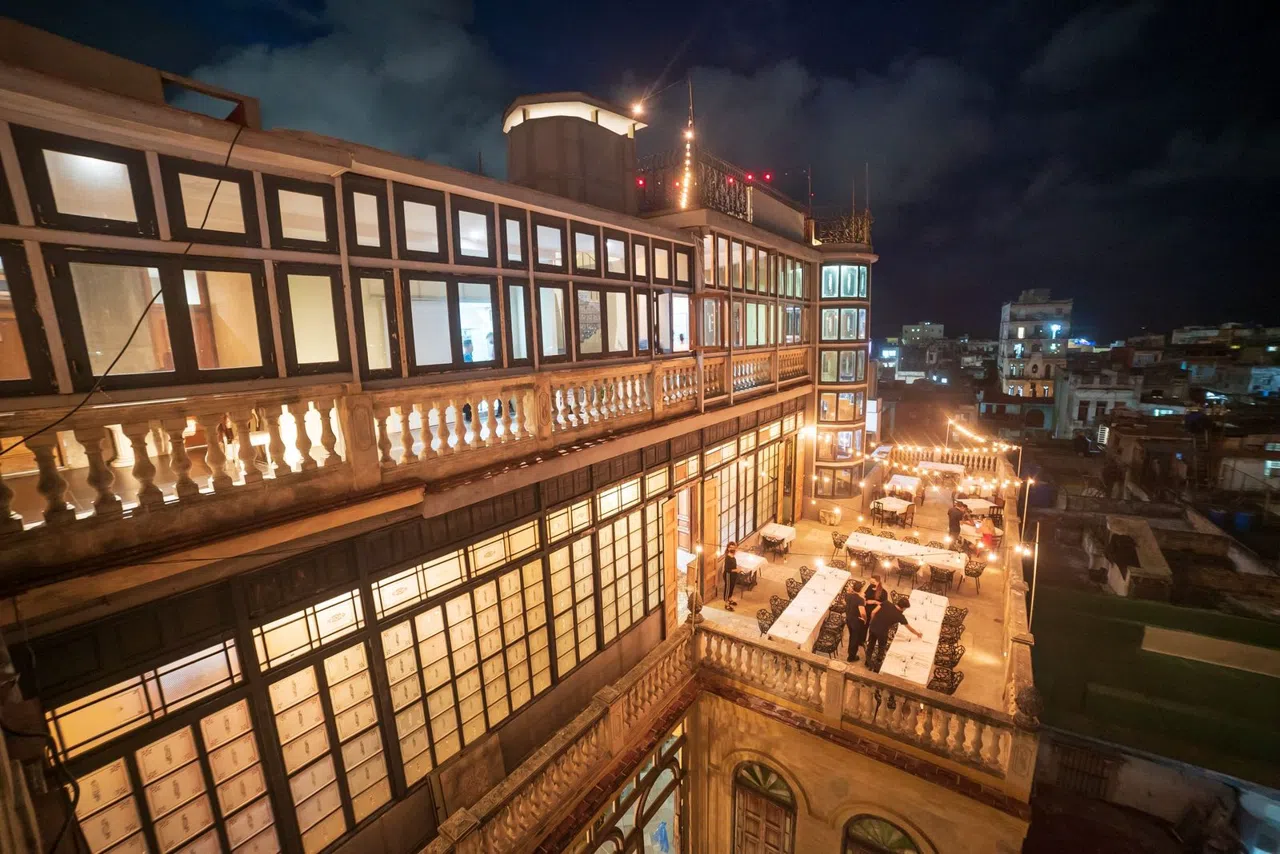
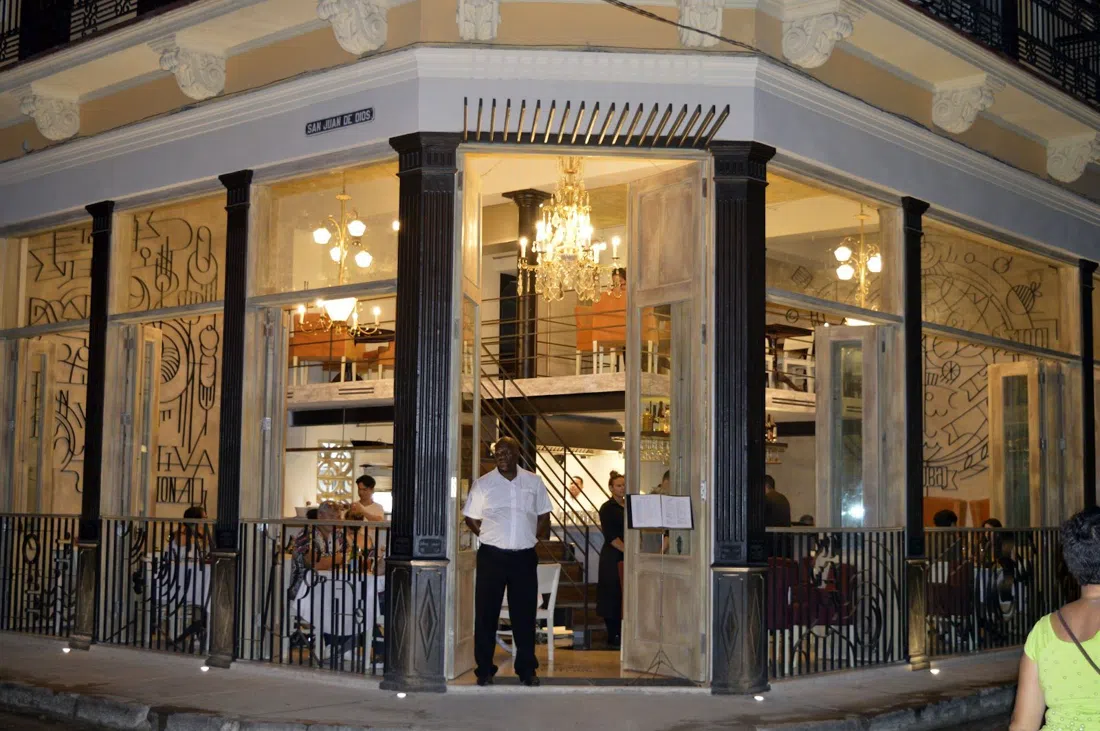
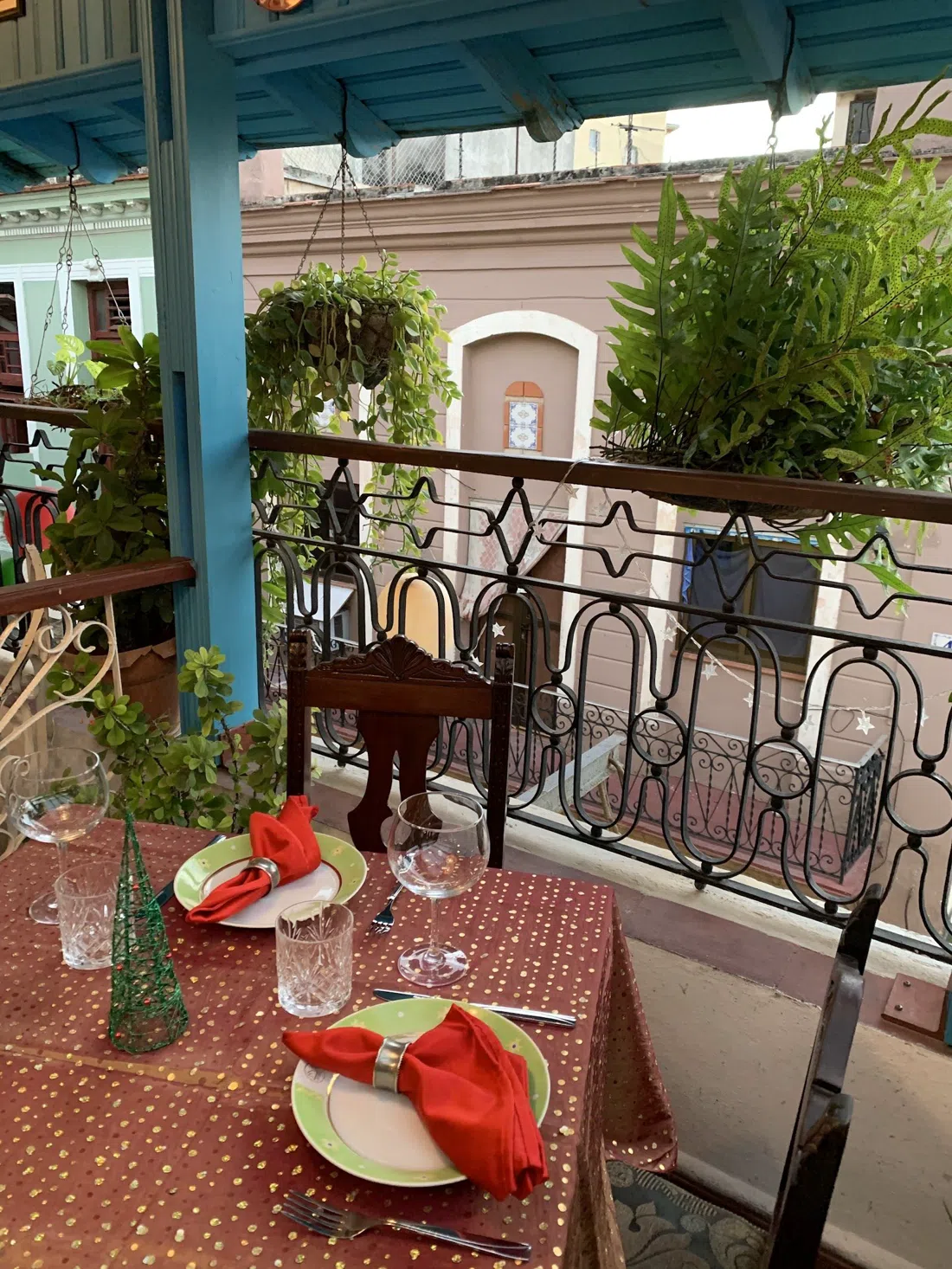
Ring an unmarked doorbell on a Centro Habana side street, climb three flights of a converted apartment block, and you may find yourself seated at what used to be someone's dining table, ordering off a menu handwritten that morning, brought to you by the son of the woman still working the stove behind a half-open kitchen door. This is Havana's paladar scene: restaurants born out of necessity in private homes during the hungriest years of the 1990s, now the backbone of how the city actually eats out. Three decades on, the kitchen window has in some cases become a full dining room, the dining room has become several floors of a converted mansion, and the grandmothers who started it all are, in a handful of places, still cooking.
Born in the Special Period: Why Private Kitchens Became Restaurants
The word paladar comes, oddly, from a Brazilian soap opera — a fictional restaurant chain whose name Cubans borrowed when the government legalized small-scale private dining in 1993, in the depths of the Special Period. With Soviet subsidies gone and the economy in freefall, the state allowed families to sell meals from their own homes, capped at a handful of seats, no advertising, no hired staff outside the family. It was a survival measure, not a hospitality strategy. What happened next is the story this article is about: some of those living-room operations never grew past a few tables and a short daily menu; others expanded, room by room, floor by floor, into some of the most interesting restaurants in the Caribbean.
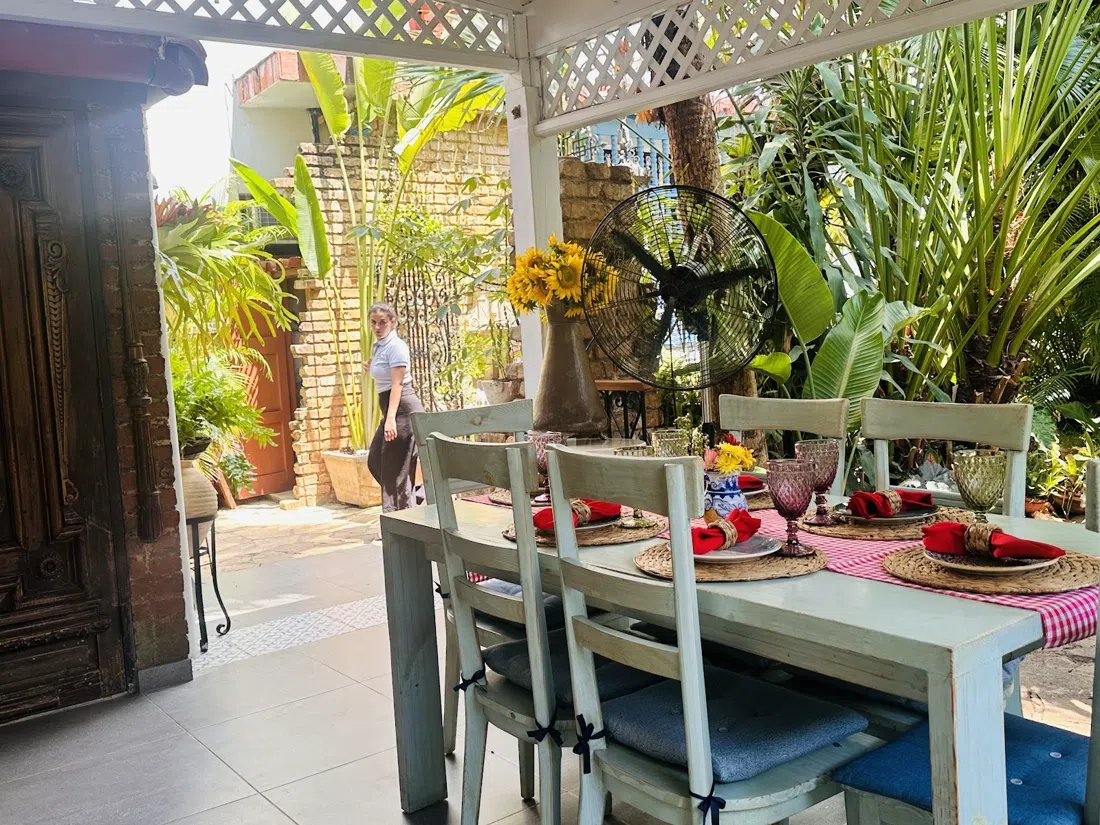
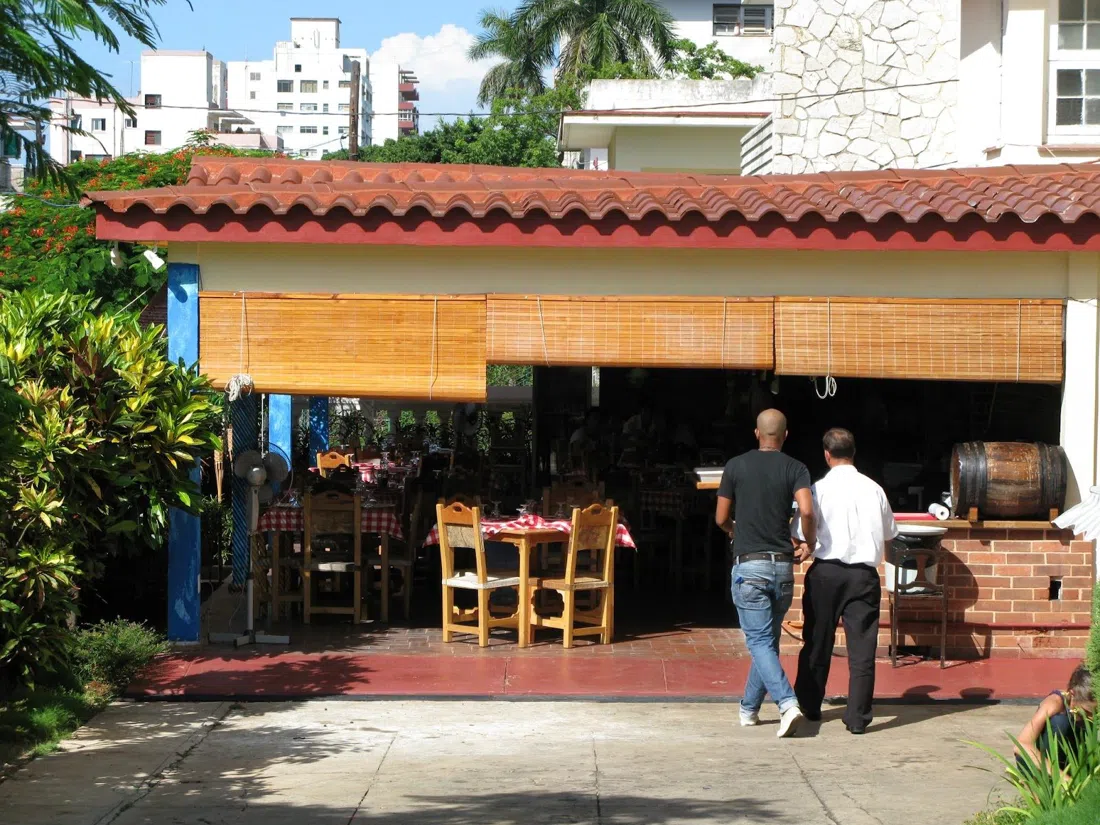
La Cocina de Lilliam (Miramar) is the clearest living link to that first wave. Opened by owner-chef Lilliam Domínguez during the original 1990s boom, it's one of the oldest paladares still operating in Havana, and it still runs the way the format was meant to — garden seating, a menu built around what's good that day, an owner who remembers the years when this was a genuinely risky thing to be doing. It suits larger groups well since the garden has the room, but book ahead for dinner, when it fills fast with people who've been coming for twenty years.
The Paladar That Started It All
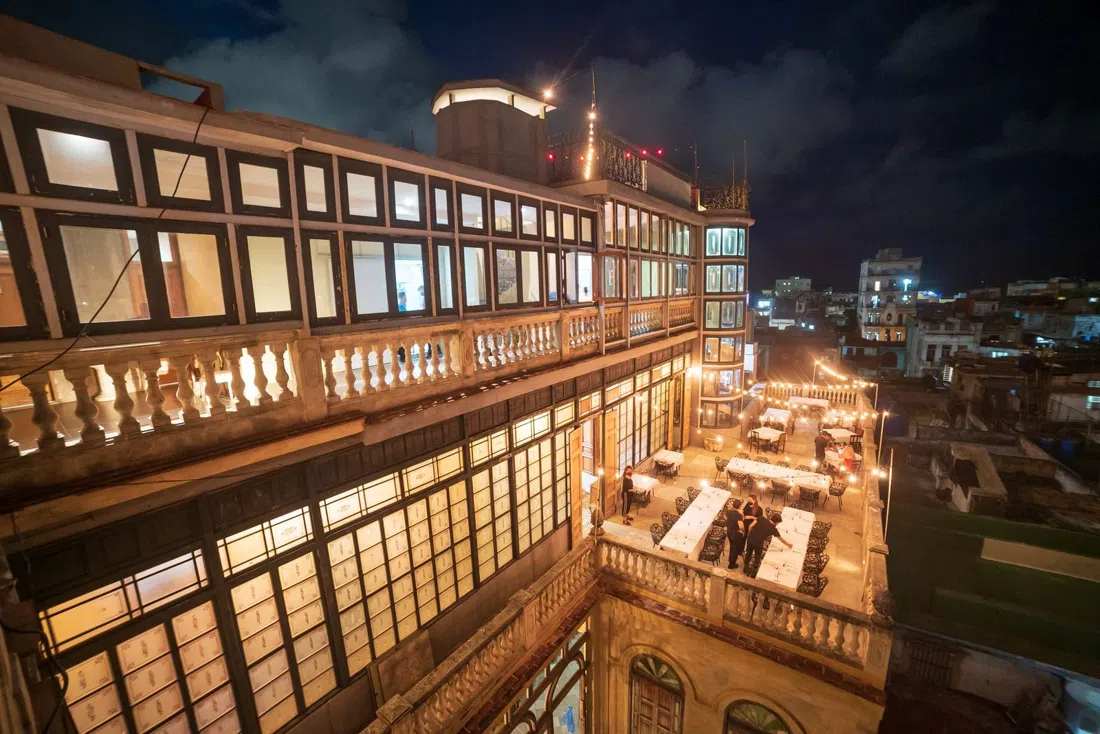
No single restaurant did more to put Havana's home-dining scene on the international map than La Guarida (Centro Habana), and it did it by accident. The apartment building it occupies was the set for Fresa y Chocolate, the 1993 Cuban film that became an unlikely global arthouse hit, and the paladar that opened in its stairwell shortly after rode the film's fame into becoming the benchmark every subsequent Havana restaurant has been measured against. It has grown accordingly — several dining rooms across the building plus a rooftop, a menu built for fine dining rather than home cooking, and prices to match at $25–45 per person. It takes groups across its various rooms, but book weeks out by phone or email; this is the one paladar in Havana where a same-day booking almost never works. If you only eat at one place in this article, the argument for La Guarida is that it's the whole revolution in miniature: a family kitchen that became an institution without ever quite losing the sense that you're a guest in someone's home, not a customer in a restaurant.
The Grandmothers Still Cooking: Havana's Home Paladares
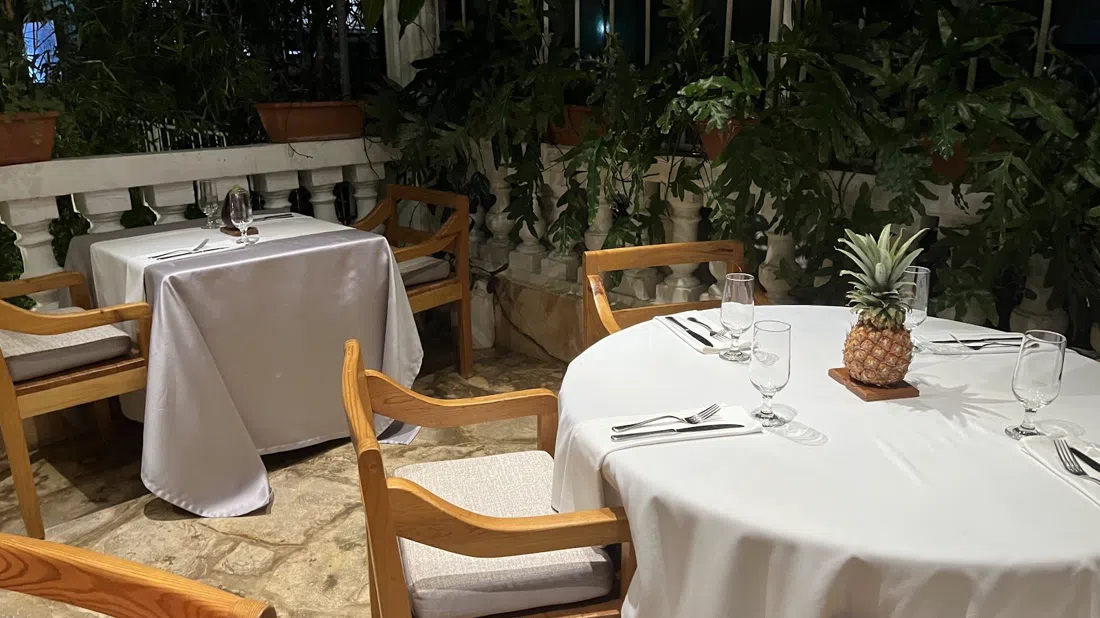
The places worth seeking out hardest are the ones that never expanded — the ones where you still need the exact address, because there's no sign and no listing that quite gets you there. Doña Eutimia (Habana Vieja, tucked into the Callejón del Chorro just off the Plaza de la Catedral) is the archetypal example, and arguably the one this whole genre is named after in the popular imagination: a tiny family-run room with a short daily menu and a ropa vieja that's widely rated the best version of the dish in the city. It seats two to four people comfortably and gets uncomfortable fast beyond that — if you're a larger group, call ahead and be honest about numbers, because the tables genuinely aren't there otherwise.
Grados (Vedado) is smaller still, and more personal — a mother and son who still run the kitchen together, cooking recipes that read like a direct transcript of a family's Sunday dinners rather than a restaurant menu. It's comfortable for groups under eight with a reservation, but this isn't a walk-in spot, and it isn't trying to be. Paladar 5 Sentidos represents the next generation of the same idea: a home paladar built around a tasting-style progression of small, considered plates rather than the old steam-table format of rice, beans, and a protein. It works best for groups of six or fewer, and it's the paladar to pick if you want to see how the format is evolving rather than how it started. Nao Bar Paladar, near the harbour in Habana Vieja, is the purest find-the-address experience left in the city — very small, very intimate, genuinely suited to couples or a pair of friends rather than any kind of group, and worth the slight hassle of tracking down precisely because it hasn't been smoothed out for tourism.
From Family Recipe to Tasting Menu: The Fine-Dining Wing
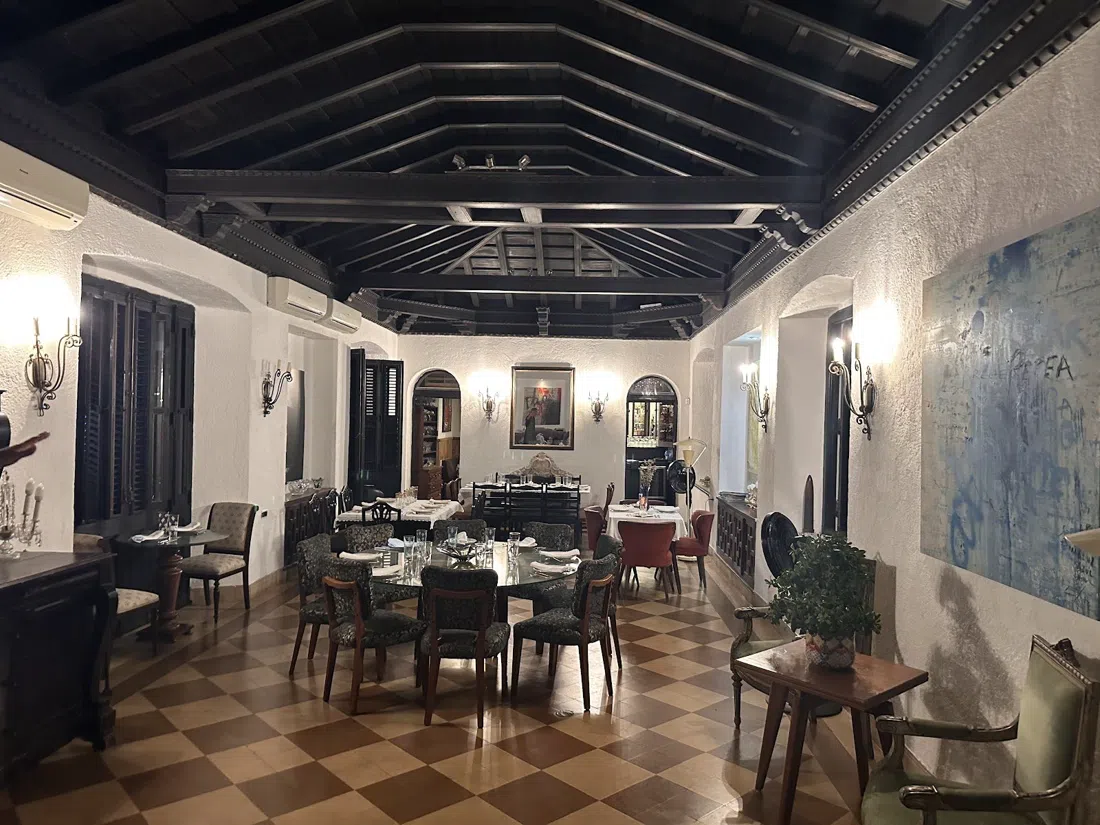
Not every paladar wanted to stay small, and Atelier (Vedado) is the clearest example of how far the format has travelled from its origins. The menu changes constantly, the plating is contemporary, and the whole operation reads as a serious restaurant first and a family kitchen a distant second — which is exactly the point. It shows what happens when the paladar idea is taken to its logical extreme: not a bigger version of grandma's kitchen, but a genuinely upscale Cuban restaurant that happens to have grown out of one. It takes groups, but book two to three days out; at $20–40 per person it sits toward the top of the paladar price range, and the kitchen runs a tight enough ship that walk-ins are a gamble.
Multi-Room Mansions for Groups and Celebrations
A cluster of paladares solved the group-dining problem the practical way — by taking over an entire house. Paladar San Cristóbal (Centro Habana) is the most famous of these, largely because Barack Obama ate there during his 2016 visit, but it earns its reputation on the food rather than the photo opportunity: a real Centro Habana home converted, room by room, into a restaurant that can now handle a genuine crowd. Reserve ahead regardless of group size — the fame means it fills up on reputation alone.
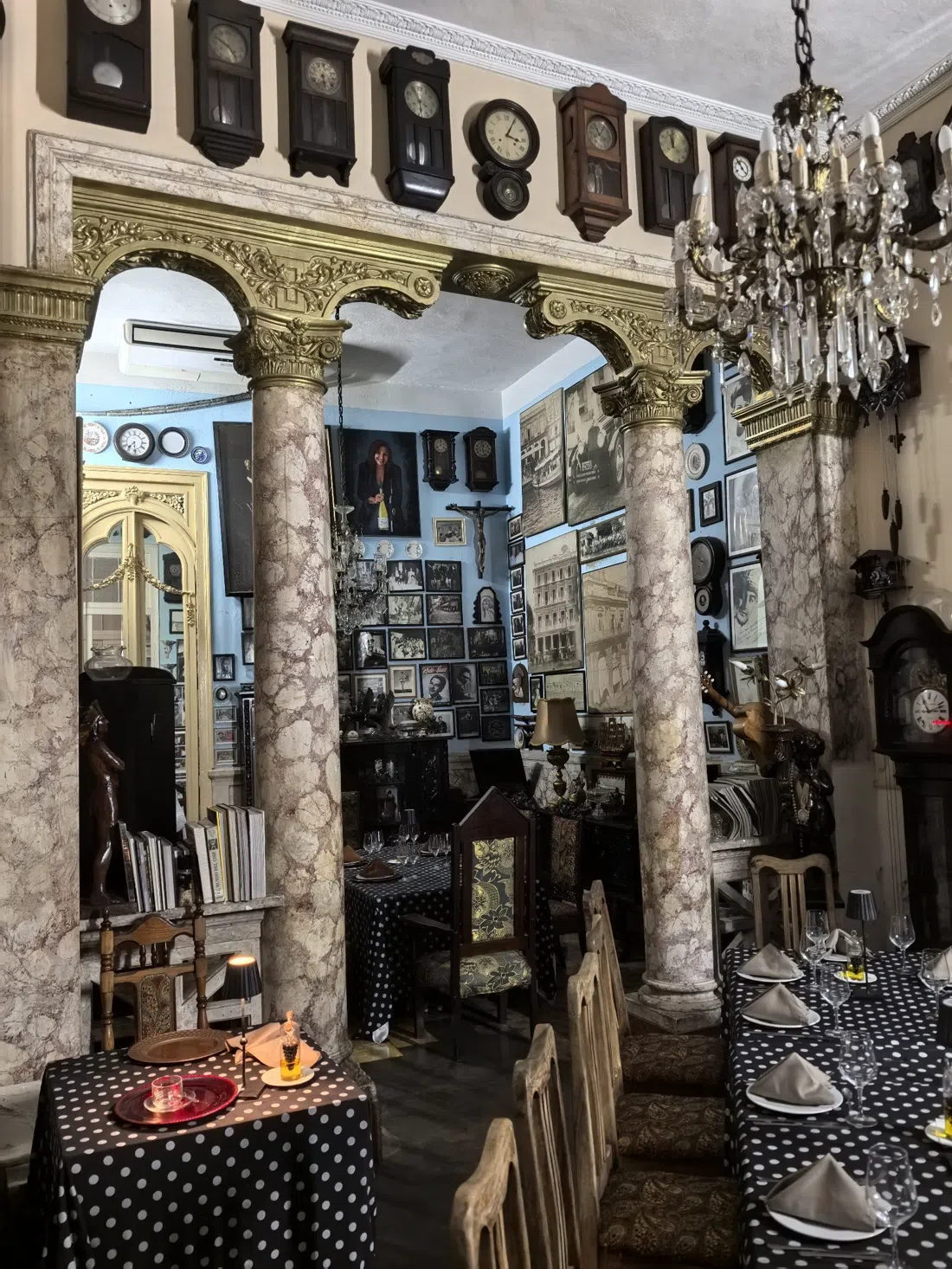
Los Mercaderes (Habana Vieja, on the street of the same name) is the pick specifically for readers travelling as a group or planning a celebration. It's built for exactly that: colonial-era grandeur, live music most evenings, and set group menus that take the guesswork out of ordering for a table of ten, all without losing the sense that this started as a family operation rather than a hotel banquet room. Iván Chef Justo (Habana Vieja) offers something none of the others can — a direct personal link between revolutionary-era Cuban cooking and the current paladar boom, via a chef who once cooked for Fidel Castro himself. It's spread across multiple floors and takes groups comfortably with a reservation, and the history is worth asking the staff about over dinner rather than reading about beforehand.
Rooftops, No Reservations, and the Backpacker Circuit
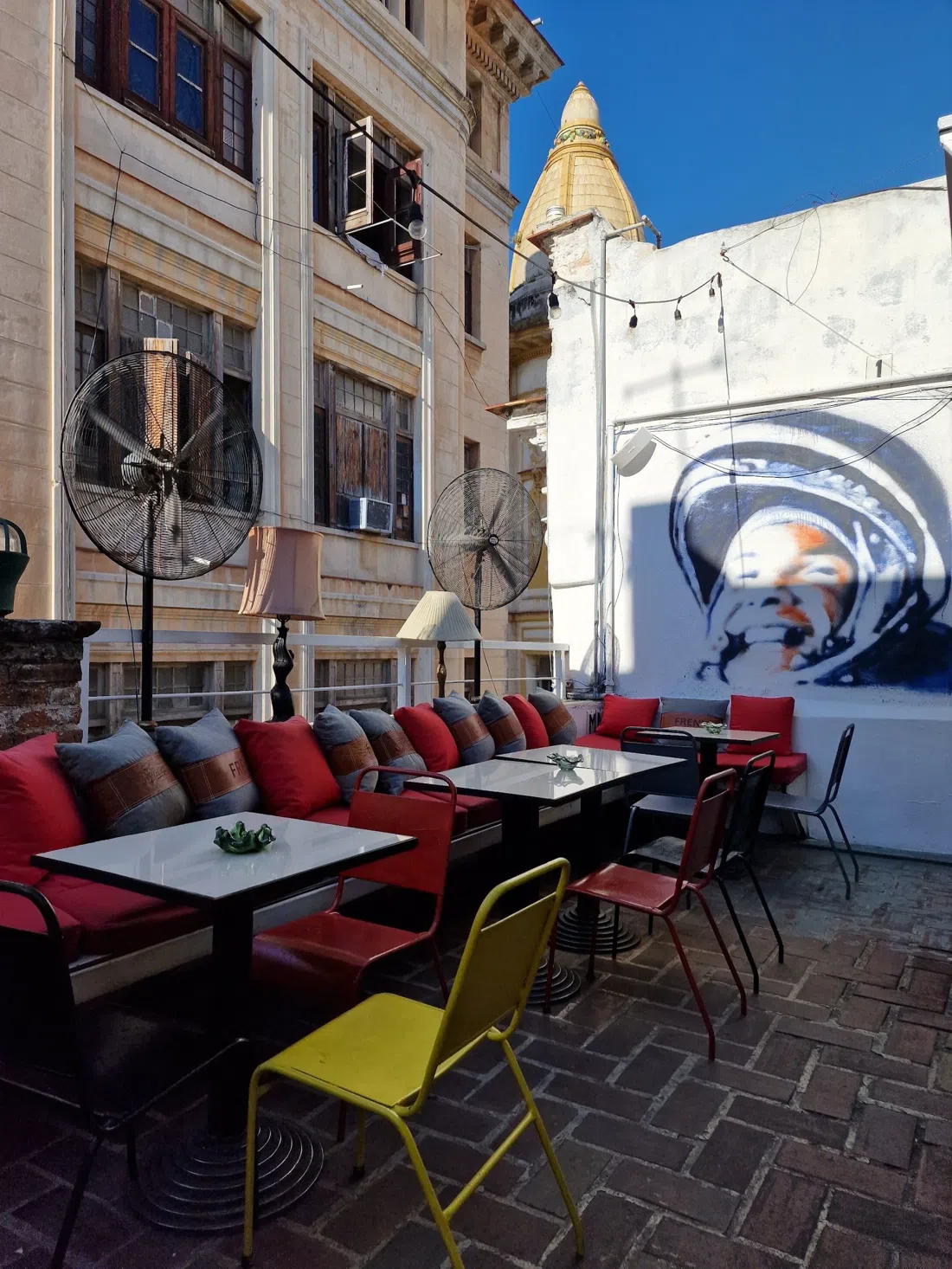
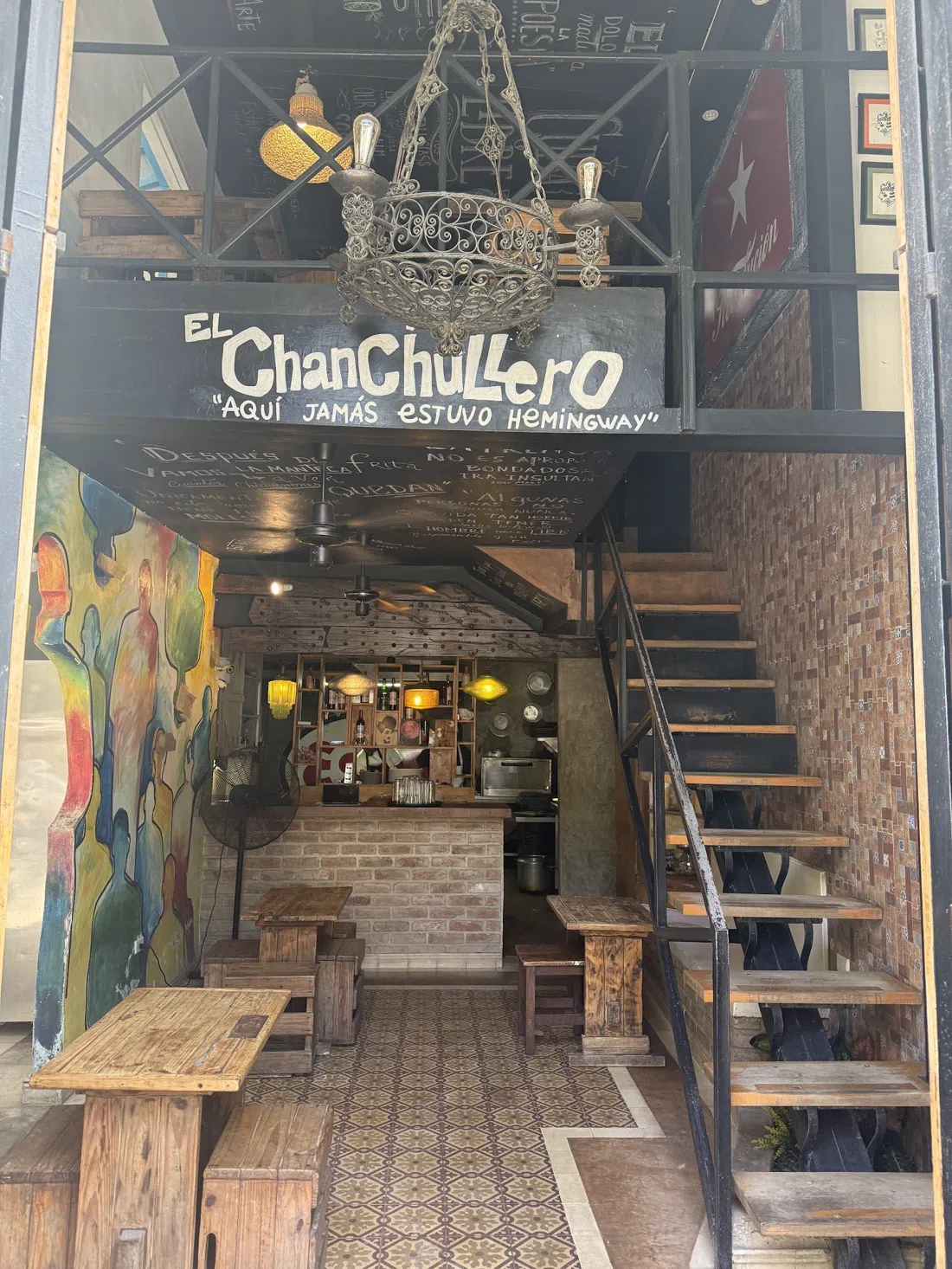
Not everything in this scene requires planning. El Chanchullero (Habana Vieja) is the paladar world's loud, cheap, unpretentious younger sibling — a walk-in tapas bar with communal seating, no reservations, and a crowd split evenly between backpackers and locals who've been coming for years. At $5–12 a person it's the least expensive entry on this list by a wide margin, and it's fine for small groups provided you're happy to wait for a table on a busy night. El del Frente (Habana Vieja), sister venue to the well-known O'Reilly 304, takes the same playful, modern-Cuban energy up onto one of the city's best rooftops, with strong cocktails and a menu that leans more bar food than tasting menu. It's popular with groups and doesn't require booking for drinks, though a full sit-down dinner is a different story on a busy evening — get there early if you want a table rather than just a spot at the rail.
Beyond the Old Town: Vedado's Steady Table
Most of Havana's paladar mythology lives in Habana Vieja and Centro Habana, but El Idilio (Vedado) is worth the detour for readers based further out, near the Malecón or the Hotel Nacional end of the city. It doesn't have a film credit or a presidential visit behind it — it's simply a reliable, well-reviewed neighbourhood paladar with standard restaurant-style seating that takes groups without fuss. It's the sort of place locals in Vedado actually recommend to each other, which counts for more than it sounds like it should.
Practical Notes: Getting There, Paying, and Timing It Right
Most of the paladares in this guide cluster in Habana Vieja and Centro Habana, close enough together that a walking evening between two or three is genuinely possible if you're staying centrally — check the Havana hotel search for options near the Plaza Vieja and Prado if that's the plan. Vedado venues (Atelier, Grados, El Idilio) are a short taxi or classic-car ride from Old Havana rather than a walk; agree the fare with your driver before getting in, since meters are rare.
Cash still runs this scene in 2026. Most paladares price menus in Cuban pesos but are used to being paid in USD or euros, and a fair number now accept card payment through mobile terminals — but connectivity is unreliable enough that carrying cash as backup is standard advice, not caution for its own sake. Reservations are made by phone call, WhatsApp, or occasionally email rather than an online booking system, so build in the extra step of contacting a place directly a few days ahead if you want a specific table, especially at La Guarida, Atelier, and La Cocina de Lilliam. Dinner runs later than a lot of first-time visitors expect — 8 or 9pm is normal rather than early — and the smallest home paladares (Doña Eutimia, Grados, Nao Bar Paladar, Paladar 5 Sentidos) genuinely cannot accommodate a large group turning up unannounced, so match the venue to your party size before you match it to your appetite. Budget roughly $10–20 a head for the casual and home-style end of the list, and $25–45 for the fine-dining tier at La Guarida and Atelier — either way, less than a comparable meal would cost almost anywhere else in the Caribbean. For the rest of the city beyond dinner, the full Havana guide covers where to stay and what else to see between meals.