The Havana issue
The Havana Hotels That Stay Cool When the Power Cuts
Havana's blackouts are scheduled rather than random, and a handful of hotels are built to sleep straight through them: the Nacional on its hill in Vedado, the diplomatic circuits of Miramar, a few small houses with oversized generators.
By Oliver NashReading Havana barrio by barrio
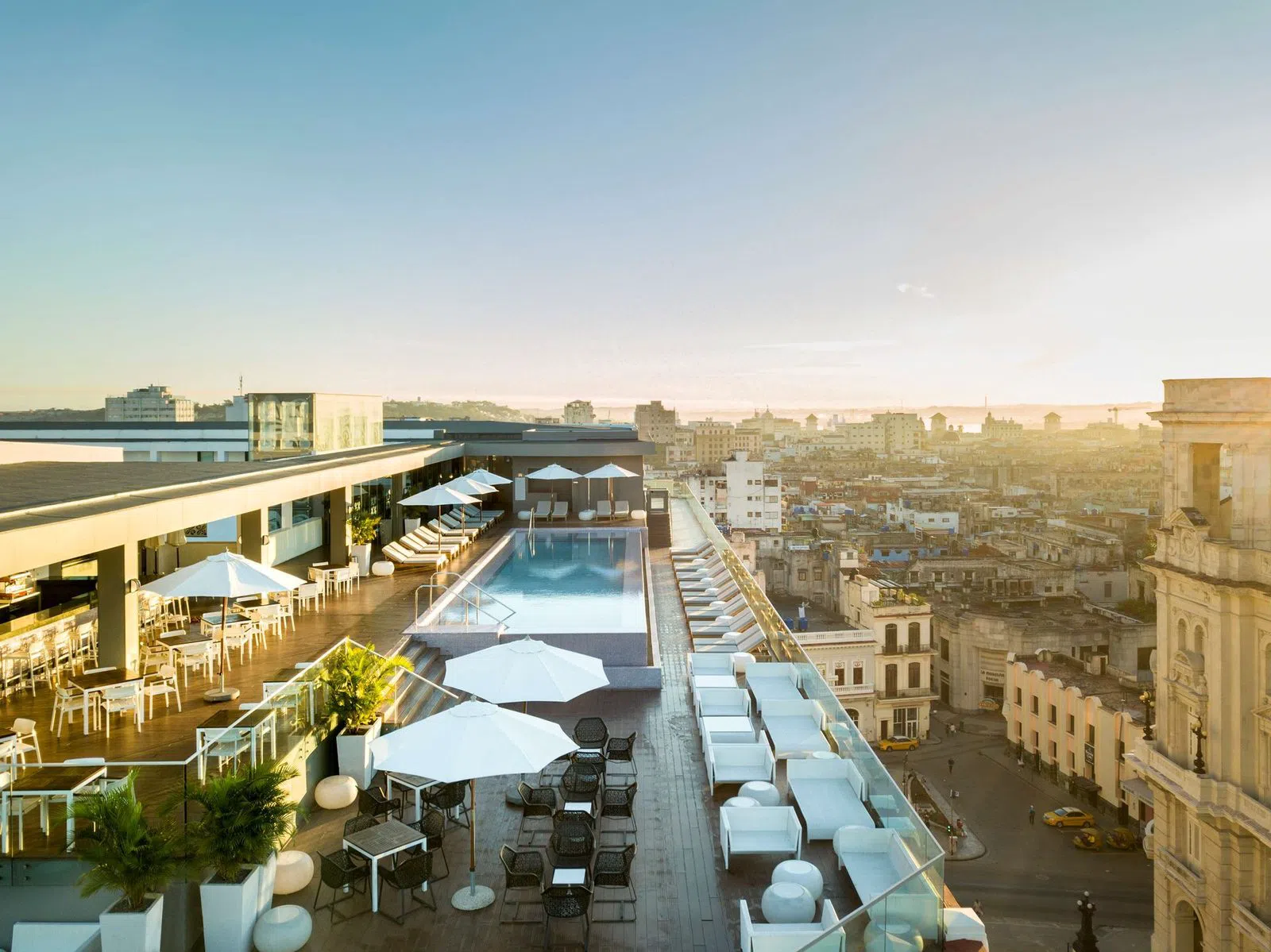
You hear the apagón before you see it. The roof compressors along a Centro Habana block stop together, the street drops a register, and the lights go out from the corner inwards. Ten seconds later a diesel plant coughs somewhere down the road and one building keeps its windows lit. Which building that is, and whether your room sits inside it, is most of what "where to stay" means in this city.
What actually keeps a Havana room cold
Two separate systems decide whether you sleep. The first is the grid. Load-shedding here is rotational and organised by circuit, not scattered at random, and some circuits are shed last or not at all because they carry hospitals, ministries and the diplomatic quarter. That is why a postcode matters more in Havana than in almost any city you will book a room in. Two hotels of identical star rating, three kilometres apart, can have completely different nights.
The second system is the hotel's own plant. Every large property in Havana will tell you it has a generator, and that answer is close to useless on its own. The question that separates a comfortable stay from a bad one is narrower: does the generator carry the guest-room air conditioning, or only the lifts, the corridors, the reception desk and the fire systems? Plenty of backup plant in this city is sized for life safety and public areas, which keeps the lobby humming and your room at thirty-one degrees. Ask it in exactly those words when you book, and ask for the answer in the confirmation email rather than over the phone.
Fuel is the third variable and the least visible one. A generator is only as good as its diesel allocation, and the big state hotels holding international tour-operator contracts sit near the front of that queue. That is the unglamorous reason a 500-room barn sometimes outperforms a beautifully restored twelve-room house.
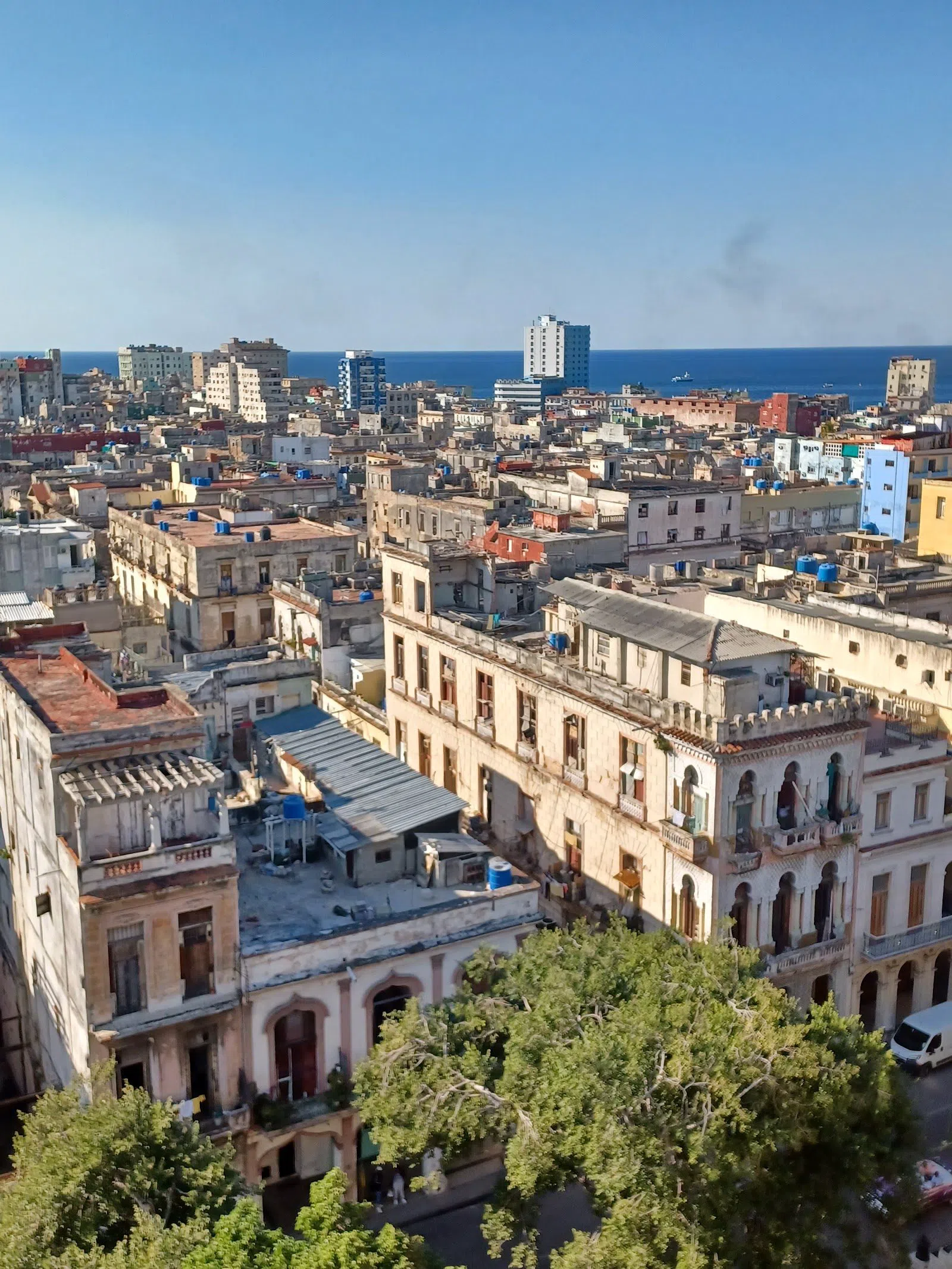
Last, the building itself. Pre-revolution hotels were designed for a city without air conditioning: thick walls, high ceilings, cross-ventilation, deep shaded galleries. Modern glass towers were not. A sea-facing room on the Malecón and a top-floor room under a flat roof behave very differently in the ninety minutes after the compressors stop.
Plan your Havana trip
Live prices from our booking partners.
Free cancellation on many rooms. We may earn a commission when you book.
The Prado and Parque Central
Gran Hotel Manzana Kempinski La Habana (Old Havana) is the property most consistently lit when the surrounding blocks are dark, and at $300 to $500 and up a night it should be. It holds 246 rooms and 50 suites with dedicated meetings and events floors, which makes it the largest genuine group capacity at this quality level in the old city. One caveat disqualifies rather than complicates: the hotel is Gaviota-owned, so it sits on the US Cuba Restricted List and is off-limits to American travellers. If that is your passport, treat this paragraph as background and read on.
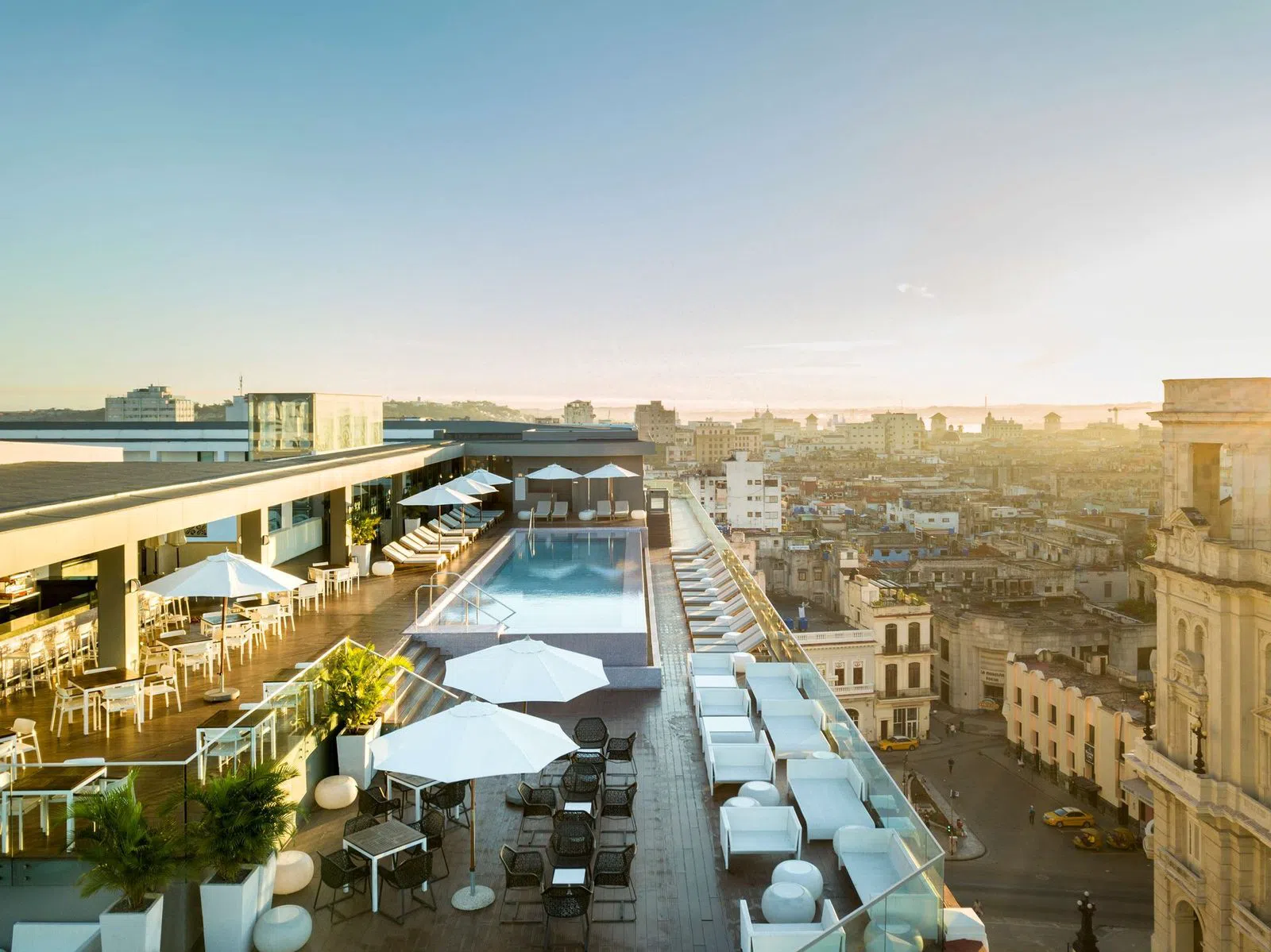
Iberostar Selection Parque Central (Old Havana, facing the park) is the pick for anyone who wants foreign management standards without the Kempinski rate. It is one of only six Cuban properties Iberostar retained after severing its Gaviota contracts in June 2026. Retained management matters here for a practical reason: maintenance discipline is what keeps chillers running through a summer of daily grid cuts. Rooms run $180 to $300, the buffet and conference rooms are built for coach parties, and large groups move through it without friction.
Hotel Packard (Prado, Old Havana) is the same class of building (321 rooms and suites, meeting space, a cigar lounge, full coach capability, $180 to $300) with a paperwork problem attached. Iberostar handed management to Gaviota on 1 June 2026 and it now trades simply as the Packard. Book direct or through Gaviota, because third-party listings still carry the dead Iberostar branding, and a booking made against a brand the front desk no longer recognises is a rate dispute waiting to happen at check-in.
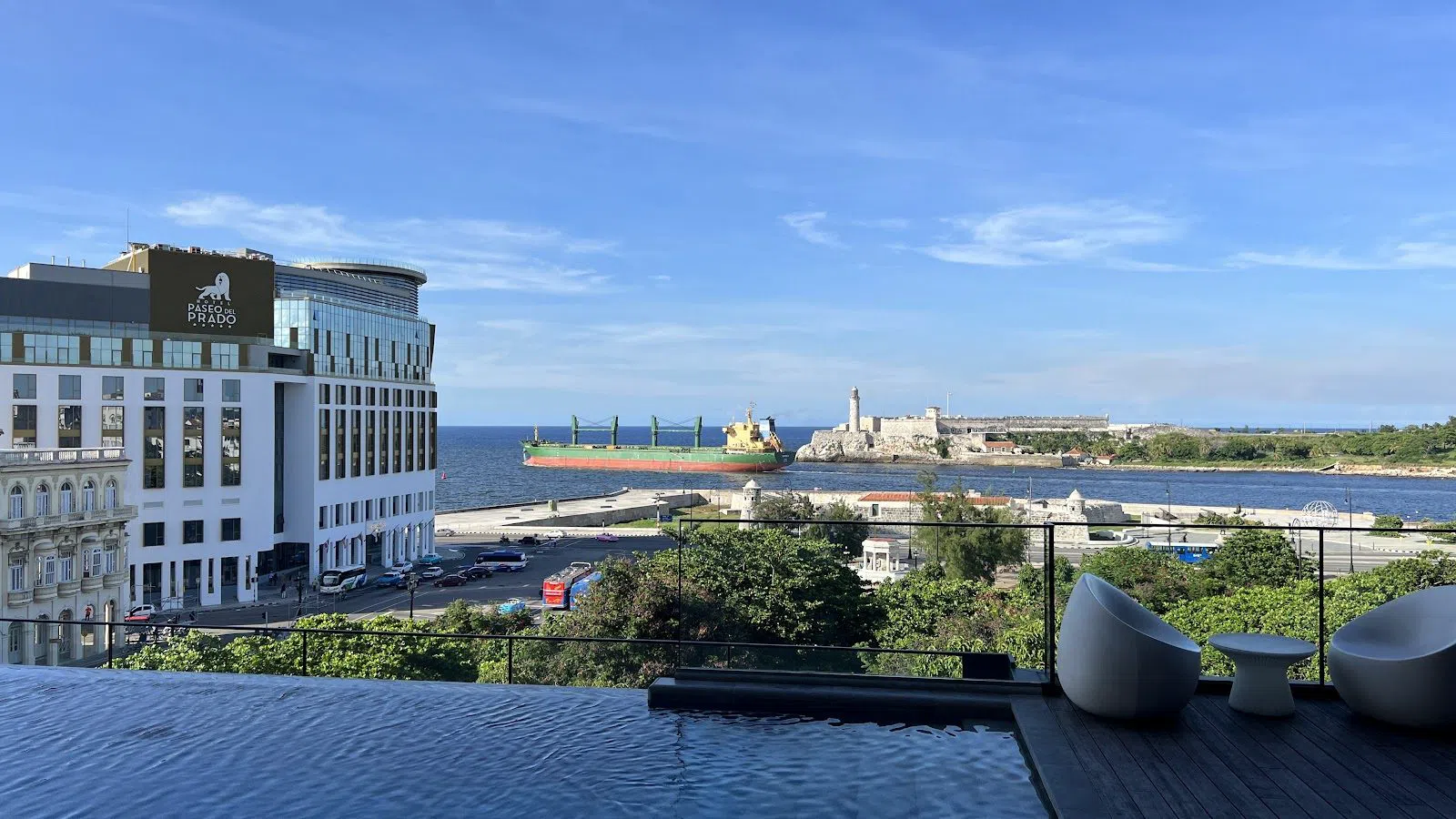
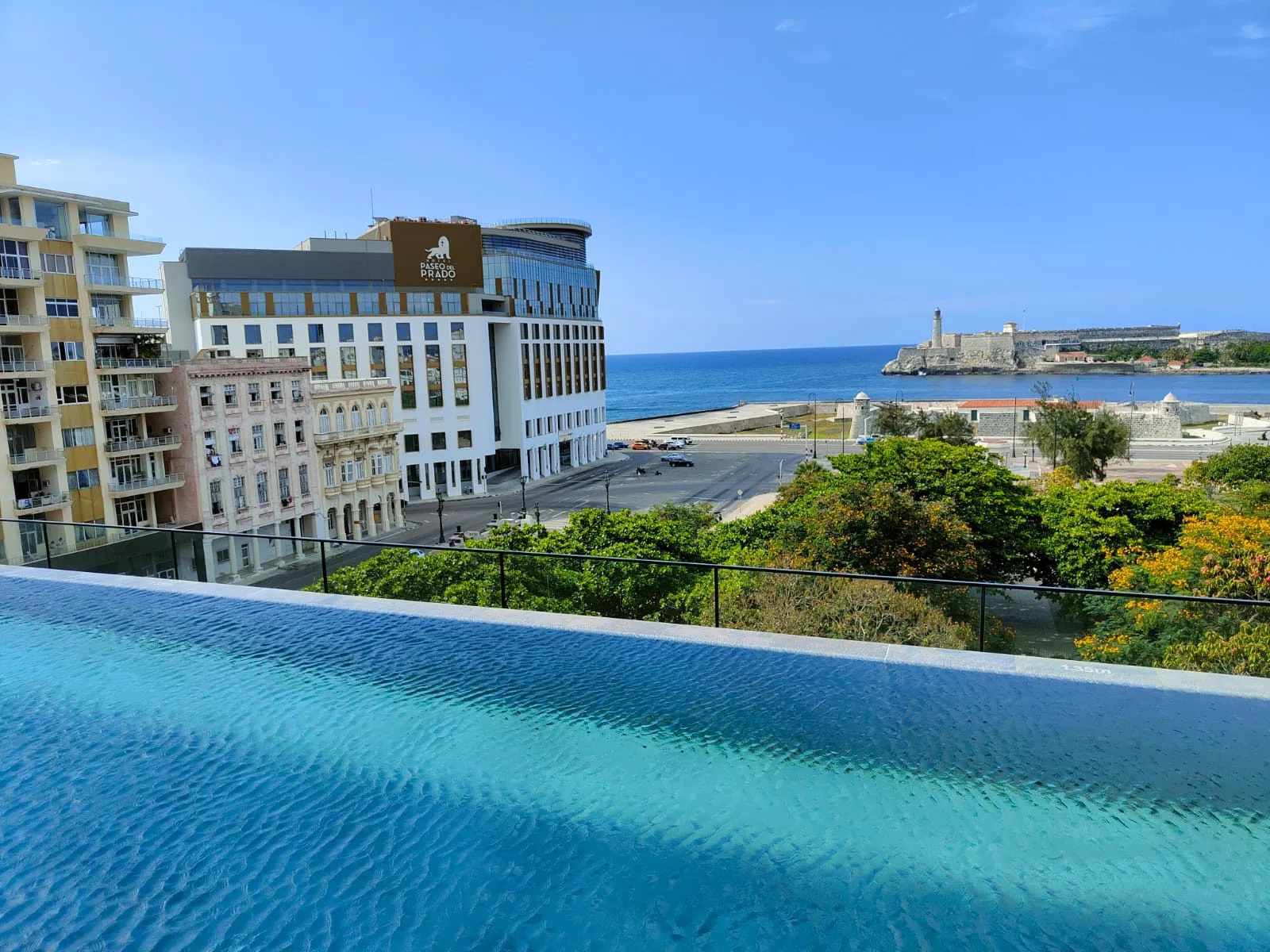
Hotel Paseo del Prado La Habana (Prado) was branded SO/ Paseo del Prado until the Accor name went; the hotel remains on the Ministry of Tourism's operating list and holds 250 rooms across nine floors with event space. It is the newest big-hotel stock in the city, the rooms are themed around ballet, salsa and son, and at $150 to $250 it is comfortable with groups. Newest stock matters more than the theming: young plant fails less often than tired plant, whatever it is running on.
Vedado, where scale buys the fuel
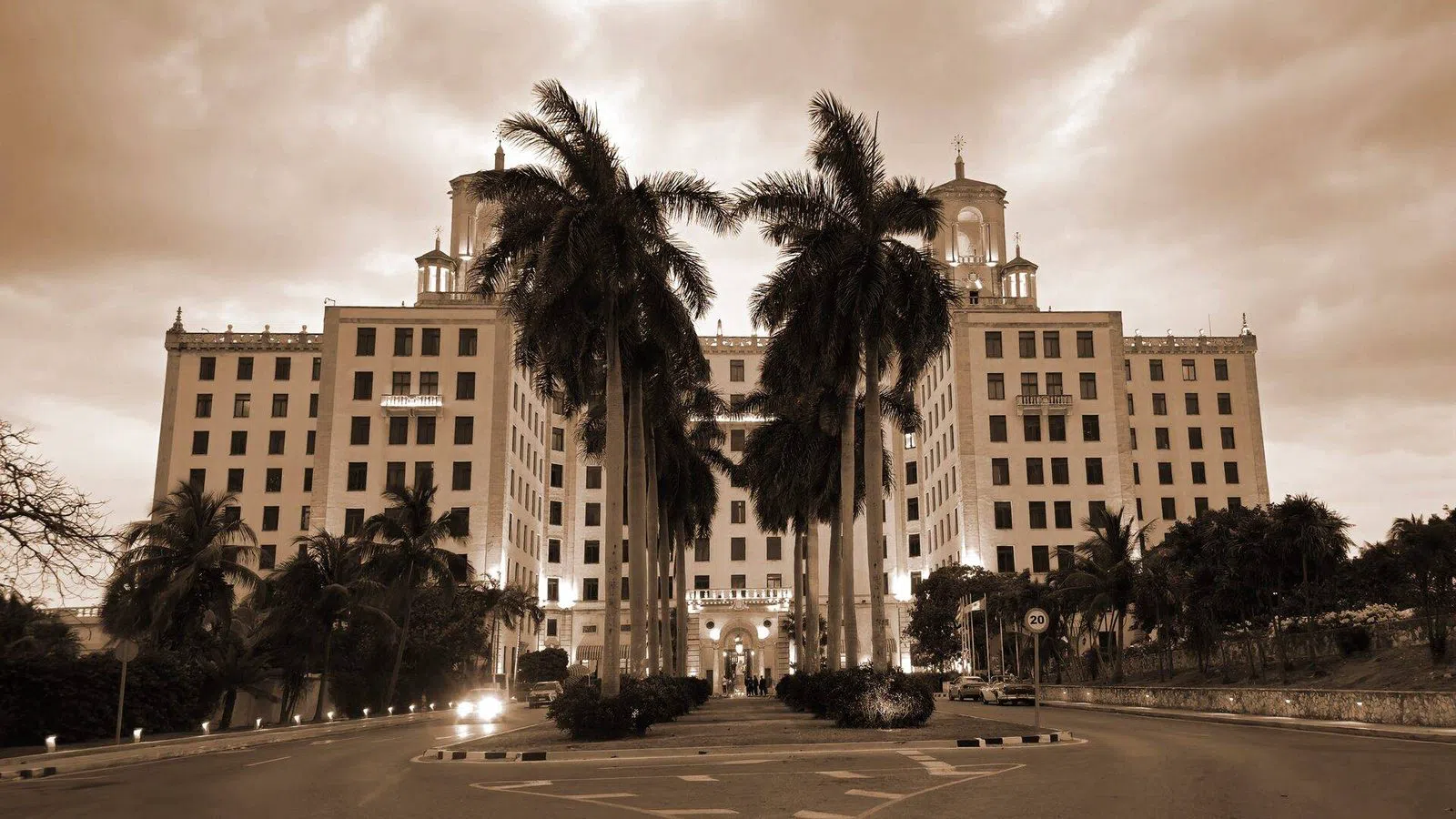
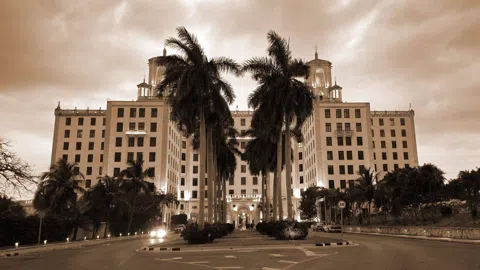
Hotel Nacional de Cuba (Vedado, on the hill above the Malecón) is the most reliable answer on this list to the question this article is about. Guests through 2026 single out air conditioning that worked perfectly, which is the thing that is difficult to find in other hotels during a stretch of outages. The hotel has 472 rooms, coach access, the Cabaret Parisién and multiple function rooms, and decades of tour-operator relationships behind its supply lines, all for $150 to $250. The building helps too: thick walls, deep galleries, gardens on the seaward side, and a sea breeze that arrives over the Malecón rather than through the traffic.
Habana Libre (Vedado, at the top of La Rampa) is the volume option at $90 to $150. It dropped the Tryp prefix when Meliá completed its Cuban exit on 24 July 2026 and now runs under national management. Its scale (572 rooms, large conference facilities) means it is prioritised for generator fuel, and that is the honest case for it: you are buying a place in the fuel queue rather than a beautiful room. Ask for a renovated floor when you book, and ask again at the desk, because room quality across the tower varies wildly.
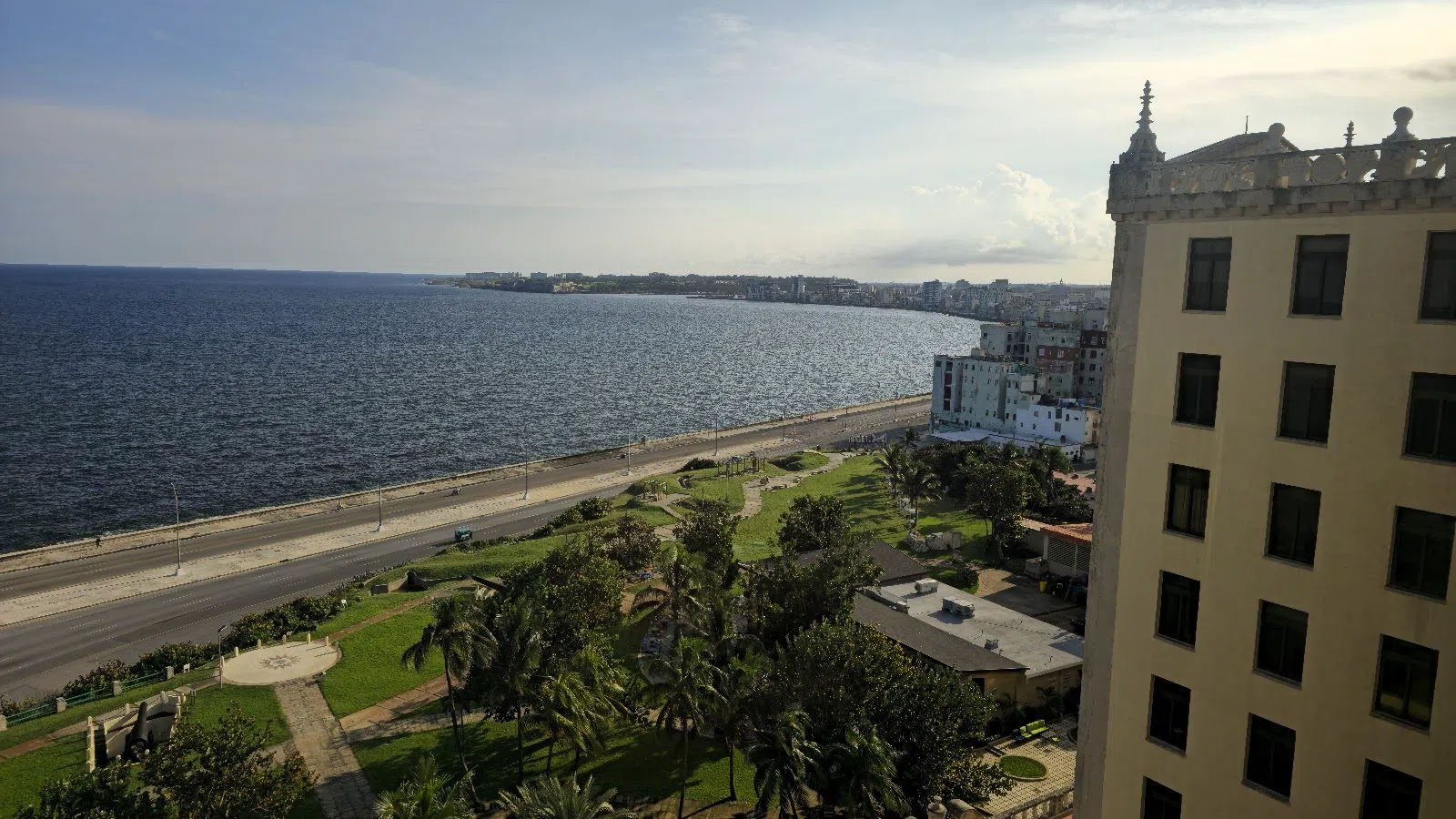
Hotel Cohiba (Vedado, at the Malecón end of Paseo) is the old Meliá Cohiba, now trading as the Cohiba under Cuban management. It has the strongest conference infrastructure in the city: a large ballroom, breakout rooms, a business centre. That clientele is why its backup power is specified for lifts, comms and cooling rather than just corridor lighting, since delegations that cannot afford a dead lift or a dead conference room have shaped the engineering. Rooms are $120 to $200.
Miramar and the diplomatic circuits
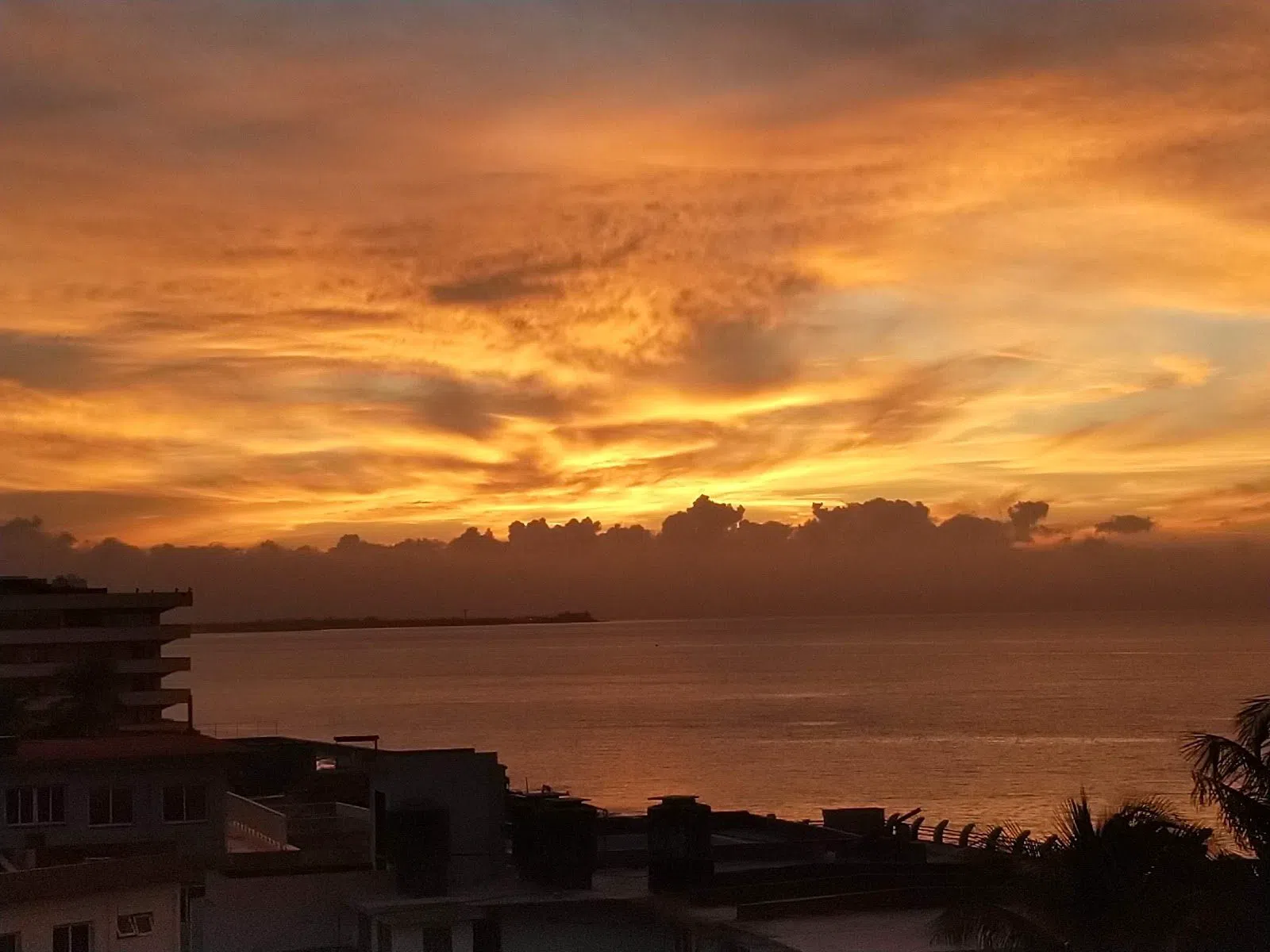
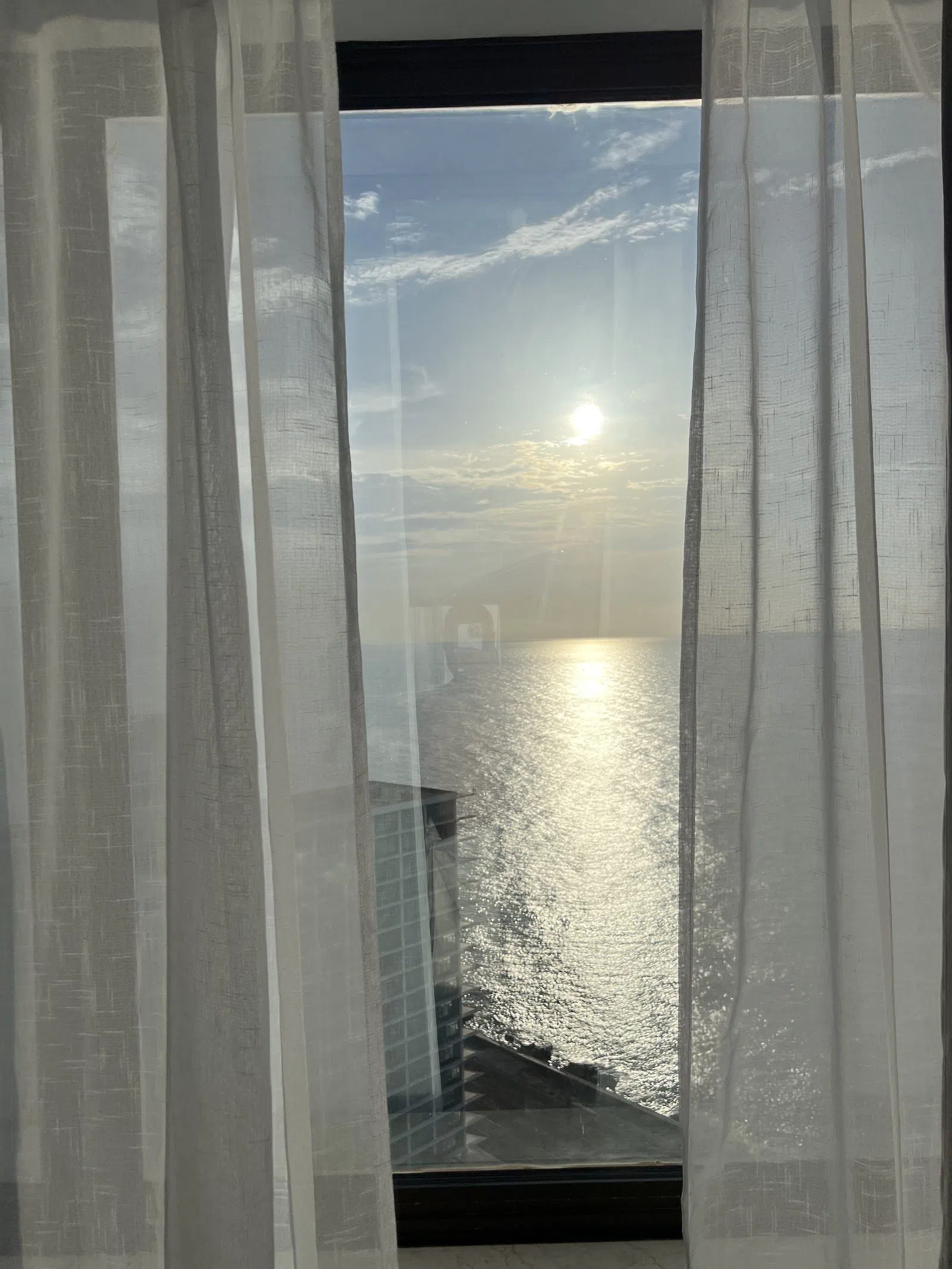
Miramar Habana (Miramar) is the most sheltered postcode in the city for grid power, because it sits on the same priority circuits as the diplomatic missions. Renamed from Meliá Habana after the July 2026 handover, it is resort-shaped (a big room count, several meeting rooms, and pool and grounds that absorb a group without feeling crowded) at $120 to $200. The trade-off is distance: you are a taxi ride from Habana Vieja every time you want dinner in the old city, and taxis are the part of a Havana day most likely to go wrong.
Boutique Casa Italia (Miramar) gives you that same infrastructure advantage at a fraction of the scale. It is named on the Ministry of Tourism's list of Havana properties still operating, runs $120 to $200, and suits small groups and whole-property bookings rather than large parties. If Miramar's grid position is what you are buying and a 400-room hotel is not, this is the neat version of the idea.
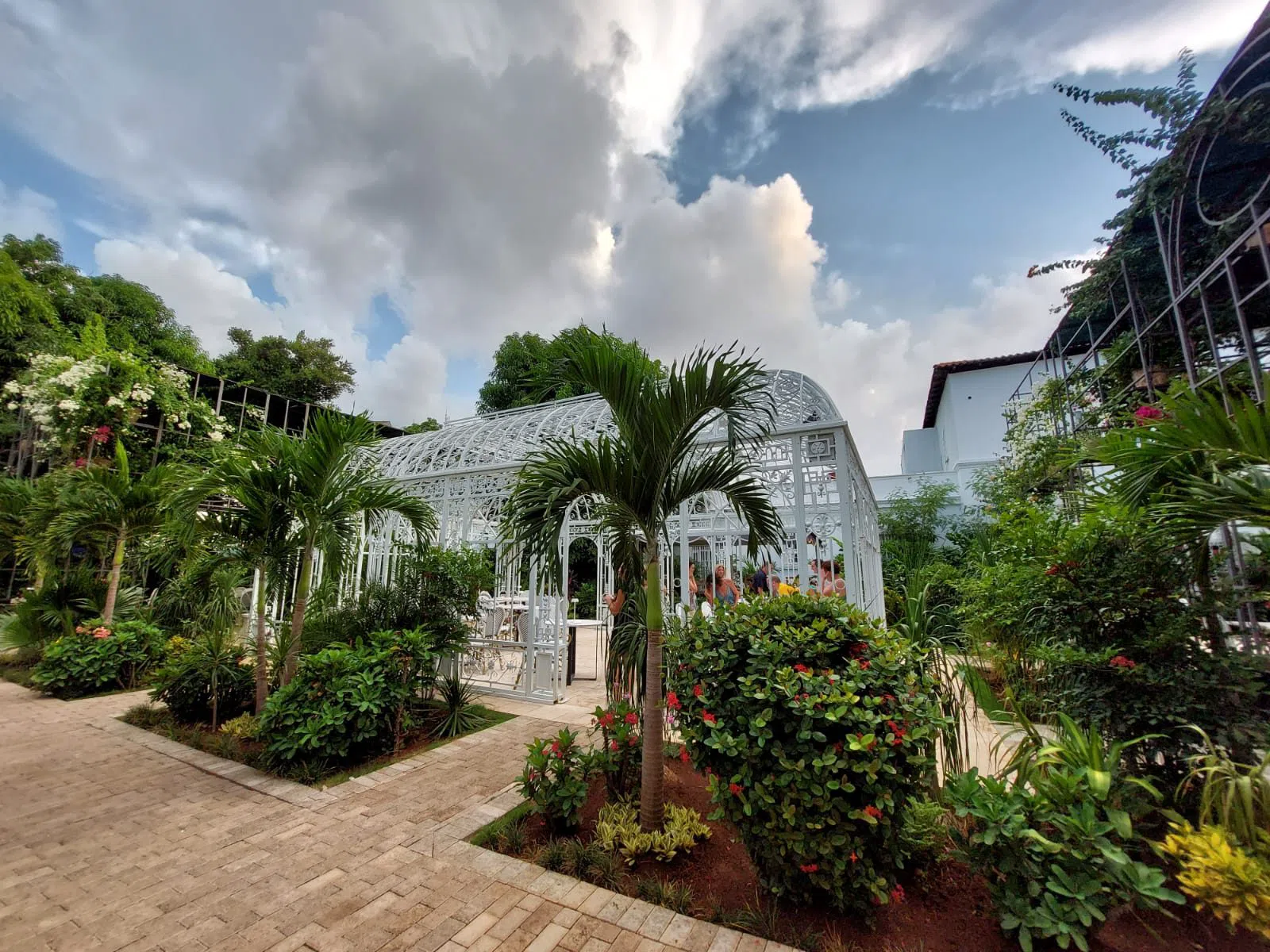
Cubanacán Comodoro (Miramar) is Havana's only real city resort, confirmed operating through 2026, and the most group-capable address out here: a business centre with five lounges seating up to 200, plus bungalows for larger parties, at $70 to $120. The rooms are dated, and it earns its place on capacity and location rather than polish. For a delegation that needs meeting space and beds on a priority circuit at the lowest rate on this list, that trade is defensible.
The small houses that solved it themselves
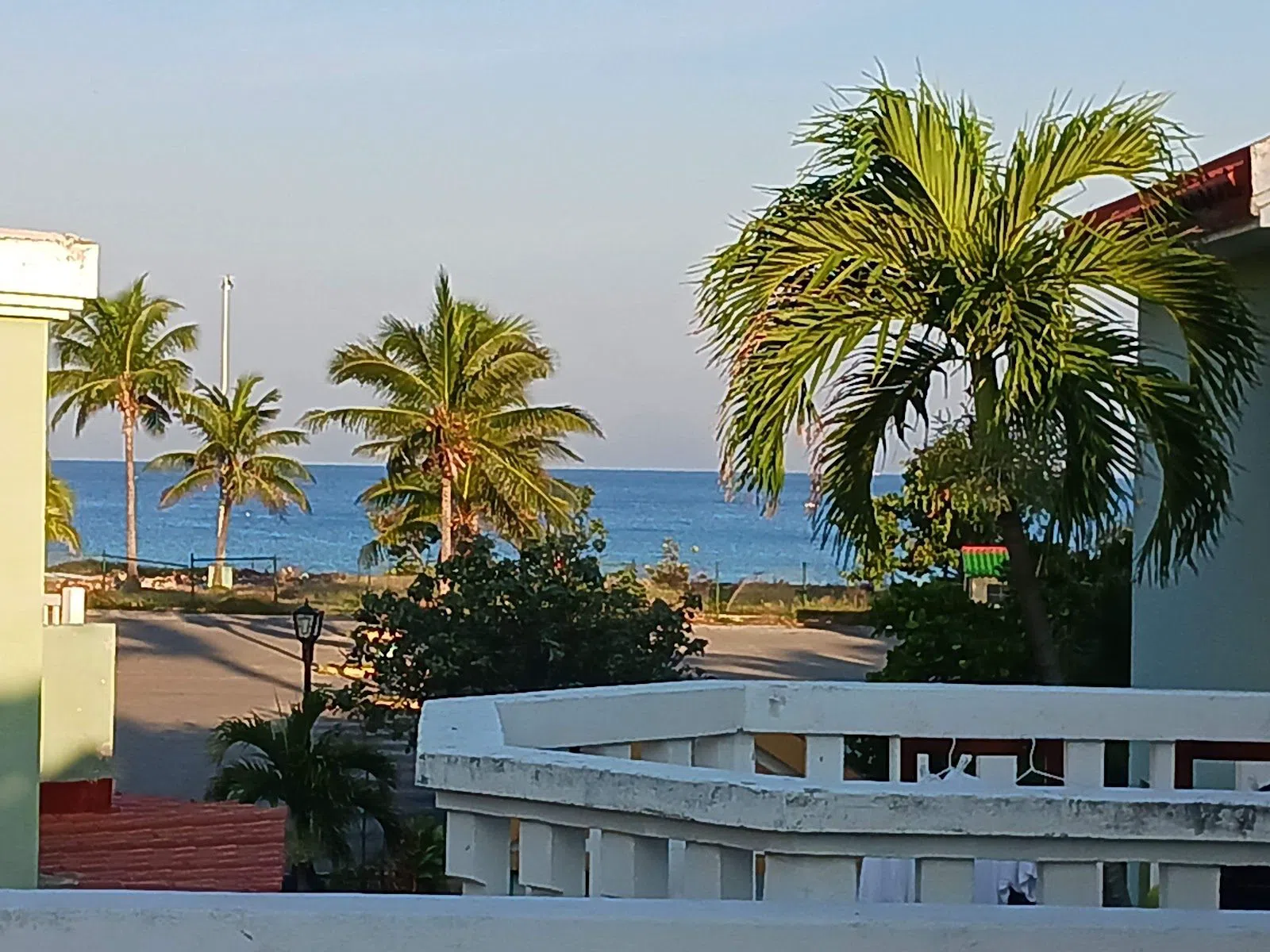
Claxon Hotel Boutique (Vedado) has the clearest generator story of any small property in the city: guests repeatedly describe an oversized plant that cuts in the instant the grid drops, so the air conditioning simply never stops. Rooms are $150 to $250 and small groups or full-house takeovers work well. One firm door policy to plan around: it is adults only, twelve and over, so a family travelling with younger children will be turned away at the booking stage rather than at the desk.
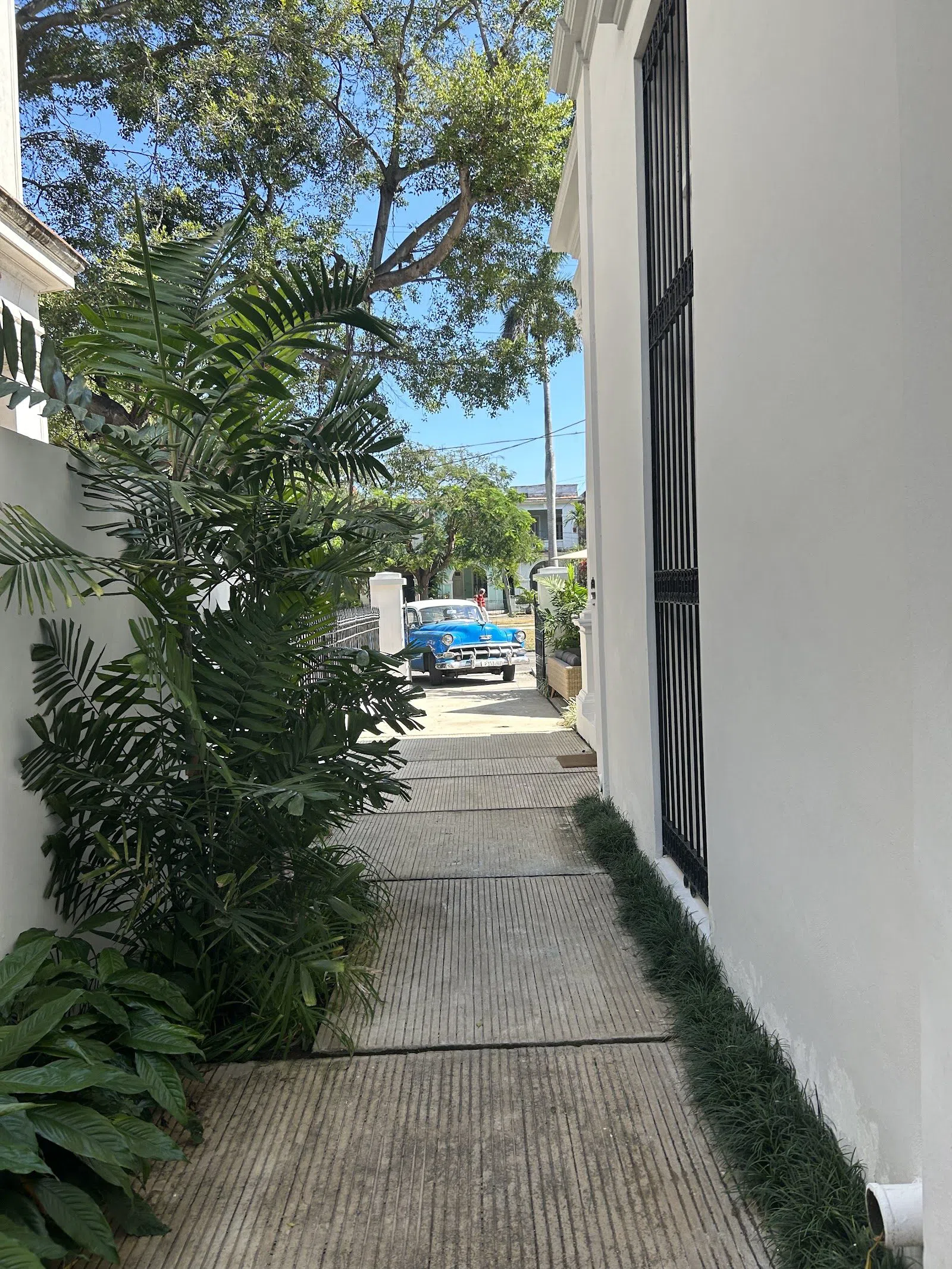
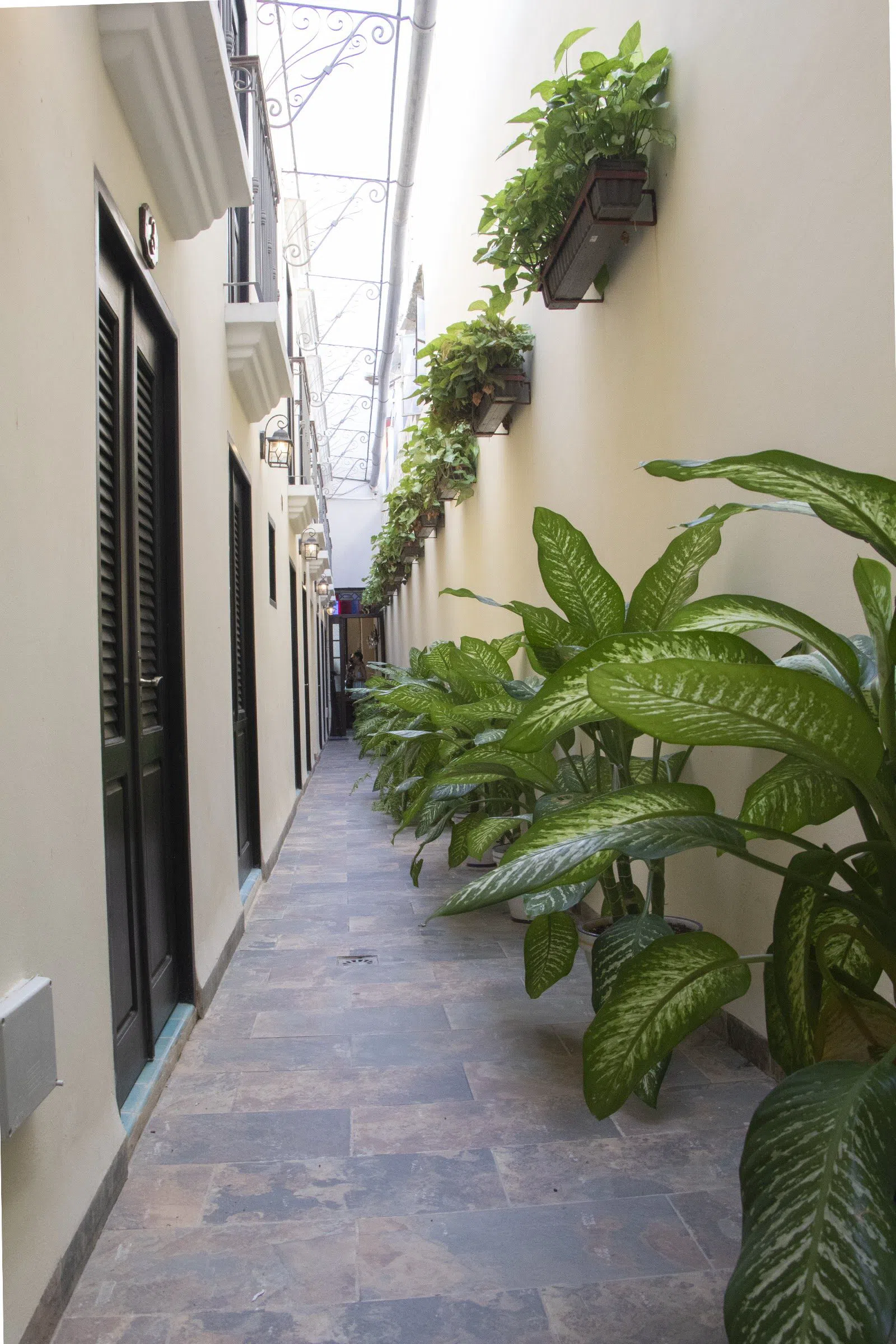
La Posada de Chacón (Habana Vieja) is small and gets the one thing that matters here right. Guests single out a backup generator that is both reliable and quiet, and quiet is the rarer of the two in a small colonial house where the plant usually sits in the courtyard under somebody's window. At $80 to $130 it suits couples, families or a group taking the whole house; it is not built for coach parties.
Elvira, Mi Amor (Habana Vieja, four blocks from Plaza Vieja) has eight rooms, air conditioning in every one, 24-hour service and a concierge who will tailor arrangements around a full-house buyout by a family or small group, at $150 to $250. The position is genuinely walkable, which counts for a lot when taxis are scarce. The house does not publish its power setup, though, so confirm the current backup arrangement directly when you book. Of everywhere on this list, this is the one where I would want the answer written down before paying a deposit.
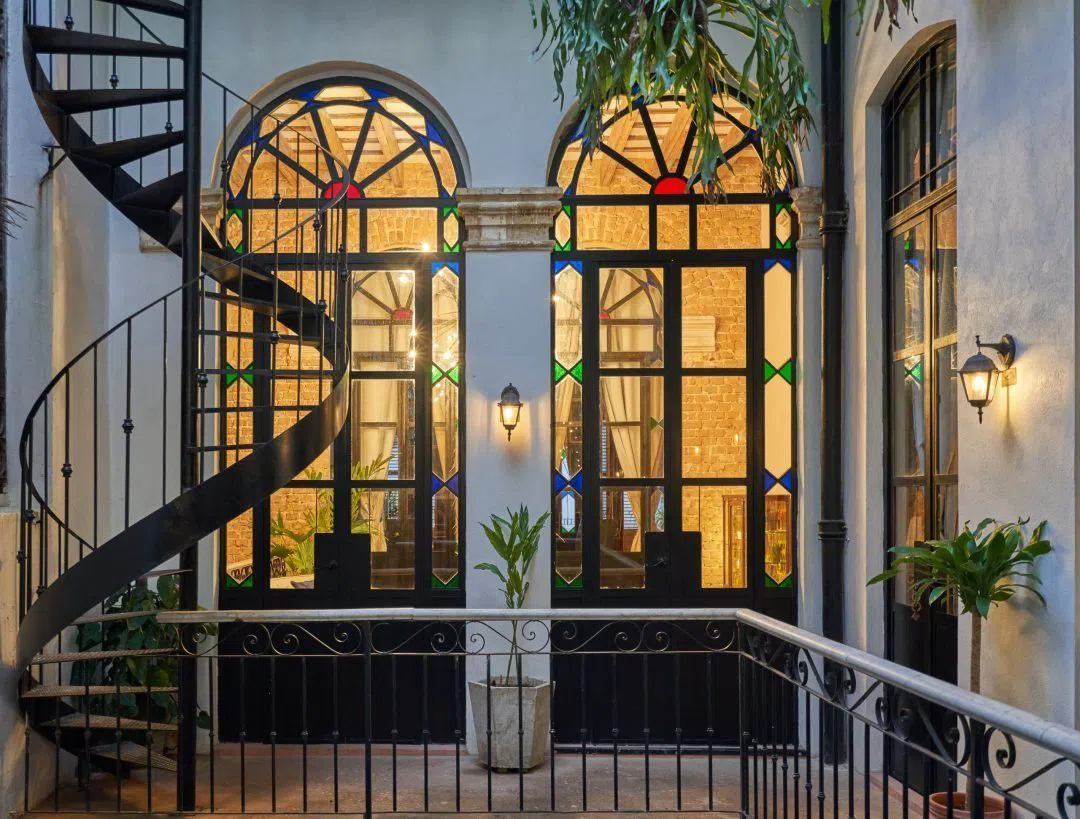
Hotel Terral (on the Malecón) is the only Habaguanex property actually on the seawall and is still bookable through Gaviota. It has 14 rooms, twelve standards and two top-floor junior suites, at $100 to $160, so a group here means taking the whole hotel. Its defence against an outage is architectural rather than mechanical: when the compressors do cut out, the sea breeze straight off the Malecón is a real one, and the junior suites catch it best.
Booking a group without splitting the party
Coach-scale parties have five workable addresses: Habana Libre and the Nacional in Vedado, Parque Central and the Packard in the old city, and the Comodoro out in Miramar, with the Kempinski above them all for anyone not travelling on a US passport. For a conference or an incentive trip where the meeting rooms matter as much as the beds, the Cohiba is the only one built for it. For eight to sixteen people who want one roof and one door key, take a whole house (Elvira, Mi Amor, the Terral, Casa Italia or La Posada de Chacón) and accept that whole-house rates are quoted rather than listed, so email rather than click. Compare live rates and availability across all of them on the Havana hotel search before you commit to a channel.
Two booking mechanics specific to this city. First, the rebranded properties (the Packard, Habana Libre, the Cohiba, Miramar Habana) are best booked direct or through Gaviota, because aggregator listings still carry Iberostar and Meliá names that the front desks no longer answer to. Second, put the generator question in the booking thread rather than saving it for arrival. A property that answers "the plant covers guest-room air conditioning" in writing has told you something a star rating never will.
Getting around, paying and timing your stay
Bring cash, and bring all of it. Cards issued by US banks do not work in Cuba at all, other foreign cards are unreliable in practice, and ATMs cannot be planned around. Arrive with enough euros, sterling, Canadian dollars or US dollars in hand for the entire trip plus a margin, and change in small amounts rather than all at once. Hotels quote and settle in hard currency; small houses often prefer cash on departure.
Taxis are the default for anything beyond a few blocks. Agree the fare before you get in, every time, and expect to pay a premium for the run between Miramar and Habana Vieja after dark. The shared classic-car almendrones run fixed routes for a fraction of the price if you are comfortable flagging one down. Vedado to the old city is roughly fifteen minutes with clear roads and considerably more when the traffic lights on a shed circuit are out, which is worth factoring into dinner reservations.
On timing: outages bite hardest through the summer peak, when demand and humidity climb together, and the dry stretch from late November to April is both cooler and easier on the grid. Hurricane season runs June to November and is worth checking against your dates. On budget, the spread on this list is wide and mostly rational. $70 to $150 buys scale and fuel priority at the Comodoro or Habana Libre, $150 to $250 buys a working generator and a walkable address at the Nacional, Claxon or Elvira, Mi Amor, and $300 and up buys the Kempinski's near-certainty. For everything else in the city (where to eat, what to walk, how the districts fit together), start with the Havana guide.
Before you go
Which Havana hotel is the safest bet for air conditioning that actually works?
The Hotel Nacional de Cuba in Vedado. Guests through 2026 single it out for air conditioning that held up through a run of outages, helped by the hotel's scale, its tour-operator contracts and its hillside position above the Malecón. Rooms run $150 to $250 a night. If budget is not the constraint, the Gran Hotel Manzana Kempinski is the most consistently lit building in Old Havana, but it is off-limits to American travellers.
Does a hotel generator mean my room will stay cool?
Not automatically. A lot of backup plant in Havana is sized for life safety and public areas, so it keeps the lobby, lifts and corridors going while guest-room air conditioning stays off. Ask specifically whether the generator carries guest-room cooling, and get the answer in your booking confirmation. The Cohiba's backup is specified for lifts, comms and cooling, and Claxon Hotel Boutique runs an oversized plant that cuts in the instant the grid drops.
Which part of Havana has the most reliable grid power?
Miramar. It sits on the same priority circuits as the diplomatic missions, which makes it the most sheltered postcode in the city, and Miramar Habana, Boutique Casa Italia and the Cubanacán Comodoro all benefit. The trade-off is a taxi ride to Habana Vieja every time you want dinner in the old town.
Can American travellers book these hotels?
Not all of them. The Gran Hotel Manzana Kempinski is Gaviota-owned and sits on the US Cuba Restricted List, so it is off-limits. Several others changed hands in 2026: the Packard passed to Gaviota on 1 June 2026, and the Terral is bookable through Gaviota. Check the current Restricted List against the property's present owner rather than its old brand before you pay.
Why do booking sites still show Iberostar and Meliá names for some Havana hotels?
Because the listings are stale. Meliá completed its Cuban exit on 24 July 2026 and Habana Libre, the Cohiba and Miramar Habana dropped their prefixes; Iberostar handed the Packard to Gaviota on 1 June 2026 and kept only six Cuban properties, including Parque Central. Book the rebranded hotels direct or through Gaviota, since a reservation made against a brand the front desk no longer recognises invites a rate dispute at check-in.