
Havana's tourist reels are still full of chrome fins and pastel paint, 1955 Chevrolets idling on the Malecón for a photograph. But turn off the seafront and into any side street these days and the sound is different: freewheel clicks, a bell, someone's kid balanced on the top tube. Cuba's ongoing fuel shortages have done what a decade of NGO bike programs couldn't: put a large slice of Havana back on two wheels. A small, stubborn network of mechanics, organizers, and rental shops has grown up around that shift.
This isn't the first time. Havana went through something similar during the Special Period of the 1990s, when Soviet oil stopped arriving and Chinese-made Flying Pigeons flooded the streets almost overnight. That bike boom faded as fuel eventually loosened up again. What's happening now feels sturdier, because this time the infrastructure is Cuban-built and Cuban-run: a workshop, a public bike-share pilot, a leaderless monthly ride, and a handful of rental shops that between them cover everything from a single afternoon loop to a multi-week tour out of the city.
The workshop keeping Havana's bikes alive
Vélo Cuba is the closest thing this story has to a beating heart. It began in 2014 as an all-women mechanic crew, at a moment when spare bike parts were as scarce as spare parts for anything else in Cuba, and it has since grown into two full workshops doing the unglamorous work nobody photographs: truing wheels, rebuilding hubs, patching the same inner tube for the fifth time because a new one isn't coming. Alongside the repair bench, Vélo Cuba rents bikes for $13-15 USD a day, and it's genuinely set up to handle a group: a family of four or a cluster of friends can walk in and roll out together, which isn't true of every operator on this list. It also runs road-safety classes for local kids, worth knowing if you want your rental fee to mean something beyond a transaction: this is one of the few outfits actively training the next generation of Havana riders, not just renting to tourists passing through. There's no rigid door policy (show up or message ahead), but bring cash, and expect the mechanics to ask what you need the bike for before they hand one over. They know their stock and will steer you right.
The city builds its own bike-share network
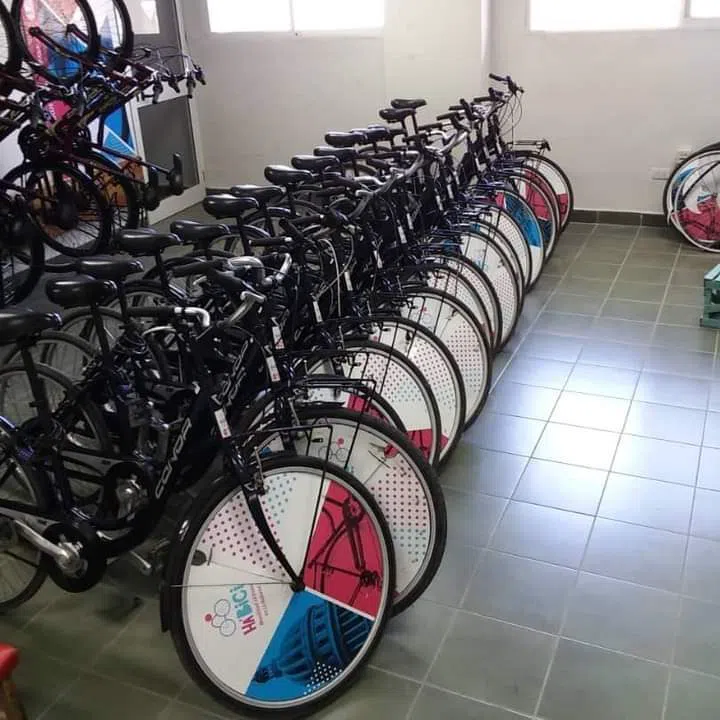
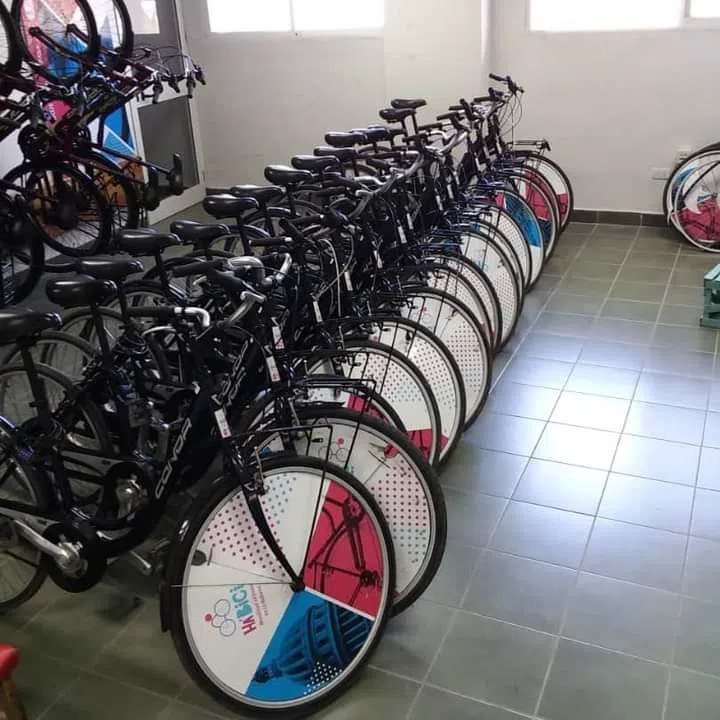
If Vélo Cuba is the workshop, Ha'Bici - Inteliforja is the infrastructure: Havana's first public bike-share pilot, and the clearest sign that cycling here is being planned rather than merely tolerated. Passes run from 20 CUP for a week to 520 CUP for a year, priced in Cuban pesos rather than dollars, which tells you who this system is built for: residents, not visitors doing a one-off ride. The stated ambition is to expand toward 5,000 bikes citywide by 2030, and even at pilot scale it changes what you see on the street: dock stations, commuters in work clothes, nurses and office staff on shared bikes rather than rented tourist ones. A visitor can, in principle, buy the weekly pass, but the sign-up process is built around CUP in hand rather than a tap-and-go card reader, so treat it as something to notice and ask about locally rather than a guaranteed plan for a week's rental. Vélo Cuba or the shops further down this list are the reliable route if you need a bike today.
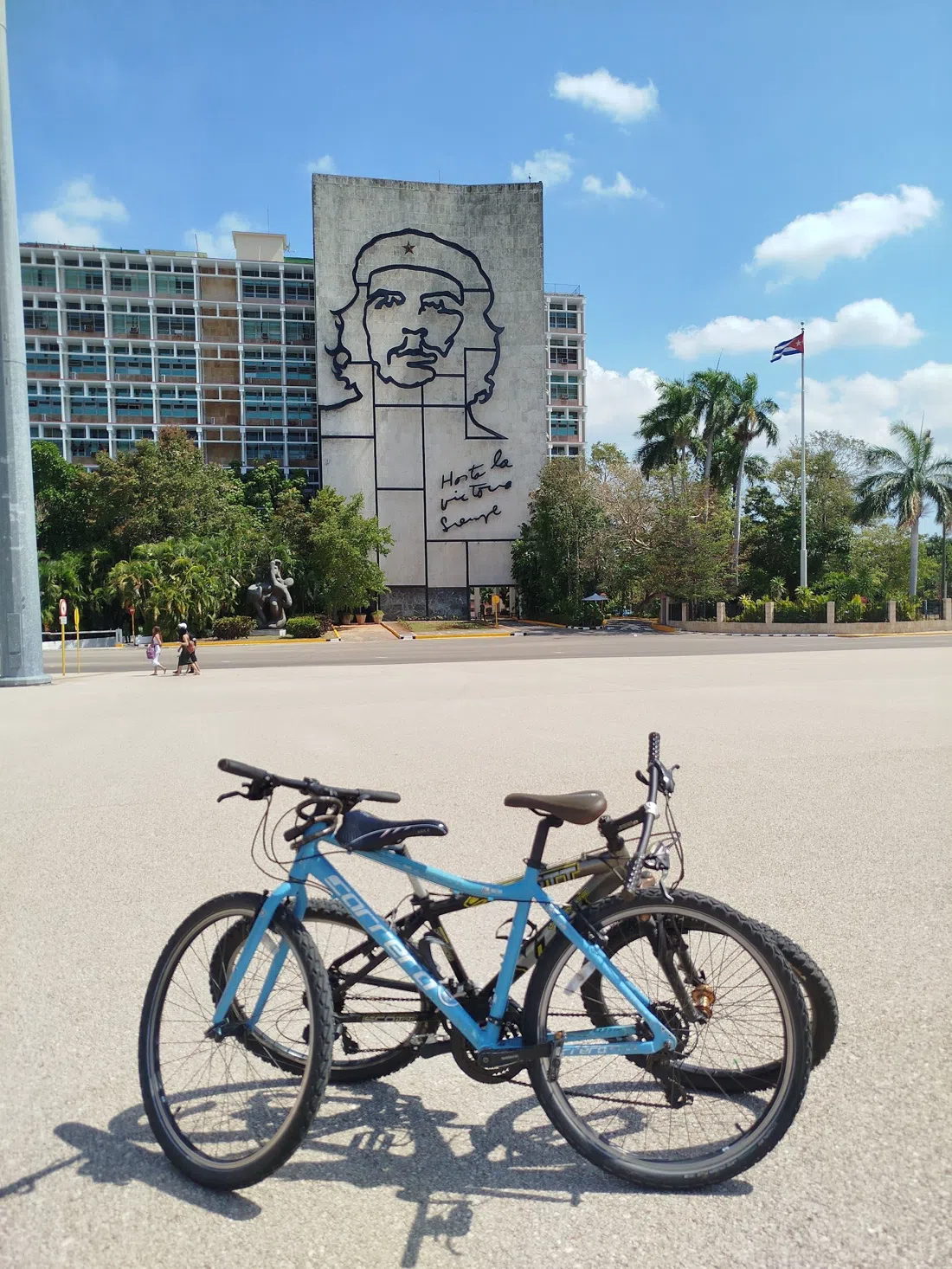
Riding with Habaneros, not ahead of them
The single best way to see what this renaissance looks like on the ground is to show up for Masa Crítica Habana, also called Bicicletear La Habana, the city's leaderless Critical Mass-style group ride. There's no booking, no fee, and no organizer to check in with. You just turn up on the first Sunday of the month, with dates already confirmed through October 2026, and roll with whoever else is there. This is not a tourist tour; it's commuters, students, and families reclaiming a street for an afternoon, and that's exactly its value. Nothing else on this list gets you closer to how ordinary Habaneros actually ride, unpolished and unphotographed for anyone's benefit but their own.
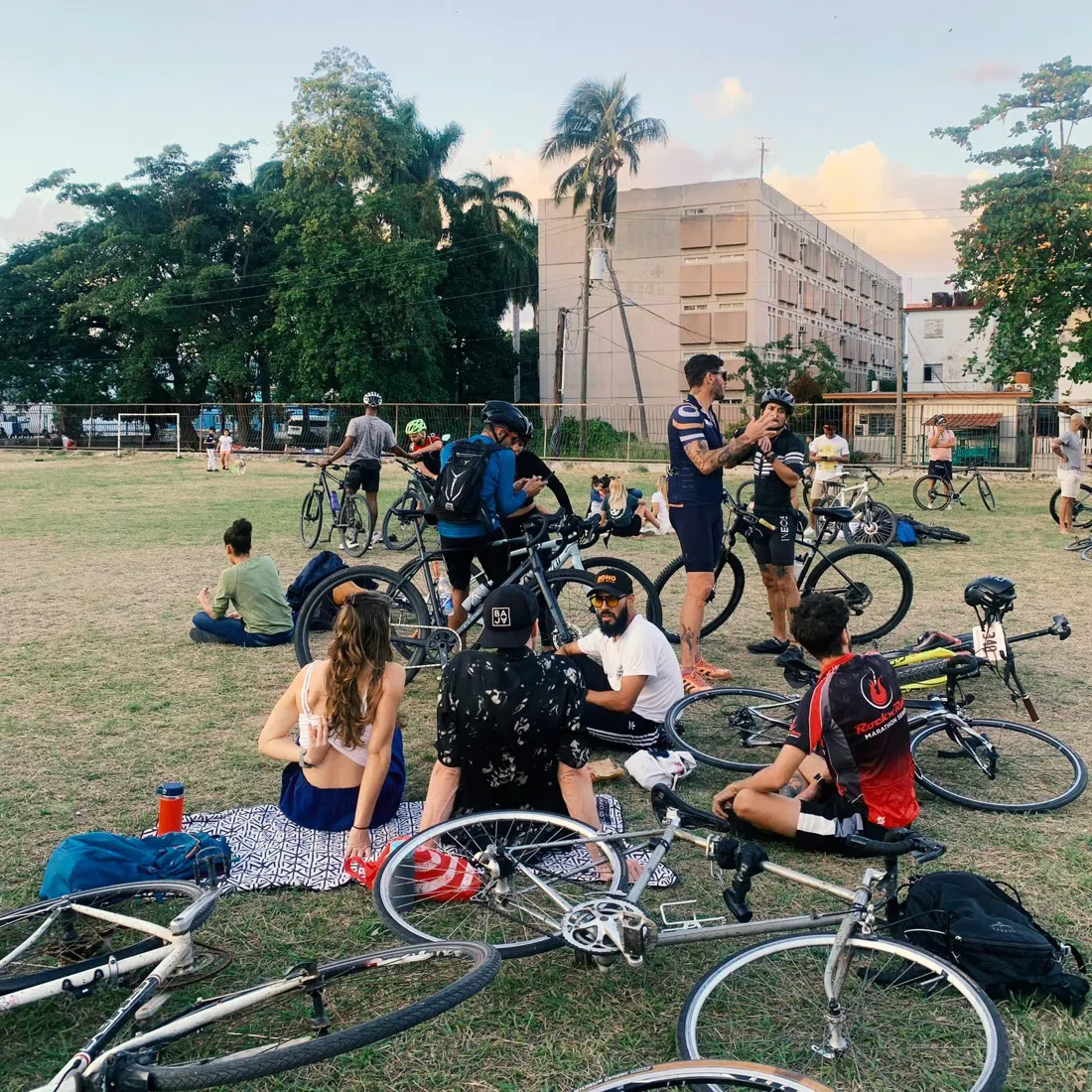
Citykleta occupies the more organized end of the same instinct. Founded by an ex-software developer turned full-time cycling organizer, it runs group tours, bike-picnics, and open community rides at prices that vary by activity (some sessions are free). 2026 has been Citykleta's biggest year yet, driven by the same fuel shortages that filled Ha'Bici's docks: hundreds of adults who never learned to ride as children are showing up to learn now, as basic transport rather than recreation. If you want a bit of structure and English-language guidance around the same grassroots energy Masa Crítica offers raw, this is the door to knock on; check their current schedule before you land, since community sessions move around from month to month.
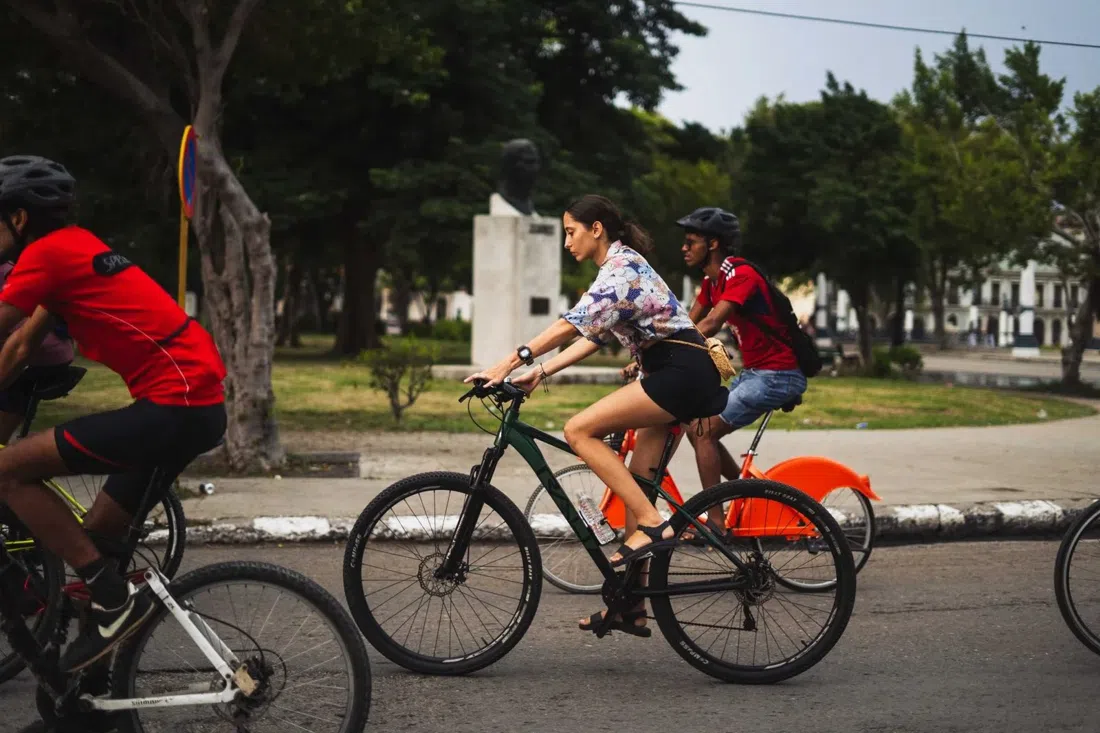
Renting for a day, a week, or a ride out of the city
For visitors who just want a bike and a plan, three shops cover most of what you'll need, and they suit different trips.
CicloCuba runs on WhatsApp rather than a storefront queue, which makes it the natural first call for long-distance cycle-tourists. Owner Abel is hands-on and responds directly, arranging multi-bike rentals for groups and multi-week tours at roughly $10-15 USD a day. If your Havana leg is really the launch point for a ride out toward the countryside, start that conversation with CicloCuba before you land, not after you arrive.

Bike Rental & Tours Havana is the highest-rated operator in the city on TripAdvisor, and it covers both ends of the trip: group city tours plus multi-bike rental packages for $10-13 USD a day. The catch is that the touring bikes specifically carry an eight-day minimum, so this is the right shop for someone committing to a proper multi-day ride rather than a single afternoon loop. For a short rental, ask specifically about day bikes rather than the touring stock.
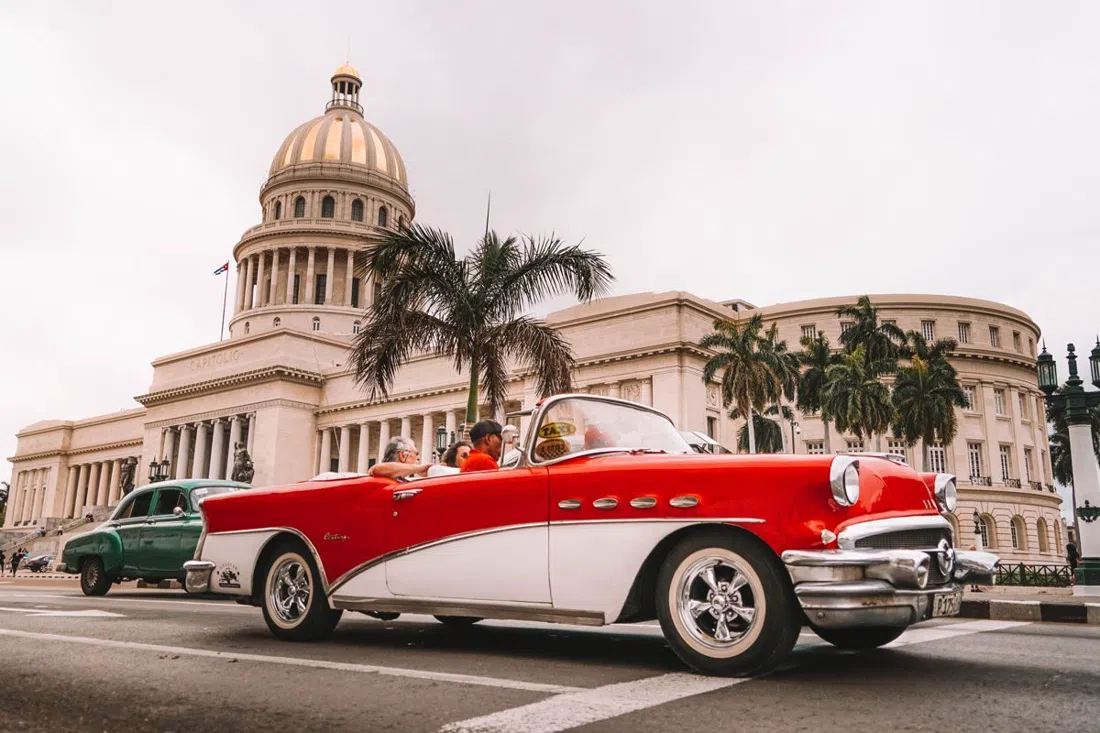
Havana Bikes, run by Marvelis and Yuri, is the no-frills option: no guided package, no long-distance pitch, just a reliable bike for $10-12 USD a day, with small groups accommodated without fuss. If the guided tours below feel like more structure than you want, this is the plain alternative: you rent, you ride your own route, you bring it back.
Guided rides for a first orientation
If you'd rather have someone else pick the route on your first day, two outfits specialize in exactly that. RutaBikes, based in Vedado, was Cuba's first dedicated bike-tour company, founded in 2012-13, and it has stayed the most consistently well-reviewed for its sunset rides and classic-city routes. Expect $30-40 USD per tour, guides front and back of the group so nobody gets separated in traffic, and a route built around Havana's set-piece views rather than back-street exploration. It suits couples and small groups equally well; solo riders are folded in without issue.
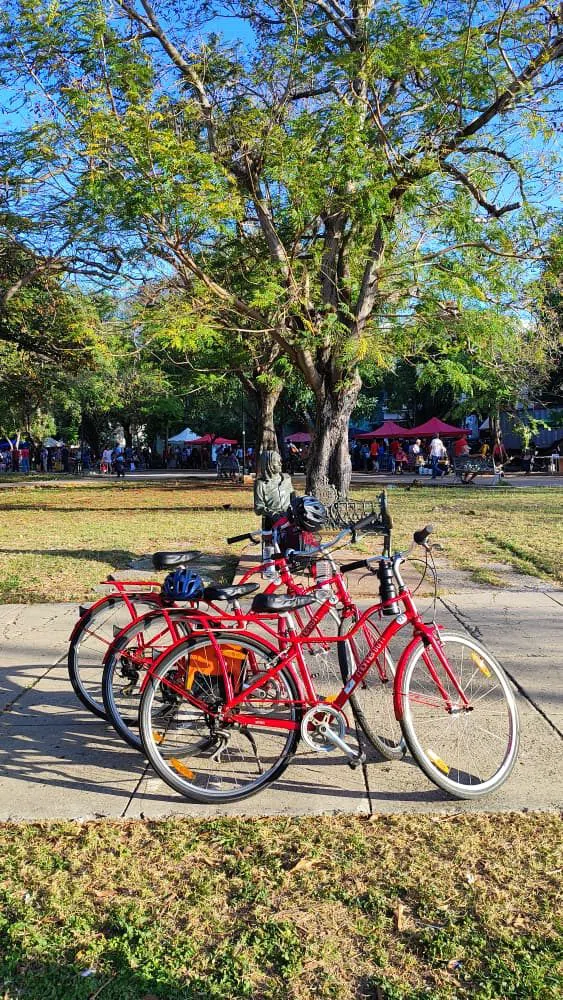
JimyBikes runs a tighter, more specific itinerary: a roughly four-hour, thirteen-kilometer loop through Plaza de la Revolución, Colón Cemetery, and the Malecón, priced around $35-45 USD, with an eco-tourism lean in how the guides frame the ride. Small groups only, since this isn't a shop built to absorb a coach-load, which makes it a good fit if you want a single all-in-one orientation ride that hits the major sights without stringing a route together yourself. Between the two, RutaBikes leans toward atmosphere and timing, its sunset departures booking out first, while JimyBikes leans toward a fixed, efficient loop of landmarks. Pick based on whether you want a mood or an itinerary.
Cash, transport, and timing
Havana's bike scene runs almost entirely on cash and word of mouth, so plan accordingly. US dollars are the working currency for every tourist-facing rental and tour here ($10 to $45 depending on operator and duration), while Ha'Bici's pass system runs in Cuban pesos, a reminder that it's built for residents first. Bring small denominations; change isn't always easy to produce on the spot, and card payment isn't a realistic assumption anywhere on this list.
Book rentals and tours a day or two ahead where you can, especially RutaBikes' sunset departures and JimyBikes' small-group slots, both of which fill up in peak season. CicloCuba, being WhatsApp-first, is worth messaging even further ahead if you're planning a multi-week tour out of the city, since Abel will want to talk through logistics rather than just confirm a booking.
Traffic in Havana is lighter than in most capital cities but far from predictable: potholes, the odd loose dog, and drivers still adjusting to sharing the road with a growing number of cyclists are all real considerations. A guided first ride with RutaBikes or JimyBikes is a reasonable way to learn the city's traffic patterns before renting solo and heading out on your own. And if the first Sunday of the month lines up with your trip, join Masa Crítica Habana: it costs nothing and shows you the city's cycling culture with nothing added for your benefit.
For somewhere to stay while you sort out a bike, start with the Havana hotel search; for the rest of the city beyond two wheels, the Havana guide covers it.