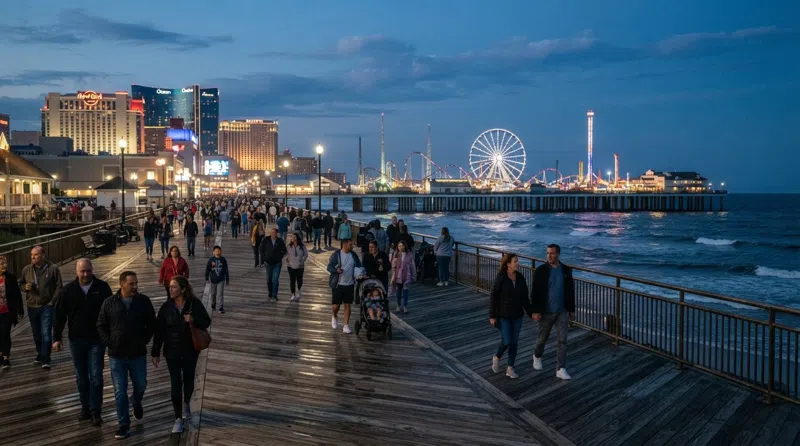
At dusk the five-mile curve of Havana's seawall fills with everyone the city has to offer: fishermen hauling in a line before the light goes, teenagers passing a bottle of rum between three plastic cups, old men setting up a game of dominoes on a folded towel, and couples claiming a slab of limestone as if it were a reserved bench. This is the Malecón, built in stages between 1901 and the 1950s, and in 2026 it remains what it has always been — Havana's real living room, free to anyone who can find a place to sit and watch the Straits of Florida turn orange.
Walking it end to end takes the better part of two hours without stopping, and almost nobody does it in one go. The wall runs from the mouth of Havana harbour in the east, along the edge of Habana Vieja and Centro Habana, through the open curve where spray comes clean over the stone on rough days, into Vedado and the newer hotel skyline, before the road ducks into a tunnel toward the western suburbs. What follows is a route through it — not a checklist, but the places worth timing your walk around.
Where the Wall Begins: The Punta and Habana Vieja
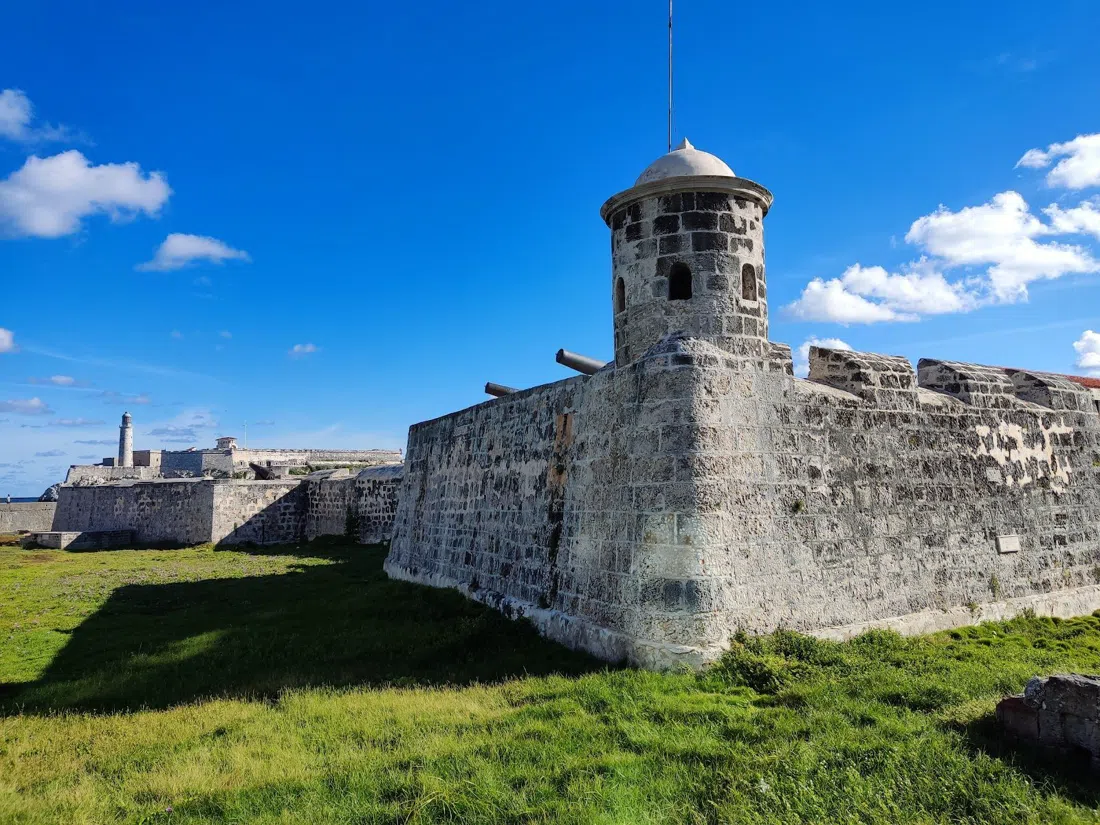
The five-mile stretch has an exact starting point, and it's worth standing on it before you do anything else. Castillo de San Salvador de la Punta (Habana Vieja), a squat sixteenth-century fortress with a small naval museum inside, marks the spot where the wall meets the old city. Admission is free, the museum interior is modest — you're here for five minutes, not fifty — and it takes tour groups without any trouble. Stand at the point and you can see the whole logic of the place: the harbour channel narrowing on your right, the open Atlantic swell on your left, and the wall itself beginning its long curve west.
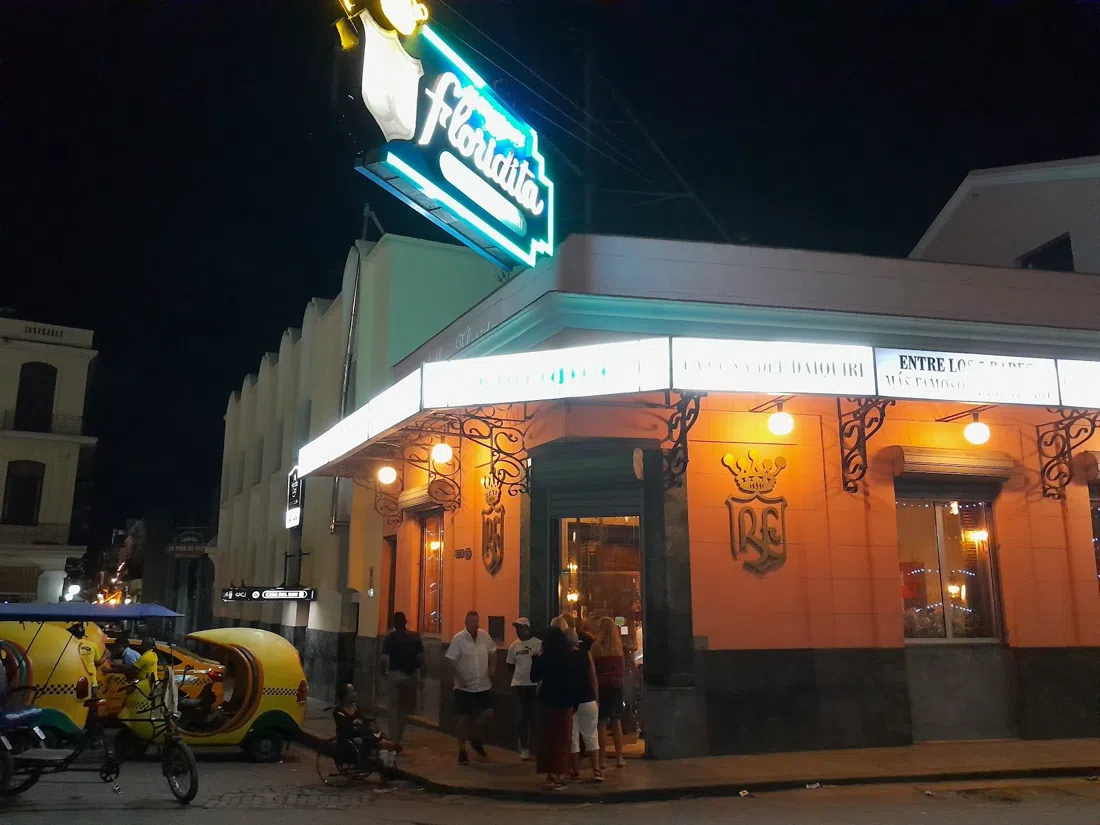
A couple of blocks inland is El Floridita (Habana Vieja), the eastern gateway to any Malecón walk and, at over two hundred years old, still the daiquiri's home bar. Hemingway's stool by the corner of the bar is the reason most people come, and that corner is genuinely small and cramped — if you're a group of more than three or four, ask for the dining room rather than trying to squeeze in at the bar itself, which is built for elbow-to-elbow drinking, not for parties. A daiquiri here runs $6–8 USD, which is not cheap by Havana standards, but it's the one splurge on this list that's actually about the history rather than the view.
Across the Channel: The Forts
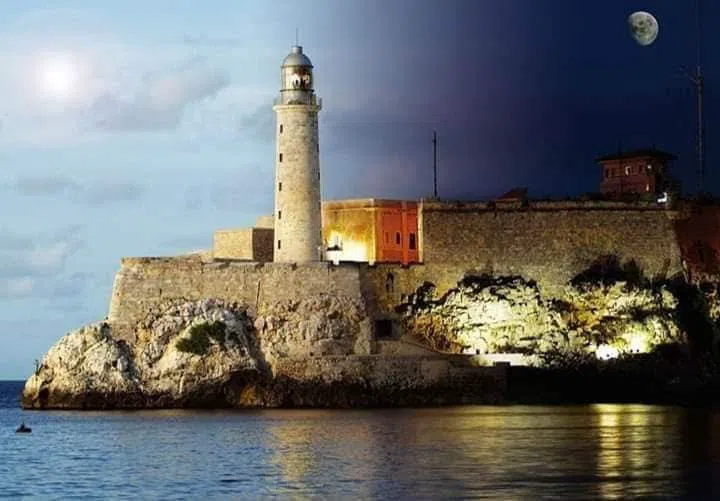
Look east from almost anywhere on the wall near Habana Vieja and you're looking at the two fortresses that explain why the harbour mouth looks the way it does. Castillo de los Tres Reyes del Morro — El Morro — sits on the promontory across the channel, its lighthouse the single most photographed backdrop for a Malecón sunset. It handles large tour groups routinely across its wide grounds, entry is around $6 USD, and it rewards an early-evening visit: you get the fort itself, then a clear line back across the water to the wall you'll be walking later.
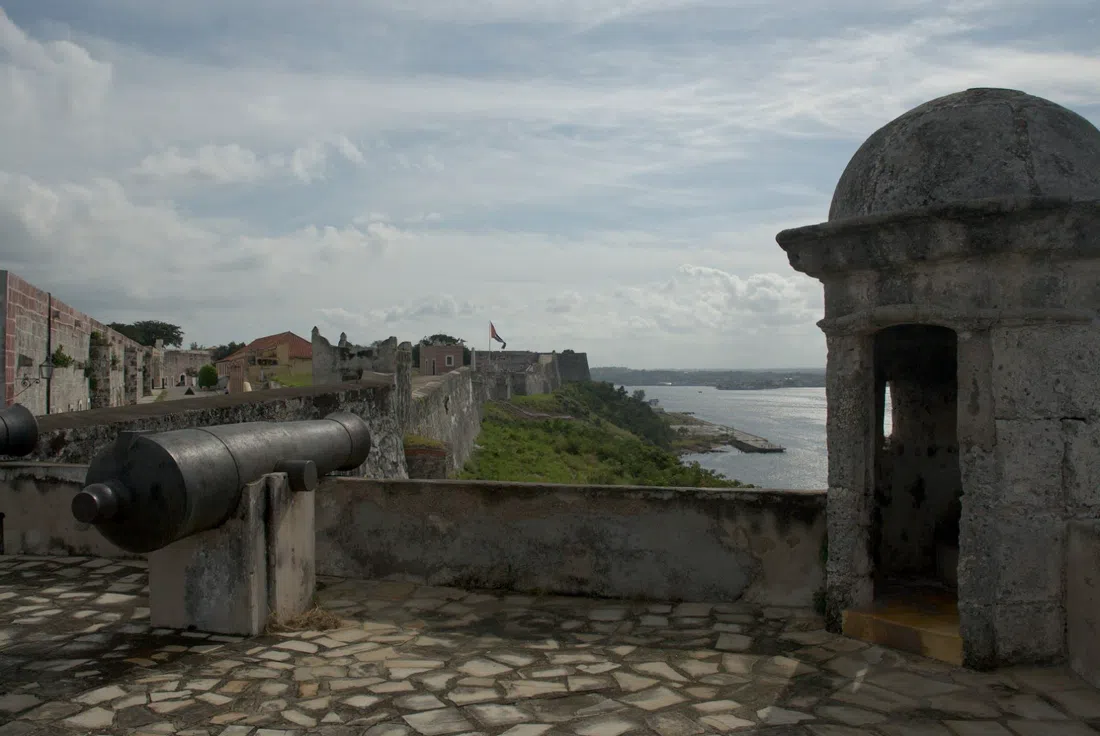
Next to it, Fortaleza de San Carlos de la Cabaña runs the ceremony that closes out the evening for a lot of visitors — the cañonazo, a nightly cannon-fire ritual now 350 years running, that once marked the closing of Havana's city gates. Entry is $6–8 USD, tour groups run nightly, and the practical note matters here: arrive by 8pm or you'll be watching from the back of a genuinely large crowd. The cannon fire itself is loud enough to hear, and often see the flash of, from the Malecón across the water — so even if you don't cross over, time your wall walk to be facing that direction around 9pm.
The Sunset Ritual: Best Vantage Points
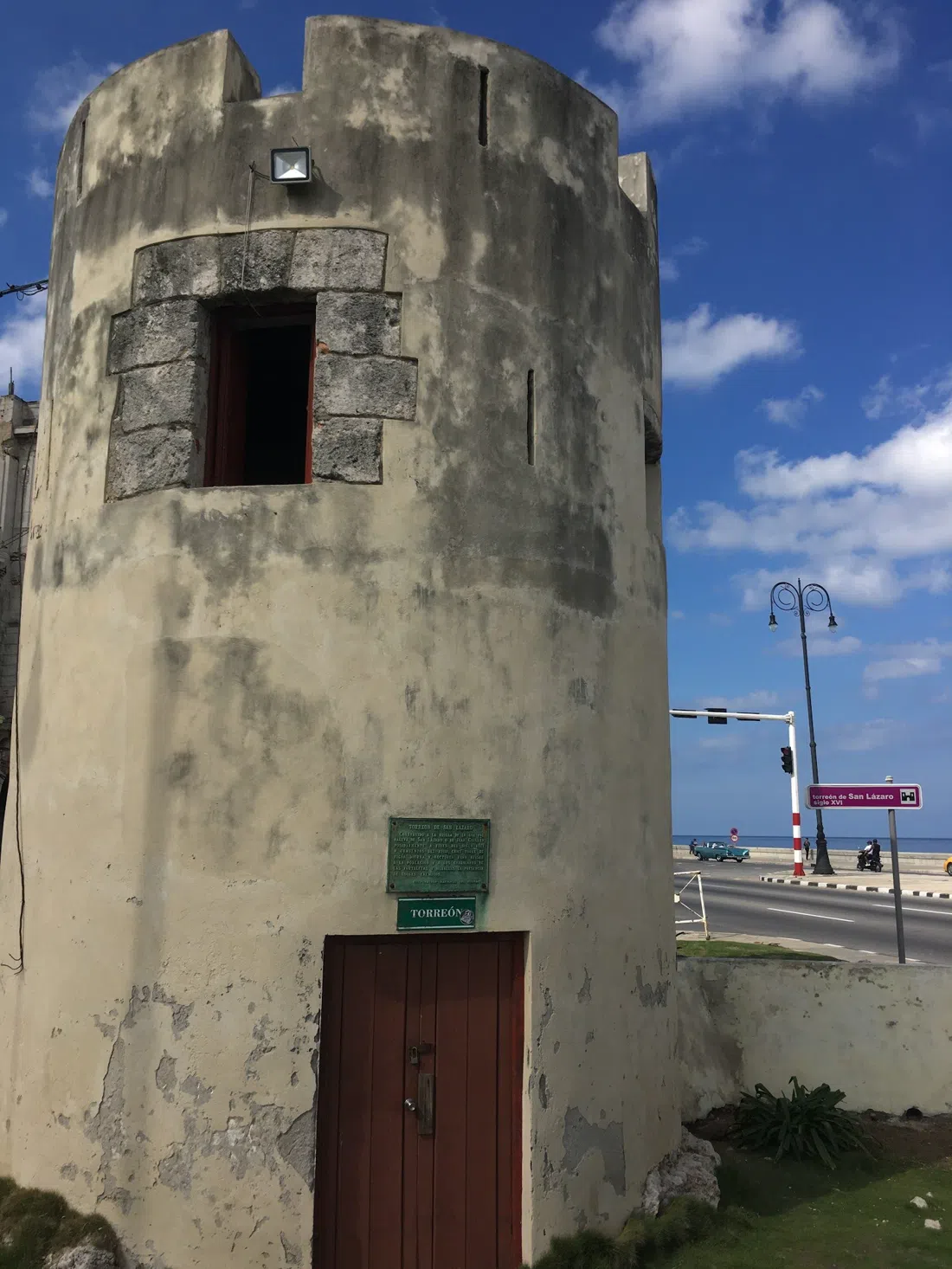
The wall itself was built around existing structures rather than the other way round, and the clearest proof of that is Torreón de San Lázaro, a watchtower that predates the Malecón by centuries and that the 1920s engineers simply built the seawall around rather than through. It's open-air, unrestricted, free, and mostly ignored by people rushing to the better-known bars — which makes it a good, quiet spot to start understanding how old this stretch of coast actually is before the crowds arrive.
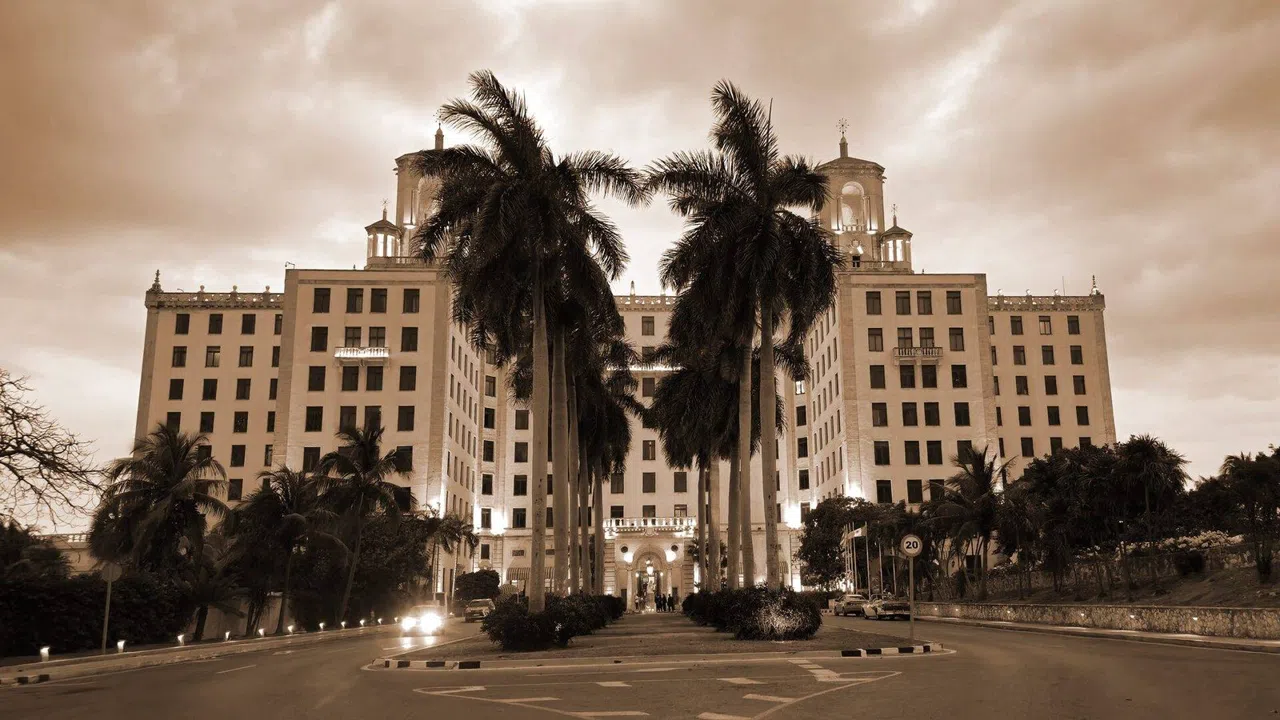
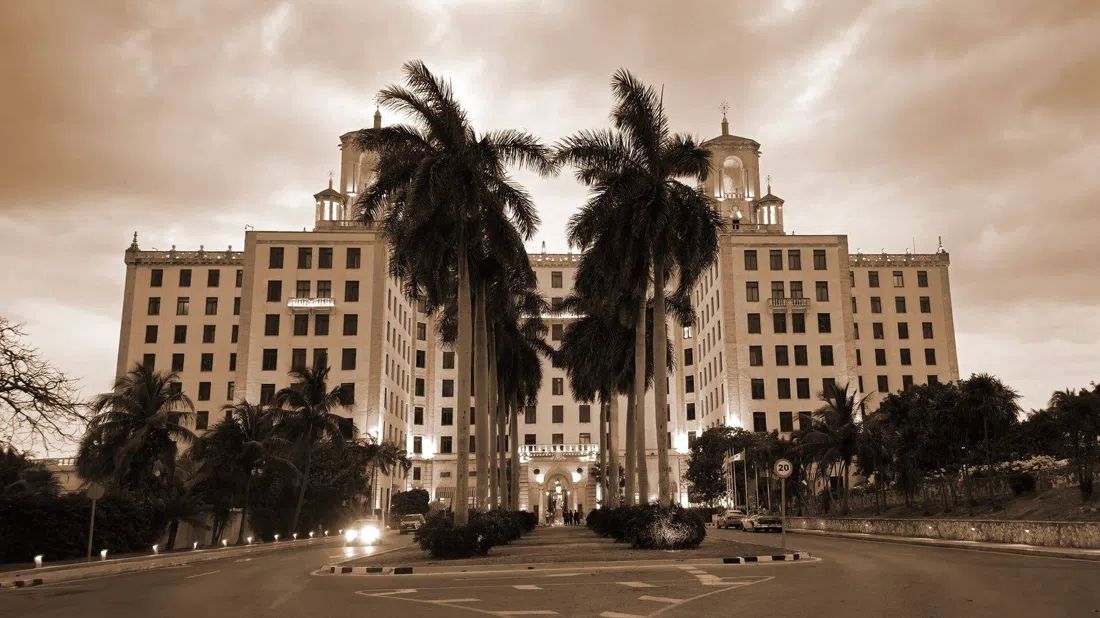
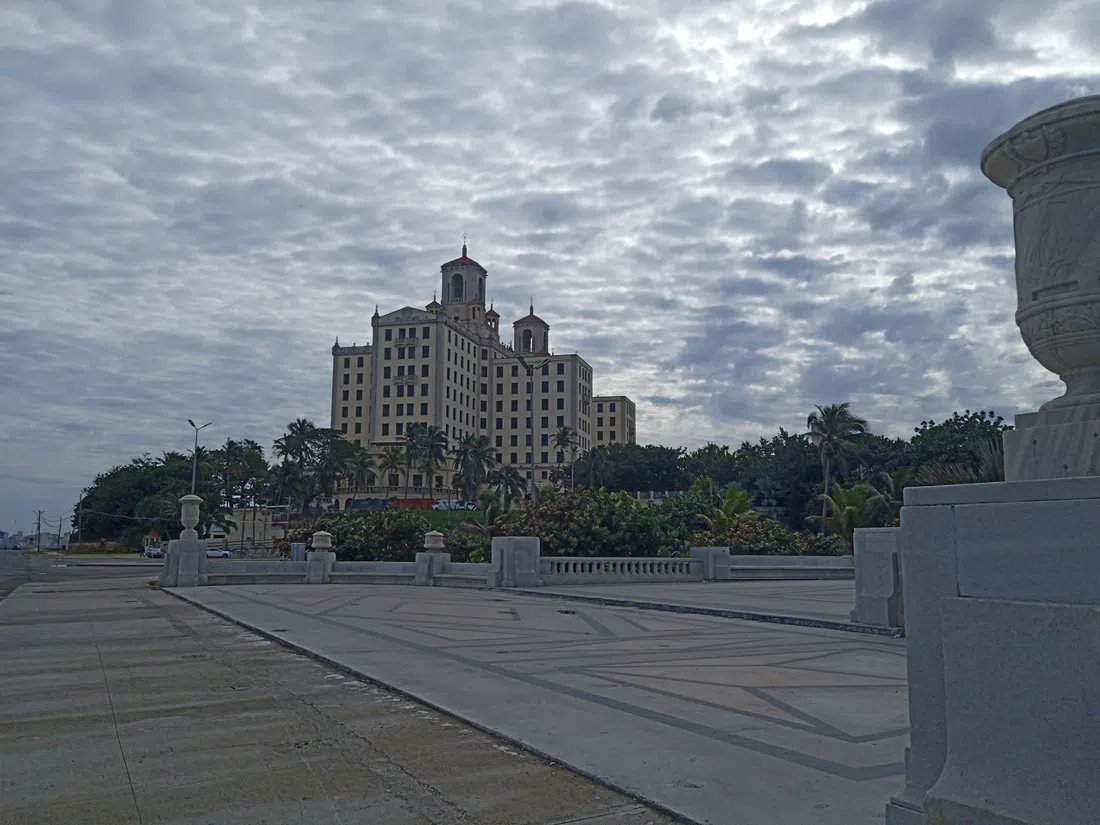
For the crowds, there's Hotel Nacional de Cuba (Vedado), perched on its own bluff above the wall and the single best-known vantage point over the Malecón at sunset — it's the anchor image of the whole promenade, used on more postcards than any other spot on this list. The terrace and gardens are open to non-guests, there's no door policy, and it comfortably absorbs large groups; you can even book one of the cabaret shows ahead of time if you want to make an evening of it. Cocktails run $5–12 USD, priced for the view as much as the drink.
For something closer to the water, Malecón 663 sits directly on the wall itself rather than set back from it, which means its small rooftop puts you level with the spray on rough-sea days — a genuinely different experience from watching the same swell from a terrace thirty feet up. The door policy here is informal and the terrace is small, comfortable for a group of six to eight but not much more; live jazz and DJ nights get busy fast, so arrive early if you want a seat rather than a spot at the rail. Cocktails are $3–8 USD, the cheapest sunset drink on this list.
Where Havana Actually Sits: Parks and Plazas on the Wall
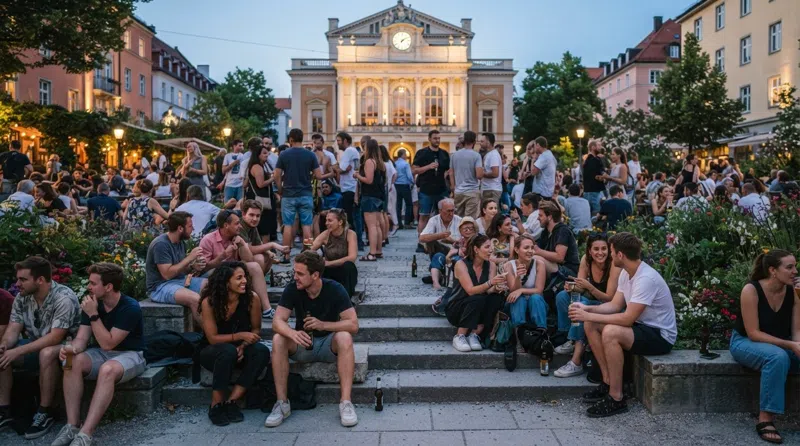
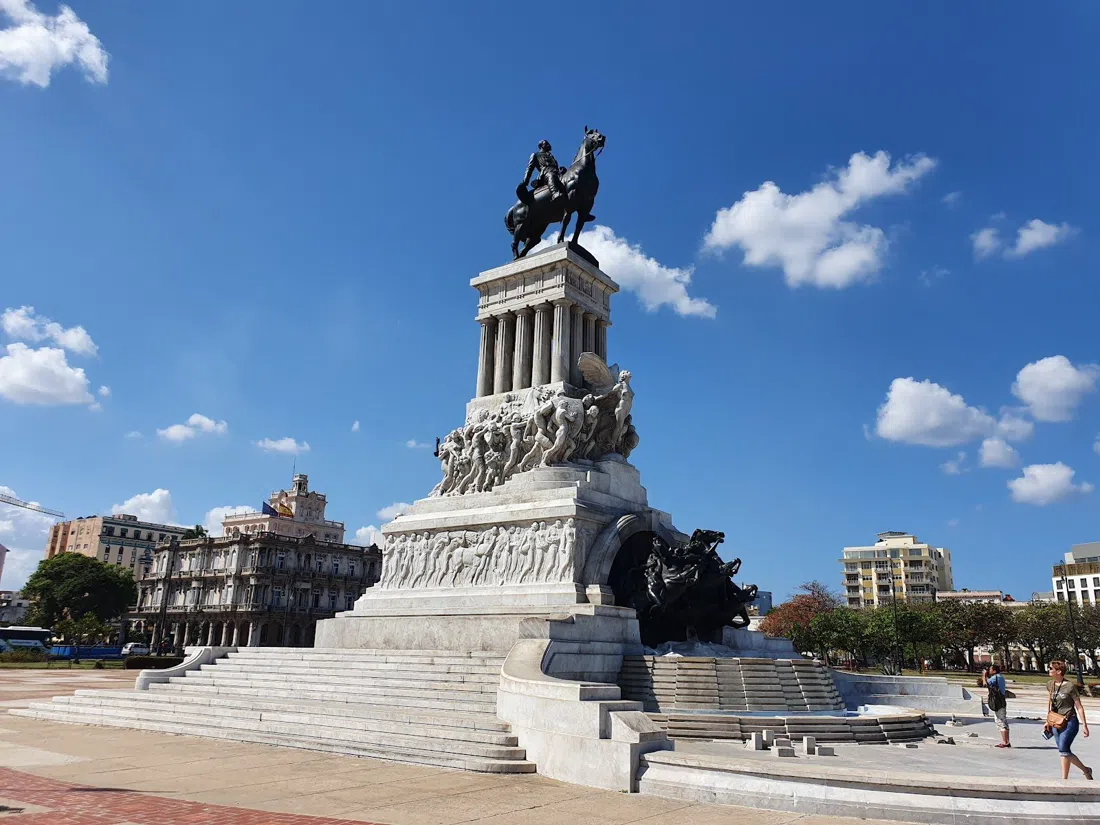
The bars and hotels explain where to drink; they don't explain what the Malecón actually is for most of the people on it, which is the free social space of a city where indoor space is expensive and outdoor space isn't. Parque Antonio Maceo, a stretch of open public park directly on the wall in Centro Habana, is where that's most visible — no restrictions, no cost, just the fishermen-and-lovers social life that gives the Malecón its reputation, condensed into one gathering point.
Farther along toward Vedado is La Piragua, an open-air plaza that functions as the Malecón's own informal amphitheatre. It's fully public, free, and built for groups — biweekly Saturday dance events draw a real crowd, the Cuban vintage-motorcycle club known as the Harlistas Cubanos meets there every Saturday, and Los Van Van, Cuba's best-known dance band, has played the plaza itself. There's no ticket, no door, and no fixed schedule beyond the Saturday rhythm — if you're in Havana on a Saturday evening, build your walk to end here rather than at a bar.
After the Sunset: Vedado and the Music Blocks Inland
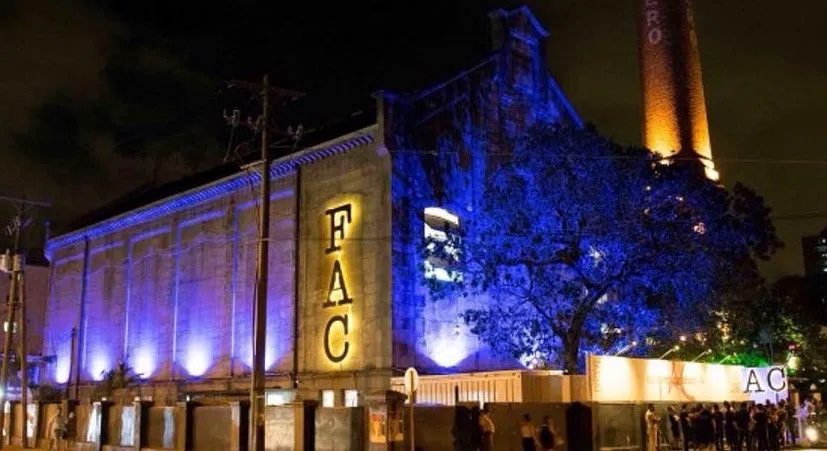
Once the sun is down, the wall itself starts to empty of anyone not fishing or courting, and the city's evening moves a few blocks inland. Fábrica de Arte Cubano — FAC — is a five-minute walk off the wall into Vedado, a converted industrial space that runs as an art gallery, club and live-music venue combined. It's ticketed at the door for a small cover (around $2 USD), drinks run $3–6 USD, and it comfortably handles large groups. The one thing to check before you go is which nights it's actually open — it runs Thursday to Sunday, 8pm to 3am, and the programming changes, so confirm the current schedule rather than assuming it matches a previous trip.
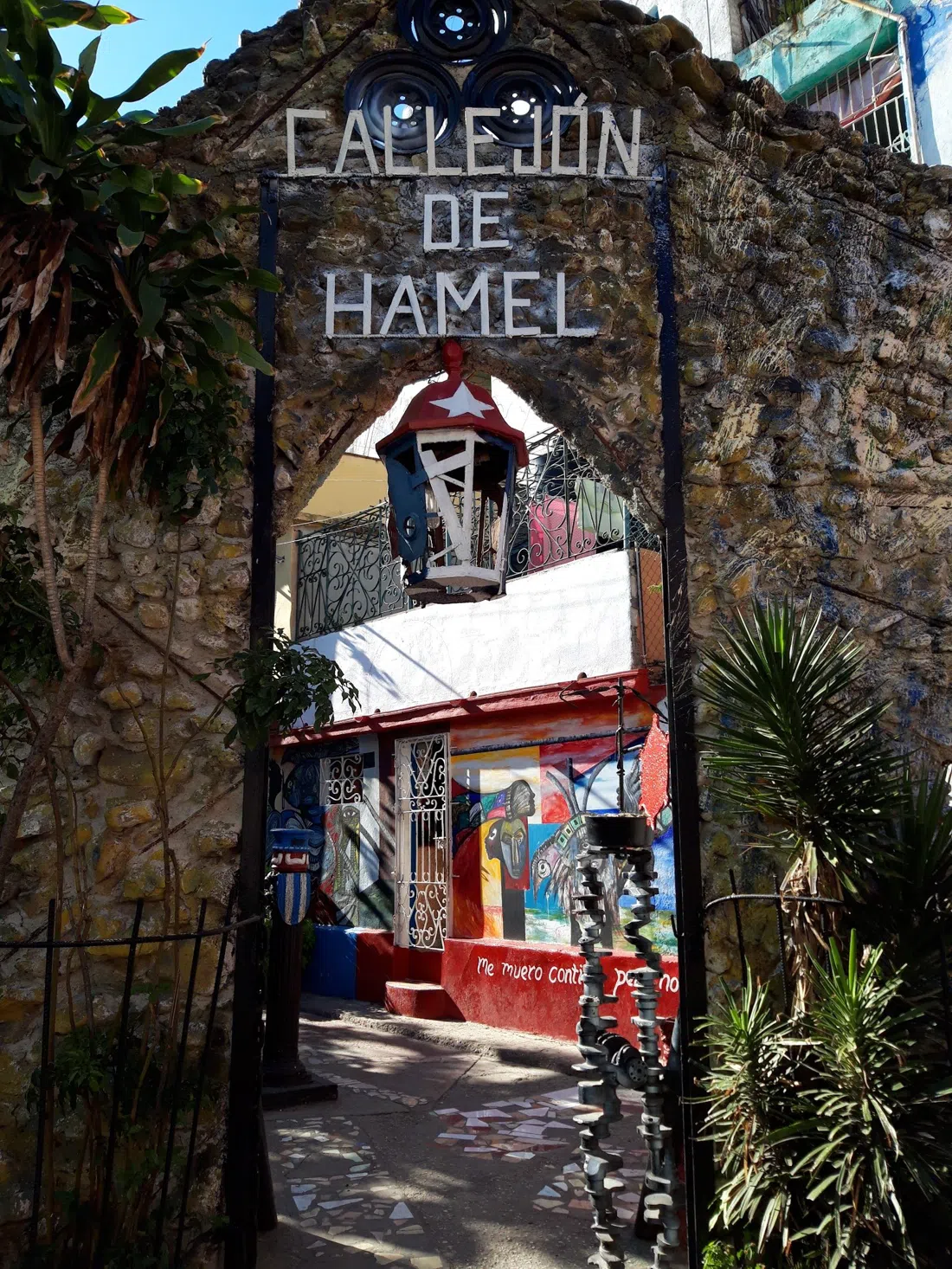
Callejón de Hamel (Cayo Hueso, a few blocks inland from the wall) is a different register entirely — a mural-covered alley that's the source of the trumpet-and-drum Afro-Cuban culture the Malecón absorbs after dark. It's free, though performers expect tips, and it gets genuinely crowded — Sunday afternoon is when the rumba starts, which means this is really a daytime-into-evening stop rather than a late-night one, worth building into the same day as your sunset walk rather than after it.
The New Skyline Over the Old Wall
Part of what makes the Malecón worth revisiting in 2026 rather than treating as a fixed postcard is that the skyline behind it keeps changing. Rooftop Bar at SO/ Paseo del Prado La Habana sits exactly on the seam where the Prado boulevard meets the seawall, and it's the newest addition to the silhouette that now frames every Malecón sunset photo from the Habana Vieja end. It's a hotel rooftop that takes groups and is worth reserving ahead on weekends; cocktails run $6–12 USD.
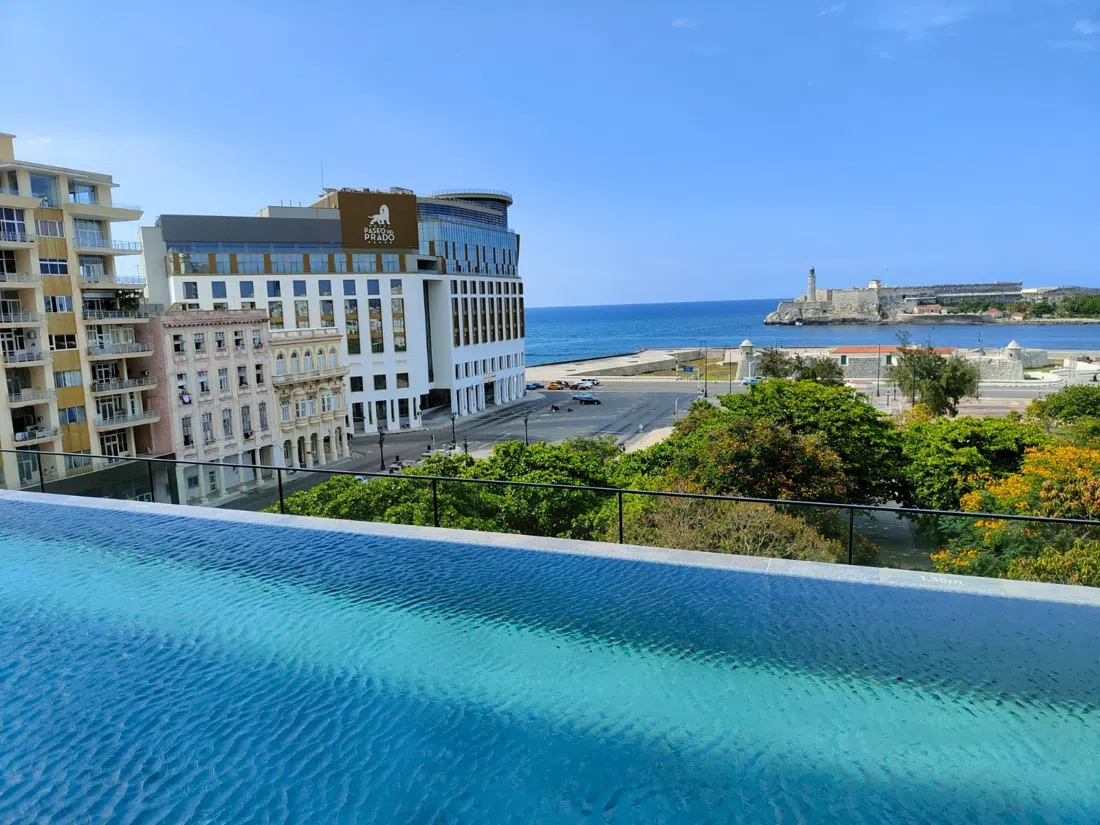
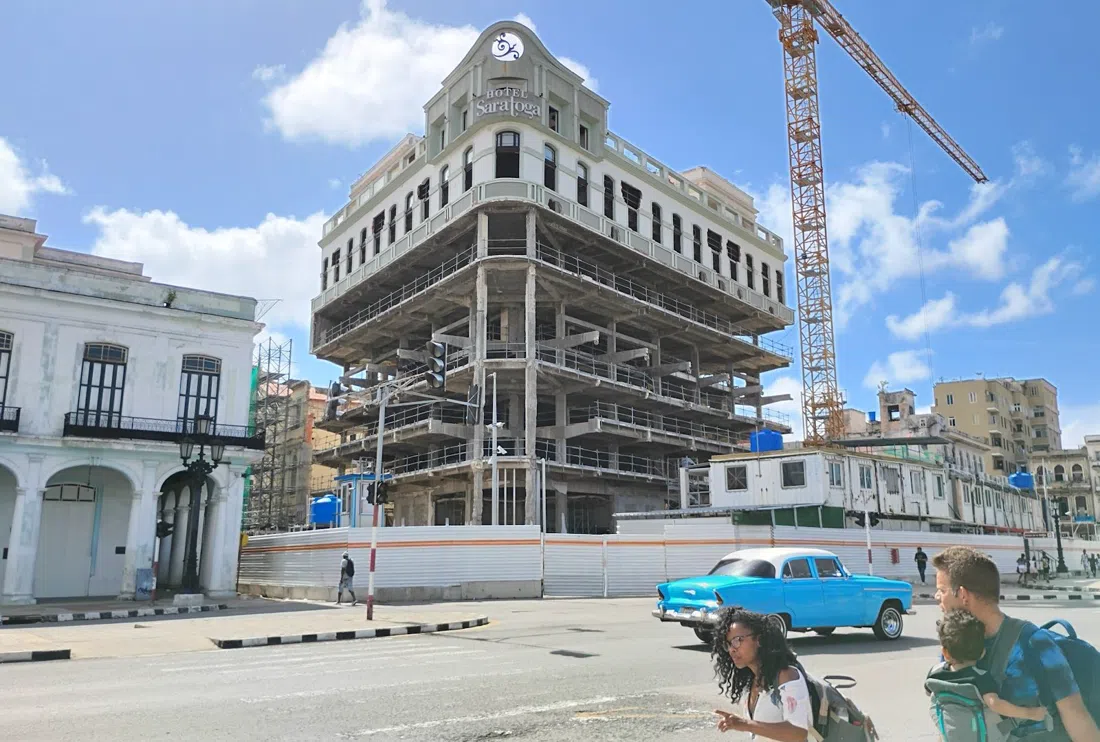
A short walk inland, Hotel Saratoga (Paseo del Prado) rebuilt and reopened its rooftop and pool after the 2022 explosion that damaged the building, and it's worth being honest about access: walk-in for non-guests varies with hotel occupancy, so confirm at the front desk rather than assuming you'll get up there, though groups are generally fine off-peak. Cocktails are $6–10 USD. Neither rooftop is essential the way Hotel Nacional's terrace is, but both are useful if you want the Malecón view without fighting the bigger crowds for a table.
Practical Info
Transport: The Malecón runs roughly parallel to most of central Havana, so walking sections of it is the default way to see it — a taxi (classic American cars operating as shared or private taxis, plus modern ride apps where available) is the practical way to cover the full five miles or to get back from Vedado to Habana Vieja late at night rather than walking the whole stretch in the dark. If you're staying centrally, start a Havana hotel search for a base within walking distance of either the Habana Vieja or Vedado end of the wall — it makes the sunset walk something you can do on foot rather than plan a taxi around.
Cash: Cuba's card infrastructure is inconsistent outside the largest hotels, and several of the smaller bars and every street vendor along the wall operate cash-only. Carry small denominations — nobody on the Malecón itself can break a large note, and the informal bars in particular deal in cash exclusively.
Timing: Sunset is the entire point of this walk, and Havana's light changes fast once the sun drops — aim to be at your chosen vantage point (Hotel Nacional's terrace or Malecón 663's rooftop are the two built for it) about 30 minutes before sunset, and if you're heading to La Cabaña for the 9pm cannon ceremony, budget the walk or taxi time from wherever you watched the sunset.
Budget: A realistic evening — sunset cocktail, dinner nearby, a nightcap at FAC or a rooftop — runs $30–50 USD per person, which is high by Cuban wage standards but genuinely modest against most international sunset-bar circuits. The free option is just as legitimate: a spot on the wall itself at Parque Antonio Maceo or La Piragua costs nothing and is arguably the more honest version of the ritual.
For the rest of the city beyond the wall, the Havana guide covers where to base yourself and what else to build a trip around.