
Havana in the pre-dawn hours smells of diesel, sea salt and someone else's cigar, and if you follow the sound of an untelevised tres guitar down a side street in Centro Habana, you will eventually find a room where nobody is being filmed. This is not a nostalgia act. Son cubano — the rhythm that became mambo, that became salsa, that conquered dance floors from Kinshasa to the Bronx — never left home, and Havana in 2026 still keeps a working, unamplified circuit of the rooms where it is played for the people who live there, not for a stage.
That circuit is scattered and mostly undocumented, which is the point: it survives precisely because it hasn't been packaged. What follows is a walkable, honest map of it — the Sunday rumba that never stopped, the troubadour house that reopened under a new name to keep its old job, the basement jazz clubs of Vedado, and the polished dinner shows that exist alongside all of it, not instead of it.
Sunday Mornings: The Open-Air Rumba Circuit
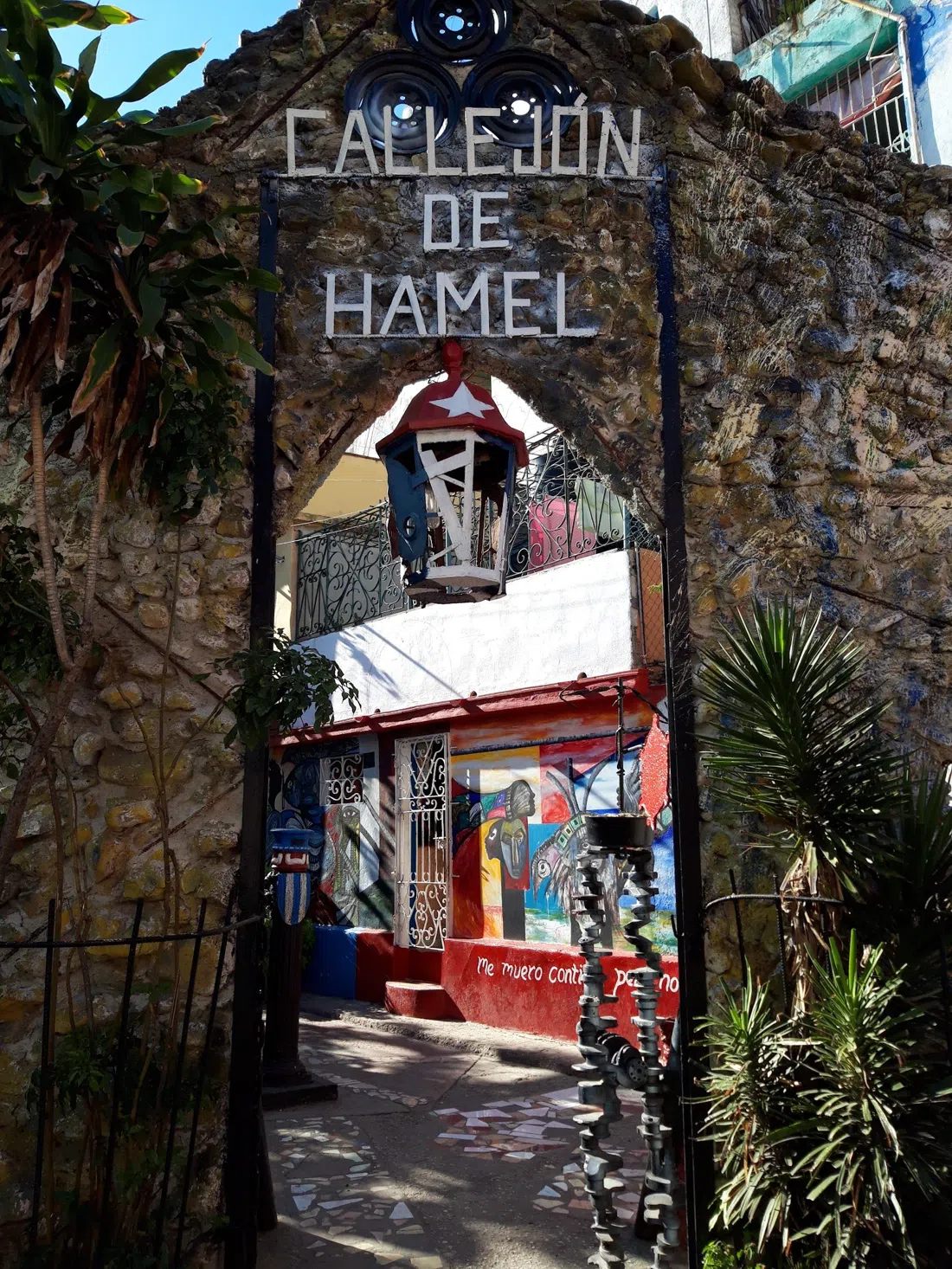
Start on a Sunday, because that is when Havana's rumba tradition is at its most visible and its least staged. Callejón de Hamel (Cayo Hueso, Centro Habana) is the obvious first stop and the one every guidebook mentions, for good reason: this is the original open-air Sunday rumba, running unbroken since 1990 despite the 2021 death of its founder, the artist Salvador González, whose Santería-inflected murals still cover every wall of the alley. It's free, it's public, and it draws large tour groups by midday — arrive by 11am if you want a sightline to the drummers rather than a view of someone else's phone. There's no reservation system because there's nothing to reserve; you tip performers directly, roughly 1 to 5 USD, and that tip is the actual economy of the event, not a suggestion.
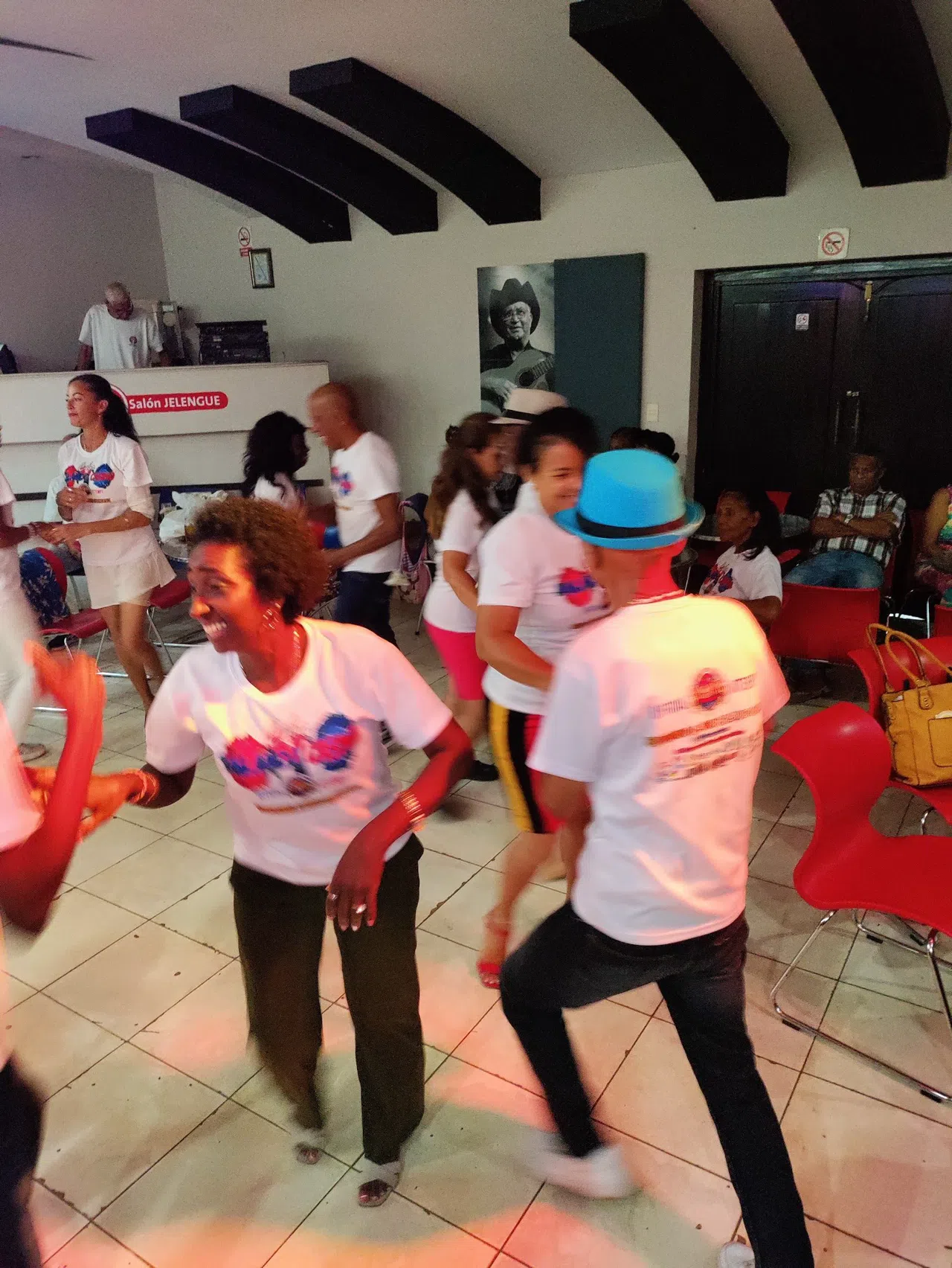
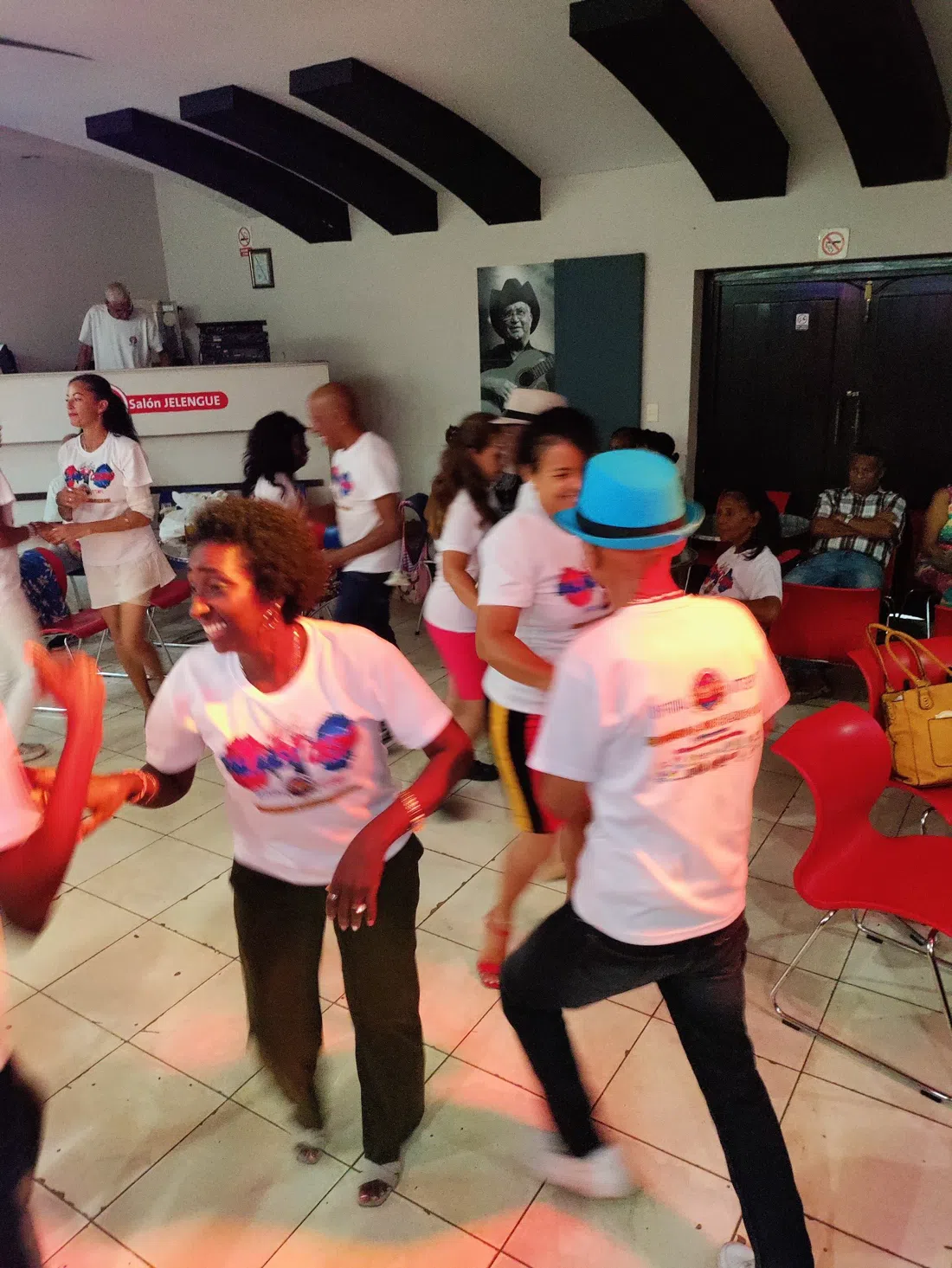
For something smaller and less choreographed for an audience, walk toward El Jelengue de Areíto, the rumba courtyard inside the Patio de la EGREM in Centro Habana — literally the recording studio where Cuba's classic son and rumba sides were cut. The space is genuinely tiny, which is its charm and its constraint: a Sunday-afternoon rumba and a Friday-evening jam happen here with no formal booking, just turning up, and a few USD or a CUP donation covers you. Small groups fit, but this is not a room built for a coach party — go in twos or threes, get there early, and understand you are a guest in a working studio's yard, not a customer at a venue.
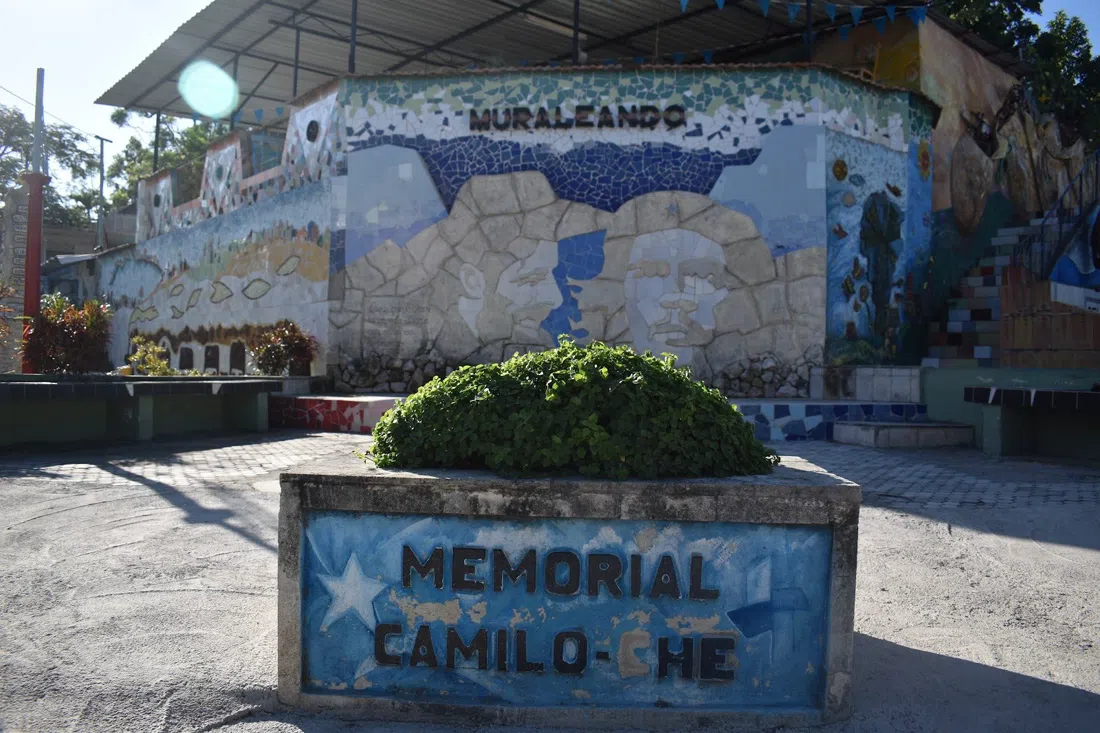
Further from the tourist grid entirely is Muraleando, a community art project in Lawton, a residential barrio well outside the postcard center. It's a former illegal rubbish dump that a group of local artists turned into a barrio-wide art installation, and it hosts genuine community rumba rather than a staged show for visitors. It's donation-based, groups are welcome, and it rewards showing up on a scheduled community visit day rather than hoping to catch something spontaneous — ask at your casa particular or a trusted local guide which Sunday has something on before you make the trip out.
The Troubadour's House, and Where the Boleros Live
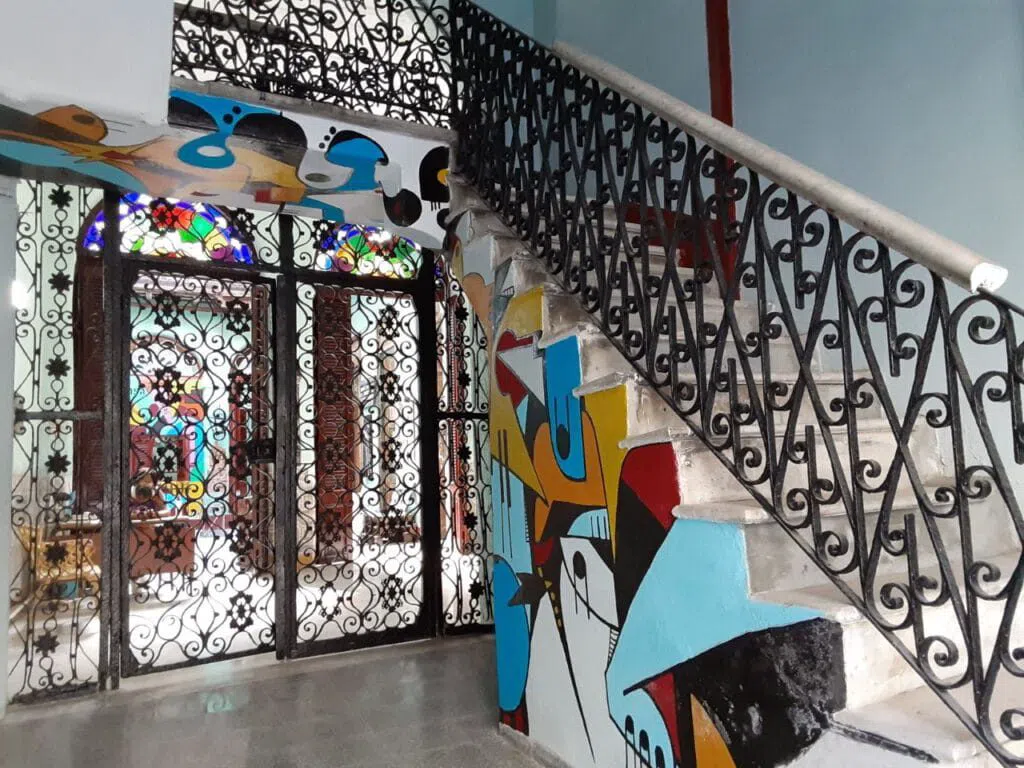
Havana's other foundational institution is the casa de la trova — the troubadour house — and the one to know in the capital is Casa de Artistas y Creadores in Centro Habana, which most residents still call by its old name, the Casa de la Trova. The original 1970 Casa de la Trova de Centro Habana was shuttered and reopened in 2013 under this new name, with the explicit brief of keeping the troubadour tradition alive under new management — same mission, new sign, and worth knowing the history so you're not confused when a local corrects your terminology. It's community-run and informal: groups are welcome, it's worth calling ahead, there's no online booking, and entry is free or a nominal CUP fee. This is where you hear son and trova played the way it was played before it had a genre name attached to it — two or three musicians, no monitors, no set list.
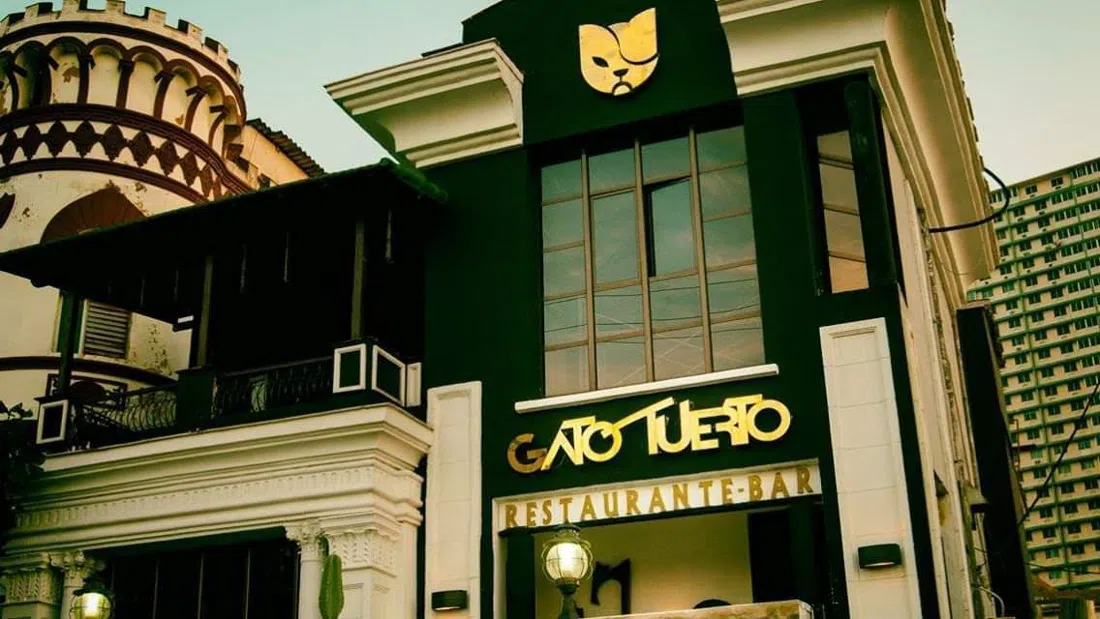
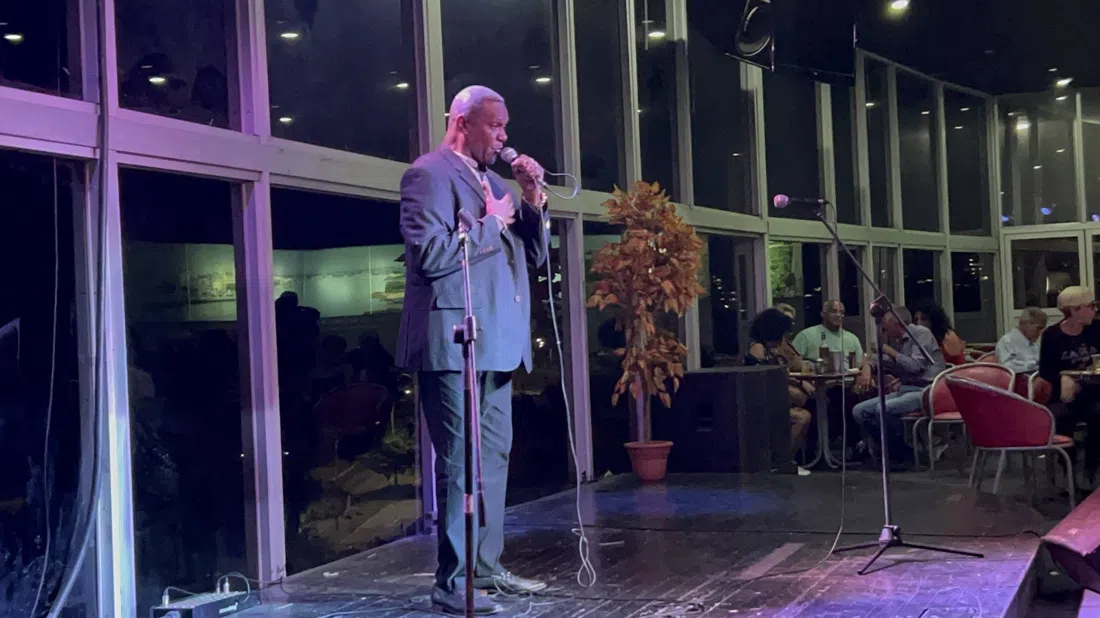
For the after-dark, bolero-and-troubadour end of the same tradition, El Gato Tuerto in Vedado has been Havana's classic late-night bolero den since 1960, and it still runs three or four rotating acts a night in a room that stays bohemian and stays open till dawn. It takes groups, but reserve ahead for weekend nights — this is a genuinely popular room with locals and visitors both, and turning up unannounced on a Friday risks standing at the bar. Pricing is mid-range with a minimum consumption, which is standard here and worth budgeting for rather than being surprised by at the table.
A more theatrical version of the same repertoire lives inside the national theatre at Piano Bar Delirio Habanero, also in Vedado, where real conjuntos play trova-to-bolero sets with what might be the best sightline of any room on this list — tiered seating looking down over the stage. It takes groups with table service and a smart-casual dress code, sits at a mid-range price point, and suits an evening where you want the music seated and unhurried rather than shoulder-to-shoulder at a bar.
Vedado After Dark: The Basement Jazz Rooms
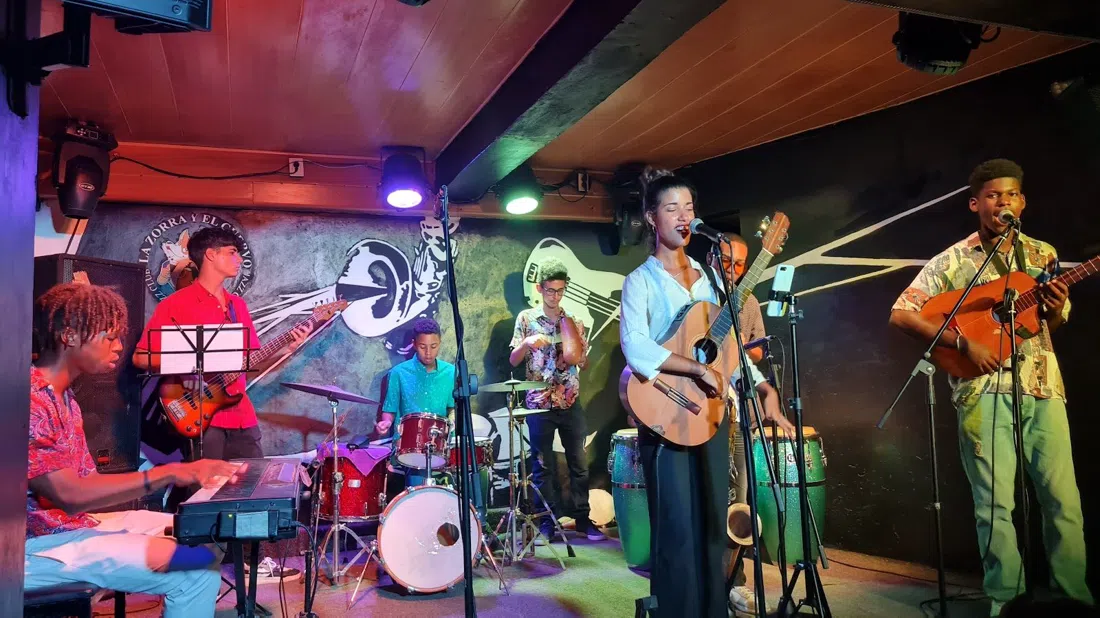
Cuban jazz grew directly out of son's harmonic vocabulary, and Vedado has the two rooms that prove it best. La Zorra y el Cuervo is the neighbourhood's benchmark basement jazz club — literally below street level, low-ceilinged, exactly the kind of unamplified, close-quarters room this whole piece is chasing, with nightly line-ups drawing on Cuba's best improvisers. The room caps out around 80 seats, so small groups are fine but arrive early if you want to sit rather than stand; the mid-range fixed cover includes two national drinks, which softens the price a little.
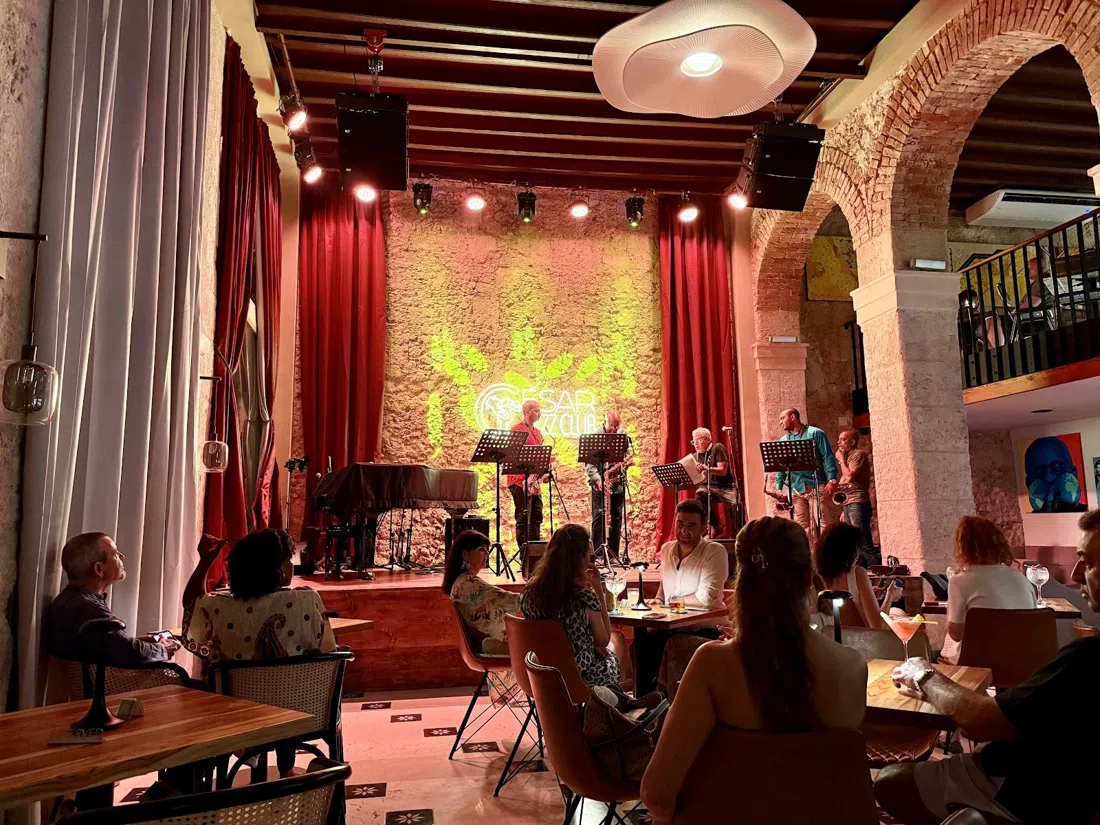
César Jazz Club, also in the Vedado/Miramar corridor, is the newer and more polished counterpart, founded by saxophonist César López as his own temple to Cuban jazz. Where La Zorra is raw, César is dinner-and-a-show — reservations and groups go directly through its website, pricing sits at the higher end, and it's the room to choose if you want a table, a proper meal, and a set that starts on time rather than a standing-room jam that finds its feet slowly.
Where Son Turns Into a Dance Floor
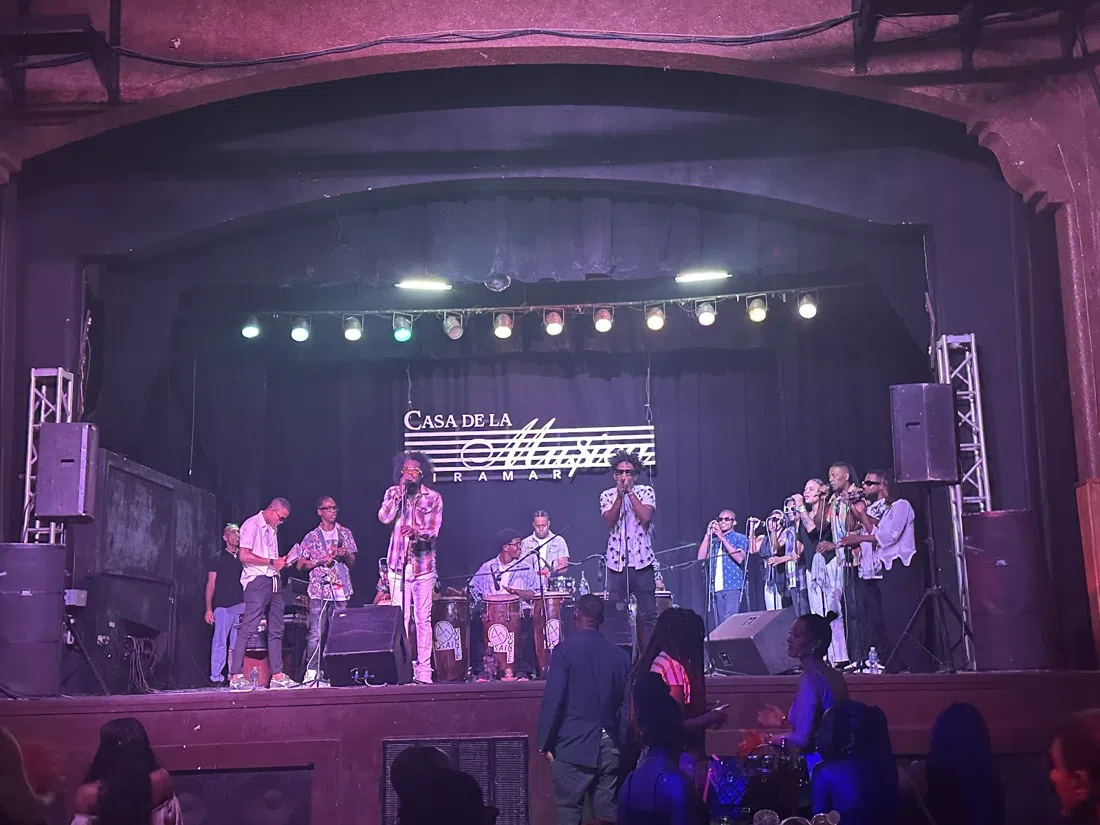
Not every room on this circuit is built for sitting and listening. Casa de la Música de Miramar is the state label's biggest room, and it plays son and timba at genuine orchestral scale — full big bands, not a duo in a corner — with tour buses and large groups regularly booked in and cover charges that scale with whichever act is playing. Come here if you want to see how son sounds when it's built for a room built for it, and don't expect intimacy; that's not what this venue is for.
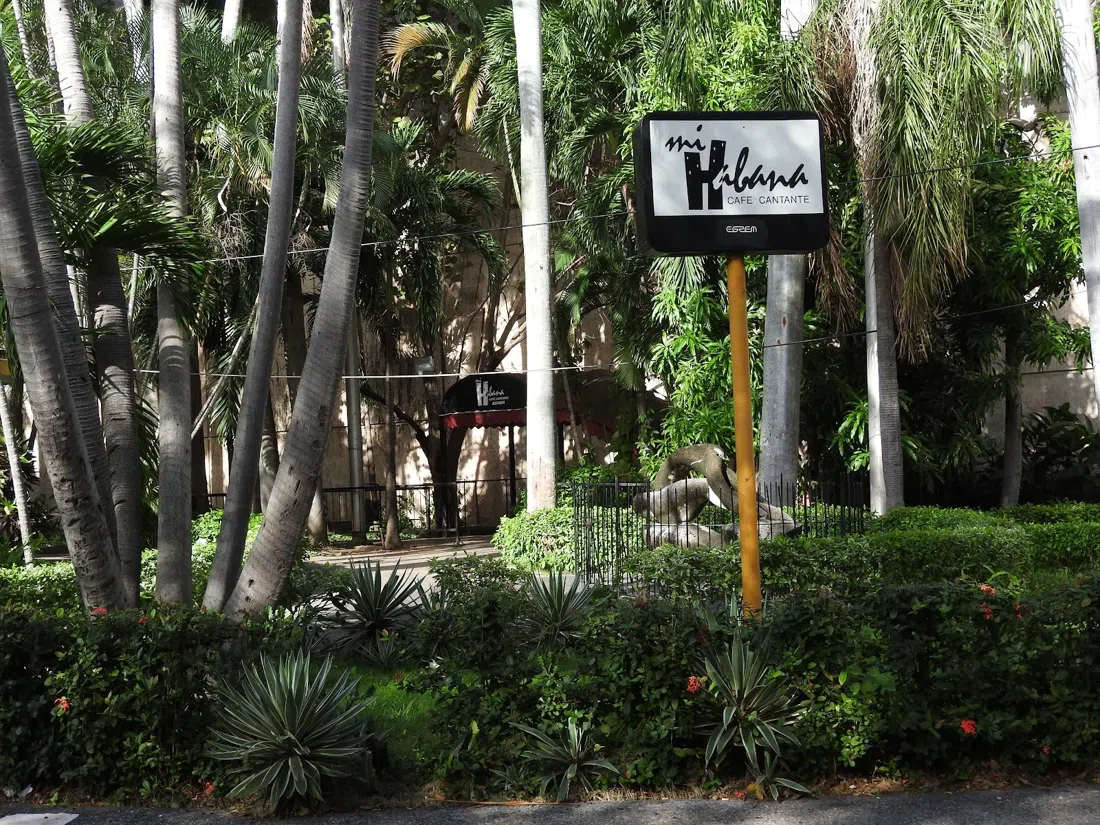
Inside the same national theatre complex as Piano Bar Delirio Habanero, but in the basement, Café Cantante Mi Habana starts as a low-cover live set — roughly 5 to 15 USD equivalent — and then turns into an actual late-night club with people dancing rather than watching. Groups are fine here, and the venue's honest identity is as the useful contrast to the more sedate trova houses: this is where the audience stops being an audience.
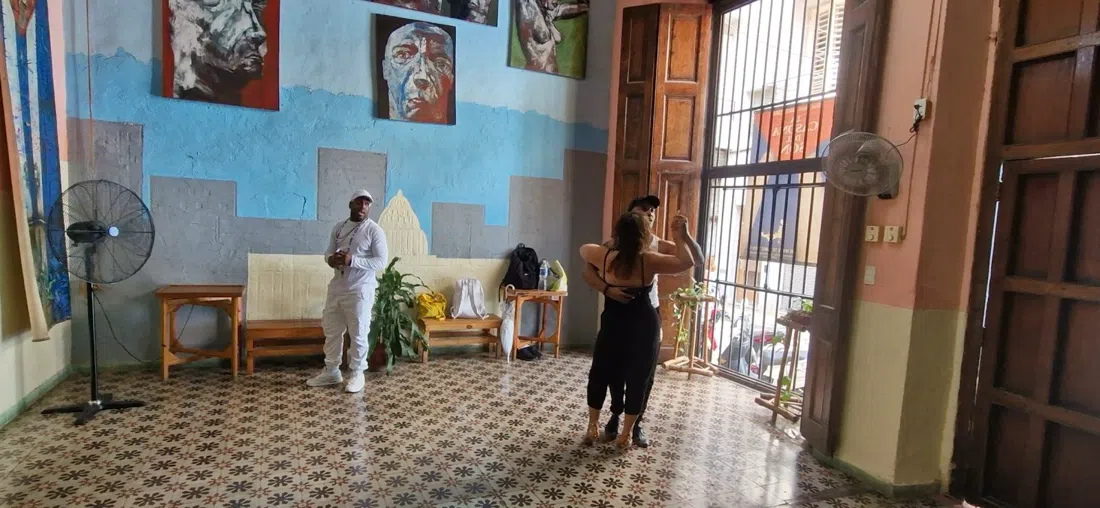
For readers who want to participate rather than only watch, La Casa del Son in Habana Vieja is built specifically for that — a dance school that also runs live-music nights, with group class packages paired with performances. It's mid-range and structured around class-plus-show packages, and it's the rare venue on this list explicitly designed for visitors rather than tolerant of them, which makes it a sensible choice for a couple or small group with zero salsa experience who'd rather learn the steps than stand at the edge of the room guessing.
The Contemporary Counterpoint, and the Tourist Package Done Well
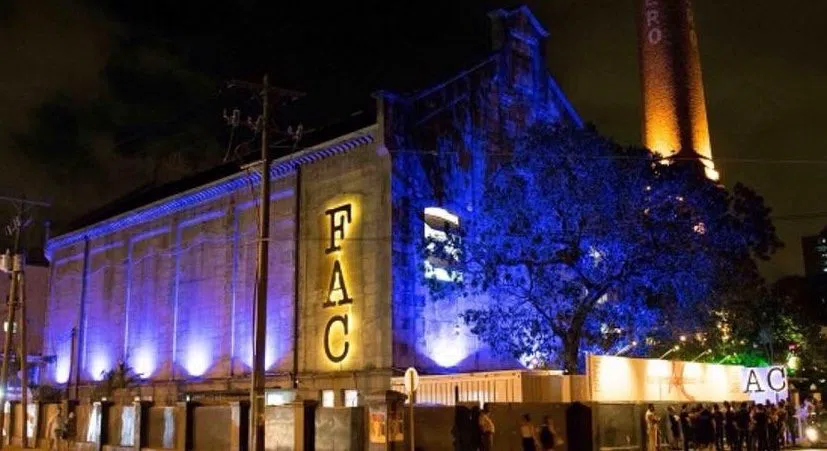
Two venues on this circuit sit slightly outside a strict son cubano definition, and each earns its place for a different reason. Fábrica de Arte Cubano, a multi-stage arts factory in Vedado, isn't son cubano in isolation — it's the essential contemporary counterpoint, the room where traditional rhythms get remixed, sampled and reworked for young Havana. It's open Thursday through Sunday evenings, takes groups easily, runs on a low entry fee plus a cashless pay-as-you-go drinks card, and belongs on the same itinerary as the traditional rooms precisely because it shows where all that older material is heading next.
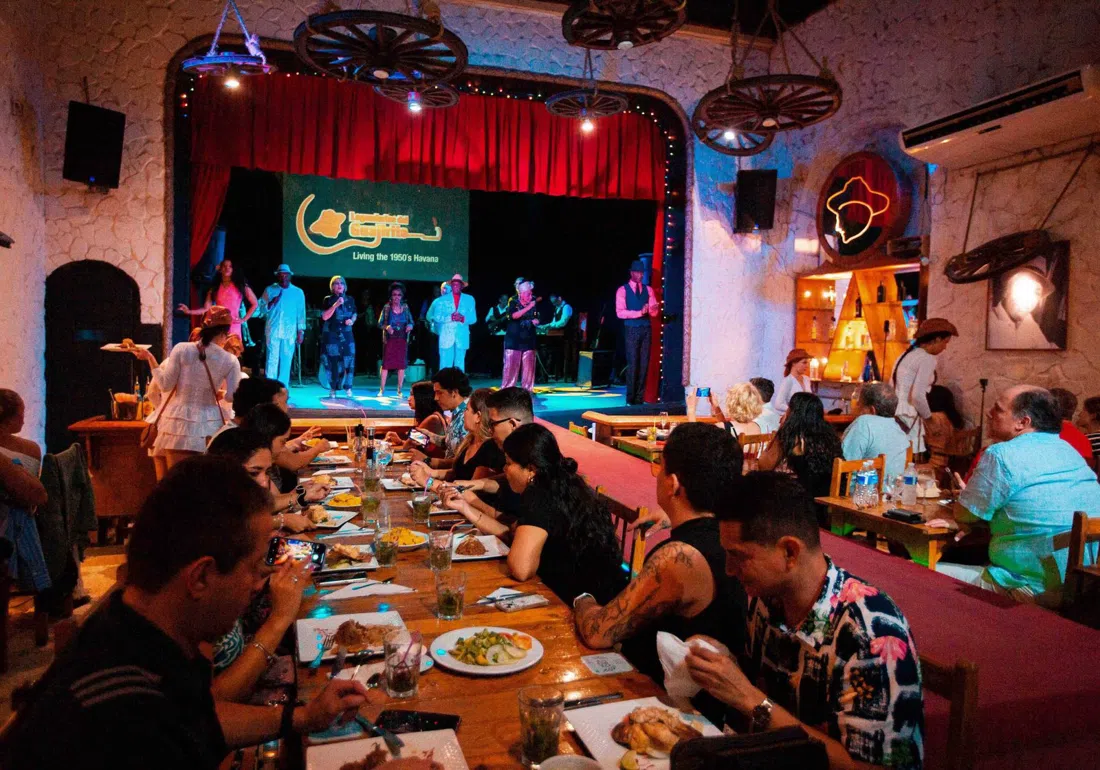
Legendarios del Guajirito is the polished, tour-operator-friendly face of Buena Vista nostalgia, built for dinner-inclusive group tickets rather than a spontaneous walk-in. It's worth naming honestly in any itinerary as a package experience — but the musicianship inside it is genuinely Grammy-adjacent talent, not a diluted knockoff, and for a group or a family that wants the classic-son sound with dinner handled and no door uncertainty, it does exactly what it promises.
Building a Route
A sensible two- or three-night pass through this scene starts with a Sunday at Callejón de Hamel and, if timing allows, El Jelengue de Areíto in the same afternoon — both are in Centro Habana and walkable to each other. Spend an evening in Vedado moving between La Zorra y el Cuervo or César Jazz Club and El Gato Tuerto or Piano Bar Delirio Habanero, all within the same district. Reserve Casa de la Música de Miramar or Legendarios del Guajirito for a night you want scale and certainty rather than intimacy and improvisation, and treat Muraleando and La Casa del Son as the days you have flexibility to go slightly further afield.
Practical Notes
Getting around: Centro Habana, Vedado and Habana Vieja are each walkable internally, but moving between them after dark is best done by a pre-arranged classic-car taxi or an app-booked ride rather than on foot — agree the fare before getting in. Casa de la Música de Miramar and César Jazz Club sit further out in Miramar, so budget taxi time and cost for those nights specifically.
Cash: Cuba's dual-pressure cash economy means USD and CUP both circulate at these venues, sometimes at the same door — bring small denominations of USD for tips and donation-based venues (Callejón de Hamel, El Jelengue de Areíto, Muraleando), and keep CUP on hand for casa de la trova entry fees. Card payment is rare outside FAC's cashless system, so plan your cash for the night before you go out.
Timing: Rumba and troubadour venues run on their own clock — Callejón de Hamel from late morning, El Jelengue de Areíto Sunday afternoon and Friday evening, most of the club-format rooms from 9 or 10pm with sets running past midnight. Nothing here is quick; budget a full evening rather than a single set.
Budget: Free-to-nominal at the rumba and trova venues (tips and small CUP donations), mid-range fixed covers at the jazz basements and bolero clubs, and higher-end dinner-and-show pricing at César Jazz Club and Legendarios del Guajirito. A realistic nightly budget ranges from a handful of dollars at Callejón de Hamel to $40–70 equivalent for a dinner-show night.
Book your stay with a Havana hotel search close to Vedado or Centro Habana to keep this circuit walkable, and see the full Havana guide for the neighbourhoods, food and history that surround it. The unamplified son cubano scene isn't a museum piece kept alive for visitors — it's a working Sunday-morning and Friday-night habit of the city, and in 2026 it is still entirely possible to be a guest in it rather than a spectator of it.