The Havana issue
Havana's Casas Particulares Keep Their Own Lights On
Havana's private houses buy their own fuel, cook their own breakfast and fix their own problems. Here are fourteen worth booking, from a three-room family B&B to a sixteen-sleeper villa with a generator.
By Oliver NashReading Havana barrio by barrio
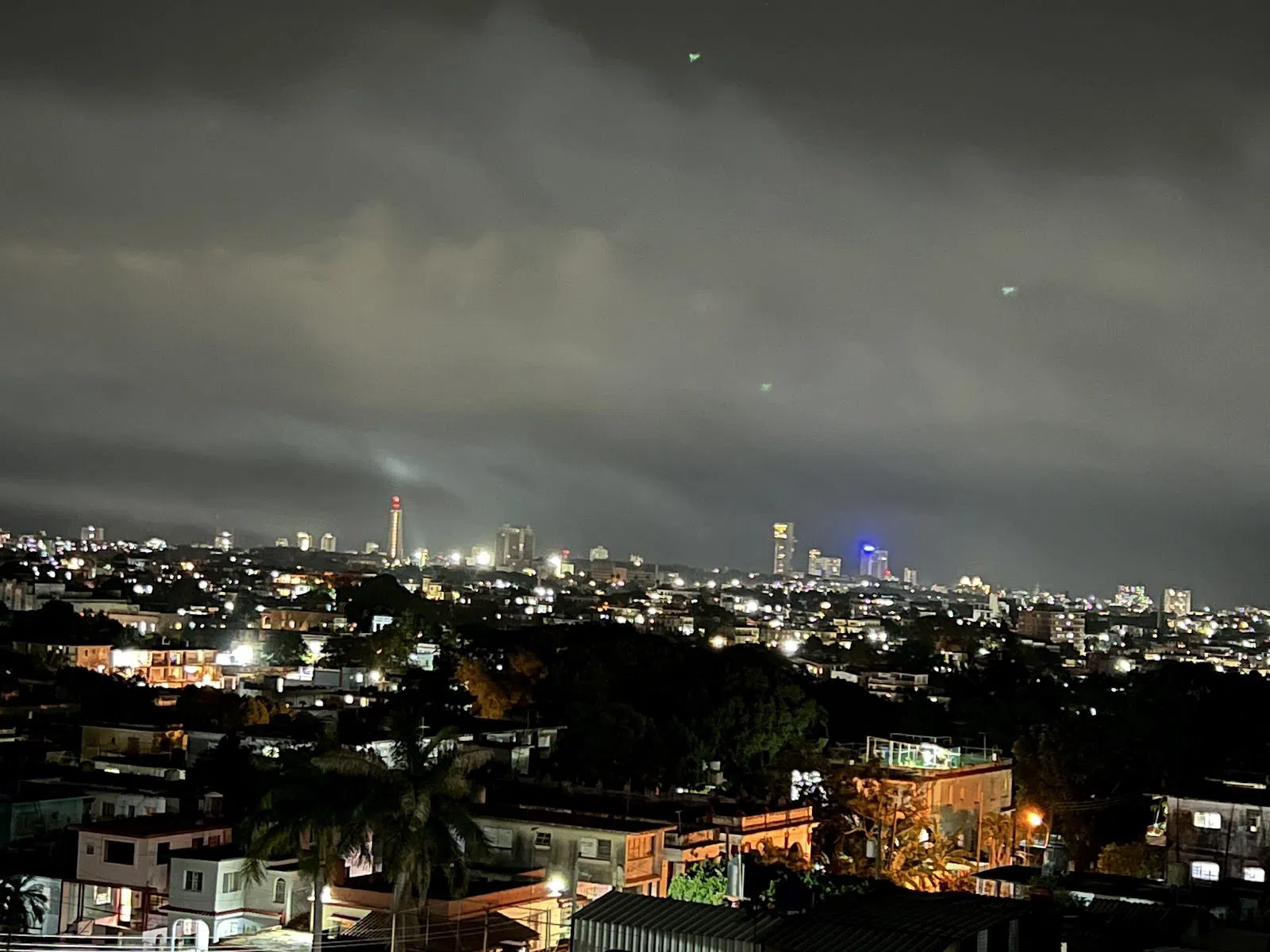
Havana runs on a grid that fails in sections, so an evening walk here is partly a survey of which windows are still lit. Cross Centro Habana after nine and you pass a block gone entirely to silhouette (columns, doorways, a bicycle taxi feeling its way along the kerb), and then a house with a generator ticking behind the grille, a fan turning, a family eating under a bulb. That house is almost always a casa particular, and the reason it matters to you is unglamorous: somebody who lives there bought the diesel.
What you are really buying when you book a private house
A casa particular is a licensed private rental, and the category now stretches from three bedrooms above a family kitchen to a restored mansion with a chef, a driver and a rooftop bar. The word covers all of it. What the whole range shares is the thing that decides how your week goes: the person responsible for the building is either living in it or a phone call away, and the supply lines are theirs. Fuel, water, eggs, coffee, a spare inverter battery, a cousin with a car: none of that arrives through a state procurement chain. It arrives because the owner spent the morning arranging it.
That is the practical case, and it is worth putting plainly rather than romantically. When the power goes, a house with a generator or a solar-and-battery set-up keeps the fans and the fridge going. The water pump stops too, so ask about tank capacity as well as the generator. When something breaks at eleven at night, an owner fixes it or knows who can. Nobody is waiting on a work order.
Not every casa is equipped like this. Plenty are a spare room in a flat with a torch on the nightstand, and they are priced accordingly. The houses below are the ones where the infrastructure and the hosting are both real, but you should still ask three questions before you pay anything: what does the back-up power actually run, how much stored water is there, and is breakfast cooked in the house. The answers tell you more than any photograph.
Most private houses want cash on arrival, in euros or US dollars, with a small deposit taken online if at all. Foreign cards are close to useless across the city. Budget the whole stay in notes before you land, and read that as a feature of the country rather than a quirk of the house.
Plan your Havana trip
Live prices from our booking partners.
Free cancellation on many rooms. We may earn a commission when you book.
A door onto Habana Vieja
The old city is the obvious base for a first visit and still the best one for anybody who wants to walk. The four plazas sit within ten minutes of each other, the streets between them are narrow enough to stay shaded, and the restored blocks are the best-lit part of Havana after dark.
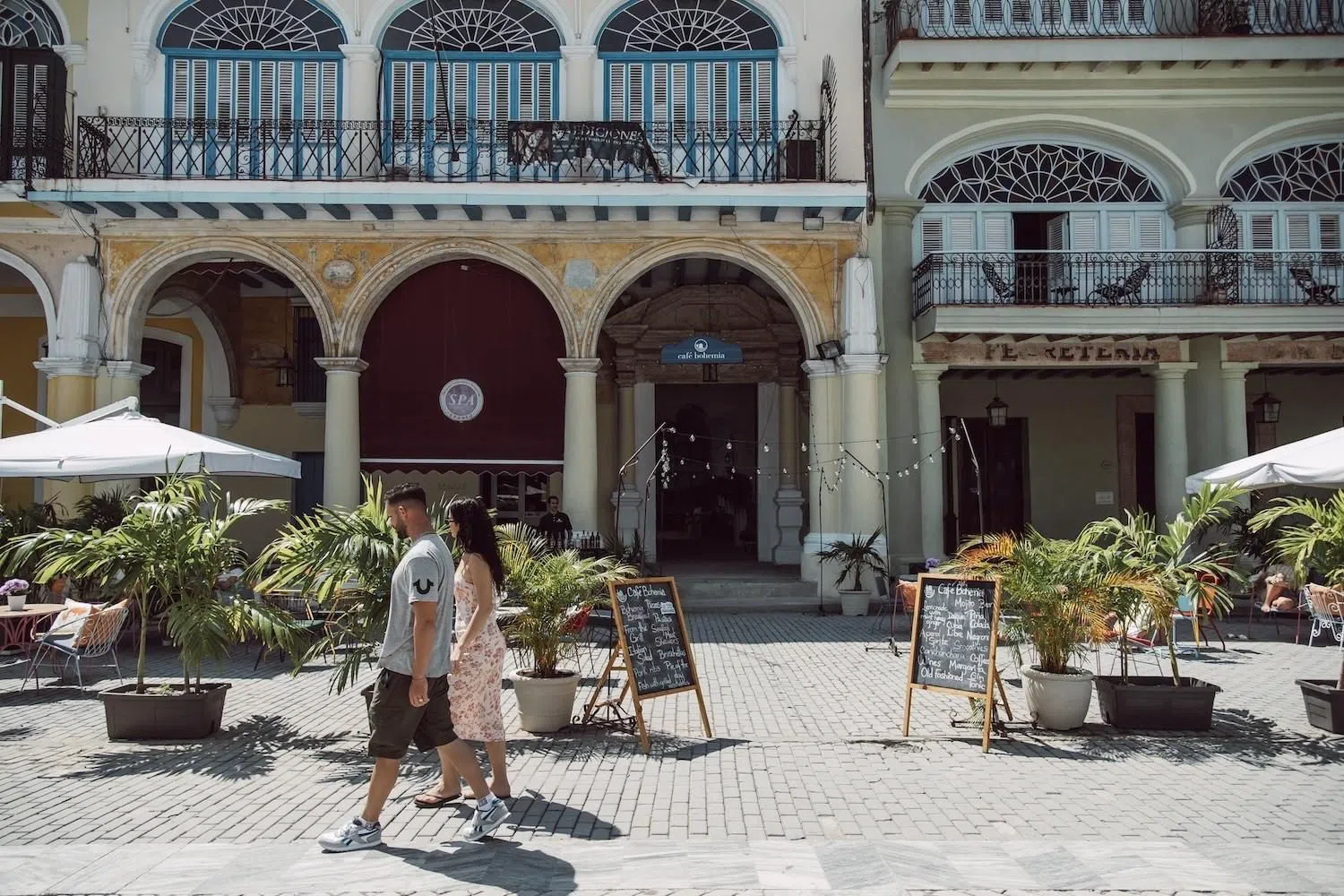
Estancia Bohemia (Habana Vieja, plaza-front) is the address to take if you are travelling as a family or as several couples. The suites are apartment-style, with kitchens and living rooms rather than a bedroom and a kettle, set inside a colonial palace with a proper café downstairs, which solves both the first coffee of the day and the problem of somewhere to sit when the afternoon heat makes walking pointless. From around US$199 per suite per night; the whole floor can be taken if there are enough of you, and booking direct includes a classic-car pickup from the airport.
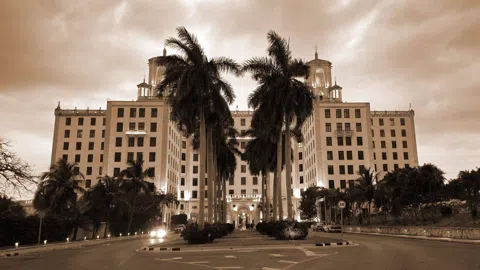
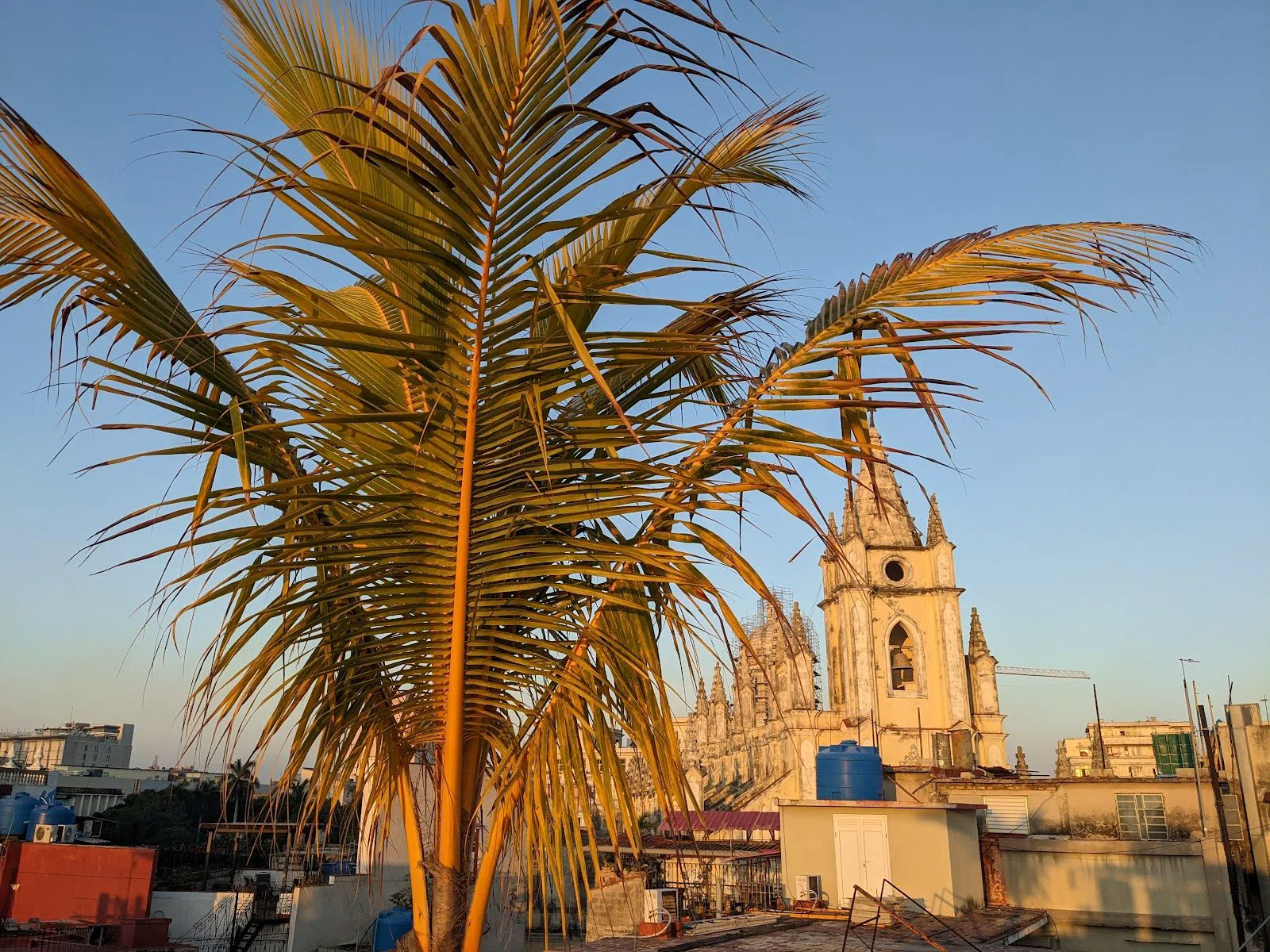
Casa Vitrales (Habana Vieja, in sight of the Bacardí building) is nine rooms over three floors, and the stained glass and the terrace are what sell it: the view takes in one of the finest art deco towers in the Americas. The better reason to book is quieter than that. One family runs all nine rooms and fixes problems themselves, which is exactly the arrangement you want on a week when things intermittently need fixing. Roughly US$100-180 per room per night. A group of friends fits easily, and a small buyout is a conversation with the family rather than a corporate process.
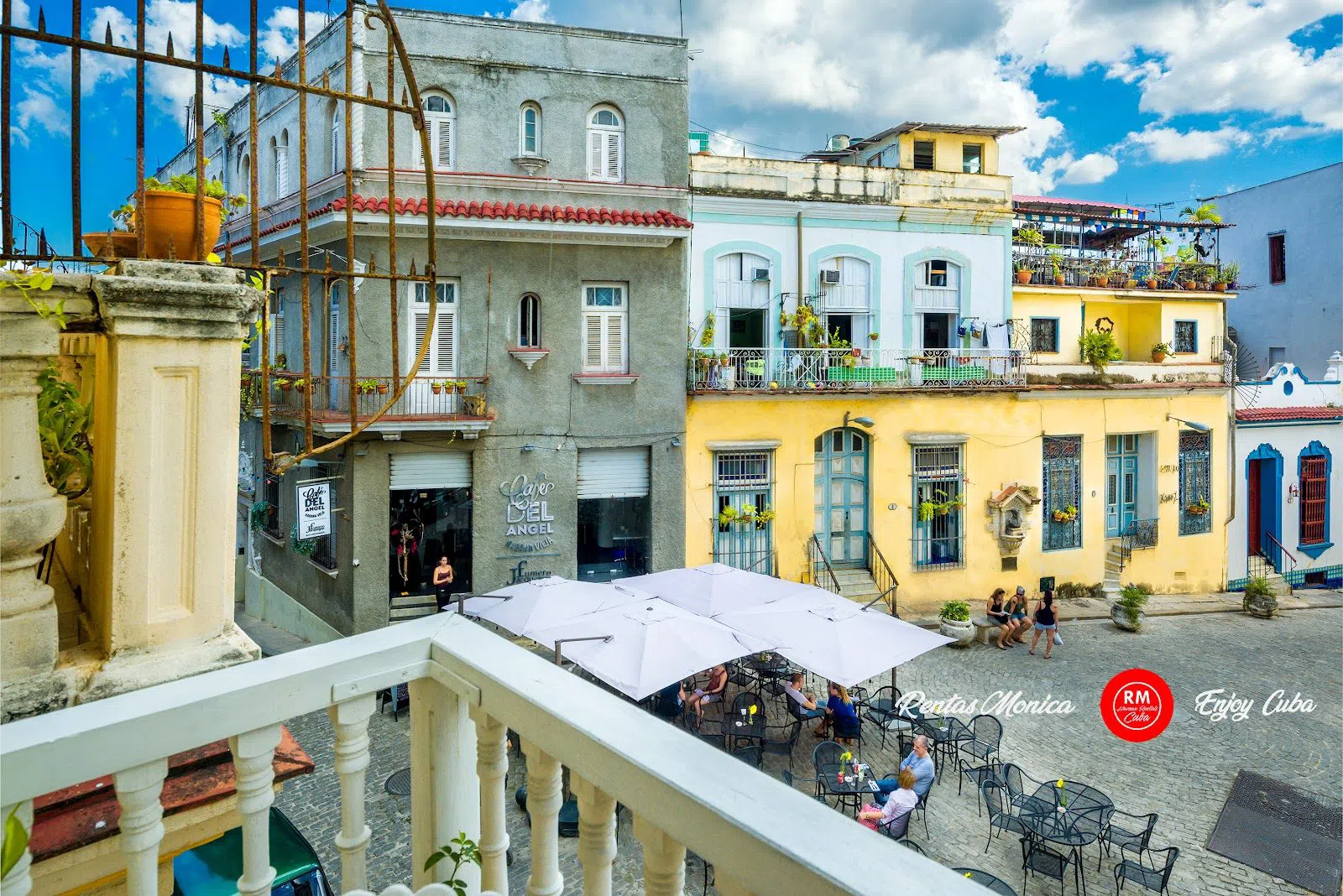
Loma del Ángel (Habana Vieja, on the rise by the Ángel church) is the smallest and quietest of the luxurious options, a handful of suites, staffed around the clock. This is a house for a couple, or two couples at a push; a party of eight will not fit and would not suit it if it did. Roughly US$150-250 per suite. What you get for the size is hosts who genuinely know where you are and when you went out, which in this city counts as a service.
Houses run by the family that owns them
Below the boutique tier sits the thing Havana does better than almost anywhere: the owner-run house where the hosting is the product.
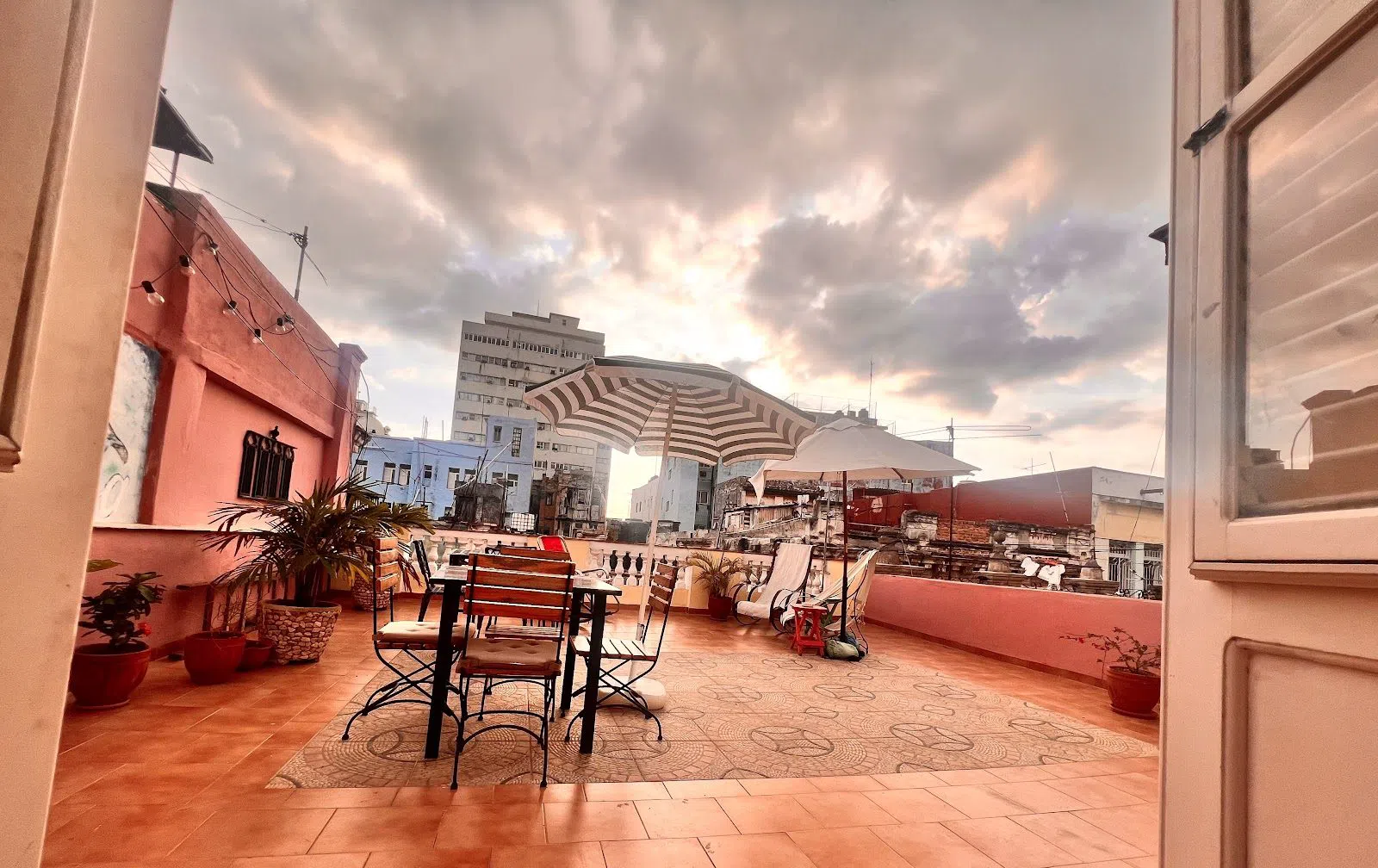
Villa Cuba BnB (Habana Vieja, twenty steps from the Cathedral) has three ensuite bedrooms sharing a big roof terrace, which makes it a natural whole-house booking for six. Juan Carlos, Yusneidis and their son run it themselves; the breakfast is enormous and the transfers get sorted without you asking twice. Roughly US$50-90 per room per night, and the location is as central as the old city gets.
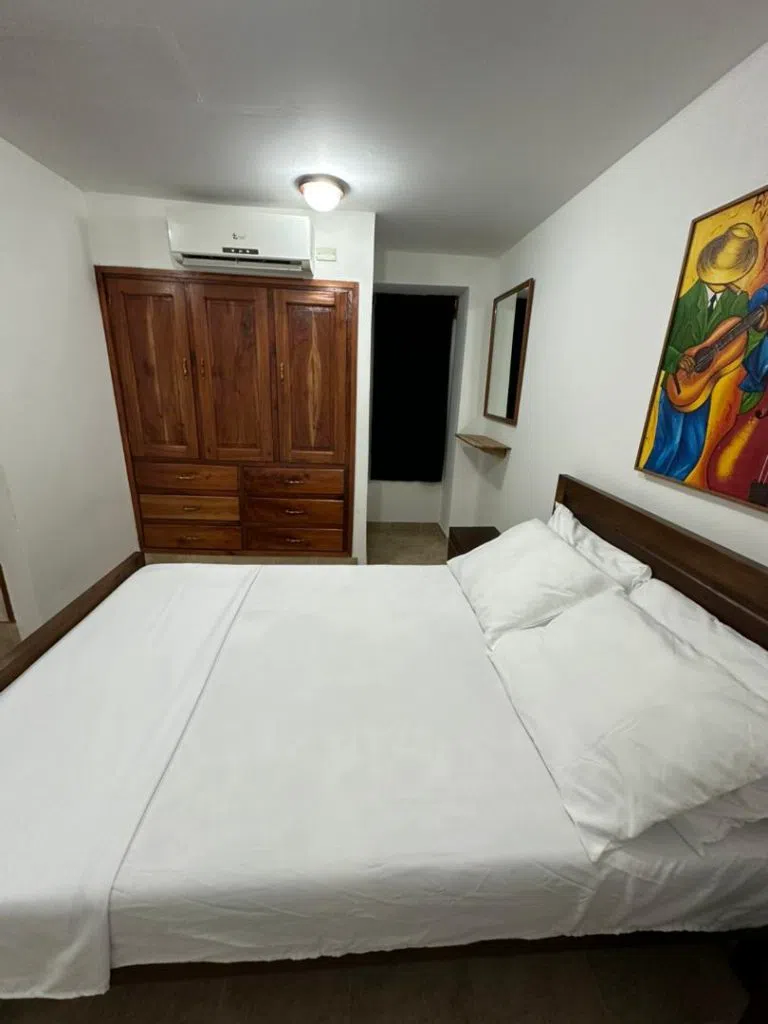
Casa Giraldilla (the colonial core) is a straightforward colonial house with several rooms, a roof terrace and a 24-hour guard on the door, run by Carmen and Carlos in person. They take direct bookings through their own site, which is both cheaper and more reliable than routing a Havana reservation through a platform that cannot phone the house. Roughly US$40-80 per room per night. It works well for a group of friends who want the same address without wanting a hotel.
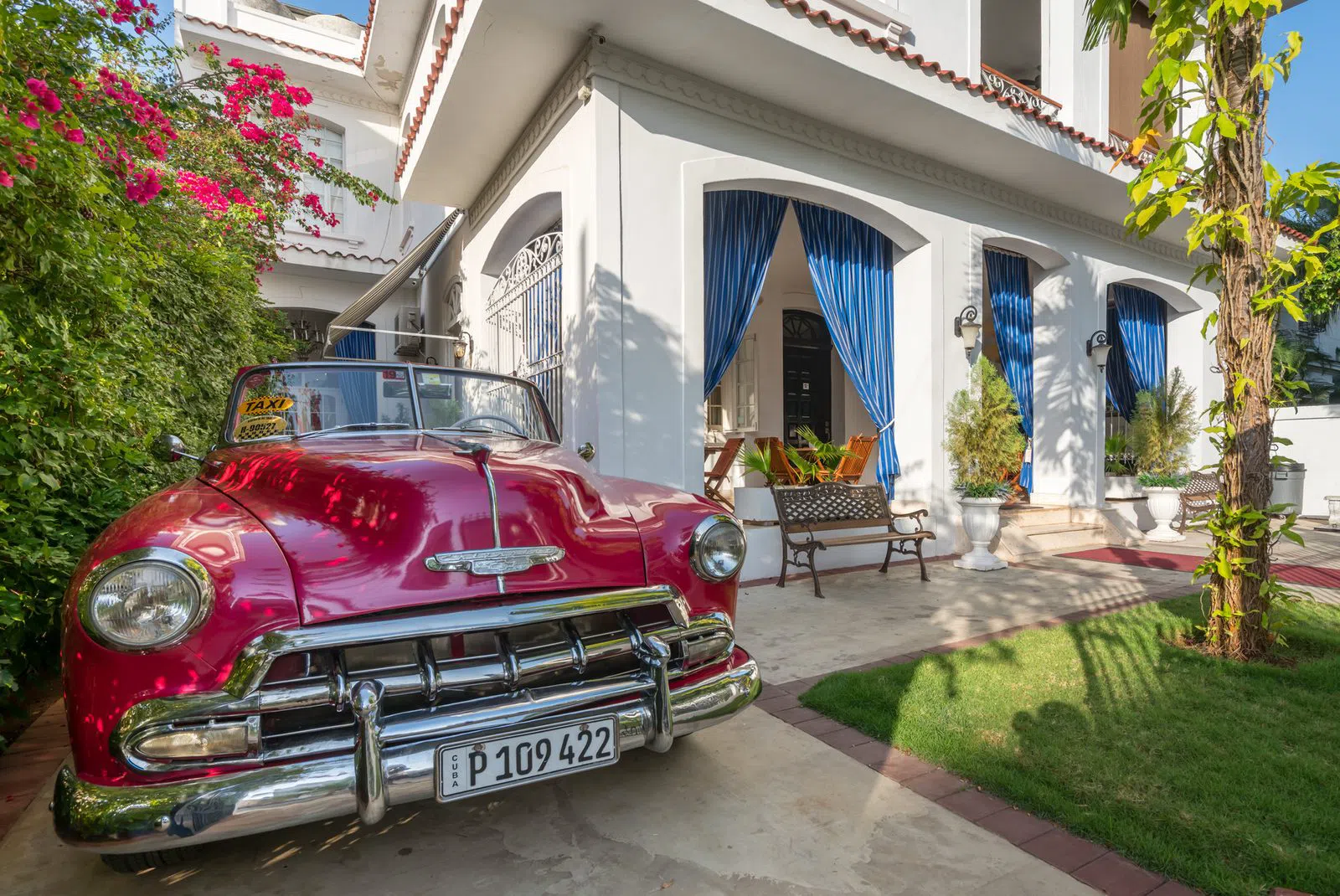
El Candil Boutique Hotel (Habana Vieja) is a small private house that sits consistently at the top of the city's ratings, and it earns that on service rather than square metres: breakfast cooked to order, and staff who will chase down a driver or a cash solution on your behalf. Roughly US$130-220 per room. Six to ten people can take it comfortably; ask about all the rooms at the time of enquiry rather than after you have booked two.
Hostal Peregrino (Centro Habana, with houses in Habana Vieja and Vedado) is the budget answer, and it is an operator rather than a single address. Elsa and Julio Roque run several houses (Consulado, El Encinar in the old city, a Vedado address) plus attached apartments, and when a group overflows they place the remainder with neighbours they trust. From roughly US$25-60 per room. The fixing network is worth more than the rooms; the one thing to pin down in writing is which specific address you are sleeping in, because they are not interchangeable.
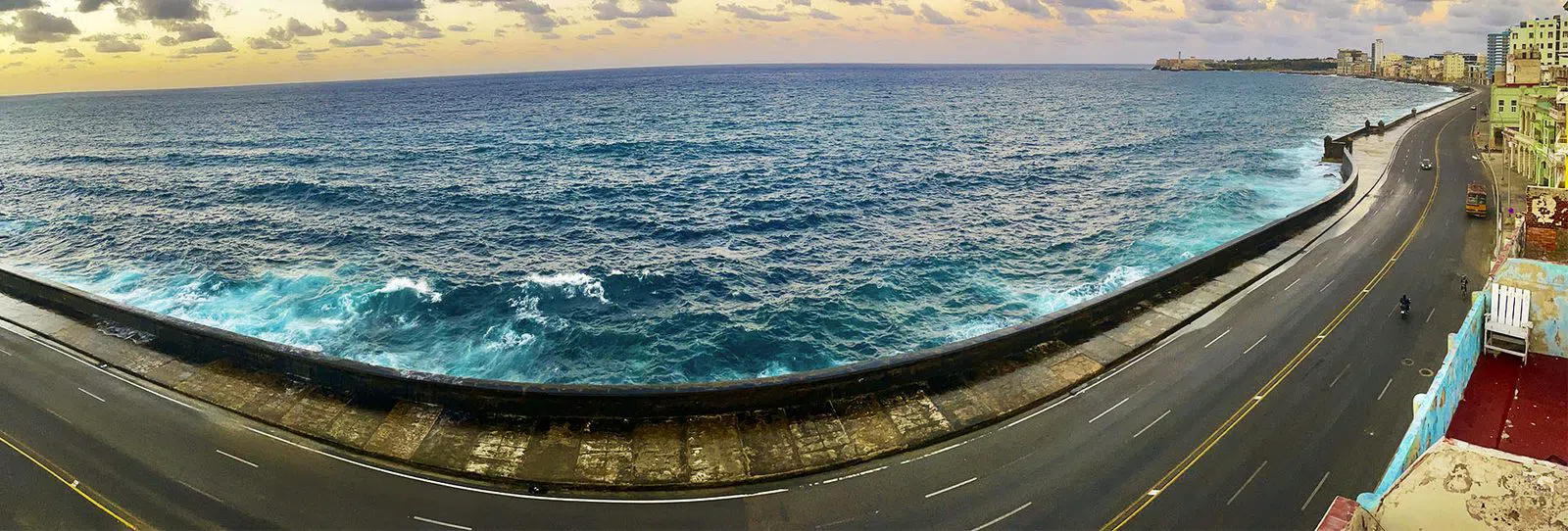
Centro Habana and the sea wall
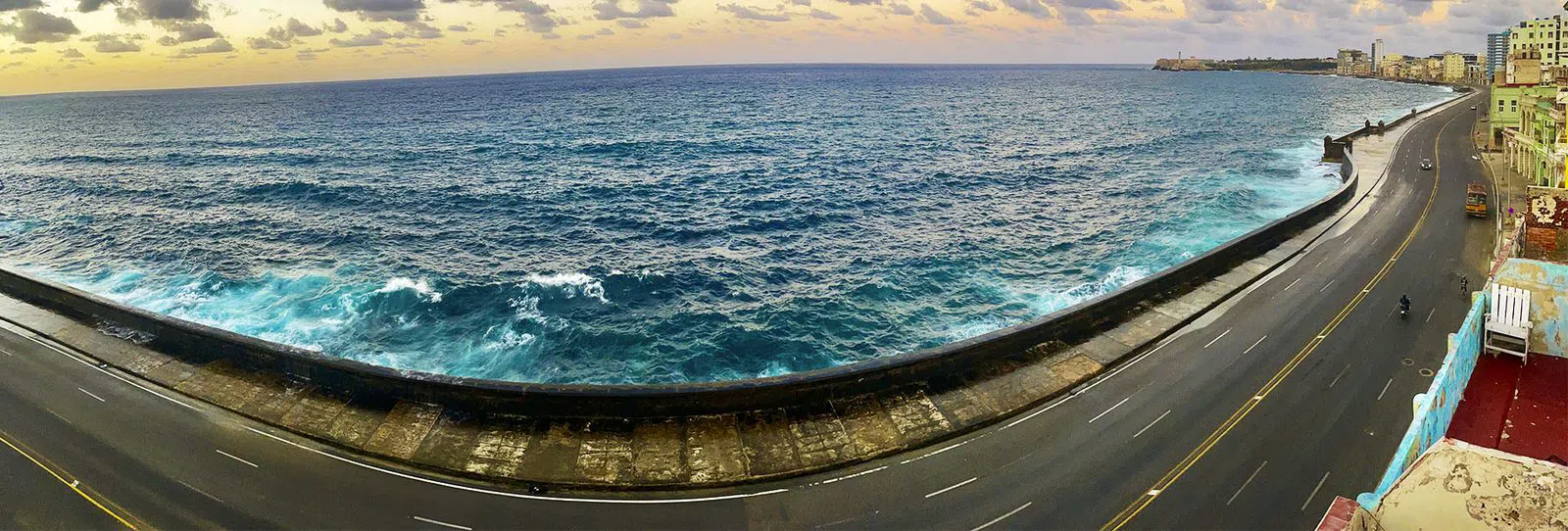
Centro is louder, poorer and more alive than the restored old city, and the streets are darker underfoot at night. Stay here for the texture, but stay somewhere that means you do not have to go out again once you are in.
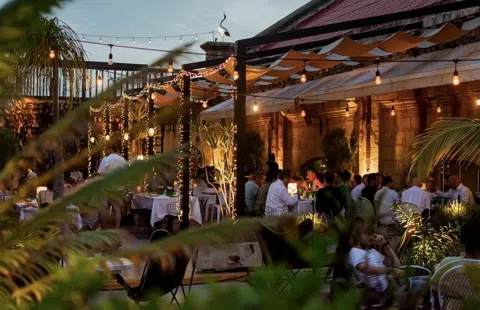
Malecón 663 (Centro Habana, hard on the sea wall) is the strongest all-round private stay in the district and the clearest illustration of the argument. Four rooms sleeping two to five each, sea-facing, with its own bistro and a rooftop bar, so the evening plan can simply be upstairs. The team is used to running a full house independently of state supply, which is the quality that matters most in this part of town. From about €75-100 per room per night, suites higher. Whole-house takeover is possible, and the house explicitly invites parties of twenty or more through a dedicated enquiry form for the rooftop and bistro spaces, which makes it a rare option for a celebration.
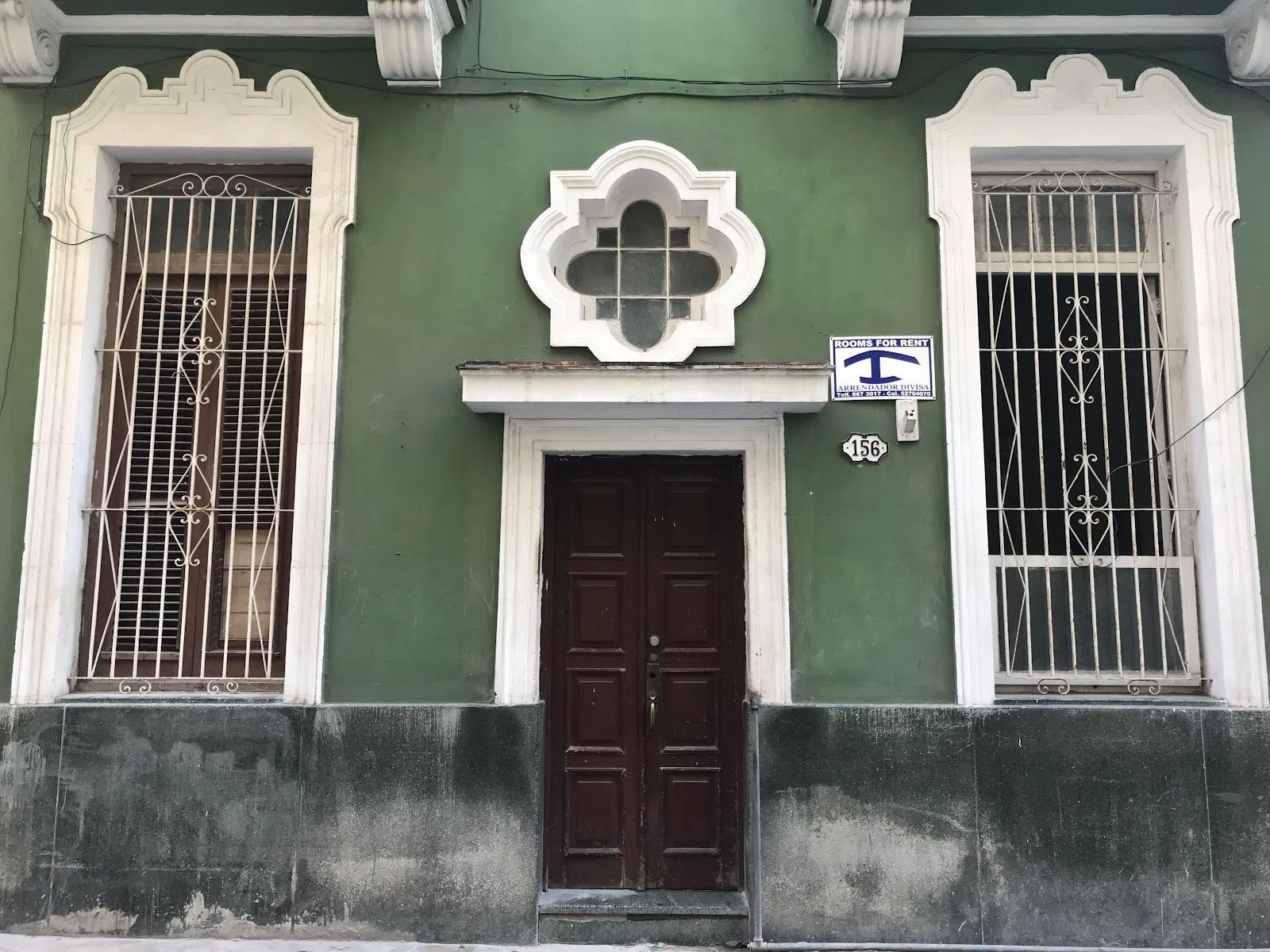
Casa Concordia (Centro Habana) is two sister apartments from the same operator, Concordia I and II, each with three bedrooms and three ensuite bathrooms, rented whole with maid service. Book one for six or both for twelve. Roughly US$150-250 per apartment per night, which is the best self-contained value on this list. It sits a block from Casa de la Música and within walking distance of La Guarida, so the two things most groups want to do in the evening are both on foot.
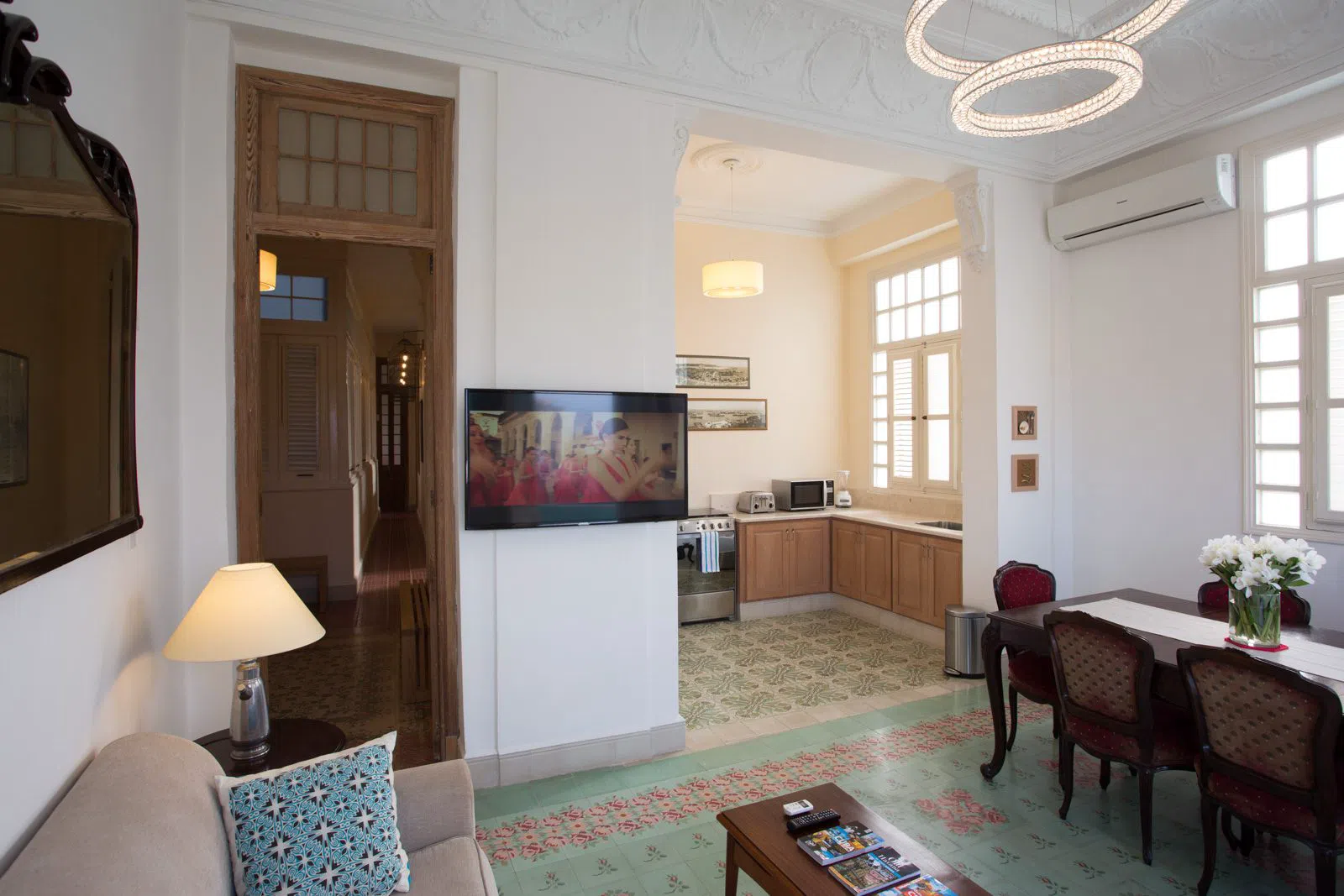
Casa 1932 (Centro Habana) is three rooms only (Deluxe, Executive and Loft Junior) in the house of Luis Miguel, a collector and an architecture obsessive who speaks fluent English and will tell you what you are looking at on every block you walk. Roughly US$45-90 per room. There is a personal chef and a full-time driver on staff, which solves most of Havana's logistics in a single booking. A small group can take all three rooms; a large party cannot.
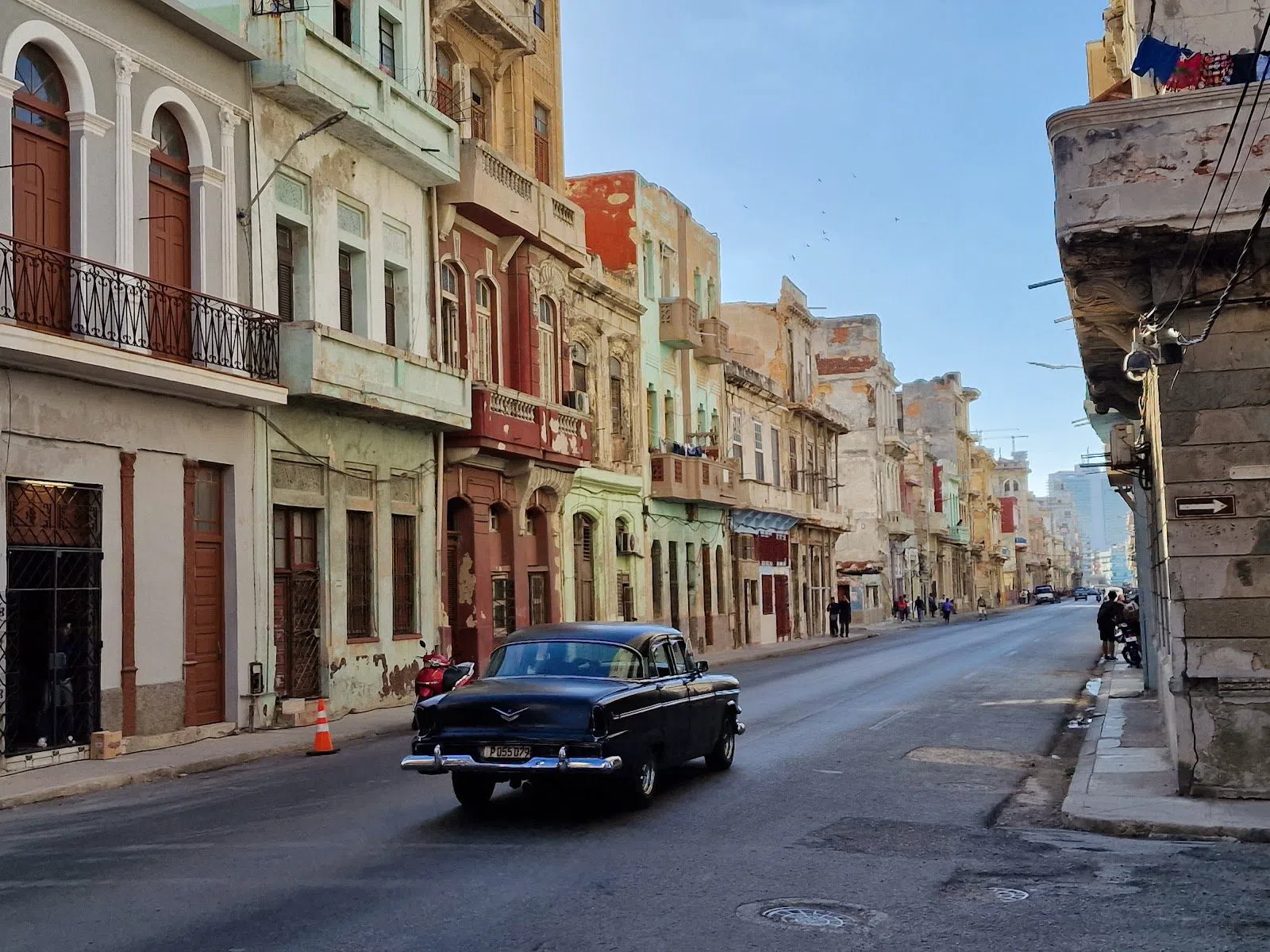
Vedado, for a restaurant downstairs
Vedado is the twentieth-century city: wide streets, deep porches, mid-century apartment blocks, and considerably more room to breathe. The trade-off is distance from the plazas and long unlit stretches between corners at night.
La Reserva Vedado (Vedado) is the most polished private house in the district, eleven rooms across three tiers (three standard, six junior suites, two deluxe suites) with a restaurant, a bar and 24-hour room service on site. Roughly US$150-300 per room per night. It absorbs a family or a group of friends without anyone drawing lots for the small room, and small buyouts are workable. Room service earns its keep here: it is the reason you are not walking eight dark blocks to dinner.
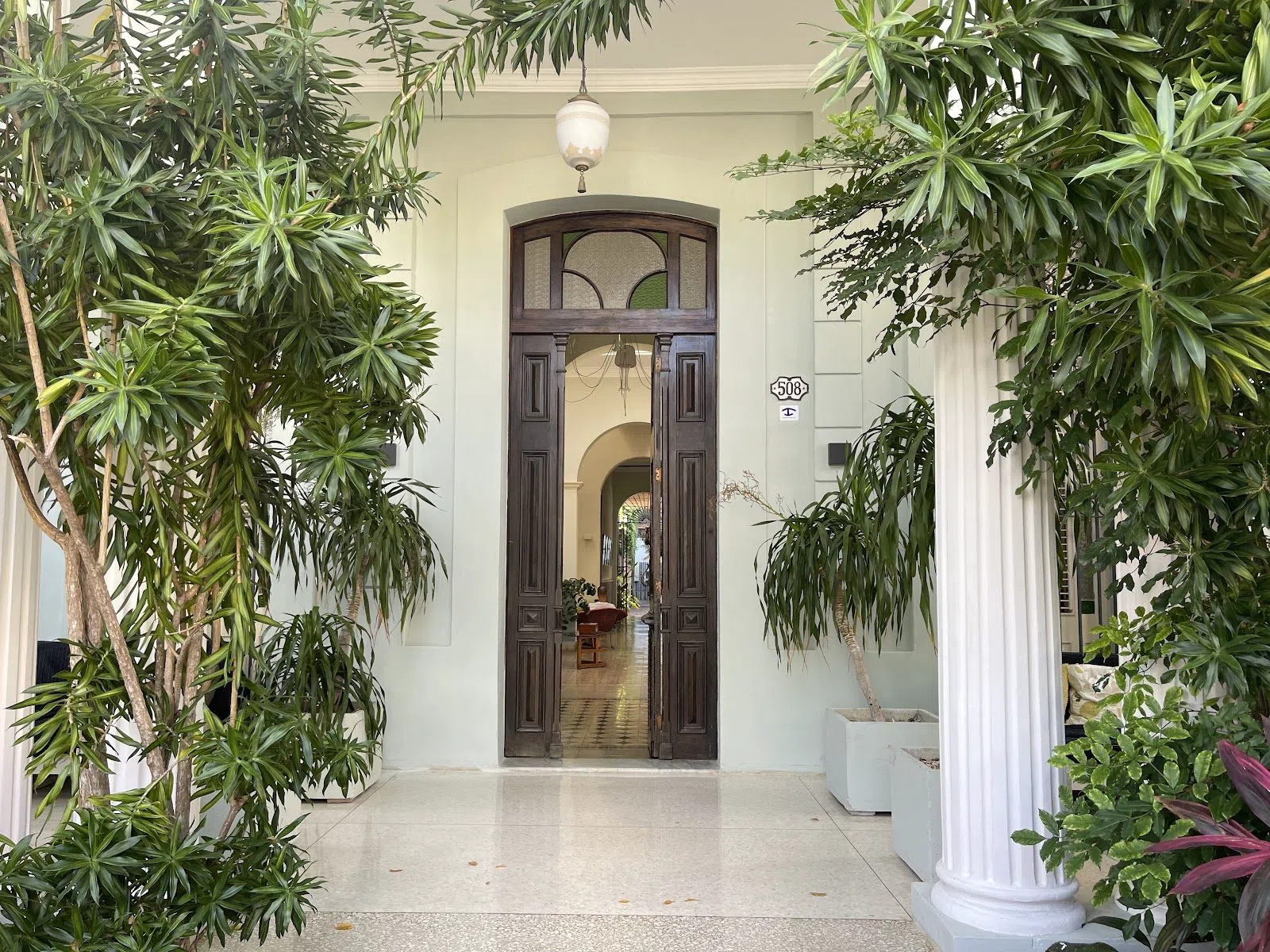
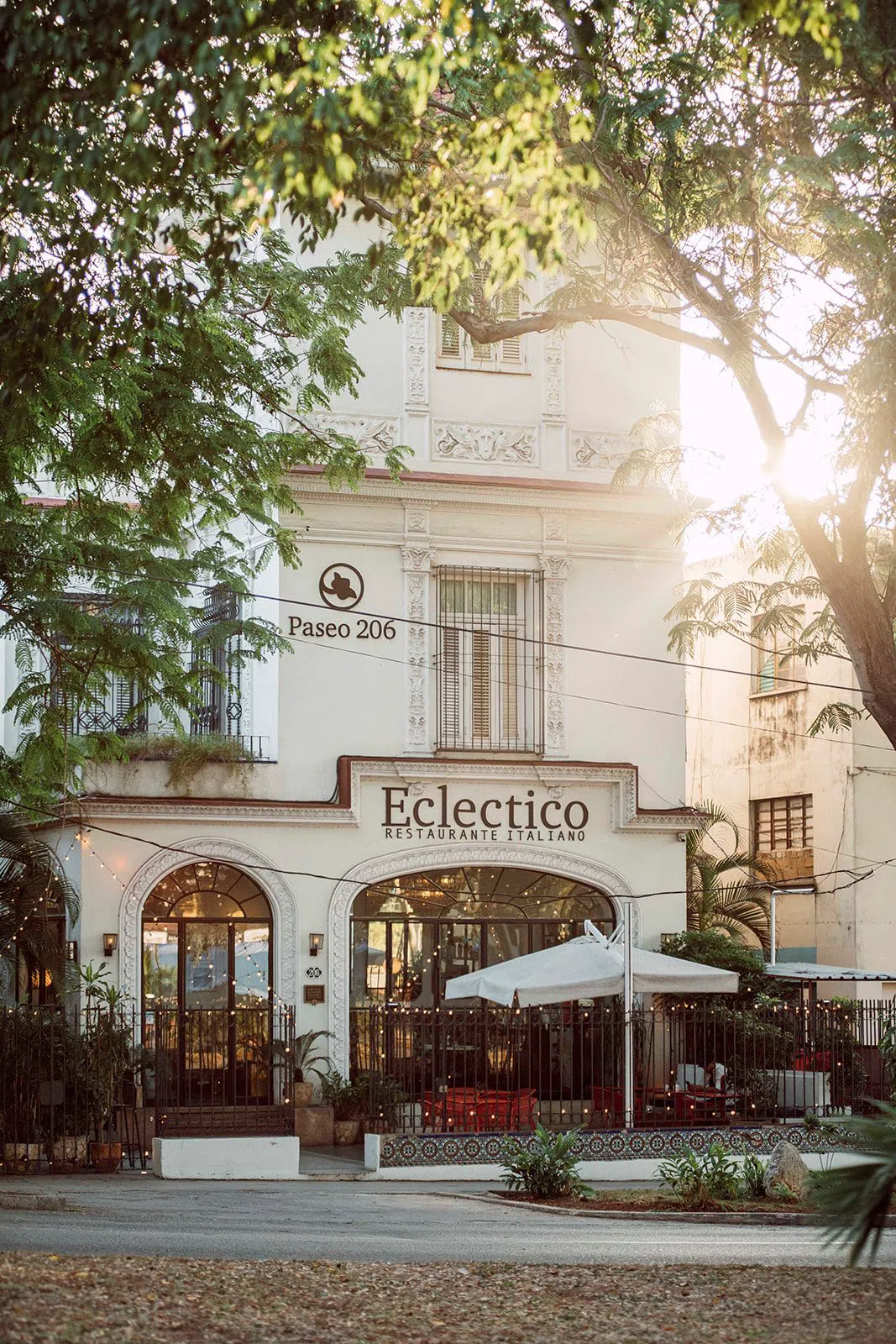
Paseo 206 (Vedado) is the reference point for how far a privately owned Havana house can be taken. Ten suites, roughly US$250-450 per suite per night, and a level of finish that would not embarrass a design hotel anywhere. It leans towards couples. Ten suites means a private group can technically fill it, and buyouts are arranged directly, but the atmosphere is calm rather than convivial and a boisterous party will feel out of step. Book direct and they add an airport transfer and upgrades.
When the whole group wants a single address
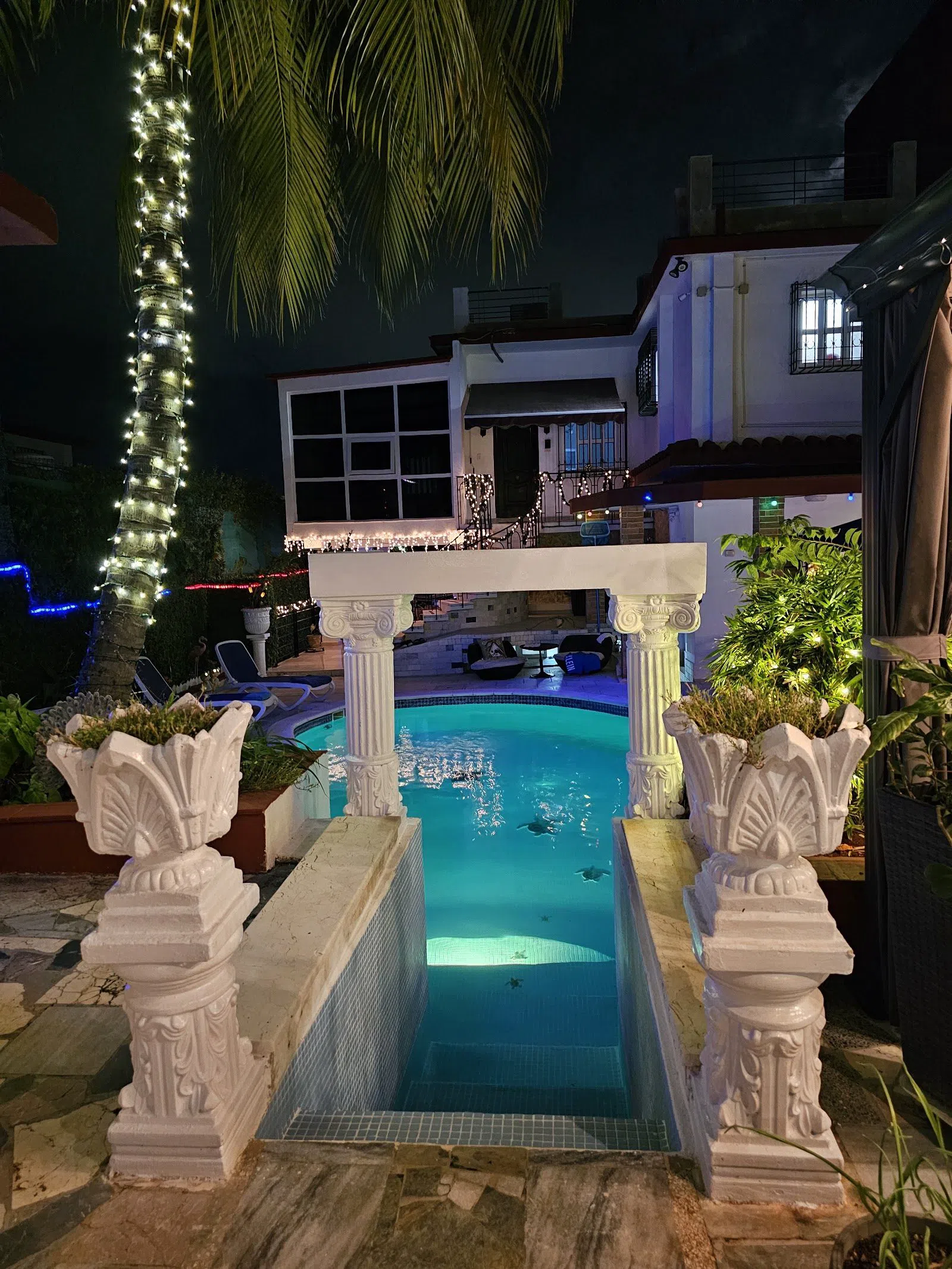
Villa Ray (residential outskirts, fifteen minutes from the airport) is the most self-sufficient property here and the obvious pick for a large group that wants one bill and no surprises. Seven bedrooms, 6.5 bathrooms, fourteen beds, sleeping up to sixteen, with chef, maid and 24-hour security included, a gym and a pool, and, the part that matters, a generator plus solar, battery and inverter. Roughly US$800-1,500 per night for the whole villa depending on season. Split sixteen ways at the top of that range it is under US$100 a head with a cook. The trade-off is honest and absolute: you are not walking anywhere from here, and every outing is a car.
La Rosa de Ortega (the green hills south of the centre) is the largest garden property on this list, with free parking, a poolside bar and space for a full group, and it has been a family favourite for years. Roughly US$60-110 per room per night. Twenty minutes out of the centre, and worth it for the garden, but plan for a driver on call rather than a walk home.
How to book, and what to ask before you pay
Book direct wherever the house has its own site. Several of these (Casa Giraldilla, Paseo 206, Estancia Bohemia) price better direct or add transfers, and more importantly the message reaches the person who owns the building rather than a queue. Expect to confirm over email or messaging, expect a modest deposit at most, and get the arrival time and the name of whoever is meeting you in writing, because street numbering in Centro Habana is not always obvious after dark.
If you want to compare what else is available on your dates, the Havana hotel search is the quickest way to see the wider inventory before you commit, and the Havana guide covers what to do once the room is settled. For groups, ask specifically whether all rooms can be held on one booking: Malecón 663, Casa Concordia, Villa Ray and La Rosa de Ortega are built for it, while Loma del Ángel and Casa 1932 are simply too small and will say so.
Practical notes for the trip
Transport. Ask your host to call a driver rather than flagging one down, particularly at night and particularly in Centro Habana, where pavements are uneven and lighting is intermittent. Agree the fare before you get in, every time. Shared taxis run fixed routes along the main avenues and are cheap, but they are not the move with luggage or after a long dinner. Several houses on this list have a driver on staff, Casa 1932 and Villa Ray among them, which is worth more than it sounds when a day trip needs arranging.
Cash. Bring the full budget in euro or US dollar notes, clean and in a mix of denominations. Foreign cards fail routinely, ATMs are unreliable, and private houses expect cash on arrival. Change money through your host rather than on the street, keep a reserve separate from your day money, and count on tipping in small notes.
Timing. November to April is dry, cooler and busiest, with December to February the peak, so book the smaller houses, meaning anything under ten rooms, two to three months ahead for those dates. Summer is hot and humid, storm season runs through the late summer and autumn, and grid demand peaks with the heat, so back-up power is worth paying for most in exactly the months when rooms are cheapest.
Budget. Reckon on US$25-60 a room for the reliable budget tier, US$100-200 for a good boutique house, US$250-450 at the top, and US$800-1,500 for a whole villa. Add a driver, add meals, add a comfortable margin for the days when the cheapest way to solve a problem is to pay somebody to solve it. Every one of those payments lands in a household rather than a ministry, which is a decent second reason to stay this way.
Before you go
What is a casa particular, and how is it different from a hotel?
It is a licensed private rental, run by the family or owner-operator who is responsible for the building. Some are three bedrooms above a family kitchen, like Villa Cuba BnB; others are restored mansions with a restaurant and 24-hour room service, like La Reserva Vedado. The practical difference from a state hotel is supply and accountability. The owner buys their own fuel, water and food, and fixes problems personally rather than through a work order.
Will I have power and water during a blackout?
In the better private houses, yes, but ask rather than assume. Put the question to the host directly: what does the back-up actually run? A full generator like Villa Ray's, backed by solar, battery and inverter, keeps fans, fridge and lights going, while a small inverter may only cover lights and phone charging. Ask about stored water at the same time, because the pump stops when the power does, and tank capacity decides whether showers keep working.
Can I pay by card, or do I need cash?
Bring cash. Foreign cards fail routinely across Havana and ATMs are unreliable, so private houses expect payment in euro or US dollar notes on arrival, with at most a small deposit taken online beforehand. Budget the whole stay in notes before you land, bring a mix of denominations, change money through your host rather than on the street, and keep a reserve separate from your day money.
Can a group of ten or more stay together in one house?
Yes, in the right ones. Villa Ray sleeps up to sixteen with chef and maid included; Casa Concordia rents two three-bedroom apartments from the same operator, so booking both houses twelve; Malecón 663 takes whole-house bookings and handles parties of twenty-plus for its rooftop and bistro through a dedicated enquiry form; La Rosa de Ortega has the garden space for a full group. Loma del Ángel and Casa 1932 are too small (three rooms or a handful of suites) and will tell you so.
Which part of Havana should I base myself in?
Habana Vieja if you want to walk everywhere, with the four plazas within ten minutes of each other and the best street lighting after dark. Centro Habana for atmosphere and better value, but pick a house with its own bar or kitchen so you are not out in dark streets late. Vedado for space, wide avenues and a restaurant downstairs. Anything twenty minutes out, like La Rosa de Ortega or Villa Ray, needs a driver on call.