The Havana issue
Havana's Nuevo Vedado, from Colón cemetery to the Almendares
Two cemeteries on Calle 26, a forest on the river, a 1950s theatre with a salsa basement under it, and the paladares that sit between them.
By Oliver NashReading Havana barrio by barrio
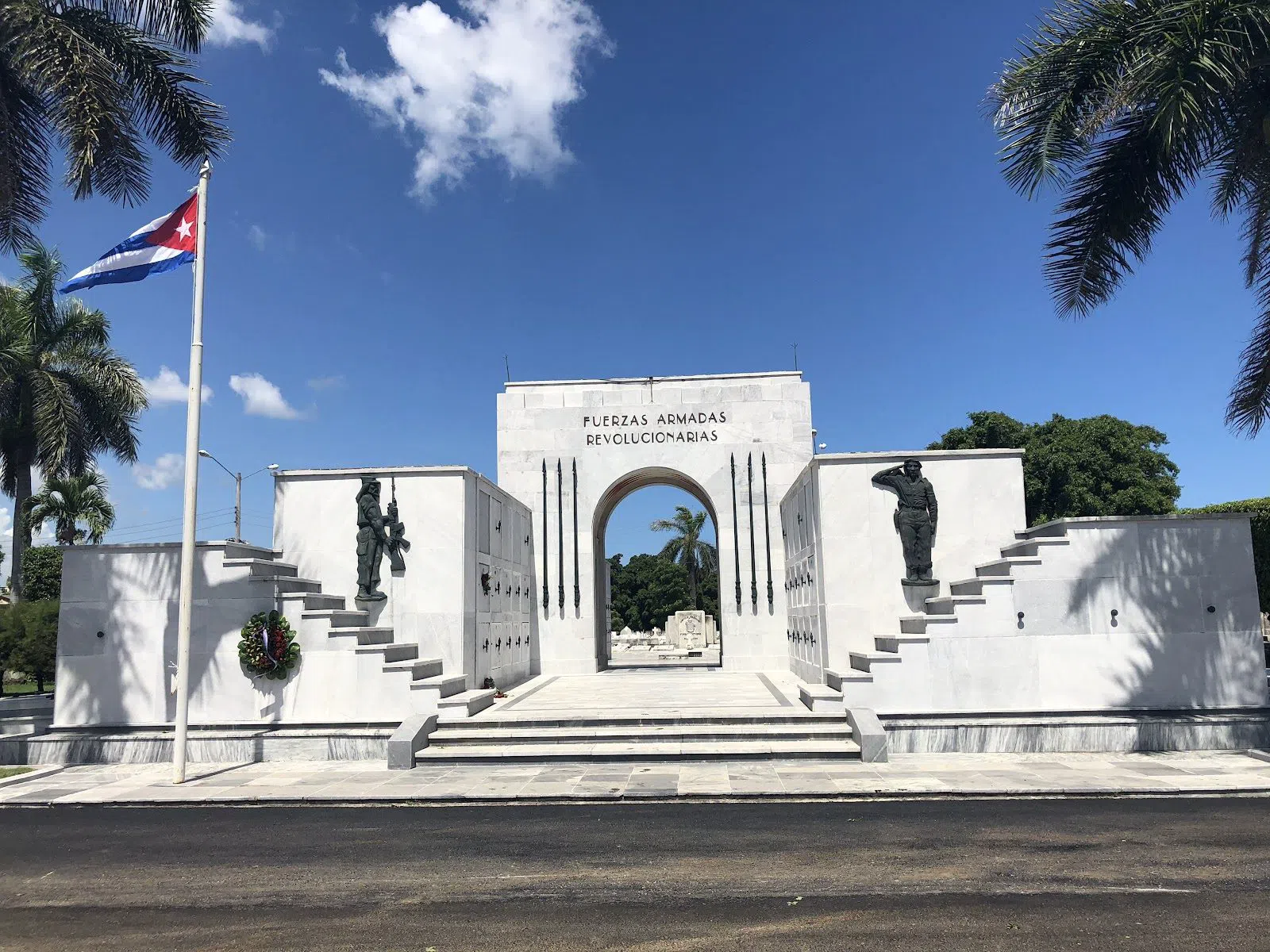
The gate of Necrópolis de Cristóbal Colón (Zapata) is a huge triple-arched marble gate in a Romanesque-Byzantine style, and behind it 56 hectares of white Carrara mausoleums run back to Calle 26. That flank of Calle 26 is Nuevo Vedado's eastern wall. Behind the wall the district keeps a second cemetery, a zoo, a 1958 cinema and the city's only proper forest walk.
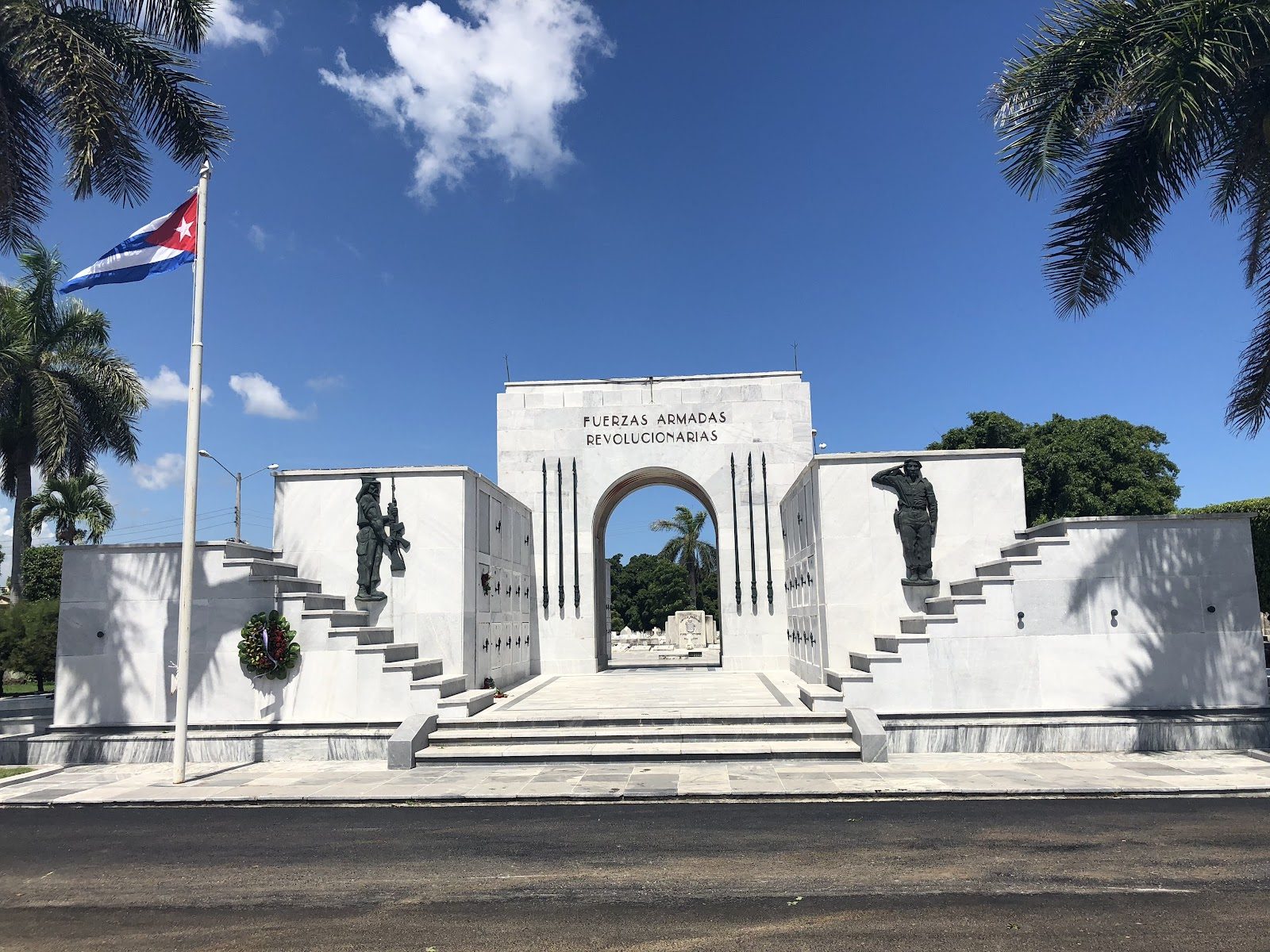
The two cemeteries on Calle 26
Both cemeteries stand on Calle 26, and one morning covers them. Colón is the single biggest sight on Nuevo Vedado's doorstep, open daily from 08:00 to 17:00. Give it two hours. Foreign visitors pay 3,000 to 4,500 CUP, and the official guides at the gate, who run hour-long walks, are charged on top.
Past the gateway the ground is a grid of marble vaults and weeping angels, laid out street by street. The tomb of La Milagrosa is heaped with fresh flowers, and visitors circle it backwards before they leave.
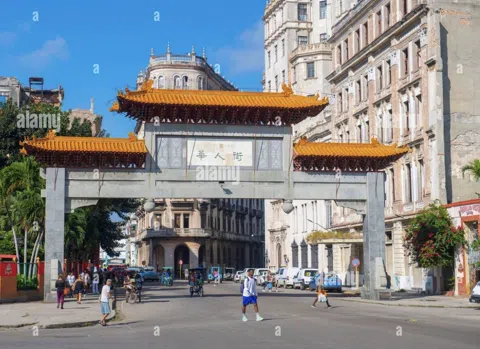
Cementerio Chino de La Habana (Calle 26) is the Chinese-Cuban counterpart to Colón and sits entirely inside Nuevo Vedado, behind a low whitewashed perimeter wall with a Chinese-arched gate. It was founded in 1893 and has been a National Monument since 1996. Entry is free, and the caretaker unlocks the burial area, so carry a tip and keep the visit quiet.
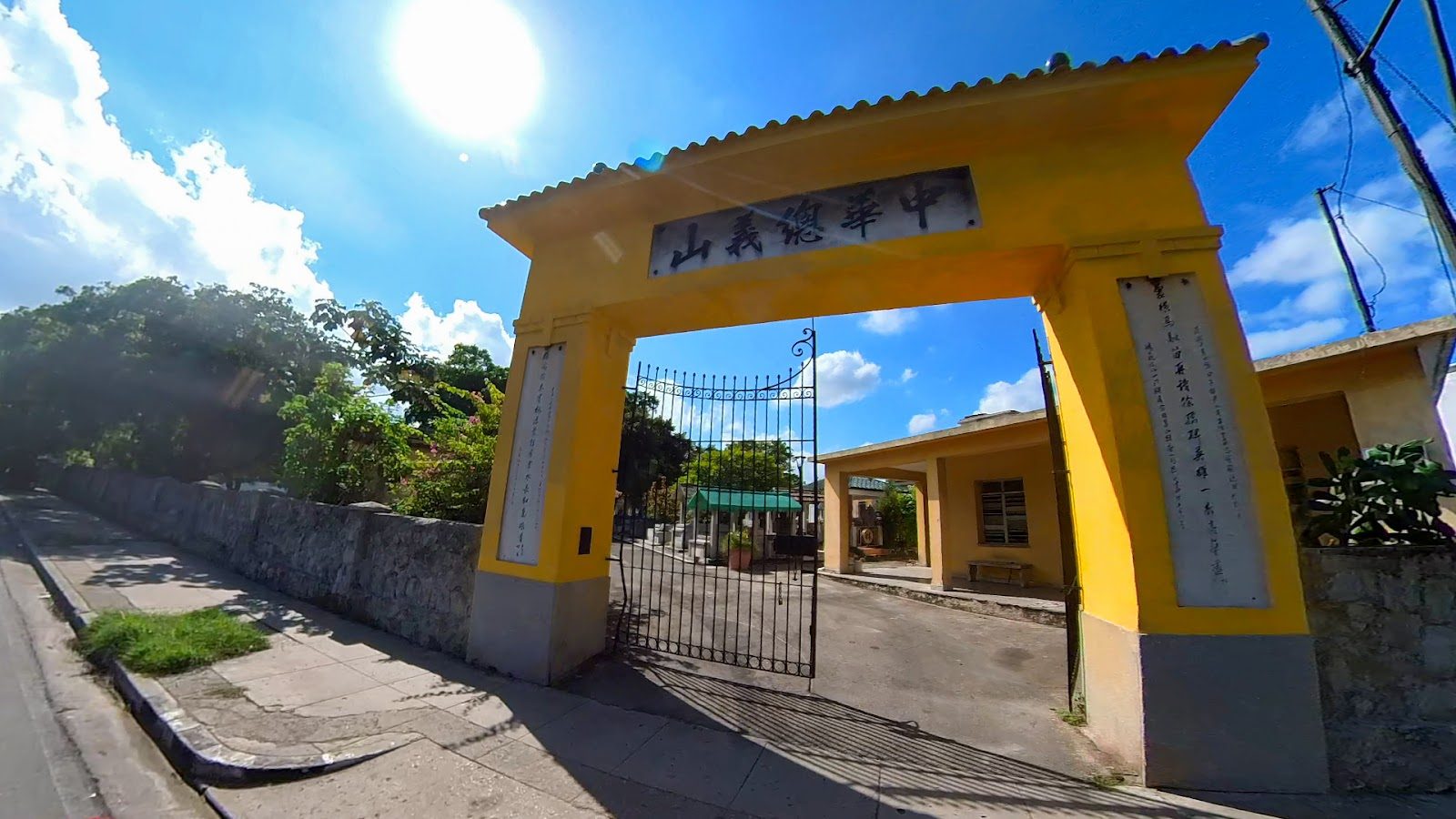
Inside are metal family plaques in Spanish and Chinese, pagoda-capped monuments and the San Fancón shrine, all of it in flat bright light. Almost nobody goes, which is why the extra few hundred metres up the street after Colón are worth walking.
Plan your Havana trip
Live prices from our booking partners.
Free cancellation on many rooms. We may earn a commission when you book.
Plaza de la Revolución and the Martí tower
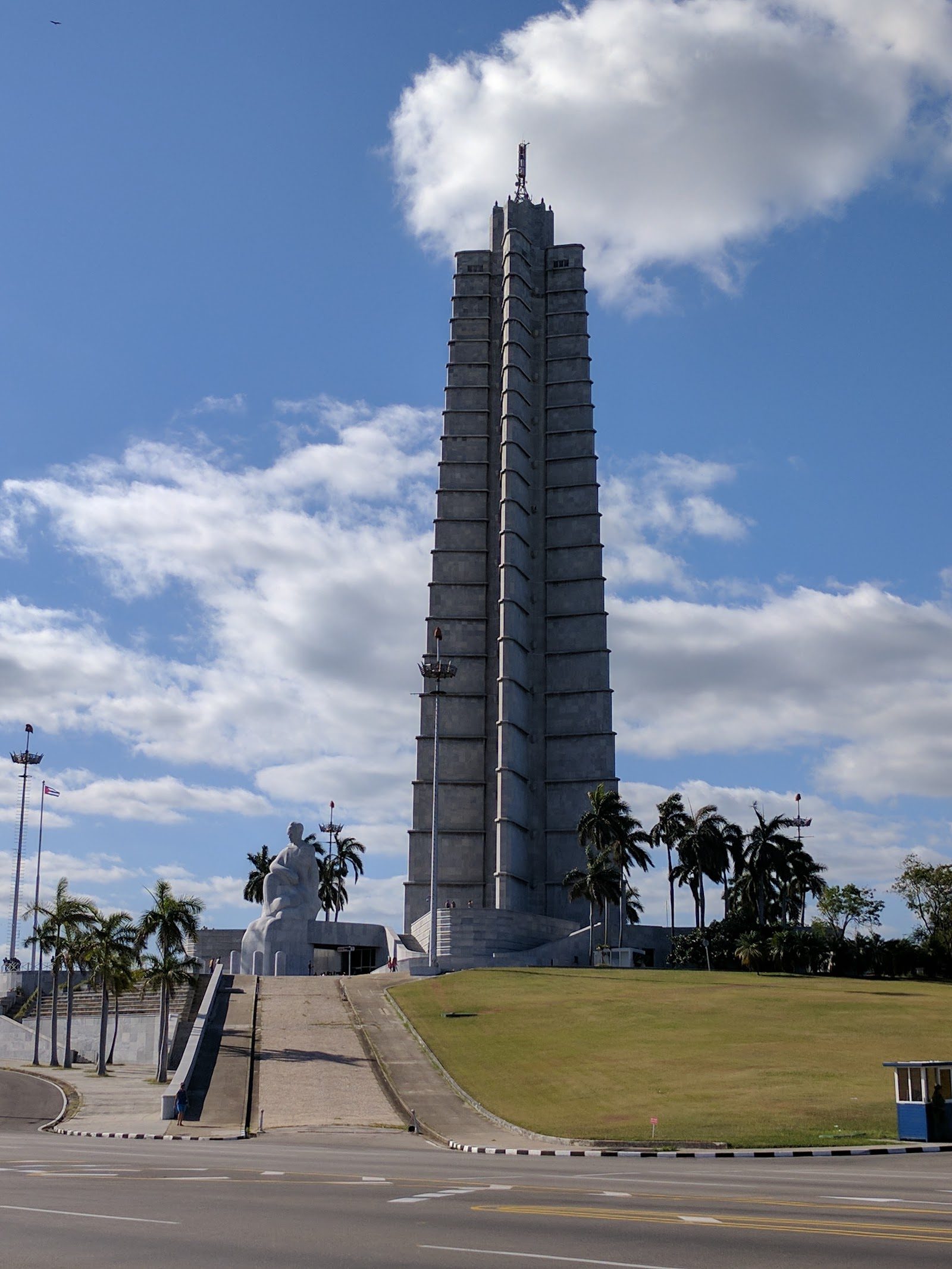
Plaza de la Revolución and Memorial José Martí stand immediately east of Nuevo Vedado on a vast bare concrete plaza. Che and Camilo Cienfuegos are drawn in black steel outline on the ministry façades opposite, visible from anywhere on the open ground. The 109 m star-shaped grey marble tower rises behind a seated white-marble Martí.
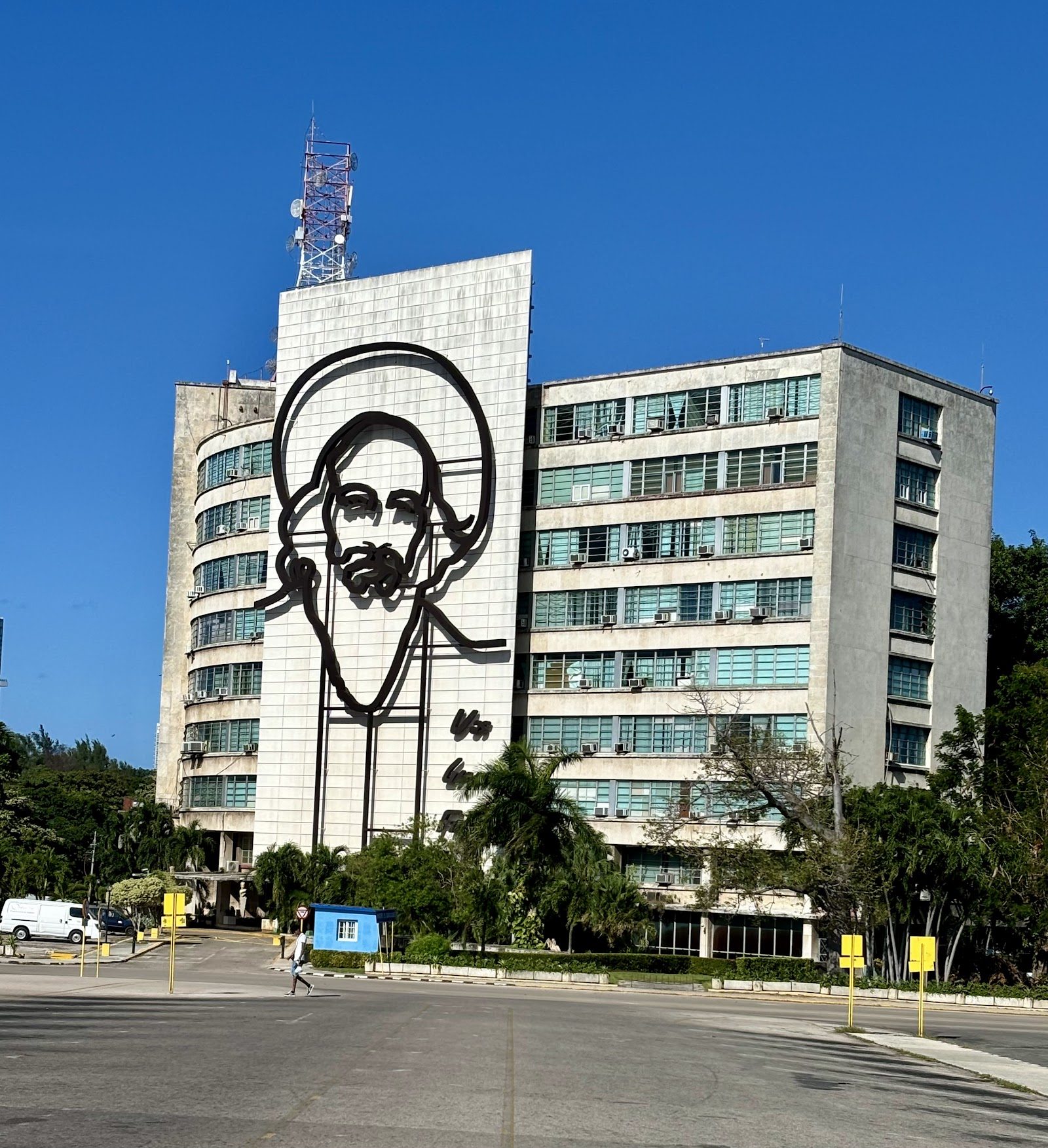
The museum and the mirador together cost 2,500 to 4,000 CUP. The site opens Monday to Saturday from 09:00 to 17:00 and closes on Sundays. The lift to the mirador is small, so a large party goes up in batches. At the top you are on the highest public viewpoint in Havana.
Teatro Nacional de Cuba and the room below it
Teatro Nacional de Cuba is the one piece of civic modernism here you can walk into, twin 1950s concrete slabs with a curved full-height glass lobby that looks straight at the Martí tower. It is still programming hard through 2026, with the Ballet Nacional, Ballet Español and Danza Contemporánea de Cuba. Foreign visitors pay up to 2,000 CUP at the box office. The Sala Avellaneda inside is steeply raked.
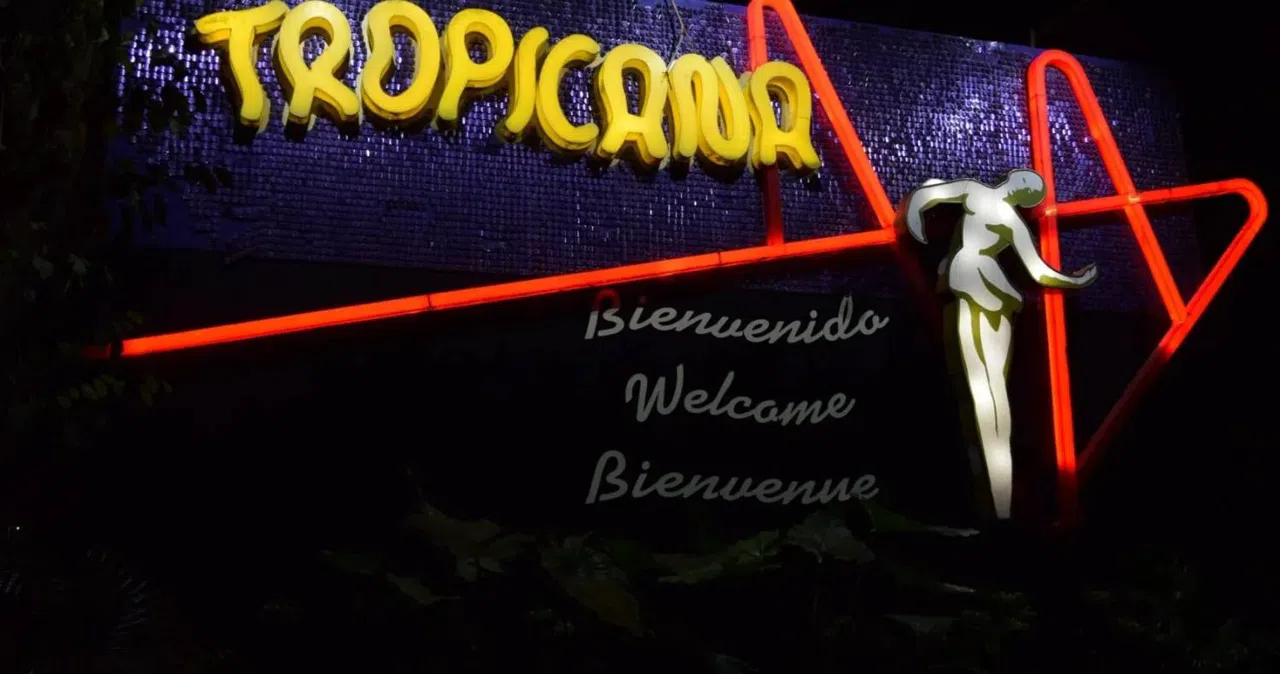
Café Cantante Mi Habana is in the theatre's basement, a windowless low-ceilinged room with a red and blue stage wash and a long bar down one side. A full brass band crams onto a shallow stage and the floor is packed to the edge. Smarter clothes help at the door. Cover and drinks come to 1,500 to 4,000 CUP a head.
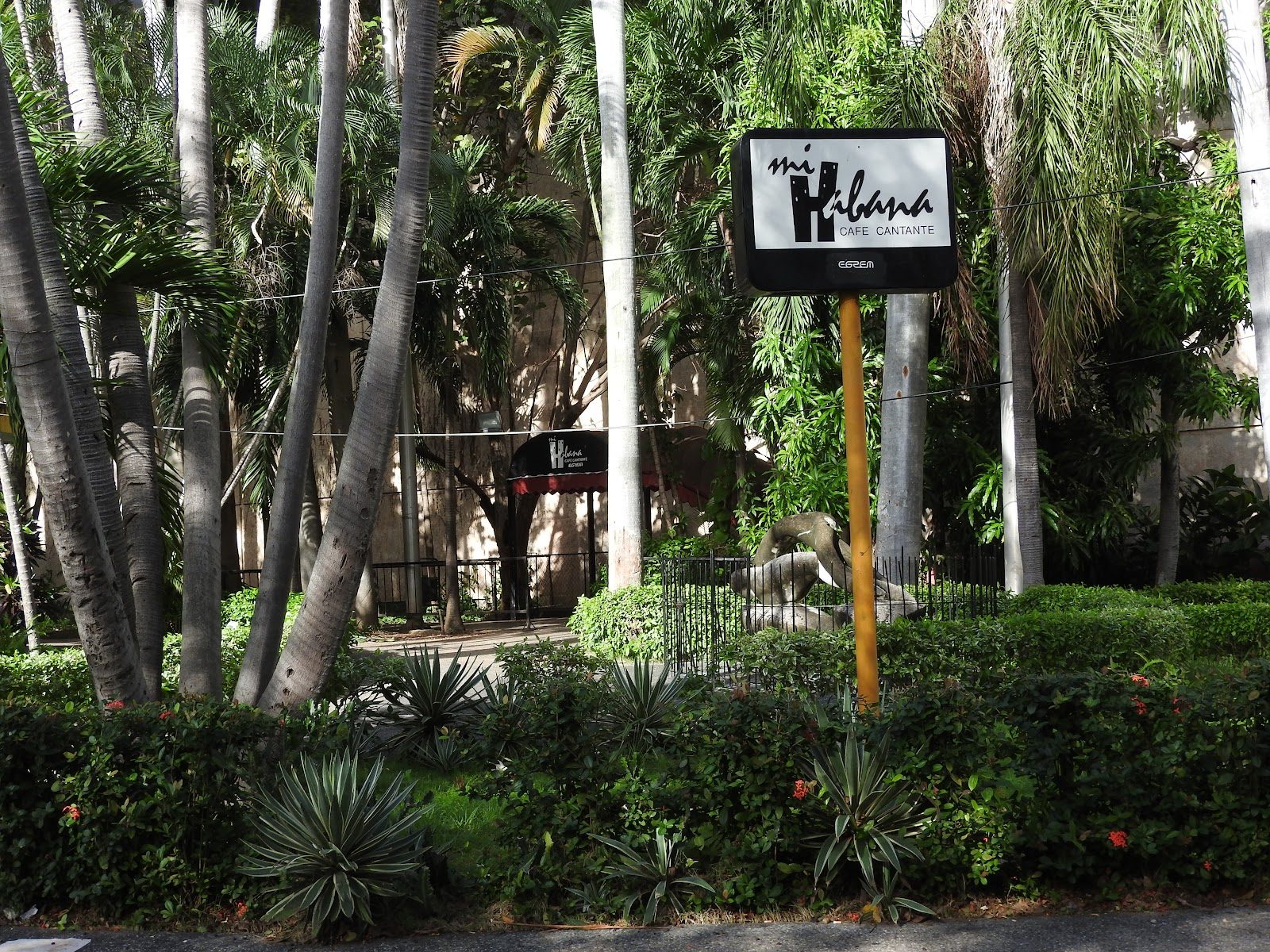
At weekends it turns into a big gay night. The piano bar, Delirio Habanero, is upstairs in the same building. With Fábrica de Arte Cubano shut indefinitely, this is the nearest real Cuban dance night to the district.
Parque Almendares and the river forest
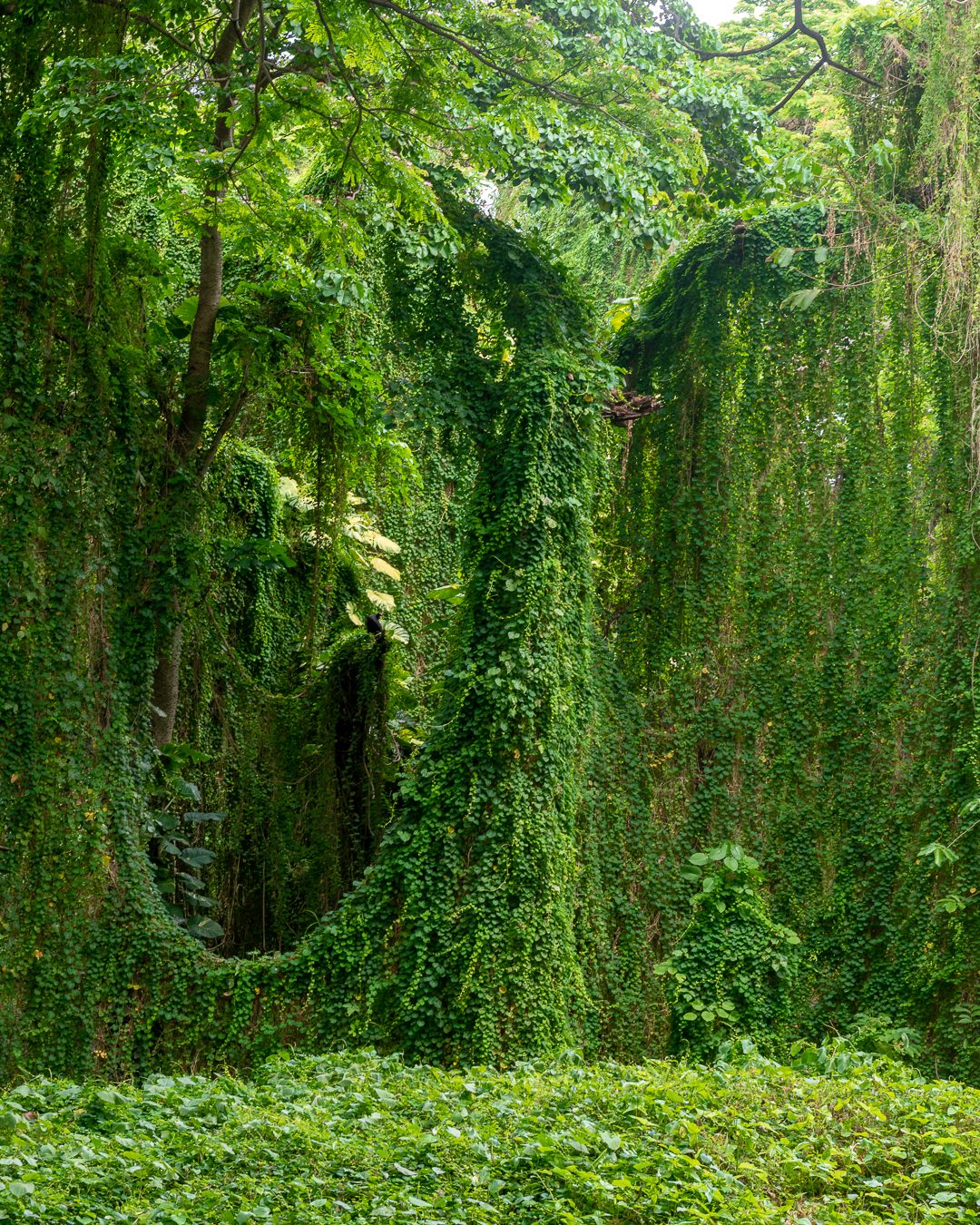
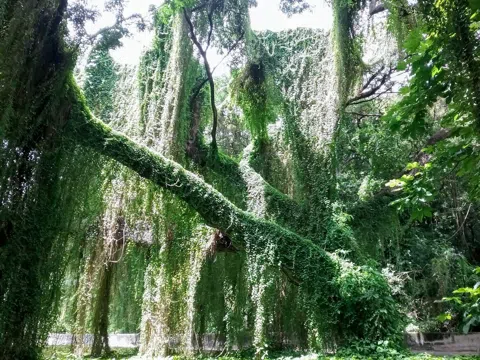
Parque Almendares, the Bosque de La Habana, closes Nuevo Vedado on its western edge and opens Tuesday to Sunday from 10:00 to 17:00. Jagüey trees trail aerial roots over the slow brown Almendares river, and the light comes down dappled through a canopy that is almost closed. A concrete amphitheatre sits under it, with rowing boats on the water.
Entry is free. You pay for the boats and the cafeteria, and the covered ranches can be hired. Parts of the park are mid-works and the weekend sound systems are loud, so a weekday morning is the better walk.
Ten minutes across the river in Puentes Grandes stand the ruined Art Nouveau beer gardens of La Tropical.
Avenida 26 from the park to the zoo
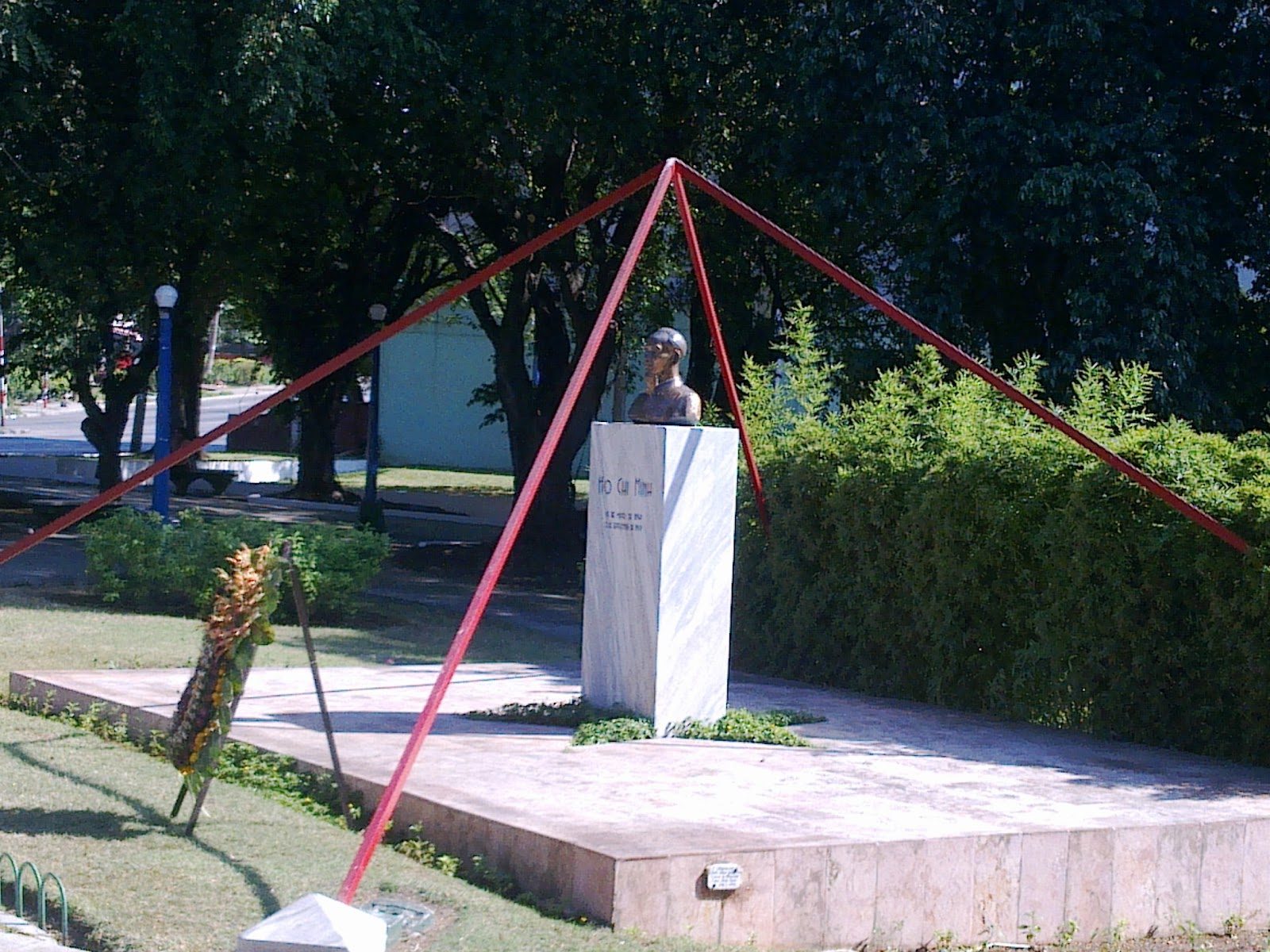
Avenida 26 strings together the three stops that fill an afternoon. Parque Ho Chi Minh (off Avenida 26) was inaugurated in 2003 and is tended by the neighbourhood's Cuba-Vietnam friendship association, an odd and well-kept piece of Cold War diplomacy. A bronze seated Ho Chi Minh sits on a red marble plinth under four red steel beams that meet overhead like a Vietnamese conical hat, inside a ring of planted bamboo and old shade trees. It is free and has no gate. The Chinese cemetery is five minutes away.
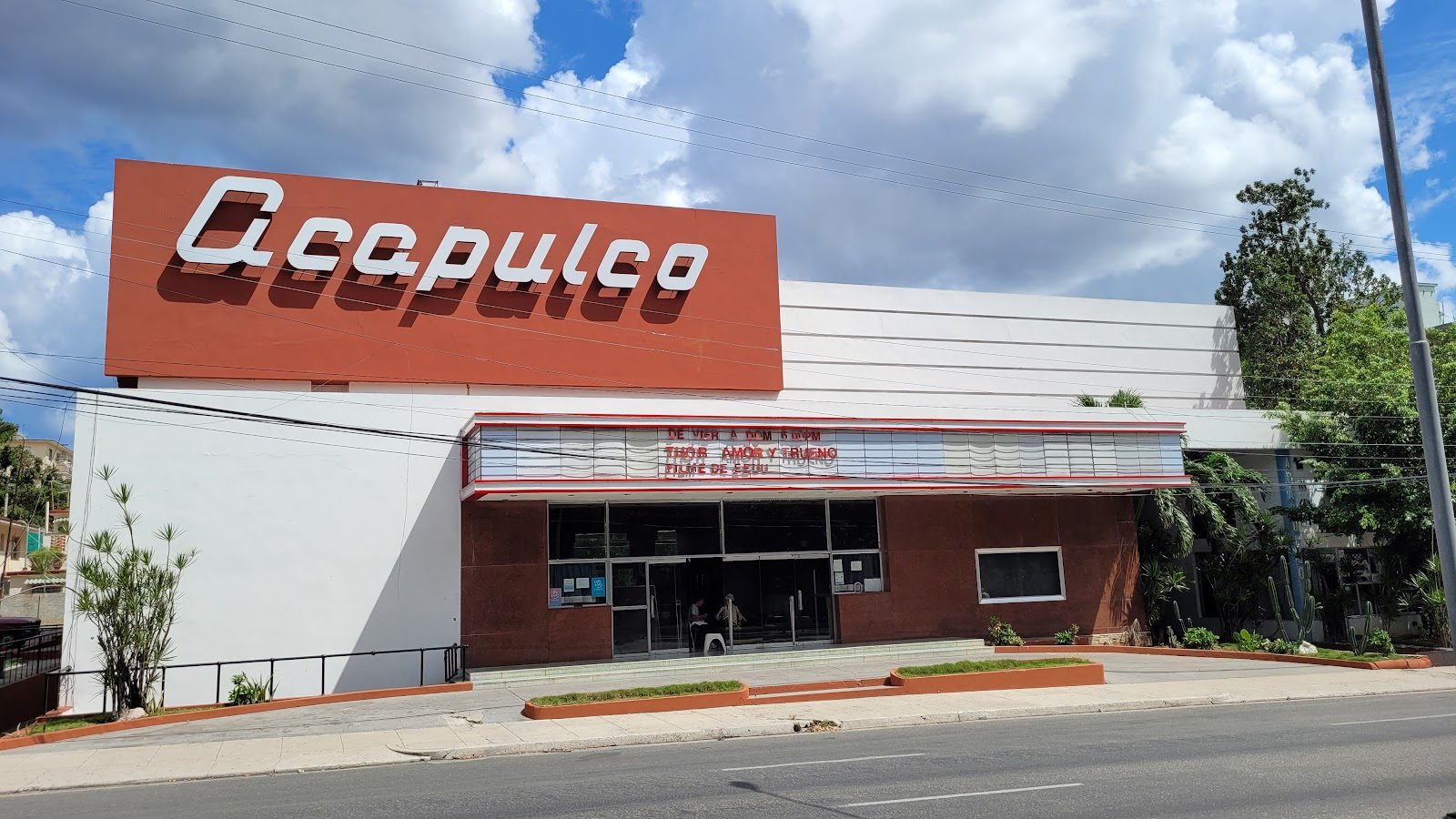
Cine Acapulco (Avenida 26) has one 1,437-seat auditorium behind a blank modernist 1958 façade with vertical lettering. The foyer is lined in ornamental wood panelling, and a mirror covers an entire wall. Tickets cost tens of CUP, among the cheapest anywhere; you pay at the window and there is no advance booking.
The cinema now runs as a cultural centre and still screens films, including strands of the December Festival de Nuevo Cine Latinoamericano. Check the day's listing before you walk over, because blackouts cancel shows without notice.
Jardín Zoológico de La Habana (Avenida 26), the Zoológico de 26, is the landmark the avenue is built around. Cuba's oldest zoo opens Tuesday to Sunday from 09:00 to 16:00 and the fee is nominal. You go in under a 1939 stone arch onto swept paths and clipped gardens around an artificial lake.
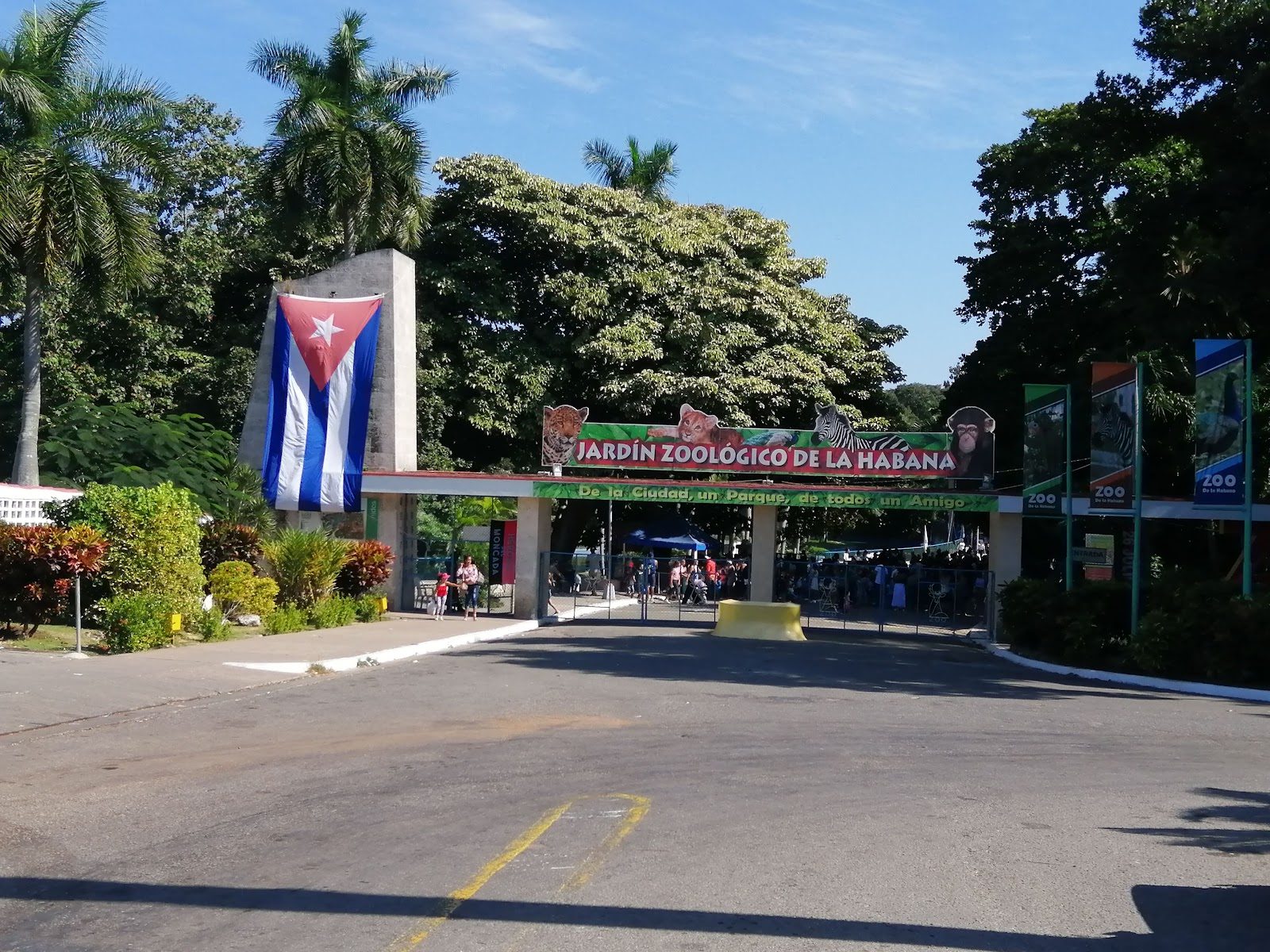
Reporting in 2025 and 2026 describes a badly depleted collection and poor animal welfare. Many enclosures stand empty and a miniature train sits stranded among them. Come for the architecture and the shade. Most refreshment kiosks are shut, so bring water.
Dinner on Calle 30
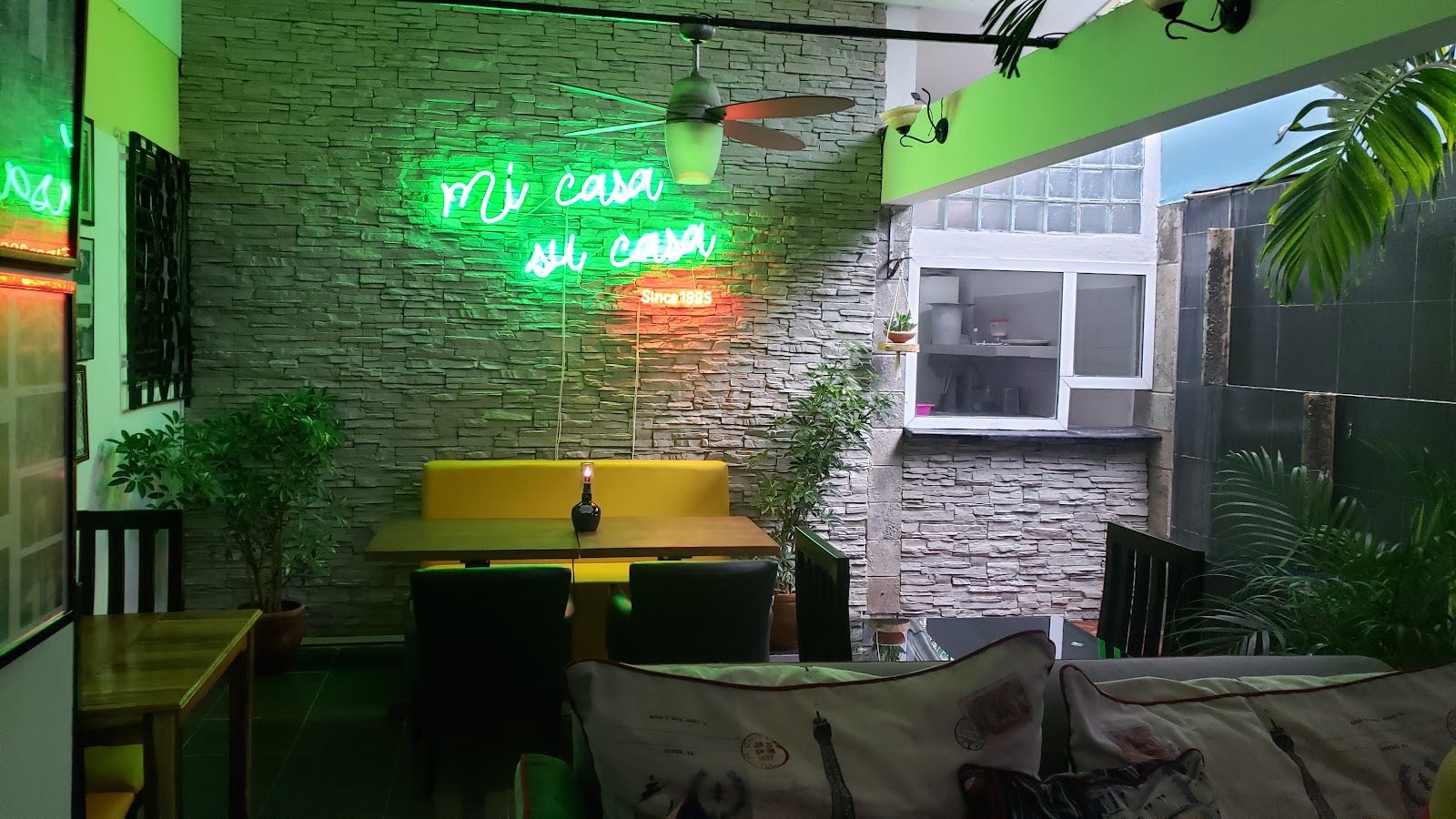
Restaurante La Casa (Calle 30) is the best table in Nuevo Vedado, open since 1995 as one of Havana's first paladares and still run by the Robaina family. The house is a flat-roofed 1950s California-modern villa with glass walls onto a planted garden terrace, art hung through the dining rooms, lobster and octopus going out of an open kitchen. A head costs 5,000 to 12,000 CUP. The villa has several salons and takes private events.
Book by phone. The restaurant's old web domain has lapsed and now redirects to a spam site.
Habitania (Calle 30) is a few doors along, a tiny private dining room in a house with a handful of tables, long-running and mixing locals with visitors, open from 12:00 to 00:00. A welcome cocktail and chilled gazpacho arrive at the start, and the meal ends with a flower for the women and a cigar for the men. The old-school paladar formality is half the experience. A head costs 2,000 to 4,500 CUP, and you always reserve.

Eating on Calle 28, Calle 37 and Tulipán
El Balcón de Diego (Calle 28) is the reliable mid-range choice, its tables on the first-floor balcony of a 1950s Nuevo Vedado house, behind a wrought-iron rail above a leafy residential street. Ask for an outside table when you book; the air-conditioned room behind it is the lesser half. Grilled lobster and mar y tierra platters carry the kitchen. It opens daily from 12:00 to 23:00. A head costs 2,500 to 6,000 CUP. Message ahead on WhatsApp.
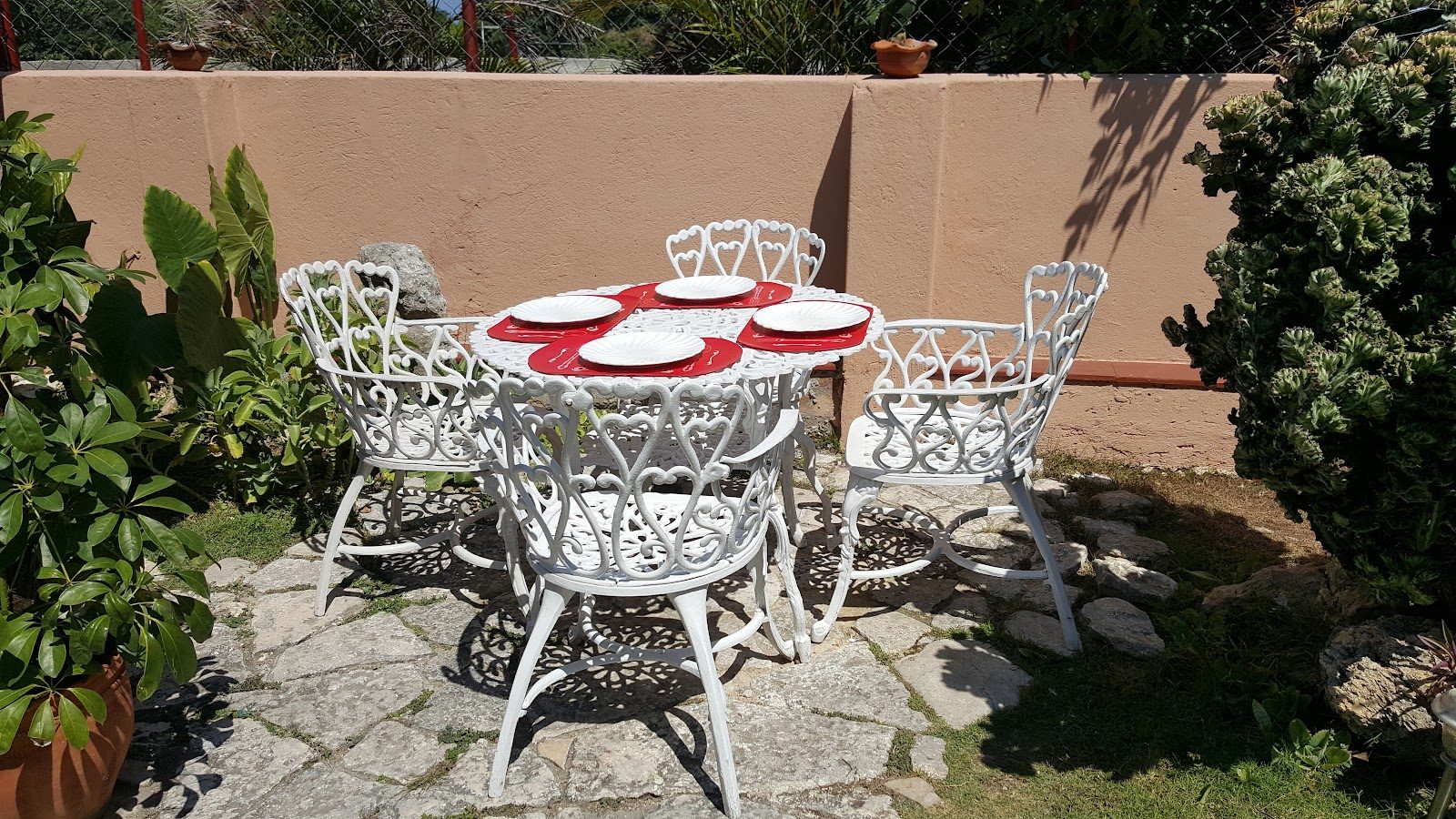
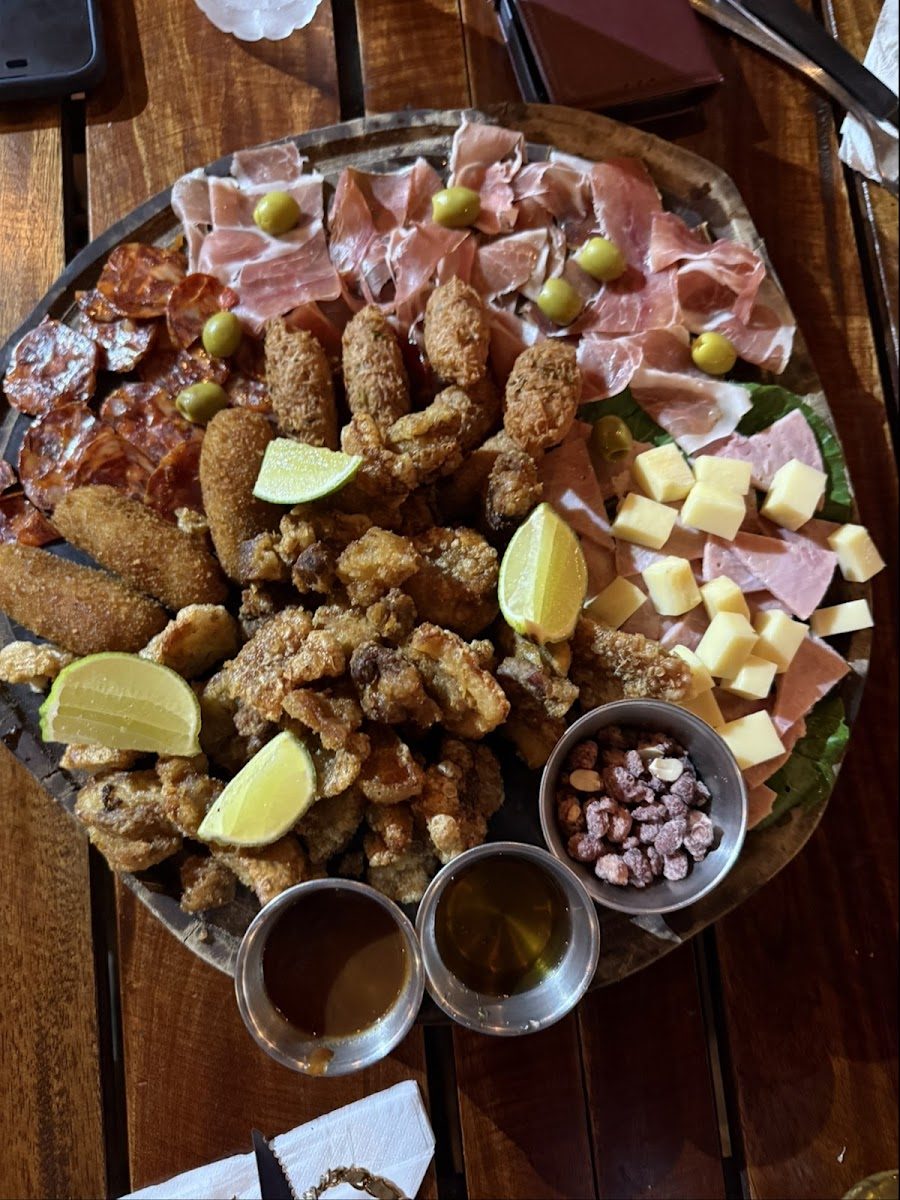
El Jardín de los Milagros (Calle 37 off Avenida 24) scatters its tables through a dense tropical garden with small fish ponds between them, and the bar is tucked under the vegetation. The herbs and salad beds grow on site. The house dish is ropa vieja de carnero, made with mutton. It opens daily from 12:00 to 23:00. A head costs 2,000 to 5,000 CUP. It has parking and takes weddings and buffets, and you book ahead.
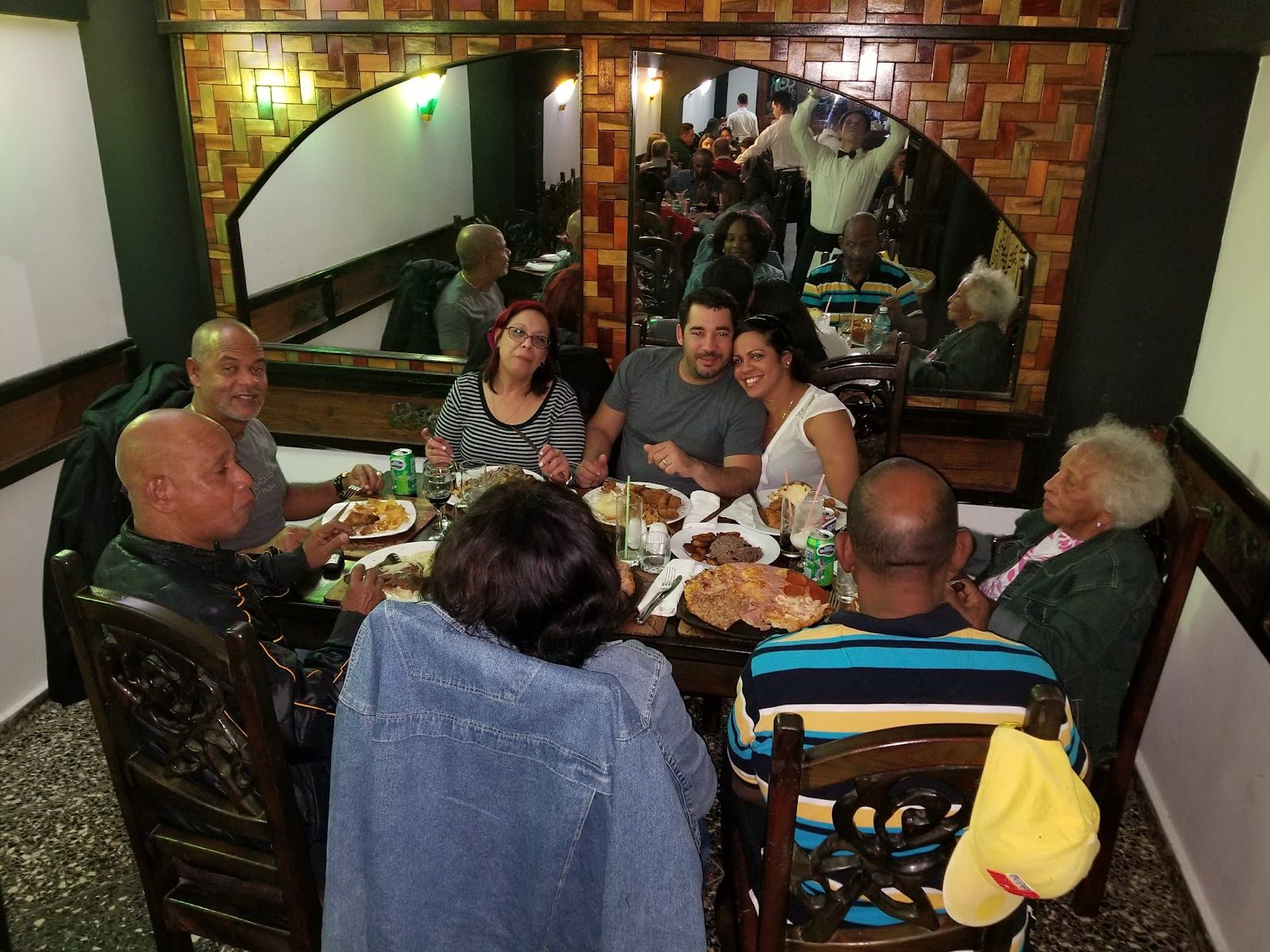
La Rosa Negra (Tulipán and 24) is the cheap, everyday option, reopened after a full refit and listed in the 2026 Guía Excelencias. The corner room is air-conditioned, with the bar right at the entrance. The signature pizza is laid out with a rose of black olives at the centre. It opens from 11:00 to 23:00. A head costs 1,500 to 3,500 CUP. Phone ahead for more than six.
Where to stay in Nuevo Vedado
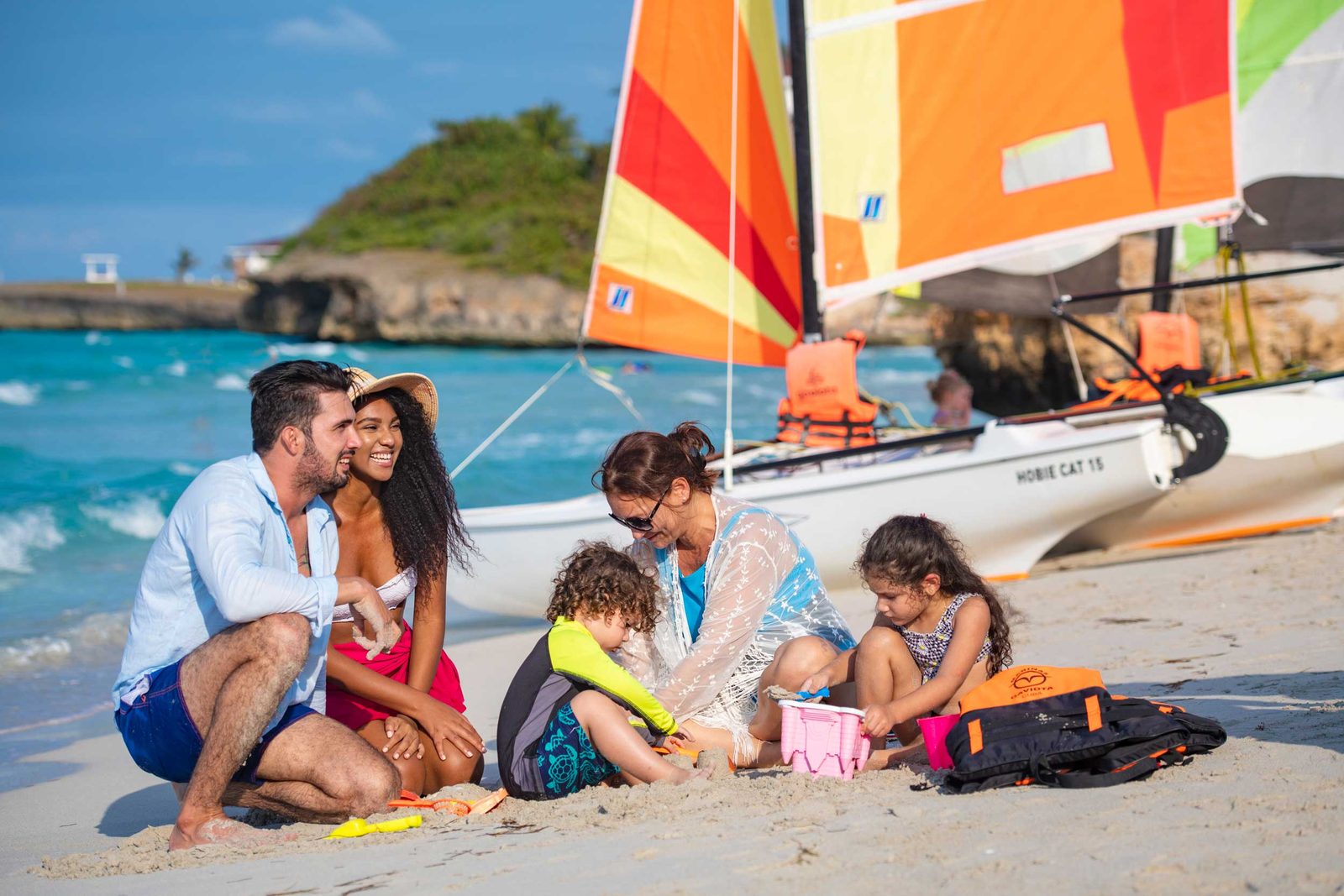
Hotel El Bosque (Reparto Kohly) is the only actual hotel inside the district, a five-storey block half-swallowed by the tropical growth of the old botanical gardens, with room balconies opening straight onto treetops. It has 62 rooms, sleeping three at most, and two restaurants, and guests also use neighbouring Hotel Kohly's facilities. A night costs 35,000 to 60,000 CUP.
It is quiet and green on the Bosque de La Habana edge, and you will be taxiing everywhere. Book dinner in advance.
Terrazas del Nuevo Vedado (Casa Marlene) is a terraced hillside house with a small pool and a porch, and the view off it takes in the Martí tower, the FOCSA slab, the Hotel Nacional and the sea beyond. Old American cars park on the slope below. That view is the best free thing in the neighbourhood.
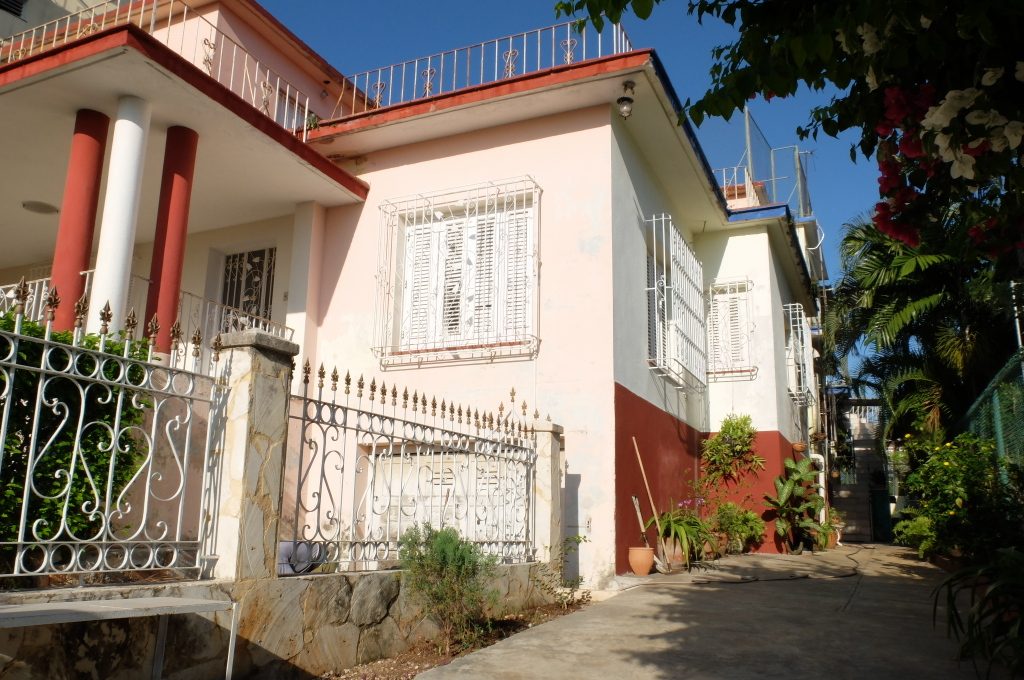
The house has only a few rooms, and a room costs 28,000 to 38,000 CUP a night. Dinner, pre-booked, is worth taking. It stands three minutes' walk from the Víazul bus station, the base to take if you are leaving Havana by long-distance bus.
Opening days and booking
Plaza de la Revolución and the Memorial close on Sundays, and Parque Almendares and the zoo open Tuesday to Sunday. Reserve La Casa and Habitania by phone, message El Balcón de Diego on WhatsApp, and carry CUP in cash for the Teatro Nacional box office, the Café Cantante door, Cine Acapulco and La Rosa Negra.
See the Havana guide and the Havana hotel search.
Gallery
Nuevo Vedado in pictures
Nuevo Vedado — your questions
How much is the Colón cemetery and how long does a visit take?
The cemetery is open daily from 08:00 to 17:00. Foreign visitors pay 3,000 to 4,500 CUP, and a guide costs extra; the official guides at the gate run hour-long walks. Two hours covers the 56-hectare grid properly.
When is Plaza de la Revolución open, and can you go up the Martí tower?
The site is open Monday to Saturday from 09:00 to 17:00 and shut on Sundays. The museum and the mirador together cost 2,500 to 4,000 CUP. The lift up is small, so a large party will have to go in batches.
Where do you go dancing in Nuevo Vedado now Fábrica de Arte Cubano has shut?
Café Cantante Mi Habana, in the basement of the Teatro Nacional, is the nearest real Cuban dance night. Cover and drinks come to 1,500 to 4,000 CUP a head, and smarter clothes help at the door. At weekends it becomes a big gay night.
Is the Chinese cemetery free to visit?
Yes. The Cementerio Chino de La Habana is free, but the caretaker has to unlock the burial area, so carry a tip and keep the visit quiet. It is on Calle 26, was founded in 1893 and became a National Monument in 1996.
Is Nuevo Vedado a good base in Havana?
Hotel El Bosque is the only hotel in the district, quiet and green, at 35,000 to 60,000 CUP a night, though you will be taxiing everywhere. Terrazas del Nuevo Vedado is three minutes' walk from the Víazul bus station and costs 28,000 to 38,000 CUP a night per room.