Especial Havana
Walking Havana's Almendares river park and Kohly forest
A 700-hectare green corridor runs through Havana: dinosaur lawns, the gallery forest at Kohly, and a salsa garden where the Almendares meets the sea.
Por Oliver NashReading Havana barrio by barrio
The lower Almendares runs 9.5 km between Vedado and Miramar, slow and brown under banks of ficus and royal palms. An October 2026 study confirmed microplastics, raw sewage and heavy metals in the water, so you walk beside this river rather than get into it.
What the Gran Parque Metropolitano covers
Gran Parque Metropolitano de La Habana is the 700-hectare umbrella park, founded in 1989, that holds the whole river corridor together. Under it sit Parque Almendares, Bosque de La Habana, Parque Forestal, Jardines de La Tropical and Loma del Husillo. Access is free, with no gates and no ticketing.
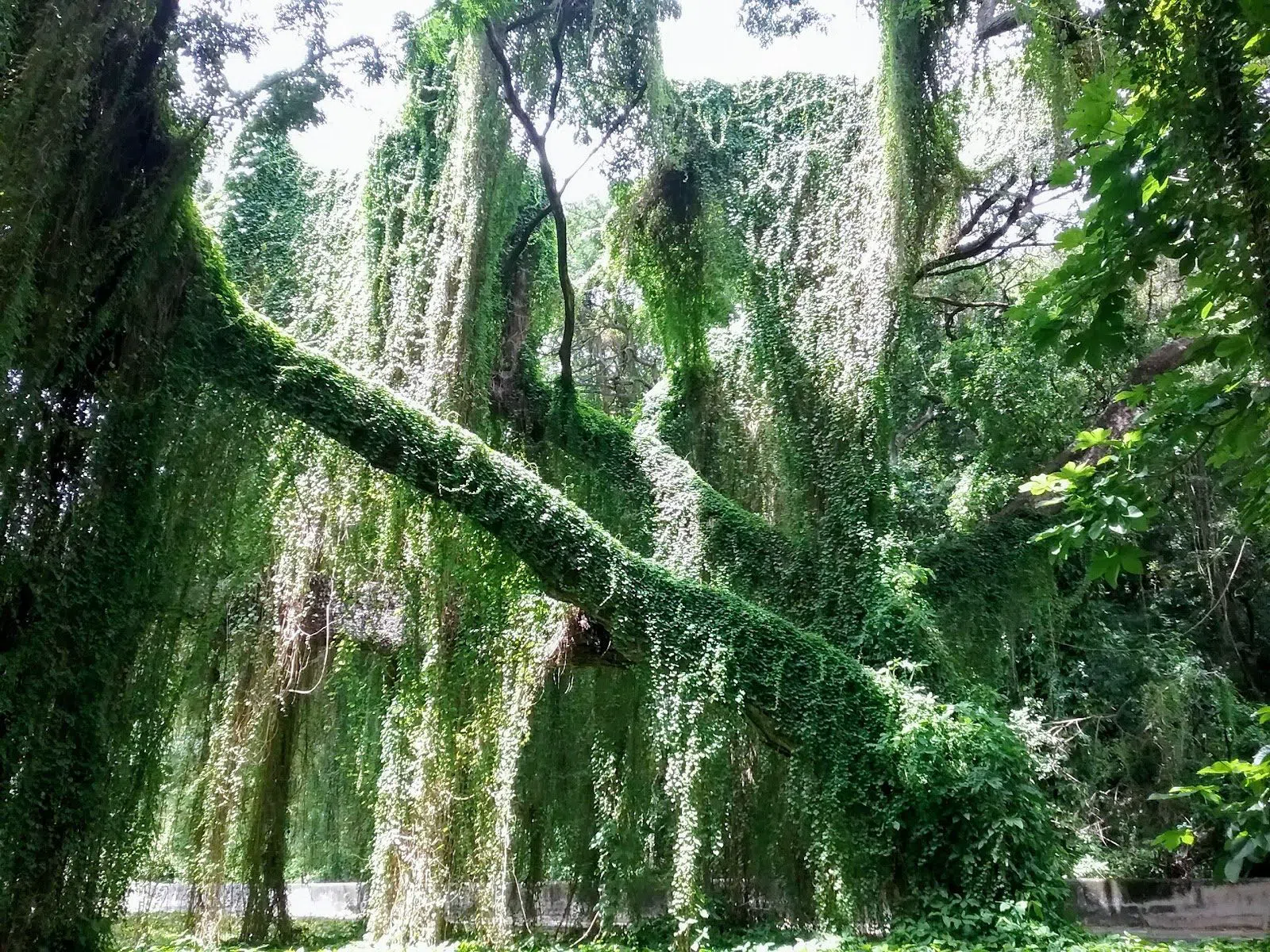
Concrete flood walls hold the banks, and Vedado apartment blocks stand on the skyline beyond the canopy. The park office arranges guided walks and reforestation visits on request. Don't paddle, and don't eat anything caught in the river.
If you want manicured gardens, the ticketed Quinta de los Molinos botanical garden is 2 km east.
Planeje sua viagem para Havana
Preços em tempo real dos nossos parceiros de reserva.
Cancelamento grátis em muitos quartos. Podemos receber uma comissão quando você reserva.
Parque Almendares and the riverbank
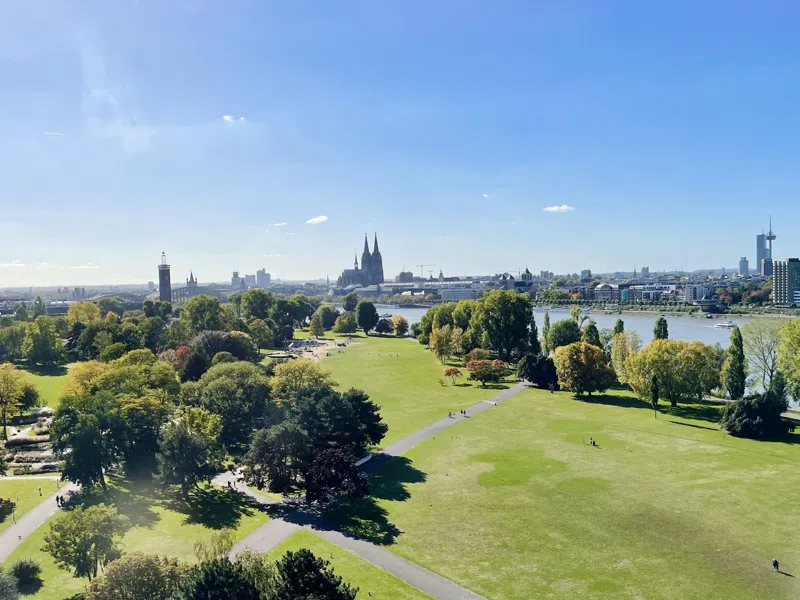
Enormous jagüey figs trail aerial roots over the shaded lawns at Parque Almendares, and small rowing boats sit tied at a concrete slipway. Faded mini-golf greens and a playground fill the clearings, ponies work the paths, and a low open-air amphitheatre stands among the trees. This is the developed lower park, and the place to start if you walk only one piece of the corridor.
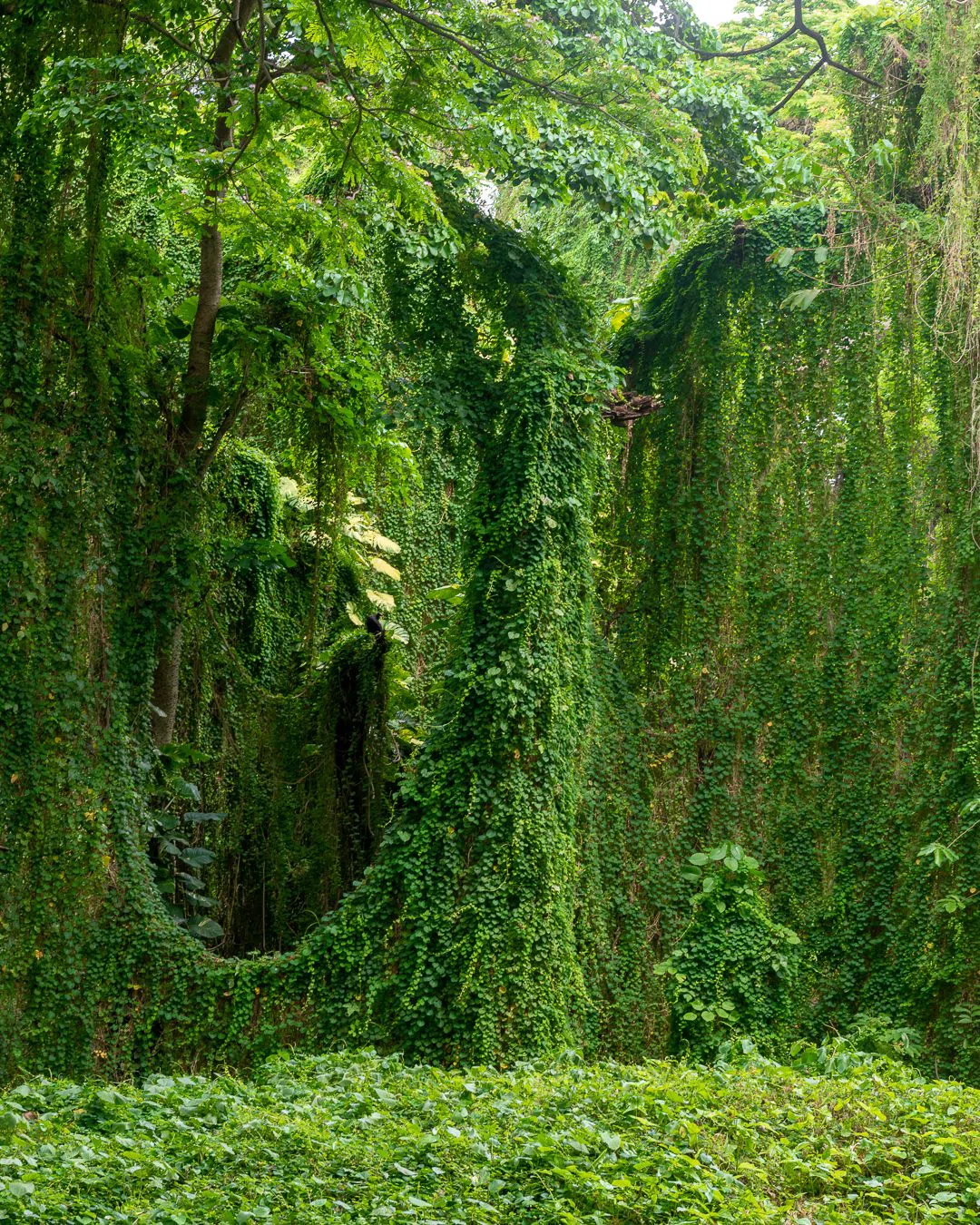
Havana families, school parties and quinceañera photo shoots come here. Summer concerts run under the canopy, and the Havana World Music festival takes the same ground. Weekday mornings are the quietest. Some stretches carry litter and the upkeep is patchy.
Entry is free. The amphitheatre and the picnic clearings are bookable through the park administration.
Bosque de La Habana on the Kohly bank
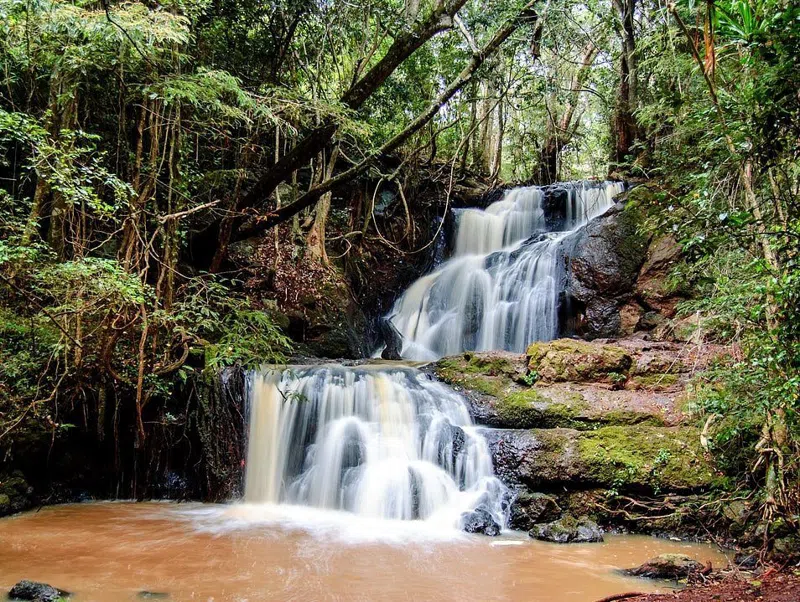
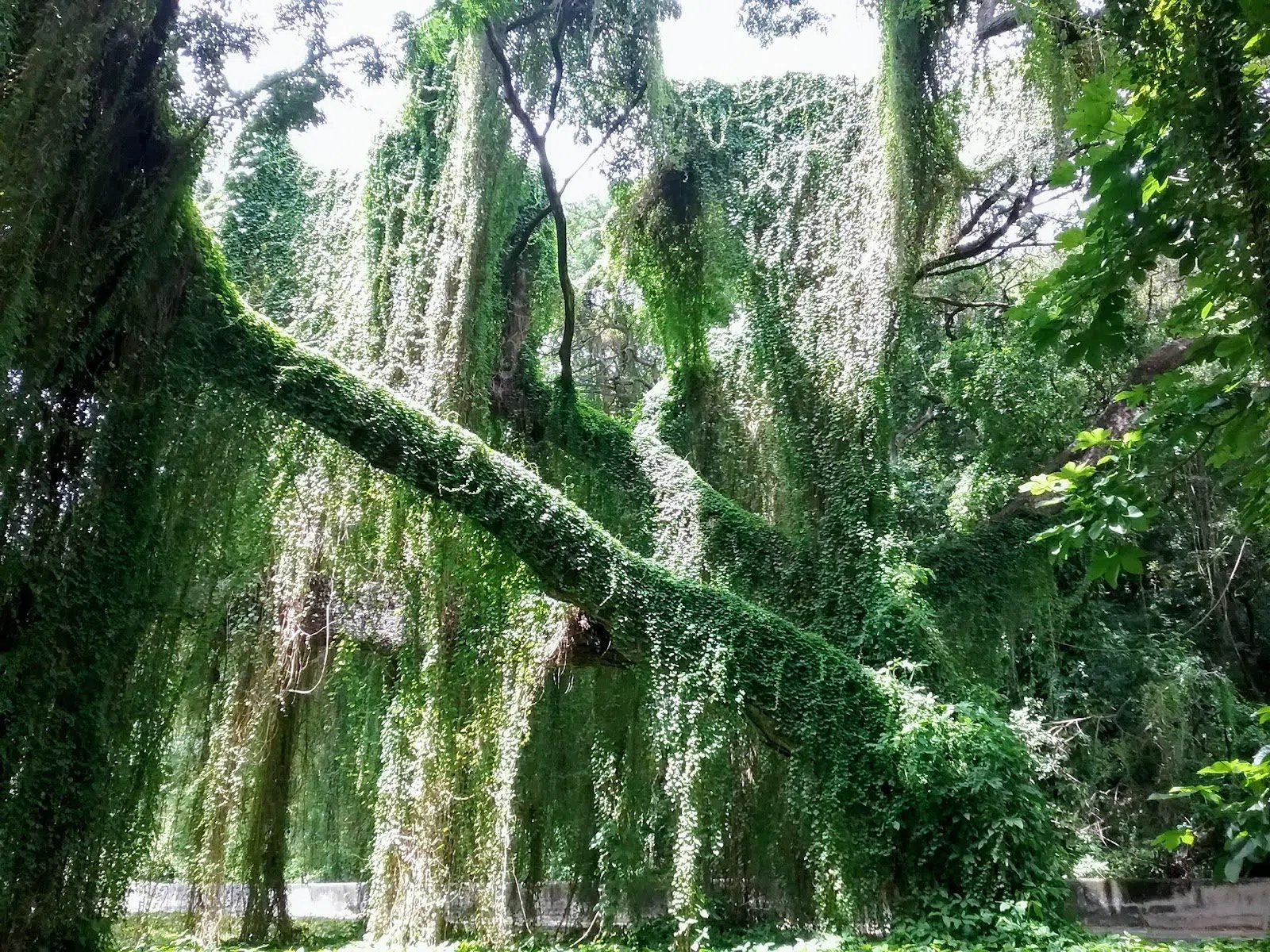
Banyan and jagüey close over a narrow dirt path on the Kohly bank, curtain roots and strangler trunks holding the light to a cathedral green. Bosque de La Habana is riparian woodland, unfenced and free, and it takes in the gallery forest of Isla Josefina. The river glints through gaps below the path. It is the one stretch where a city of two million drops out of earshot.
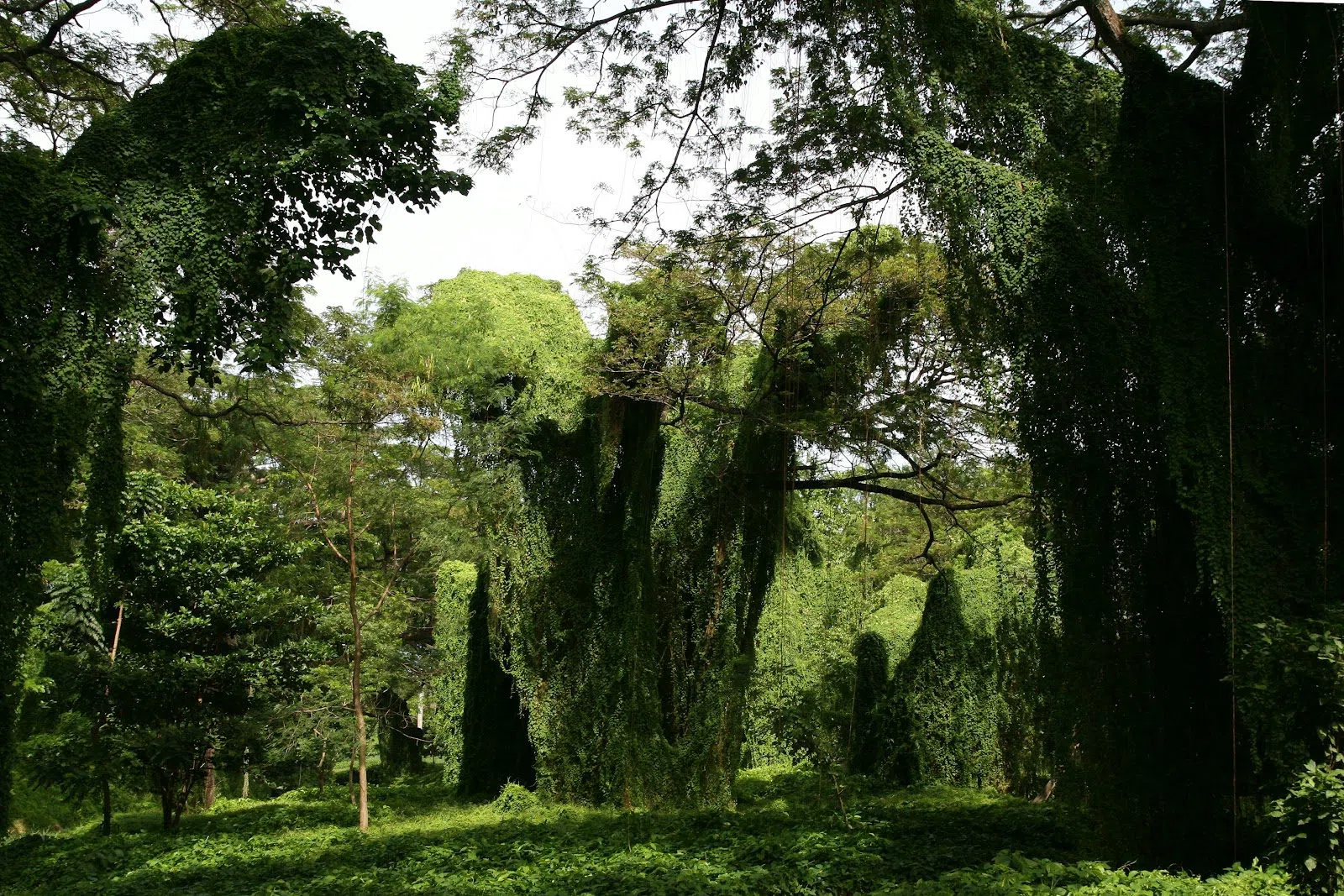
Walk it in daylight and in company, and leave valuables at the hotel. The path narrows to single file and long sections are unsignposted, so a local guide is worth the fee here.
Dinosaurs and animals at the park's edges
A 20-metre fibreglass Tyrannosaurus sprays water from its jaws among the royal palms at Parque Forestal de La Habana, which Havana calls the Parque de los Dinosaurios. A dozen life-size dinosaur models stand along the forest paths, and pedalos work a small boating lagoon. The park reopened for Havana's 500th anniversary.
Paths are wide, with a playground, cafeterias and open lawns. Entry is under $200 a head, and children pay a lower rate. Individual rides and the café run intermittently depending on supplies, so the dinosaurs are the part you can count on.
Jardín Zoológico de La Habana, also known as the Zoológico de 26, sits hard on the Nuevo Vedado edge of the park, behind a wrought-iron entrance gate on Avenida 26. Cuba's oldest zoo is worth the walk for its 1939 architecture as much as its animals: rationalist concrete enclosures, a landmark giraffe house, and the Almendares forest canopy rising behind the paddocks.
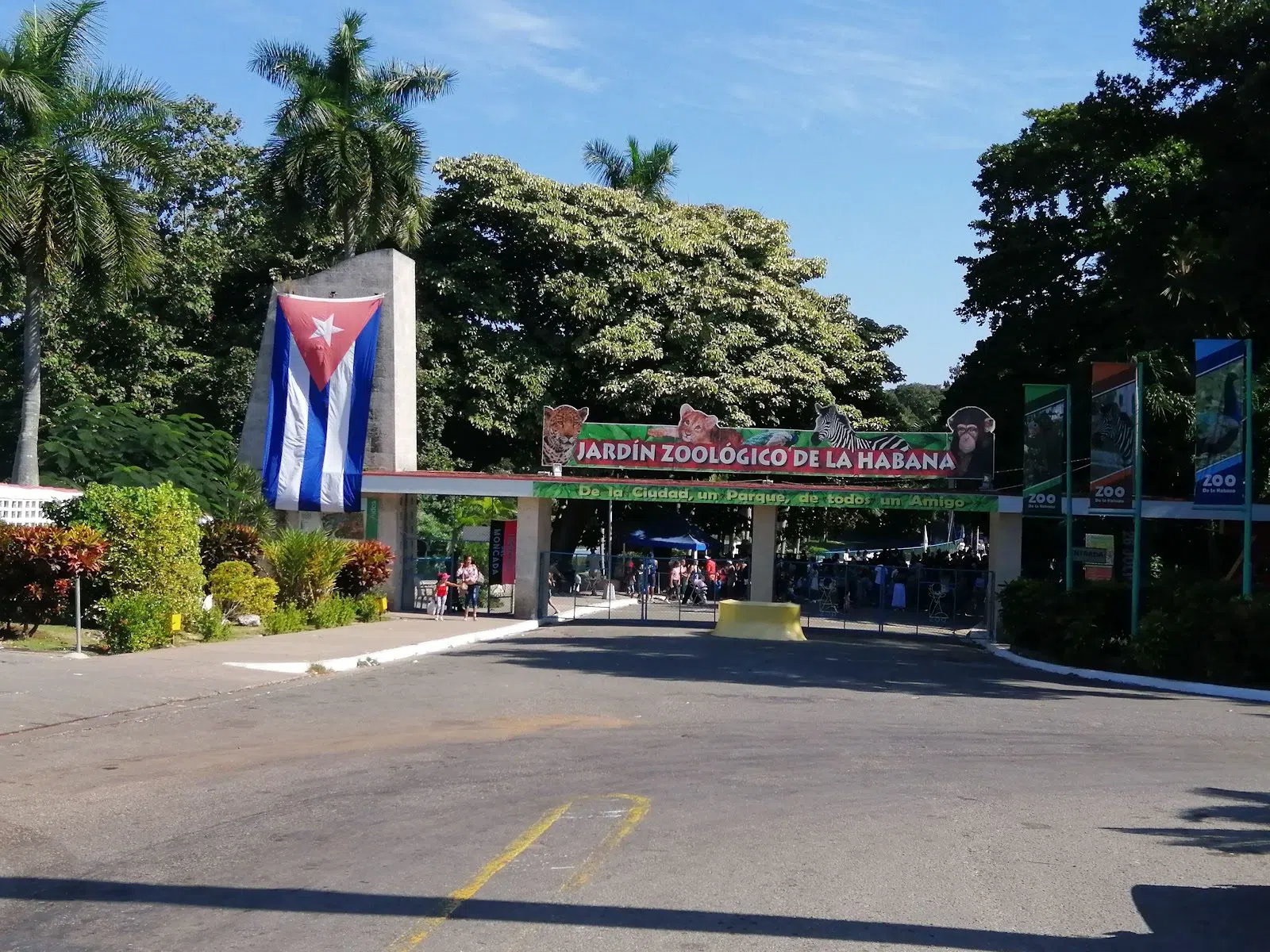
It opens Tuesday to Sunday, 9 a.m. to 4 p.m. The foreign-visitor rate is $800 for an adult and $400 for a child. Shortages have visibly strained conditions, so either go in knowing that or give the afternoon to the Parque Forestal.
Jardines de La Tropical
Jardines de La Tropical is a brewery's fantasy garden on the riverbank, built in 1904 in Catalan-modernist style and restored for the city's 500th. Grottoes and scalloped arches run between fake caves, bridges and pastel domes. The open 'Mamoncillo' dance floor lies beneath a vast spreading mamoncillo tree.
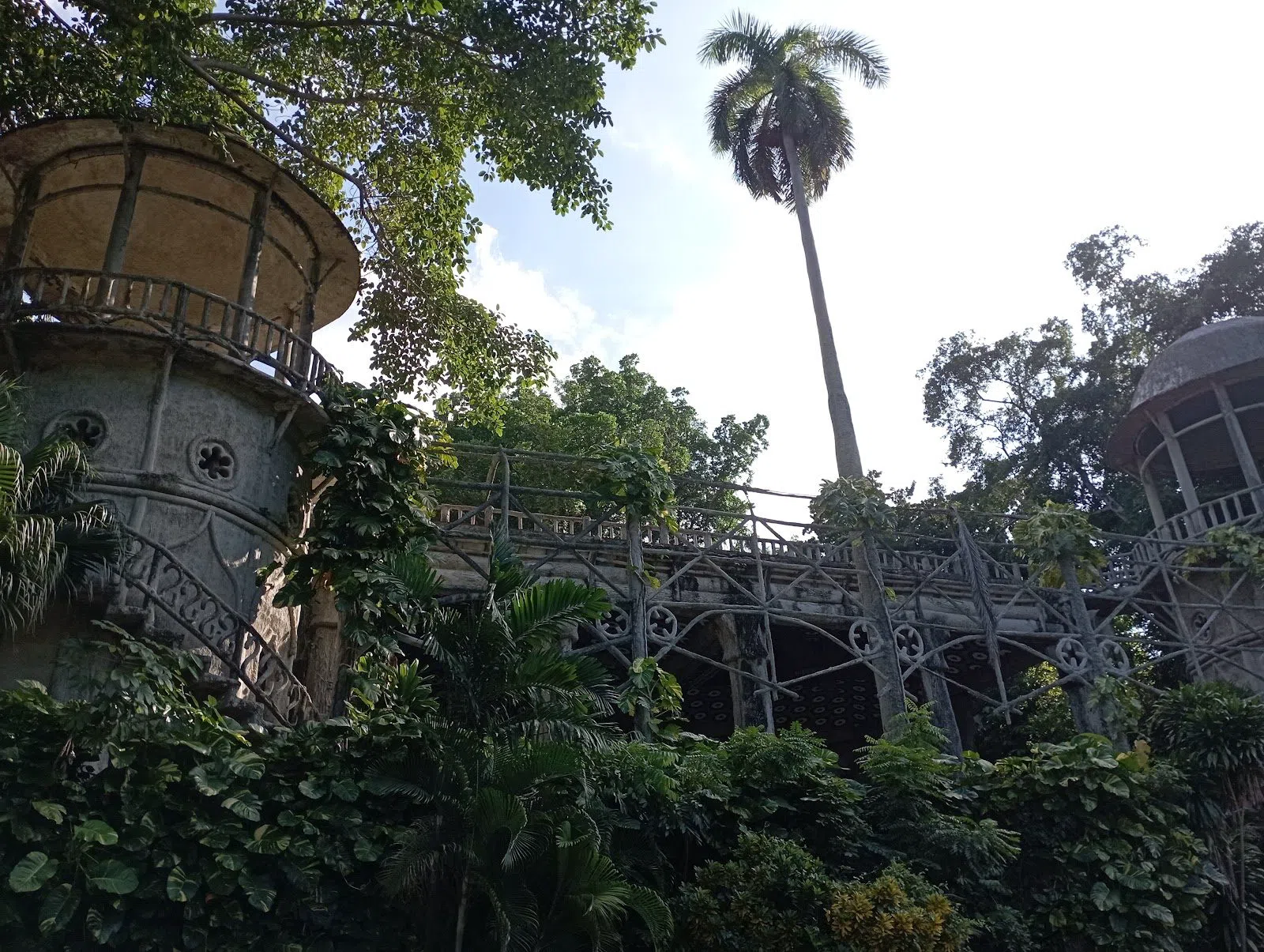
Tuesday to Thursday the halls are rented out for private functions. Friday to Sunday the gardens open to the public, on Friday until midnight and at weekends until 2 a.m. The place still works as a concert venue, Jazz Plaza 2026 included. It sits in the $ band.
The sister Jardines de La Polar nearby are ruined and squatted, and not worth the detour.
Where the Almendares meets the sea
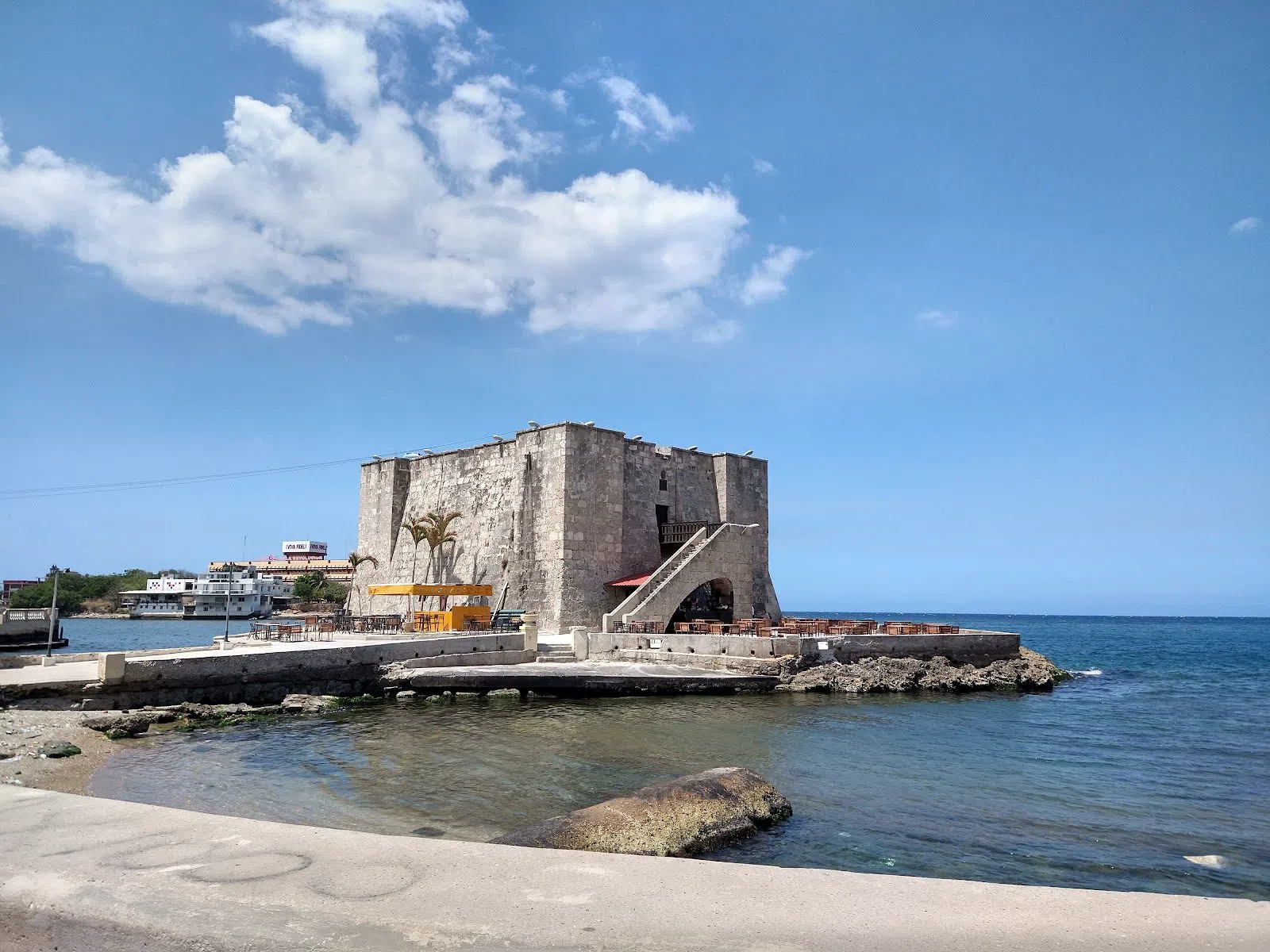
Torreón de la Chorrera, also called the Fuerte de Santa Dorotea de Luna, is a squat 1646 stone tower on a coral islet at the river mouth. Antonelli built it to stop enemy ships entering the river, and it belongs to the UNESCO-listed Havana fortifications. The coat of arms of Castile, León and Aragón is set in the wall, a tiny circular turret caps the roof, and the Malecón sea wall and the open Atlantic lie behind.
A steep stone stair climbs to a two-room interior. The outside is free. The little bar-restaurant inside opens erratically, seats only a handful and runs $$ when it is serving, so a large party should eat next door at Restaurante 1830 and treat the tower itself as the visit.
Puente de Hierro crosses the river at Calle 11, a low steel swing bridge turning on a central pivot pier mid-river. It was rebuilt in 2014 to the original design with a modern turning mechanism, and for decades it was the only link between Vedado and Miramar. Anglers lean on the rail, Vedado on one bank and Miramar on the other. It is the best free vantage point for the river mouth.
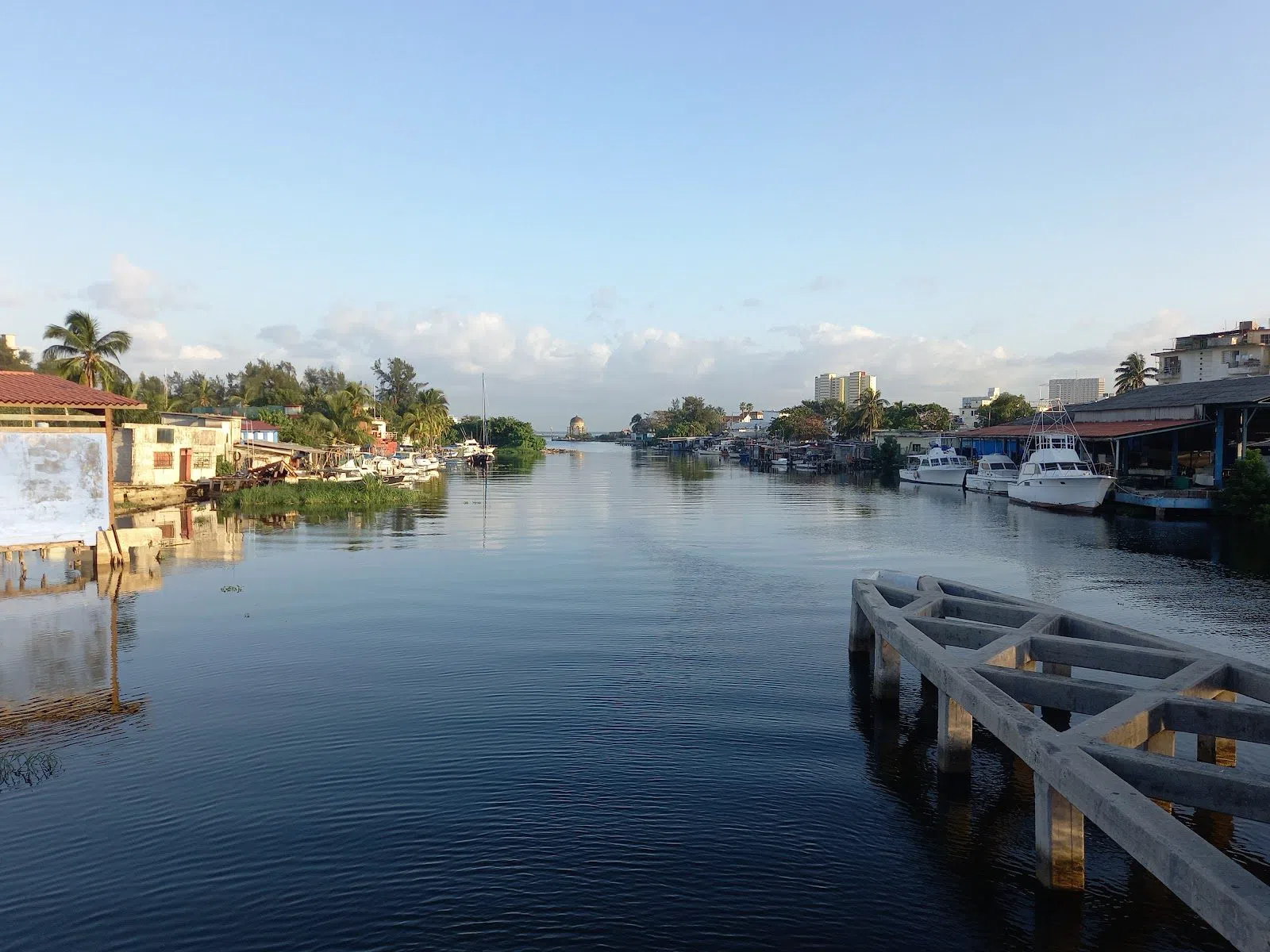
One bridge upstream, the 1923 Puente Almendares on Calle 23 was Cuba's first concrete bridge.
Dinner, drinks and salsa
El Cocinero stands on Calle 26 at the park's eastern edge, five minutes from the river, inside a 1900s cooking-oil factory. A towering red-brick chimney rises beside the rooftop tables, and a vertiginous spiral iron staircase takes you up to wicker chairs and potted greenery under string lights. It serves ceviche and tapas at $$$$, with the sunset off the roof. The crowd is young and dressed up. Book ahead for six or more.
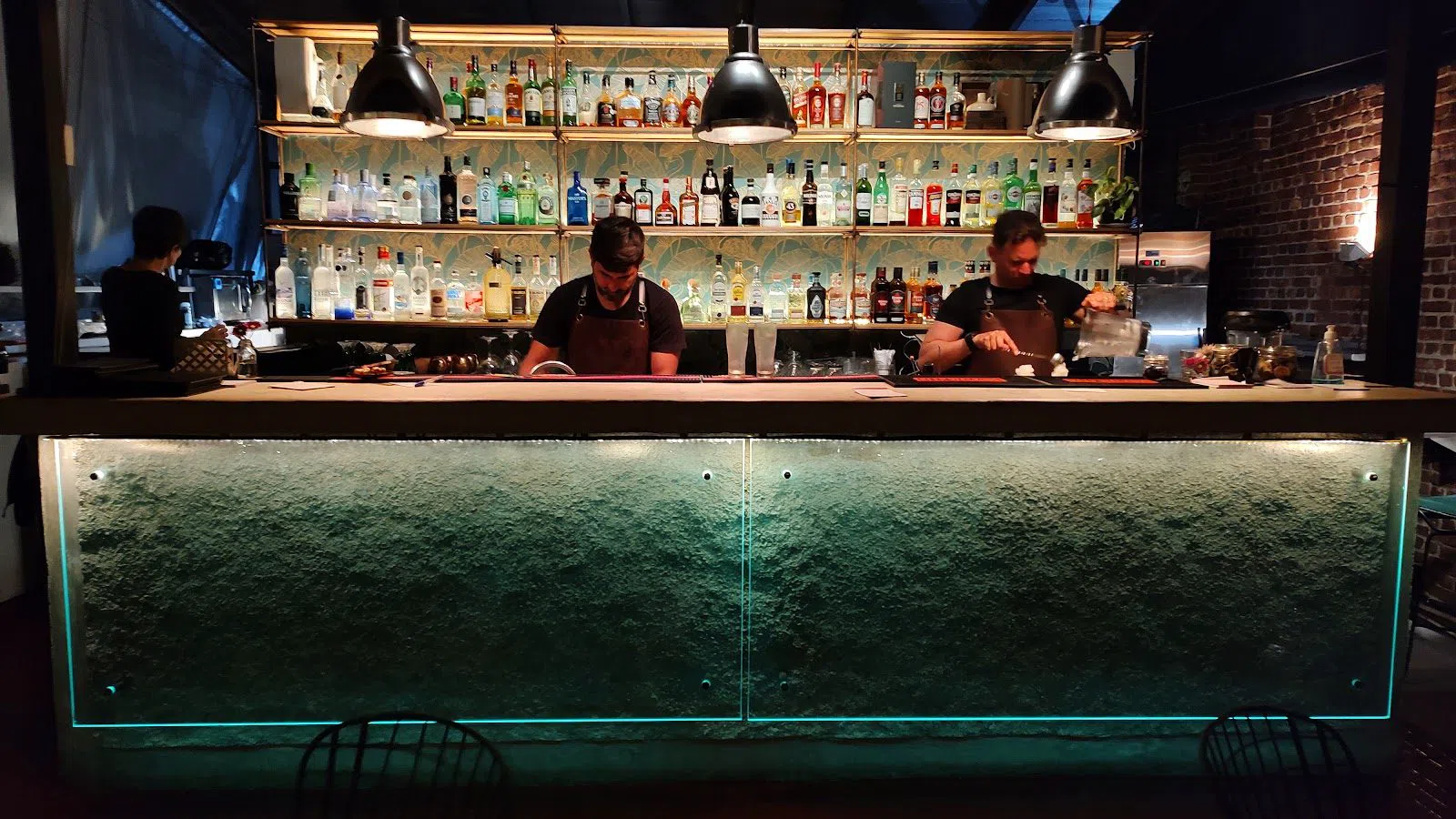
The adjoining Fábrica de Arte Cubano announced a temporary pause in June 2026. Check the FAC's own channels before you build a night around the art factory.
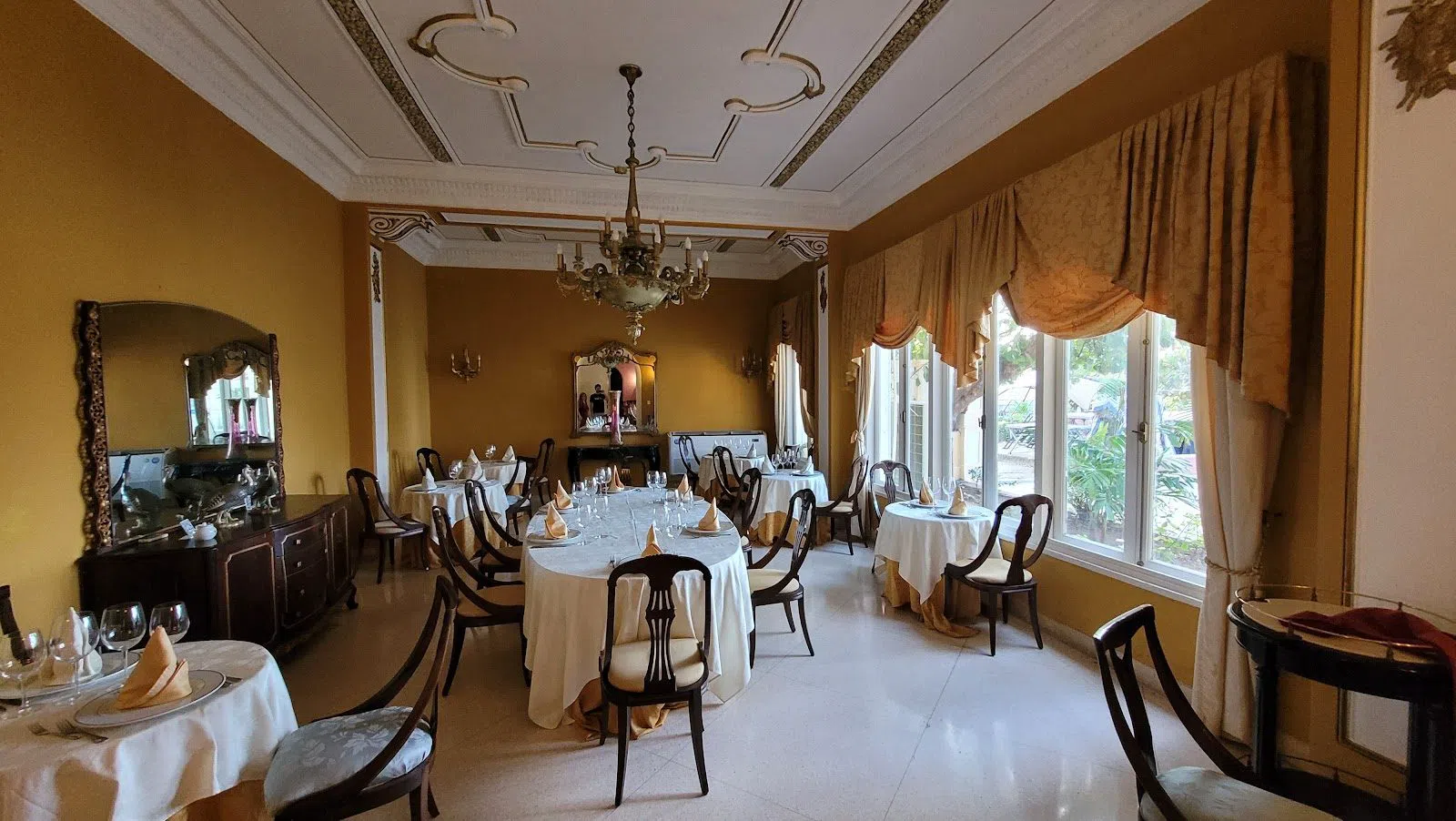
Restaurante 1830 holds the river mouth metres from the Chorrera tower, a neo-classical seaside mansion with a mock-Gaudí rockery garden and a Chinese pagoda folly on a tiny islet. The open-air dance floor sits right beside the sea where the Almendares empties out. The restaurant runs noon to midnight and the outdoor salsa club 10 p.m. to 3 a.m., with a floor show and plenty of garden tables.
Dance-floor entry is $600 and eating is $$$. Reviewers rate the kitchen well below the setting, so the band and the dance floor are what you are paying for.
Otramanera is 800 m west of the Almendares bridge, on Calle 35 in Playa, a white 1950s modernist villa with a garden terrace and a sea breeze. The Spanish-trained kitchen plates contemporary Cuban cooking: ceviche, curried fish, homemade ice cream. The dining room is small and pared back, and this is the most serious cooking within walking distance of the park, so reserve.
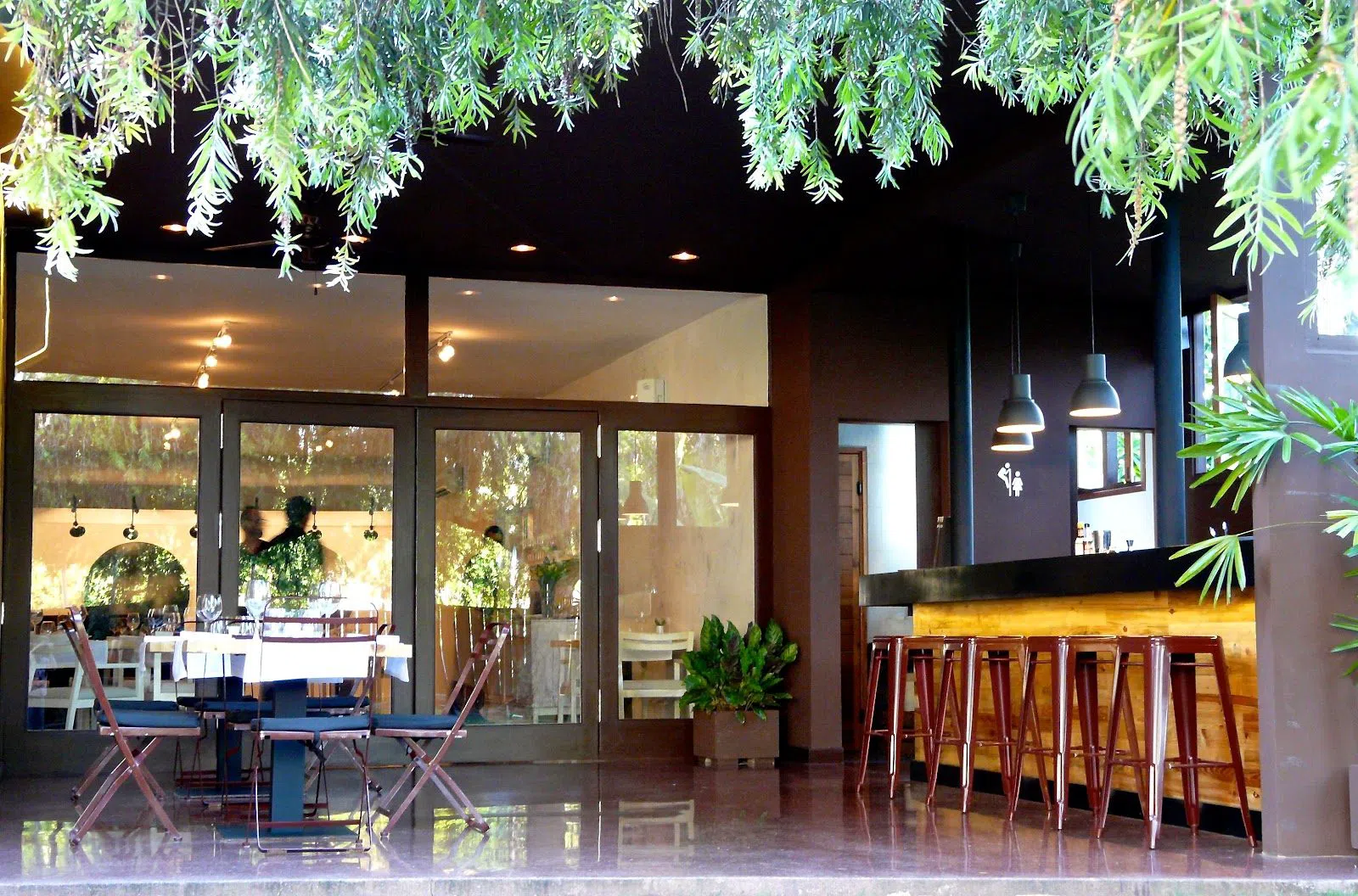
It opens Tuesday to Saturday, noon to 11.30 p.m., at $$$$. It goes well after an afternoon in the forest.
Where to stay in Kohly
Hotel Kohly is a four-minute walk from Parque Almendares, a five-storey 1970s concrete block standing above the forest canopy. It runs 136 rooms, meeting rooms and five food and drink outlets, with an outdoor pool and loungers, a two-lane bowling alley and a floodlit tennis court. Coach parties and sports groups use it.
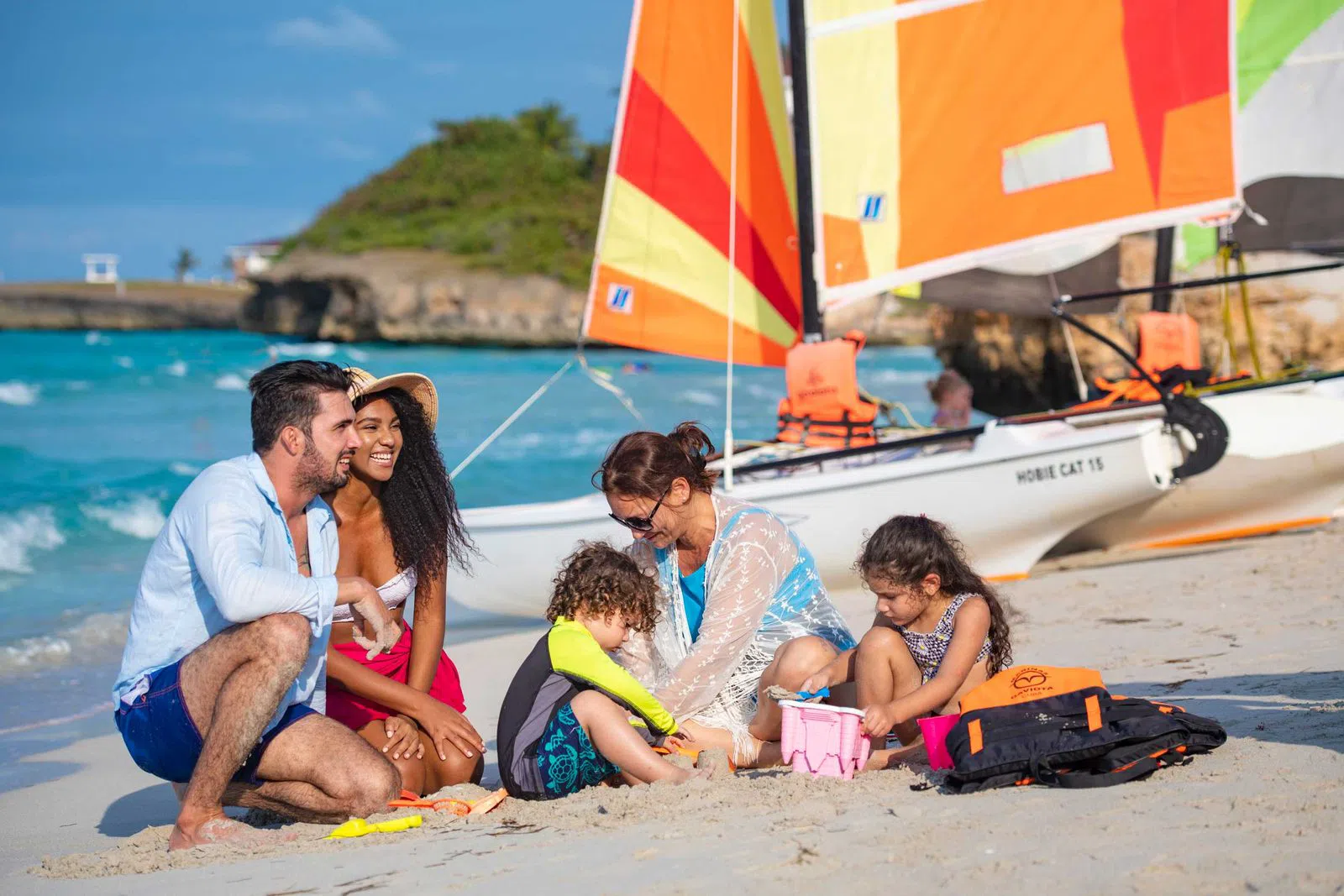
The finish is tired state-hotel standard, and at $$ you are paying for the location and the bowling. The Vedado hotels are 15 minutes away by taxi if comfort matters more.
Hotel El Bosque sits on Calle 28A, literally inside Havana's former botanical garden, a low 1970s building buried in tropical planting with balconied rooms looking straight into the treetops. The approach road is quiet and shaded, and the forest paths start at the door. It holds 62 rooms, two restaurants, La Yagruma and El Trópico, and a 24-hour lobby bar.
Guests can use Hotel Kohly's pool and facilities a few metres away. Rooms are dated and breakfast is simple, at $$.
Hours, closures and booking
The zoo closes Mondays, Otramanera closes Sunday and Monday, and Jardines de La Tropical goes to private functions Tuesday to Thursday. Reserve at Otramanera, book El Cocinero before you travel if your party is large, and check the FAC's channels if the art factory is part of the night.
See the Havana guide and the Havana hotel search.
Antes de ir
Can you swim or fish in the Almendares river?
No. An October 2026 study confirmed microplastics, raw sewage and heavy metals in the river, so don't paddle and don't eat anything caught in it. The river is for looking at.
Does the Gran Parque Metropolitano charge admission?
The umbrella park, Parque Almendares and Bosque de La Habana are free and have no gates or ticket offices. Parque Forestal charges under $200 a head, less for children, and the Jardín Zoológico asks foreign visitors $800 for an adult and $400 for a child.
Is Bosque de La Habana safe to walk?
Go in daylight, go with someone, and leave valuables at the hotel. The dirt path narrows to single file and long stretches have no signs, so a local guide is worth having.
When is Jardines de La Tropical open to visitors?
Friday to Sunday, until midnight on Friday and until 2 a.m. at weekends. Tuesday to Thursday the halls are rented out for private functions.
Where should you stay to be next to the park?
Hotel Kohly is a four-minute walk from Parque Almendares and has 136 rooms, a pool, bowling and tennis. Hotel El Bosque on Calle 28A is quieter, with 62 rooms inside the old botanical garden and forest paths starting at the door. Both are dated; Vedado hotels are 15 minutes by taxi.