The lights go off in Vedado at around seven most evenings and the street does not empty. It fills. Chairs come out onto the pavement, the domino tables shift under streetlamps that aren't working, and for a kilometre the brightest thing on the coast is a hotel generator throwing light over the seawall. Havana runs on improvisation, and whether that makes it worth the flight has less to do with the city than with what you have packed in the way of expectations.
The short answer before the long one
Come if you want architecture, music, painting and conversation, and if you can absorb friction without it ruining your mood. Stay away if you need a hot shower on demand, a full menu, a reliable schedule, or a night that goes exactly as planned. I mean each of those literally. The electricity supply fails for long stretches every day across most of the city; water is pumped electrically, so a blackout in a tall building also means no shower until the power comes back; and kitchens work from whatever arrived that week rather than from the menu they printed.
What has changed since the older guides is worth stating flatly, because it affects what you can book. Iberostar left Cuba in July 2026 and Melia completed its withdrawal on 24 July 2026, so two of the names you may have seen on older hotel pages no longer exist here. The Ministry of Tourism and Havanatur list eighteen Havana properties operating through summer 2026, a short list for a capital this size. The Fabrica de Arte Cubano, which anchored an entire evening circuit in Vedado, shut in June 2026 with no reopening date. The fuel shortage has grounded a large share of the private classic-car fleet that used to be the default way to see the coast.
Against that: the Cuban painting collection is still one of the best in the hemisphere, the Sunday rumba still happens, the cabaret still opens six nights a week, and the seawall does not require electricity. Reporting in August 2026 described the Malecon empty enough to cross without looking, which tells you both that visitor numbers have collapsed and that you will have a great deal of Havana more or less to yourself.
Where to sleep, and why the list got shorter
The useful question about any Havana hotel in 2026 is whether the property runs its own generation and its own water. Three do it at scale, and all three will let you walk in for a drink.
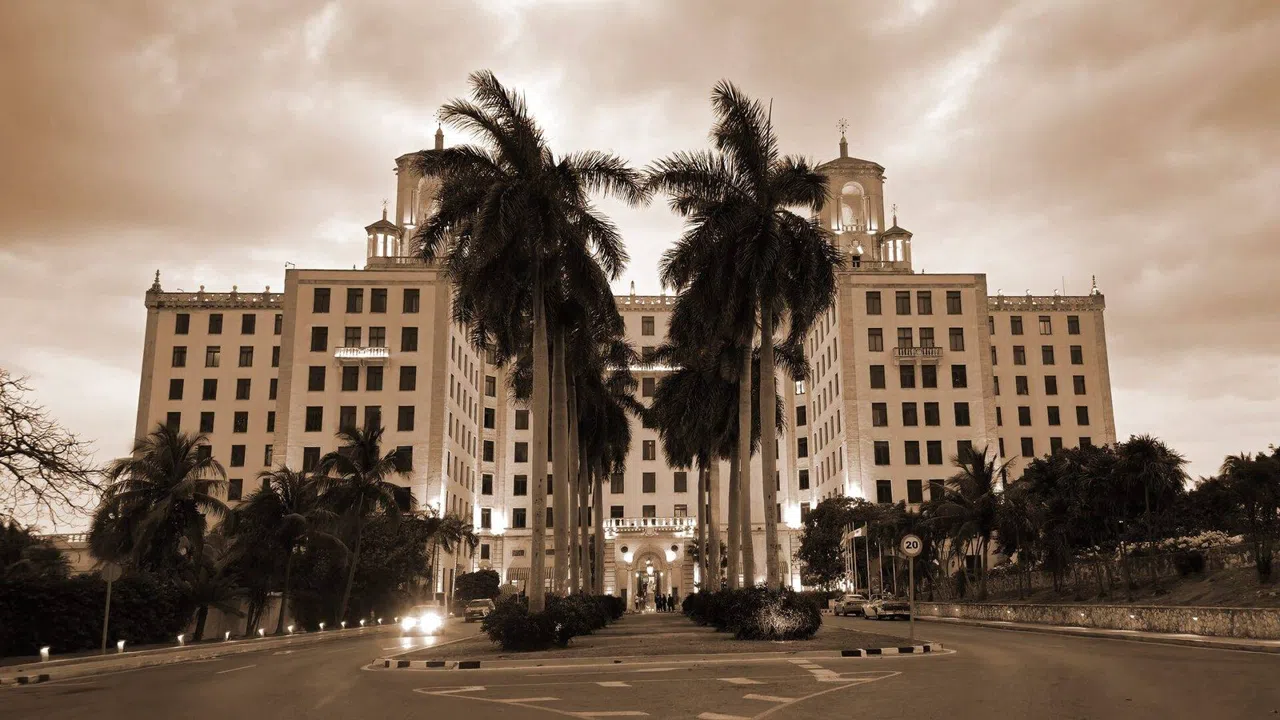
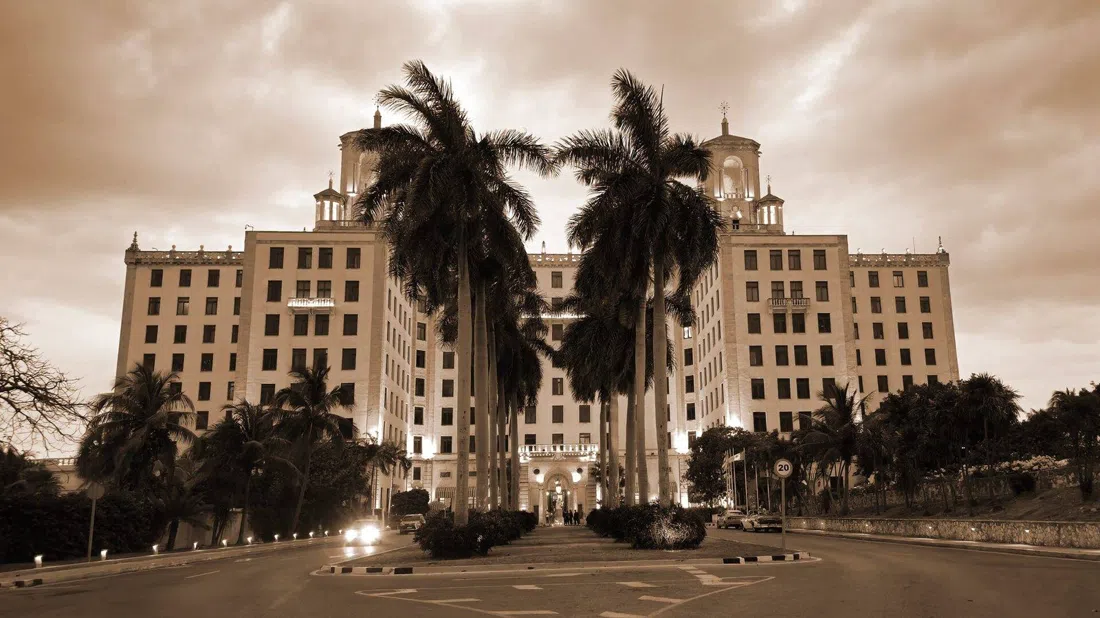
Hotel Nacional de Cuba (Vedado, on the cliff where the Malecon bends) is the obvious one. It sits on the official operating list, it runs backup generation, and its garden terrace above the sea is the one classic Havana sundowner that reliably still has light in it. Drinks run roughly $6 to $12; room rates vary enormously depending on how you book, and payment is cash. It takes groups without any fuss, since the terrace has absorbed tour coaches for decades, and there is no door policy to negotiate. If you are travelling as a couple and want the view without the coach-party hour, go before six.
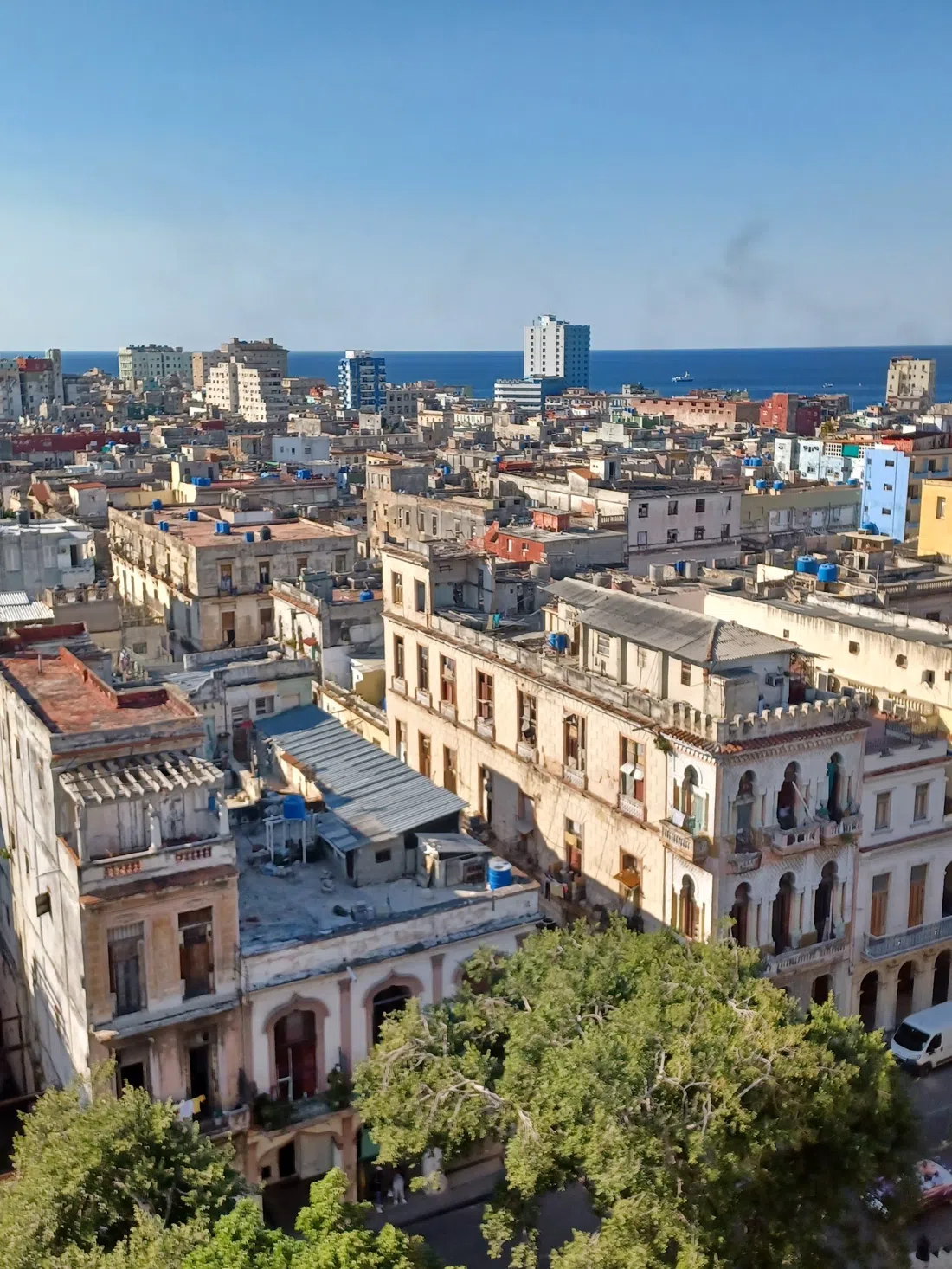
Hotel Parque Central (Old Havana, facing the park it is named for) is the same proposition in the colonial centre, and it is where the rebrand catches people out: it was the Iberostar Parque Central, and since the Iberostar exit it trades under the current name only. Book it under that name or you will not find it. It is listed as operating with its own power and water as of late August 2026. The rooftop pool bar admits non-residents, drinks are around $8 to $14, and it gives you the best free-standing view of the Capitolio dome in the city, better for photographs than anything you will get at street level.
Hotel Cohiba (Vedado, on the seafront) is the former Melia Cohiba, now state-run under the shortened name after the Melia withdrawal. It appears on both the official Cuban list and the lists UK tour operators are using, as a property running independent power and water. It also has the largest conference-grade capacity still functioning in Havana, which makes it the practical choice for anything resembling a group booking. Cash only, and rates sit at the top of the local range.
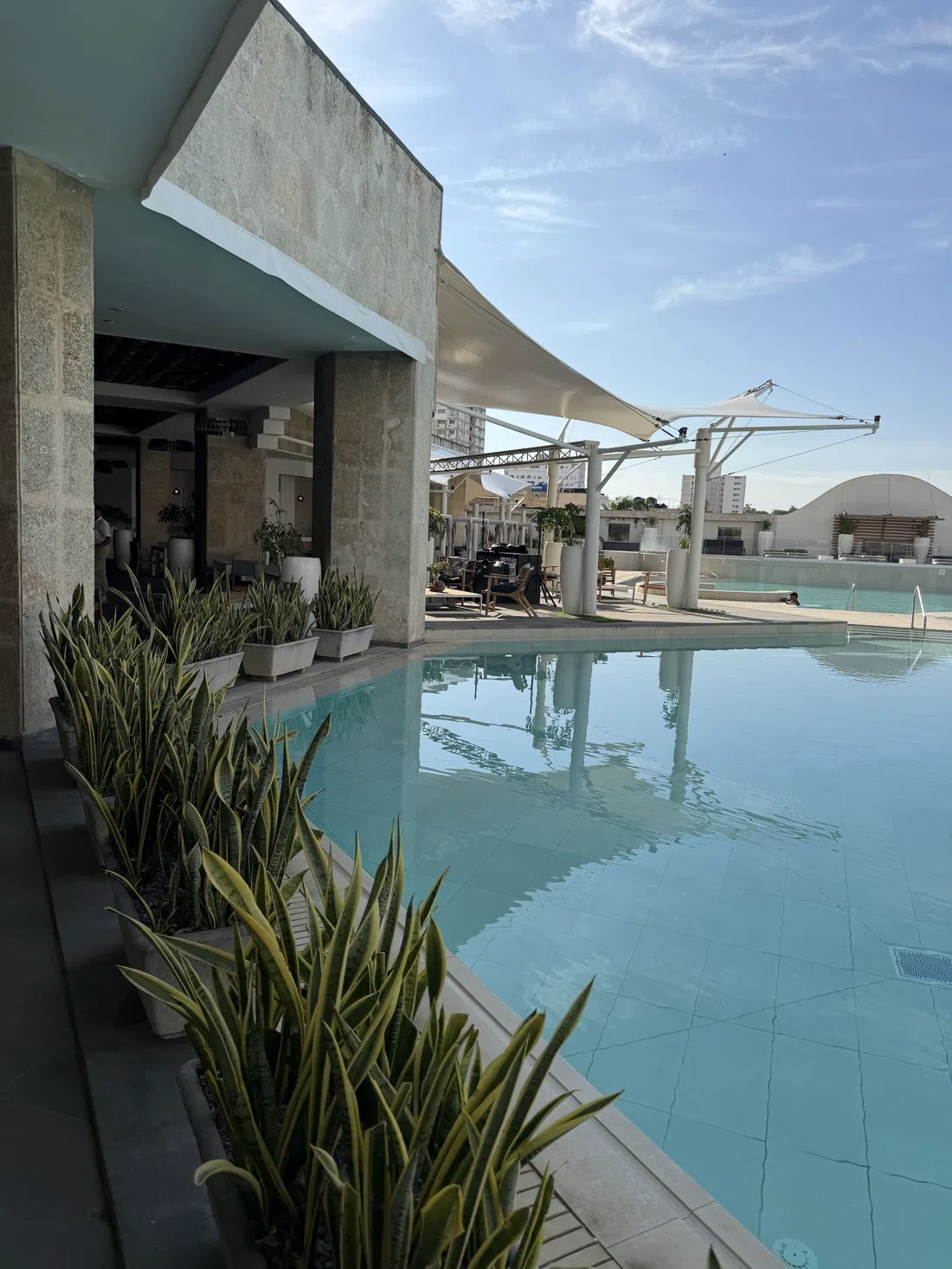
Private rooms in family homes remain the warmer and cheaper option and I would not talk anyone out of one, but understand the trade. A private house is on the same grid as its street, without a generator and often without a rooftop water tank large enough to see out a long cut. You are buying hospitality, not infrastructure. If you want both, split the trip: a few nights in a house, a few in a hotel with a generator, and use the Havana hotel search to see what is actually bookable for your dates rather than what the older listings suggest.
Days that don't need the power on
Build your daylight hours around things that are outdoors or daylit, and the blackouts stop being the story of your trip.
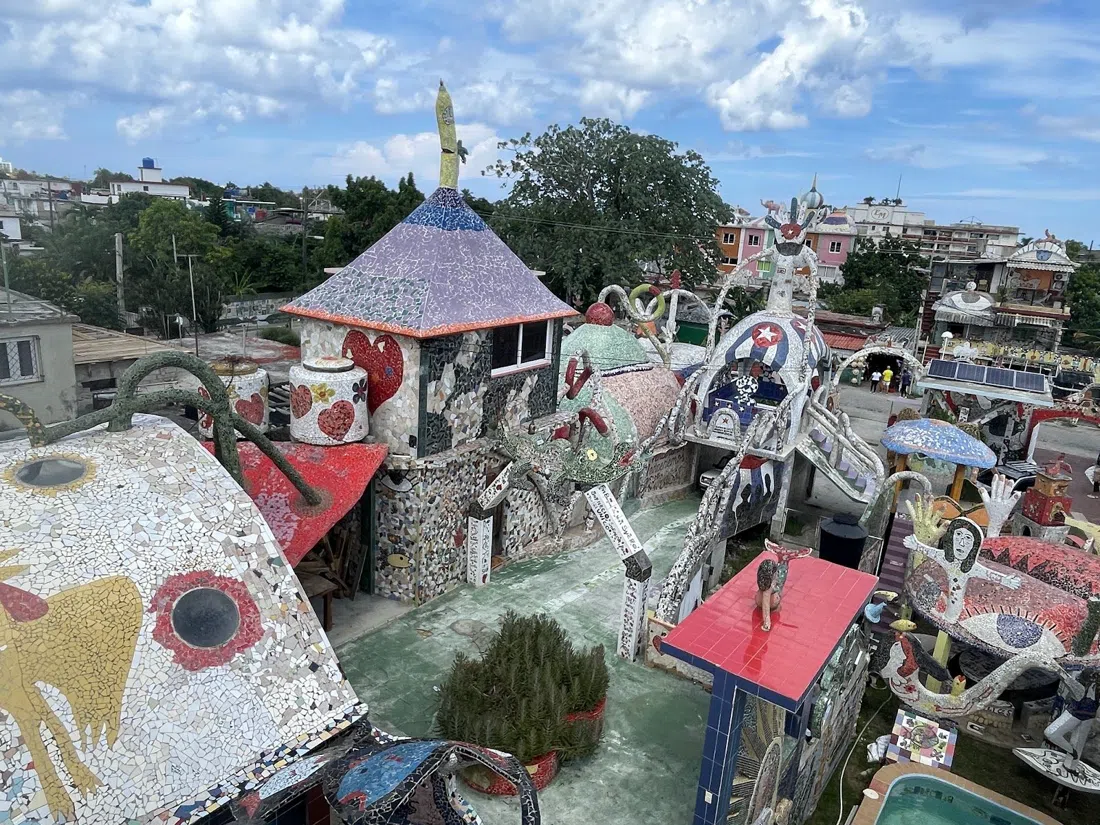
Fusterlandia (Jaimanitas, out west along the coast) is the clearest example of the principle. It is an inhabited quarter rather than a park or a gallery: Jose Fuster's mosaic has spread across more than eighty homes, with the artist's own studio at the centre. It does not close in any conventional sense, though the studio and the tile sellers wind down around five. Entry is free, groups are welcome and nobody is policing the door; bring cash if you want tiles or prints, because you will.
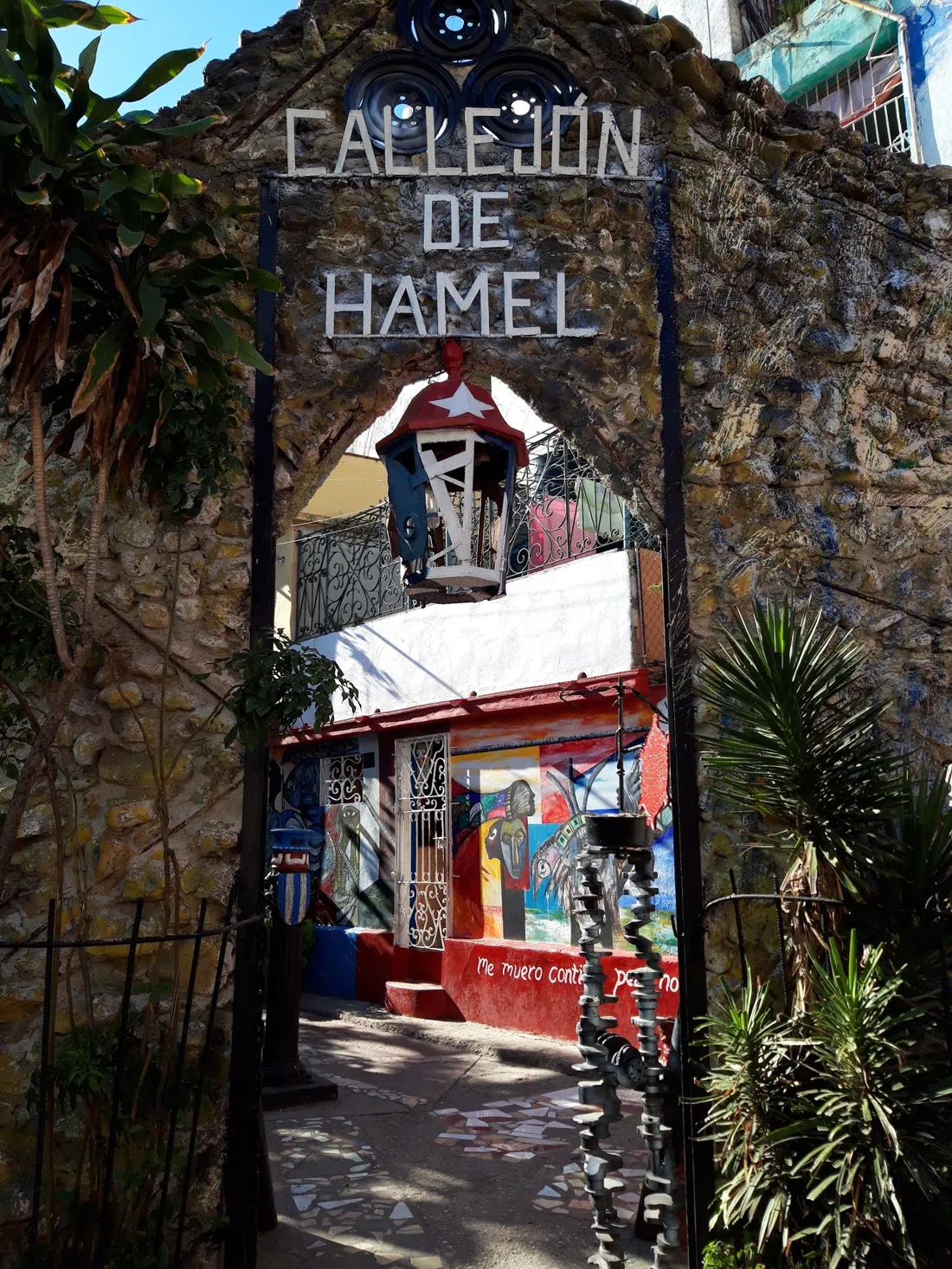
Callejon de Hamel (Cayo Hueso, Central Havana) is a short, painted alley that becomes something else entirely on Sunday, when the rumba starts at noon. It is community-run rather than state-programmed, which is why it has come through the downturn intact; it was confirmed still running on evidence refreshed in June 2026. It is free and outdoors and needs nothing from the grid. Tip the musicians; $3 to $5 a head is normal and not optional in spirit. Groups are fine, but by midday Sunday the alley is genuinely packed, so if crowds are not your thing, arrive at 11.30 and stand at the far end.
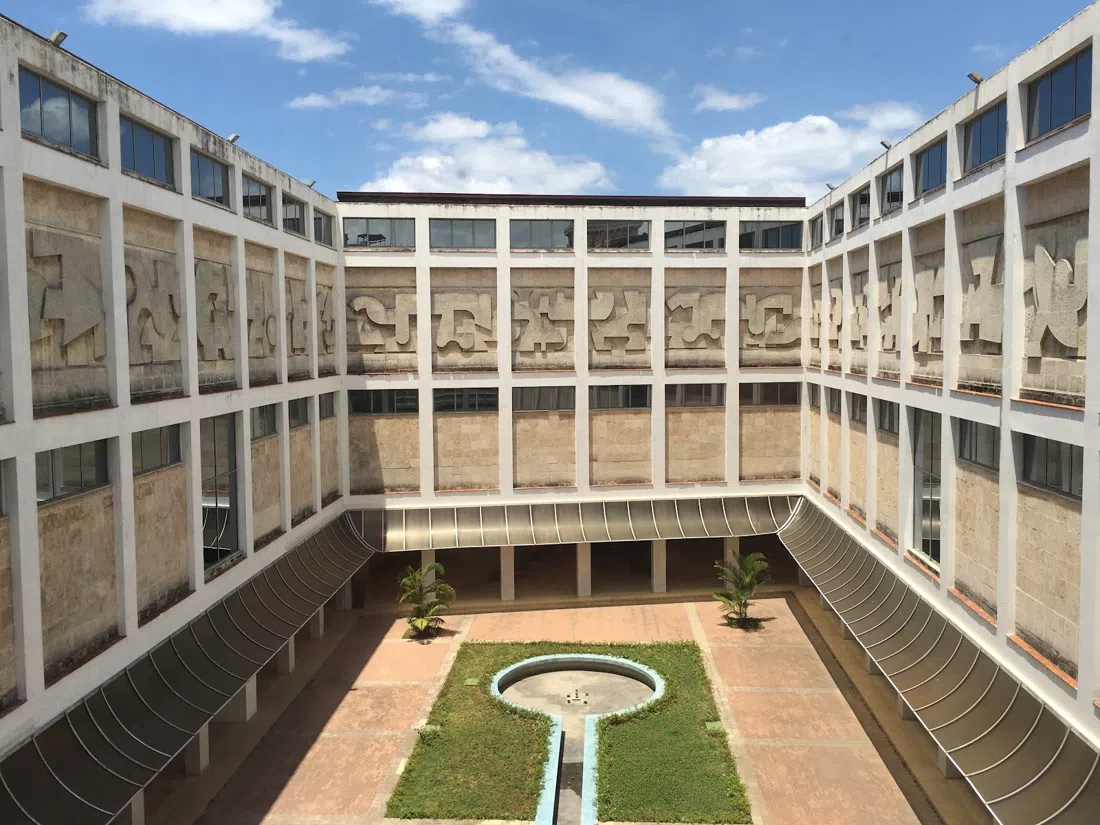
Museo Nacional de Bellas Artes de Cuba (two buildings, both in the old centre) is the one I would protect in any itinerary. The Cuban collection is world class by any standard, not by local standards, and because the galleries are daylit it is the strongest option on a wet day or a long outage. One ticket operator covers both buildings and you can do both in a day if you are disciplined about lunch. Admission is a modest sum in pesos (bring small notes), and guided visits for groups are bookable in advance. Opening hours have been shifting without notice, so check the museum's own site the morning you plan to go rather than the night before.
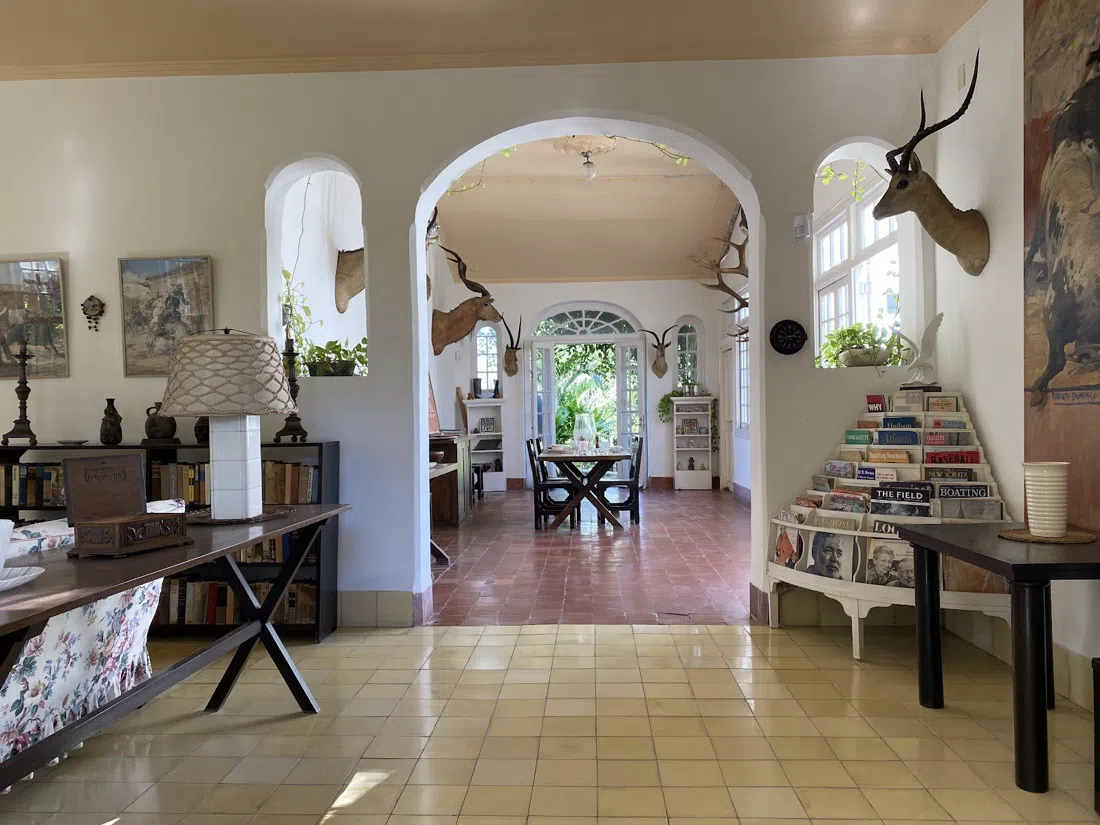
Museo Hemingway Finca Vigia (San Francisco de Paula, about 15km out) is a house you view through its open doors and windows rather than walking through. That is deliberate anti-theft policy, not a sign of closure or decay, and once you know it you stop feeling short-changed. The rooms are left as they were, and the view back over the city from the grounds is the reason to go. Admission is around 125 CUP plus your taxi. The binding constraint is fuel, not the museum: agree a waiting fare with your driver before you set off, and expect to pay for the wait. Coach groups handle it routinely and the grounds swallow numbers easily.
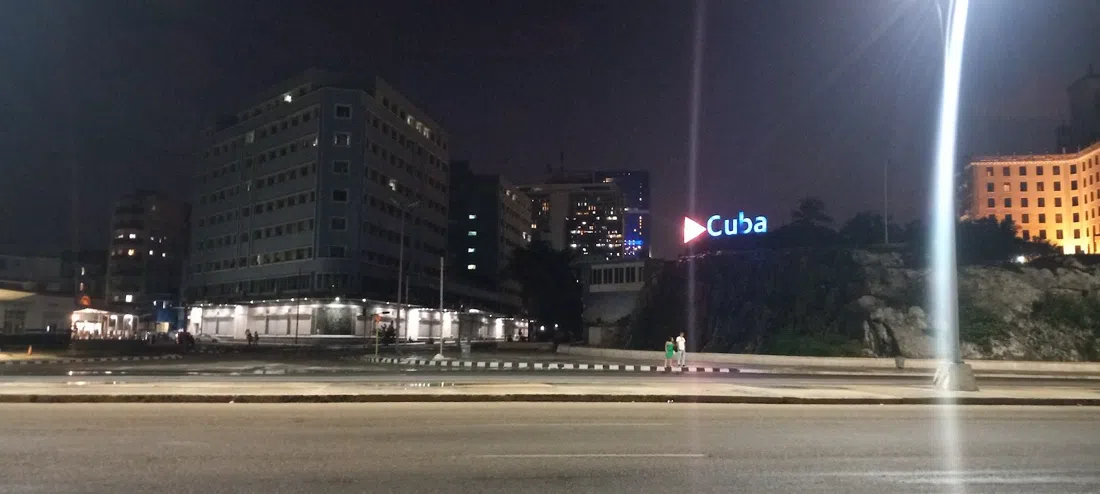
The Malecon (running from the old centre out to Vedado) is the other thing that works regardless. With the grid down for long stretches this is where the city actually goes after dark, and the seawall does the job the bars used to. It is free, it takes any size of group you like, and it is the single best hour of the day for understanding what has happened to Havana. It is also emptier than it has been in living memory.
Eating when the supply chain is thin
Look for scale. Kitchens with several rooms, their own bakery or their own backup tend to keep serving through cuts that shut smaller places for the evening.
El Biky (Centro Habana) is the most reliable meal in the city for exactly that reason. Bakery, cafe, bar and an upstairs restaurant under one roof, running all day, with enough floorplate to seat a group without notice, which is rare here. Most dishes land between $6 and $15. If a day goes sideways and you need somewhere that is simply open, this is the answer.
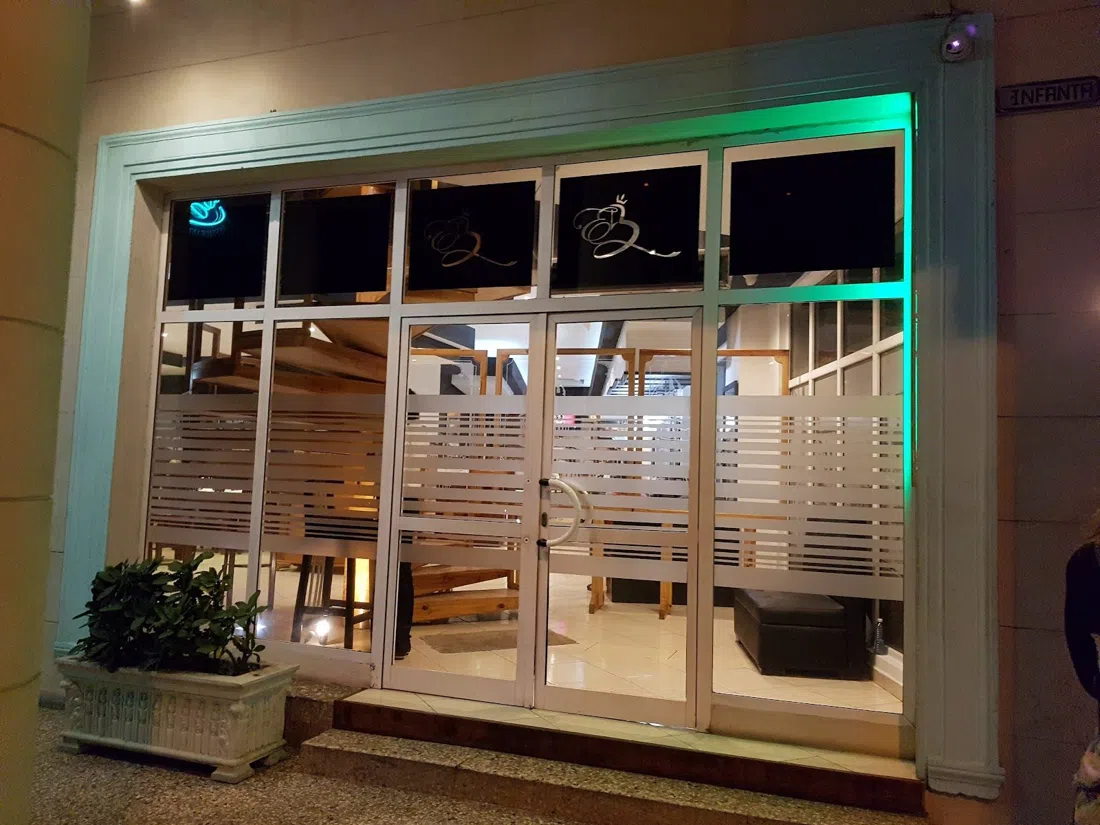
La Guarida (Centro Habana) remains Havana's benchmark private restaurant, trading since 1996 in the building with the Fresa y Chocolate staircase, and current review evidence shows it still working with no closure signal. Mains run roughly $18 to $30. Two practical points. Its own website was returning errors on the day I checked, so confirm by phone before you cross town. The rooms are also small and spread over several floors, so it takes groups only by advance arrangement, and a large party turning up unannounced will be turned away politely and firmly. For two people it is still the best dinner in the city.
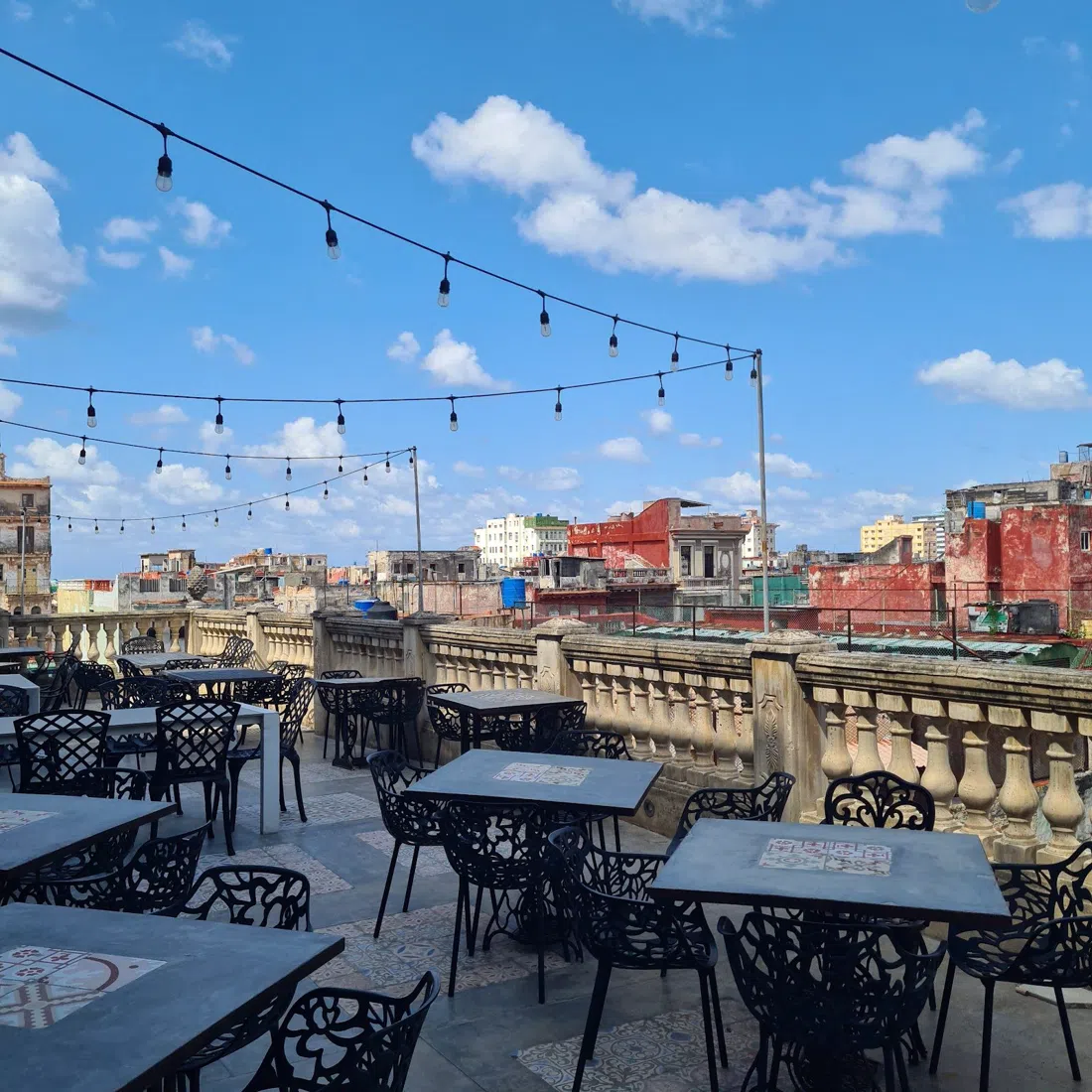
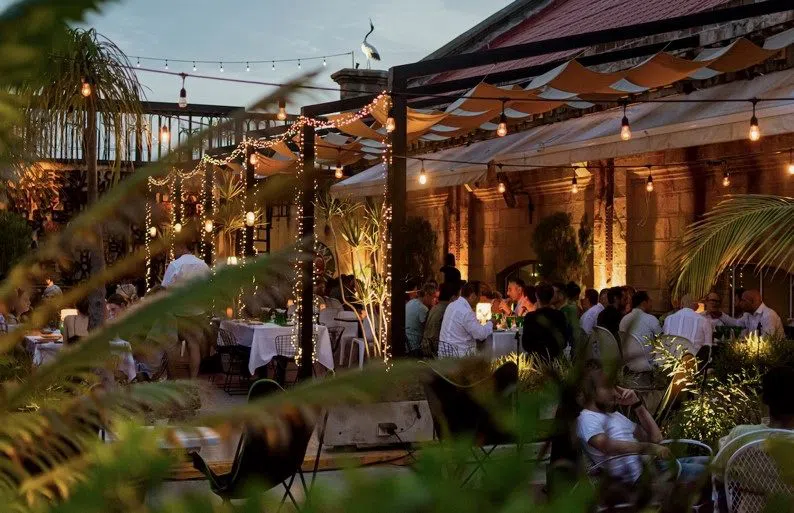
El Cocinero (Vedado) has a rooftop terrace that handles groups well, with mains around $12 to $22, and it was still listed as trading through August 2026. It now carries this block on its own: the Fabrica de Arte Cubano next door, which used to be the reason people came to this corner, closed in June 2026. Plan the evening around dinner rather than around what follows it, and book ahead for anything over six.
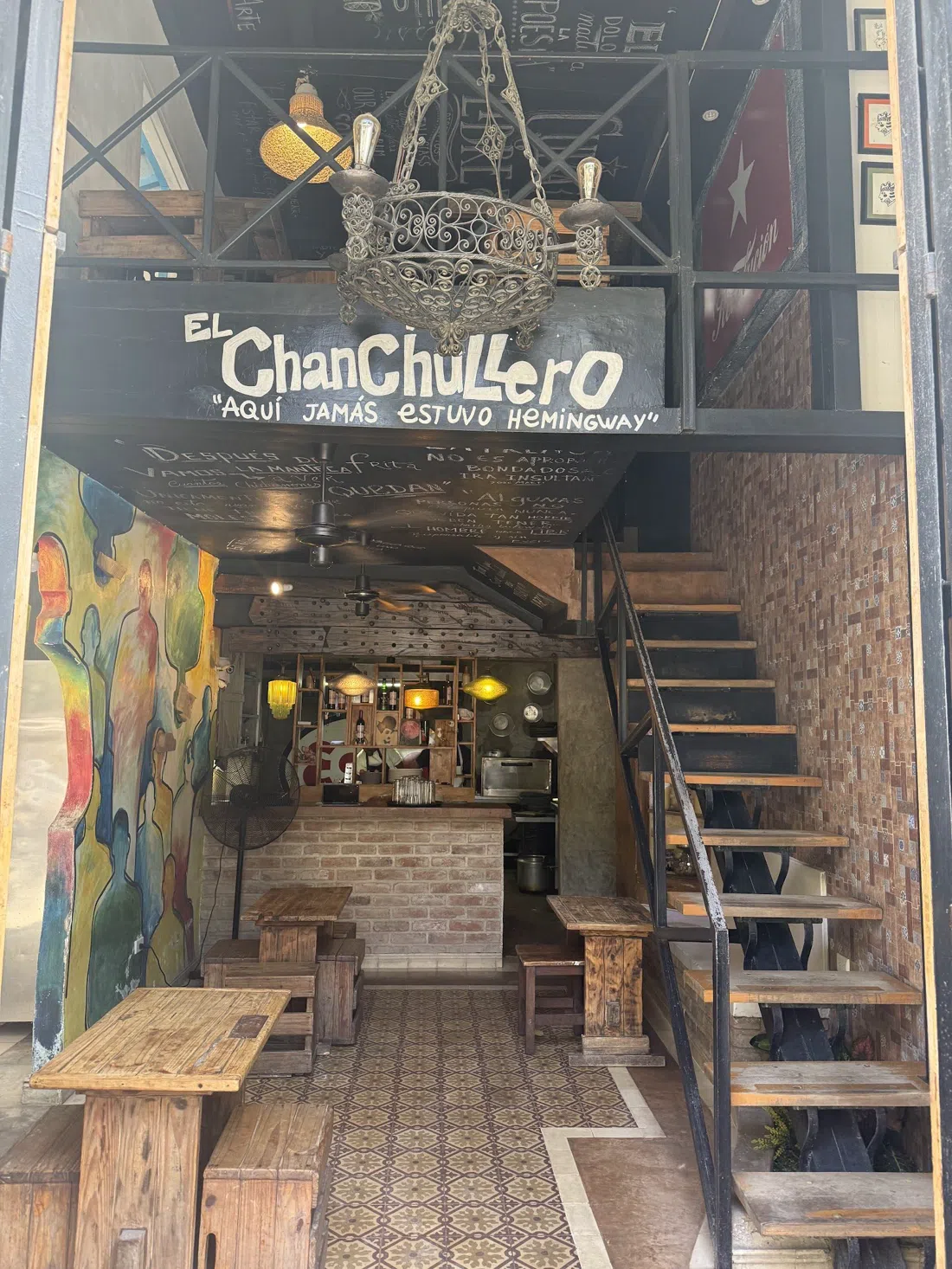
El Chanchullero (Old Havana, on Plaza del Cristo) is the honest cheap counterweight to the Hemingway trail and makes its own joke about it. Dishes are $4 to $9, which is the best value eating and drinking in the old centre. It is very small and queues form, so a party over four will either wait or split across tables. Its current status rests on an active social presence rather than a news source, so treat it as likely-open rather than certain; El Dandy on the same square is the obvious fallback if the shutter is down.
What is still on after dark
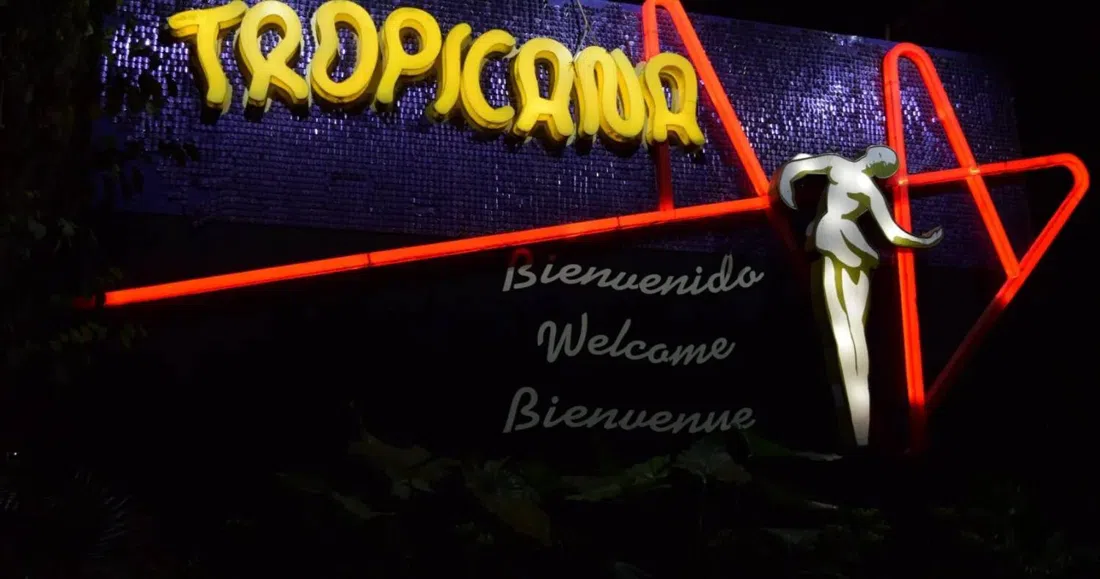
Tropicana (Marianao) has been running since 1939 and refreshed its ticketing information in June 2026. Being open-air and generator-backed, it is less exposed to blackouts than any indoor room in the city, which is a genuine argument for it beyond the spectacle. Tickets are $85 to $150 depending on seat category, tiered tables and coach transfers are standard, and it is built for groups in a way almost nothing else here is. The 10pm start is the catch: arrange your ride home before you go in, because finding one at one in the morning on an unlit street is not a plan.
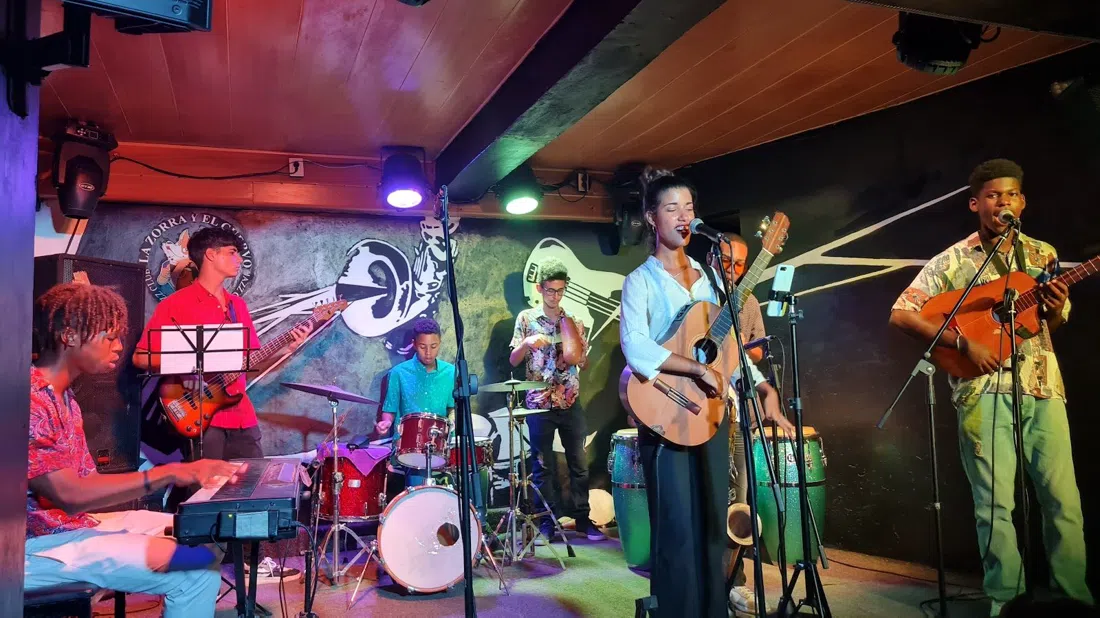
La Zorra y el Cuervo (Vedado, on La Rampa) is the serious jazz room, and a scheduled venue for the January and February 2026 Havana Jazz Festival edition. The cover is around $10 including a drink. The basement is tiny, there are no reservations for large parties, and sets start late, so come in a small group, arrive early, and accept that the room depends on mains power. Treat the night the way you would treat weather and have a second option, which on this side of town usually means dinner running long or the seawall.
Getting around, and the fuel problem
NostalgiCar (Vedado) is owner-run by Julio and Nidialys and still operating, with restored American cars at roughly $30 to $50 an hour per car, four or five passengers each, and multi-car convoys for groups by arrangement. It is also the most fuel-exposed thing in this piece: the 2026 shortage has grounded much of Havana's private classic fleet, so book well ahead and reconfirm the day before. When it runs, an hour along the coast is the best money you will spend here.
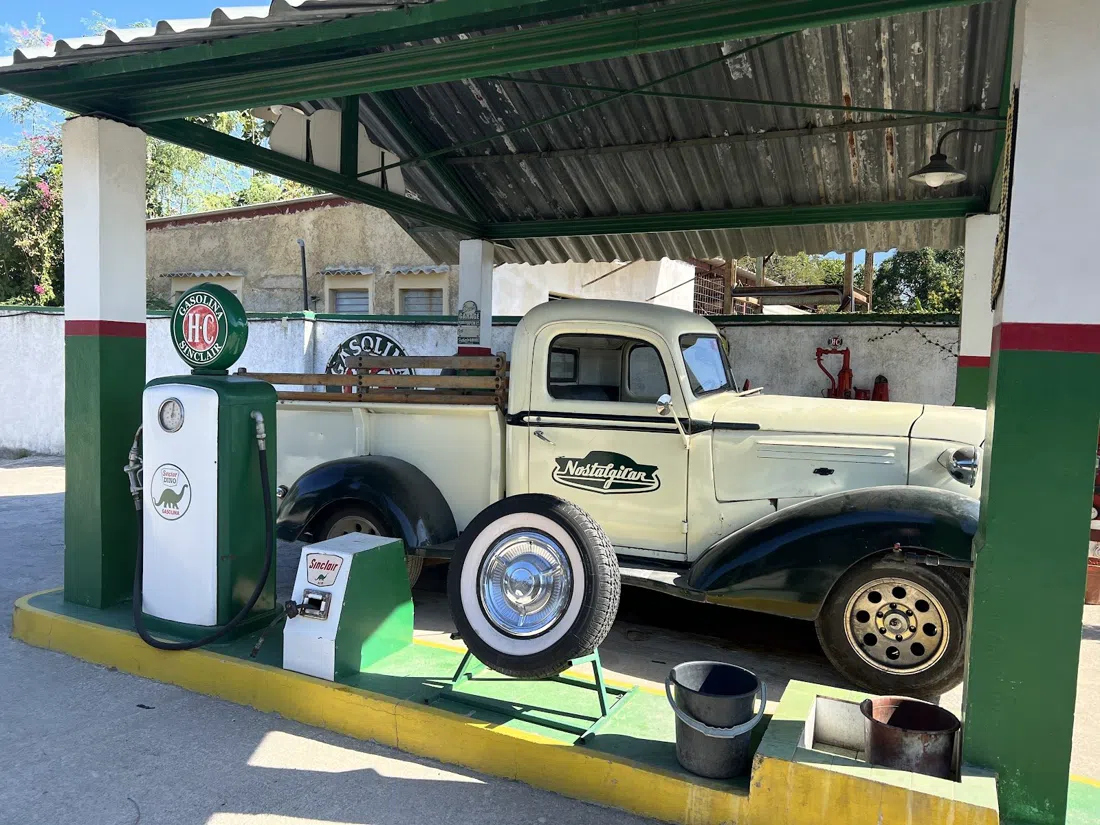
Otherwise: agree every taxi fare before you get in, there are no ride-hailing apps, and journeys out of the centre are priced by the driver's fuel anxiety as much as by distance. Walking the old centre and Centro Habana is straightforward in daylight and perfectly normal after dark on the main arteries, though unlit side streets are genuinely dark, so carry a torch, not just a phone.
Practical notes
Bring all your money in cash, in euros or dollars, in a mix of denominations. Cards issued by US banks do not function in Cuba at all, and cards from elsewhere work unpredictably enough that no sensible plan depends on them. Several places above are explicitly cash-only, including two of the three hotels. Keep small peso notes separately for museum admissions and tips.
Assume several hours without power and water every day, and pack accordingly: a power bank big enough for two days, a head torch, and a refillable bottle. Shower when the water is on rather than when you feel like it. That one habit removes most of the daily frustration.
On timing, November to March is drier and cooler and is when the city is at its most liveable; the jazz festival falls in January and February. Sunday is fixed by the rumba at noon. Keep one flexible daylight slot for the Bellas Artes on whichever day the hours line up.
A rough day in the middle costs $25 to $40 on food across two decent meals, $10 to $25 on drinks and $20 to $40 on taxis, plus the one-off costs: the cabaret at $85 to $150, a classic car hour at $30 to $50, museums for a few dollars. Accommodation is the variable, and the generator premium is worth paying for at least part of the stay.
Havana rewards travellers who arrive curious and keep the itinerary loose, and punishes those who arrive with a schedule. Right now it is emptier, cheaper in real terms and more welcoming than it has been in years, and the things that made it worth the journey (the light on the seawall, the painting, the music that happens in the street because it cannot happen indoors) are the things that do not need the power to be on. For the wider picture of how the city fits together before you book, the Havana guide is the place to start.