Havana专刊
How to walk Cayo Hueso, Havana's rumba barrio
One walk through Cayo Hueso takes in Sunday rumba at Callejón de Hamel, a 1665 watchtower on the Malecón and the quarry where a teenage José Martí was shackled.
作者:Oliver NashReading Havana barrio by barrio
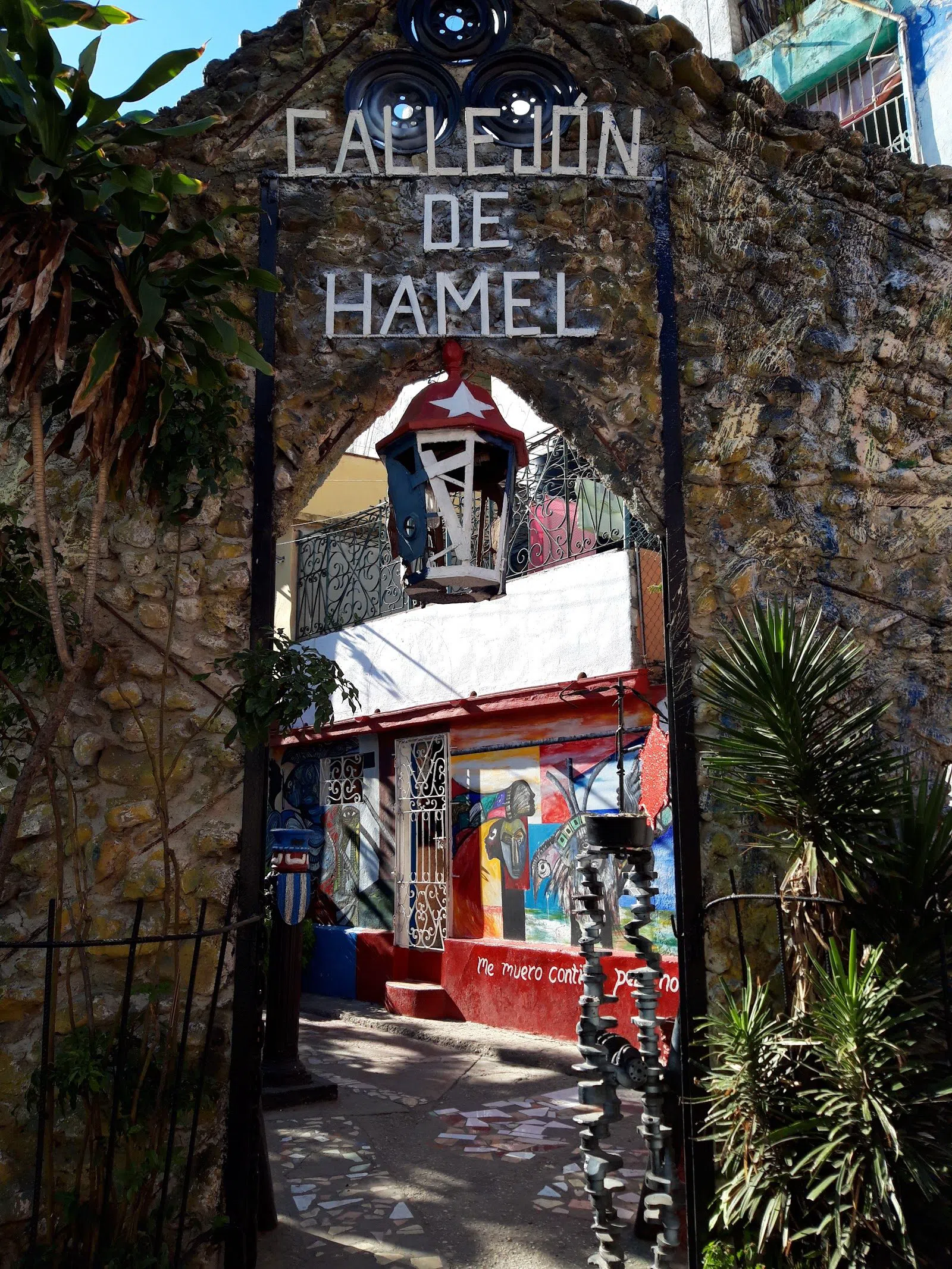
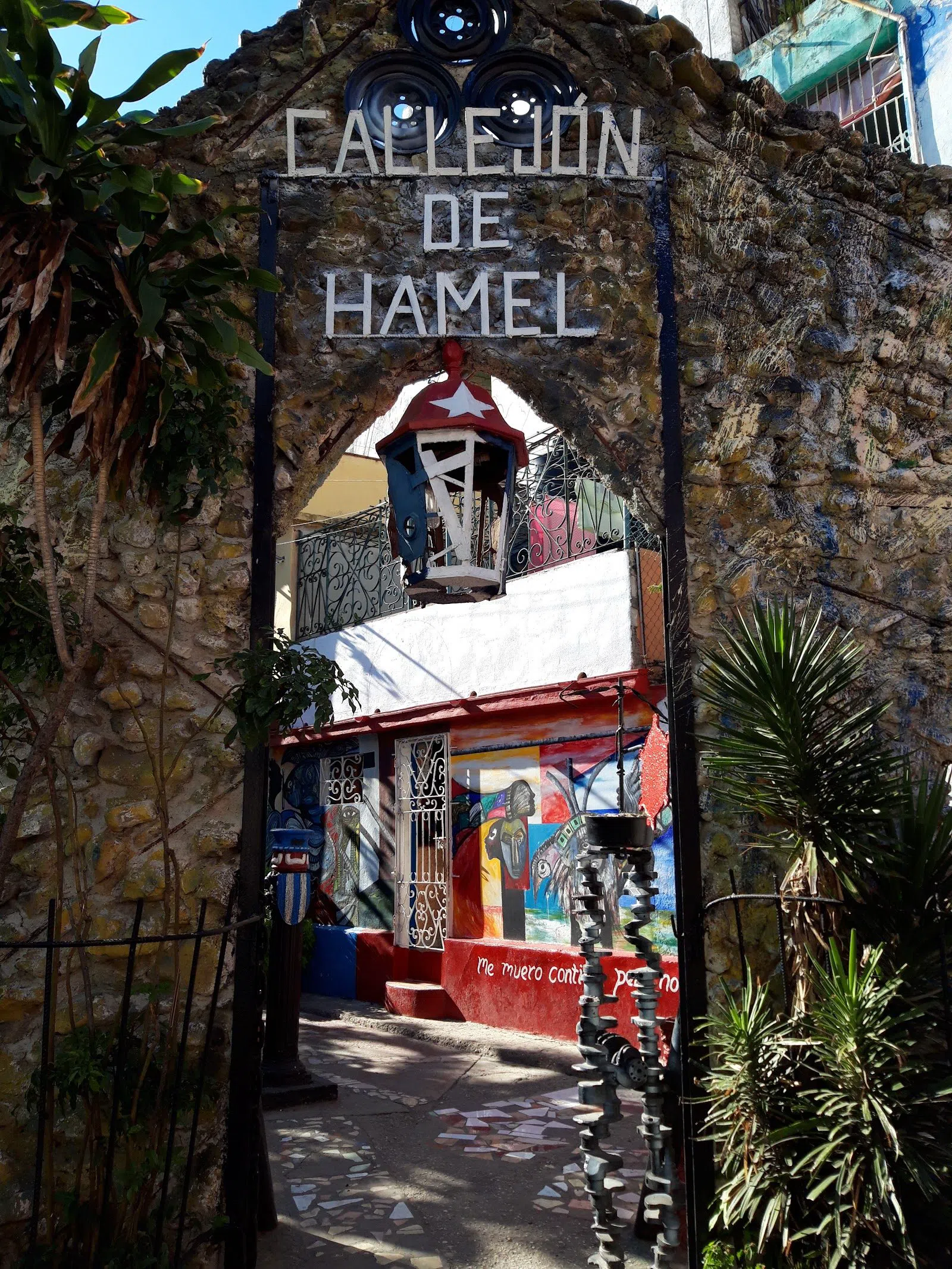
Every Sunday at noon, conga drummers set up in Callejón de Hamel (off San Lázaro, between Aramburu and Hospital) and the crowd packs in shoulder to shoulder around them. The alley is why most visitors come to Cayo Hueso. The Malecón is the barrio's northern edge, and the stone watchtower in Parque Antonio Maceo (on the Malecón) has stood there since 1665.
Parque Antonio Maceo and the Torreón de San Lázaro
The park is open seafront ground, free and unrestricted, and walking groups enter Cayo Hueso here. A huge bronze Maceo rears on a marble plinth above a broad esplanade; the monument went up in 1916. The esplanade is the standard photo point before anyone turns inland.
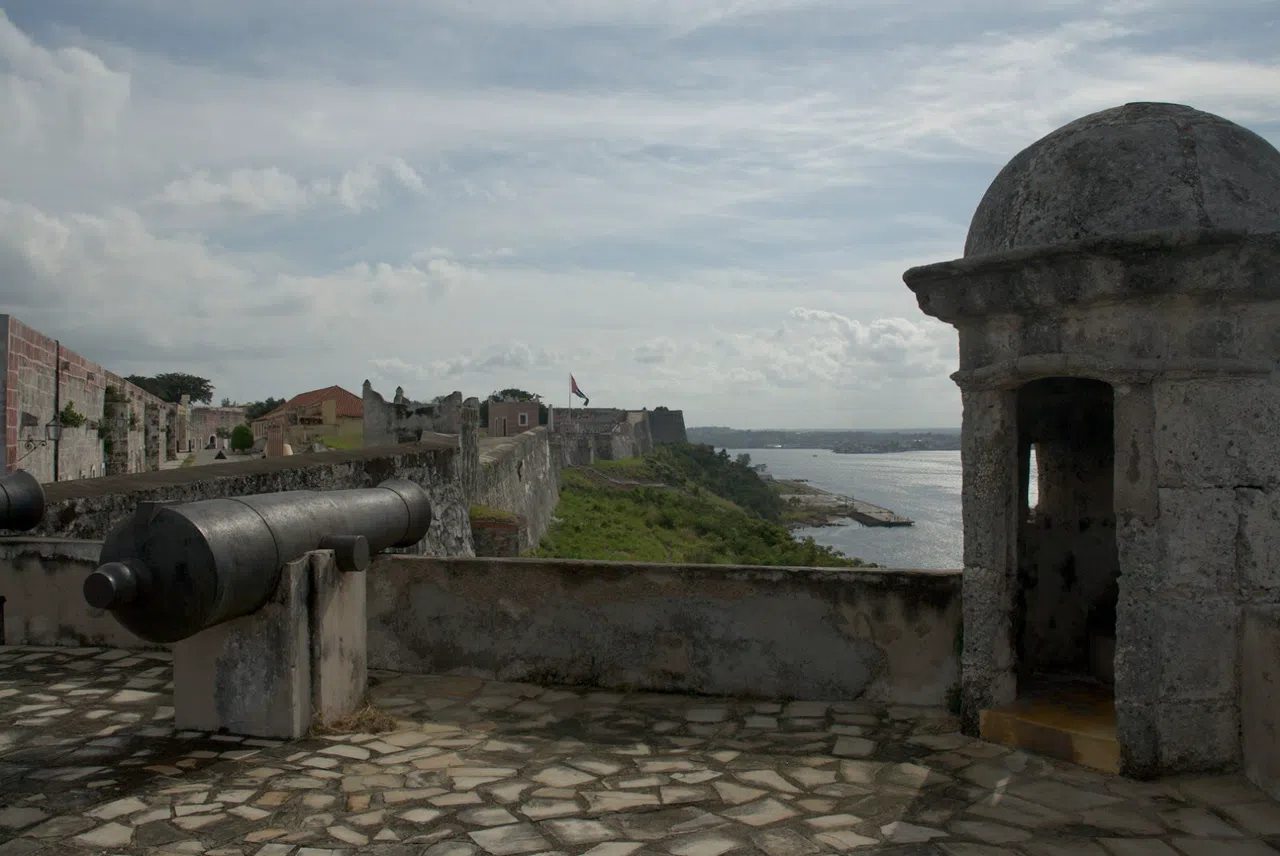
The Torreón de San Lázaro is in the same park: a stubby round stone turret 9m high, with battlements and gun embrasures. It dates from 1665, which makes it the oldest structure in the neighbourhood, and it is part of the Old Havana UNESCO inscription. Waves break on the seawall behind it.
San Lázaro carries most of the addresses that follow, the alley included.
规划您的Havana之旅
实时价格,来自我们的预订合作伙伴。
许多客房可免费取消。您预订时,我们可能会获得佣金。
Callejón de Hamel on a Sunday
Salvador González Escalona started the alley in 1990. He died in 2021, and the community project and the Sunday-noon rumba both continue. Every wall of the narrow two-block alley is painted floor to roofline in ochre, cobalt and blood-red Yoruba symbolism, and sculptures welded from bathtubs, bicycle parts and old pumps hang overhead.
Entry is free and nobody works a door. Tip the drummers 200 to 500 CUP. By noon the alley is wall to wall, and a group of more than eight should arrive by 11:30 to get standing room.
This is a working alley and the hustle comes with it. Agree the fee with anyone who offers to guide you before you start walking.
Parque Trillo and El Palacio de la Rumba
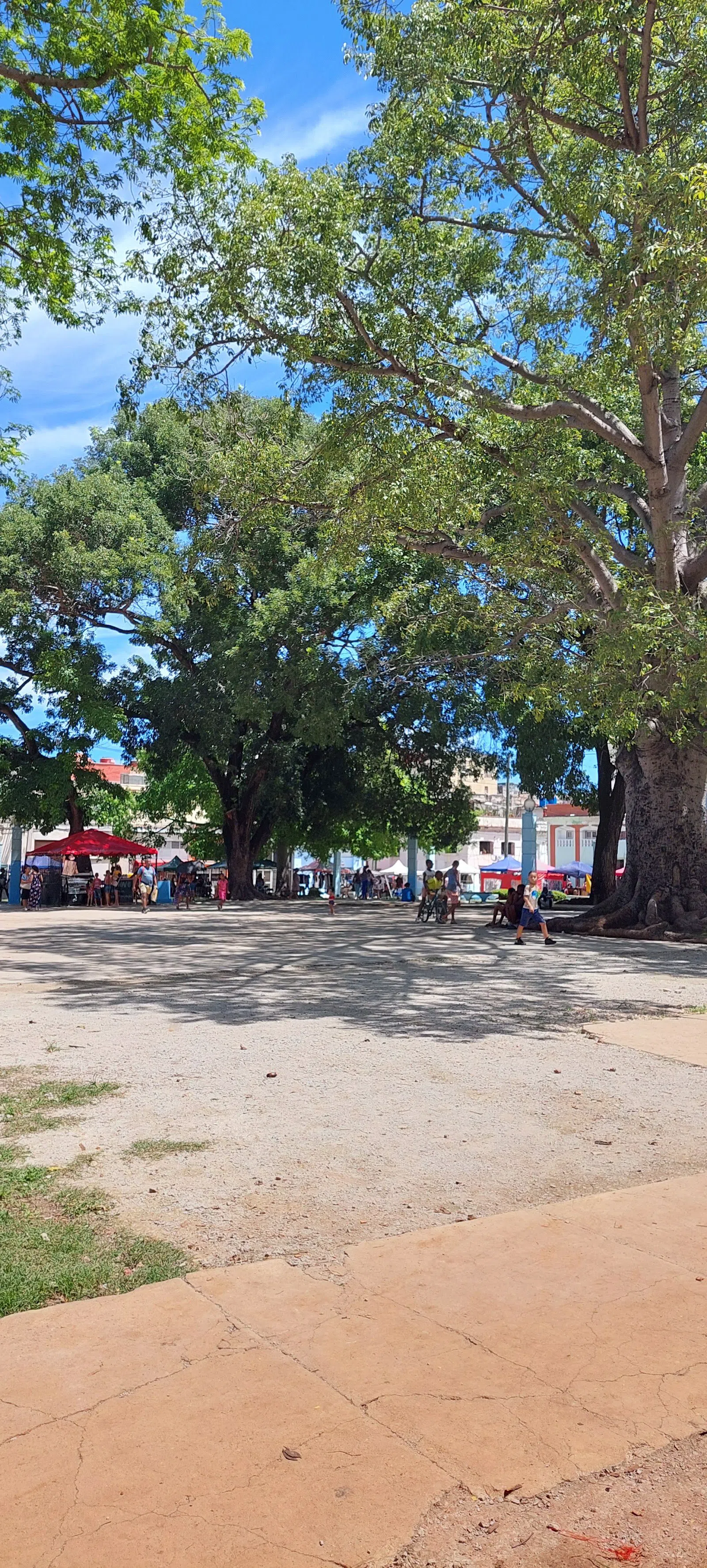
Parque Trillo (bounded by San Rafael, San Miguel, Aramburu and Hospital) is the social centre of Cayo Hueso and one of Havana's oldest wooded squares. Mature trees shade a dusty square with the bronze bust of the Afro-Cuban general Quintín Bandera at its centre. Domino tables and kids' football take the edges, and tenement balconies with washing out line all four sides. Visit in daylight.
Residents filed public complaints in August 2026 about uncollected rubbish piling up in the park. The sanitation problem comes and goes.
El Palacio de la Rumba is on the edge of the same square and has run there since 2009. It does indoors what Hamel does in the street: an air-conditioned hall for 200, the low stage crowded with tumbadoras and cajones, dancers working the floor directly in front of the drummers. UNESCO listed rumba in 2016. Prices are $$.
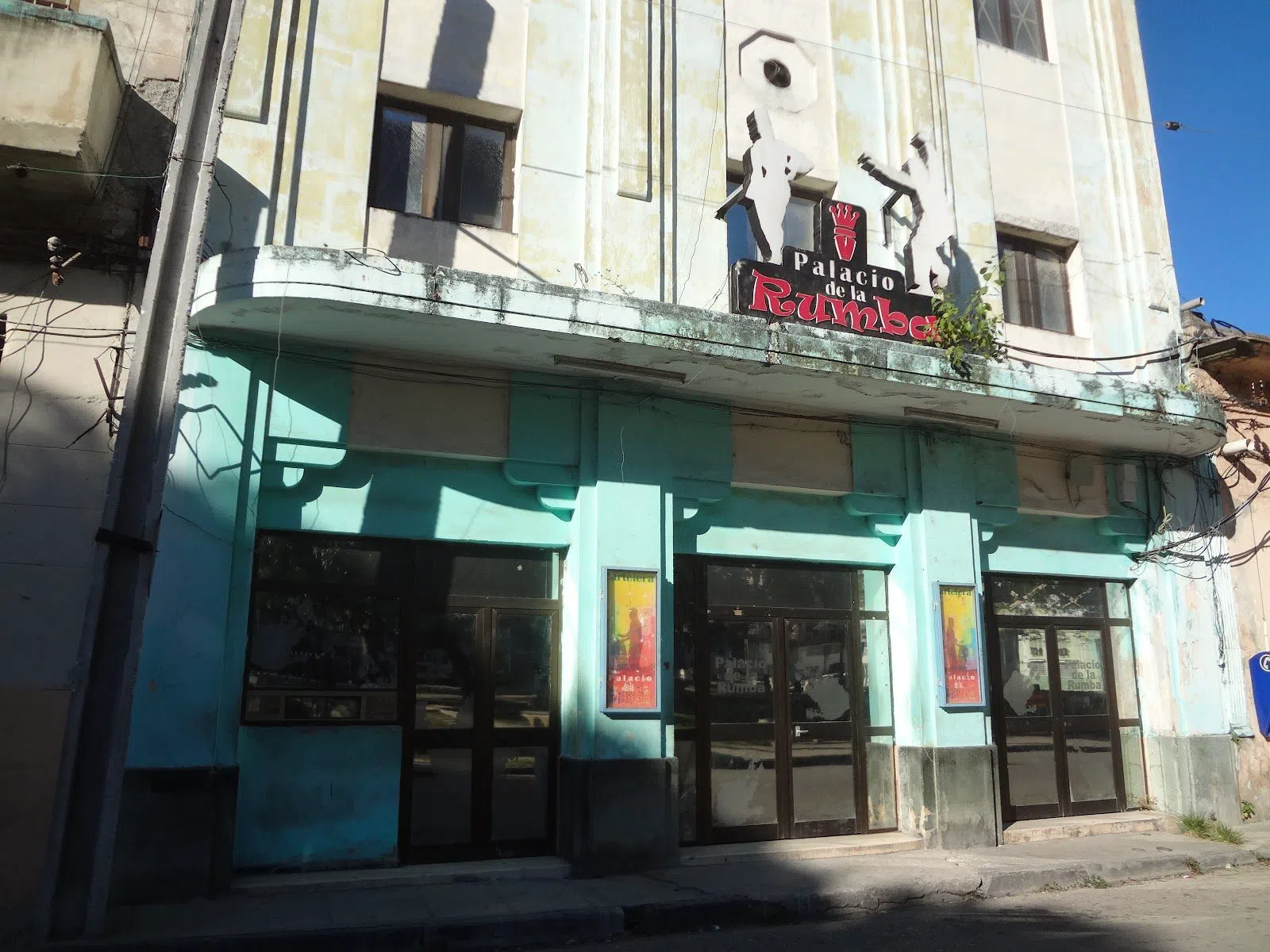
Nights are usually Thursday to Saturday. The programme is irregular, the hours drift, and the hall is sometimes block-booked for festivals. Phone the night before you go.
The quarry behind Museo Fragua Martiana
Museo Fragua Martiana (Hospital and Príncipe) is built on the San Lázaro quarry where a 17-year-old José Martí was worked in leg irons. Behind a modest street building the ground opens into a sunken limestone pit, rough pale rock on every side, with a bronze figure of the shackled teenager standing in the hollow. It is the oldest cultural institution in Cayo Hueso.
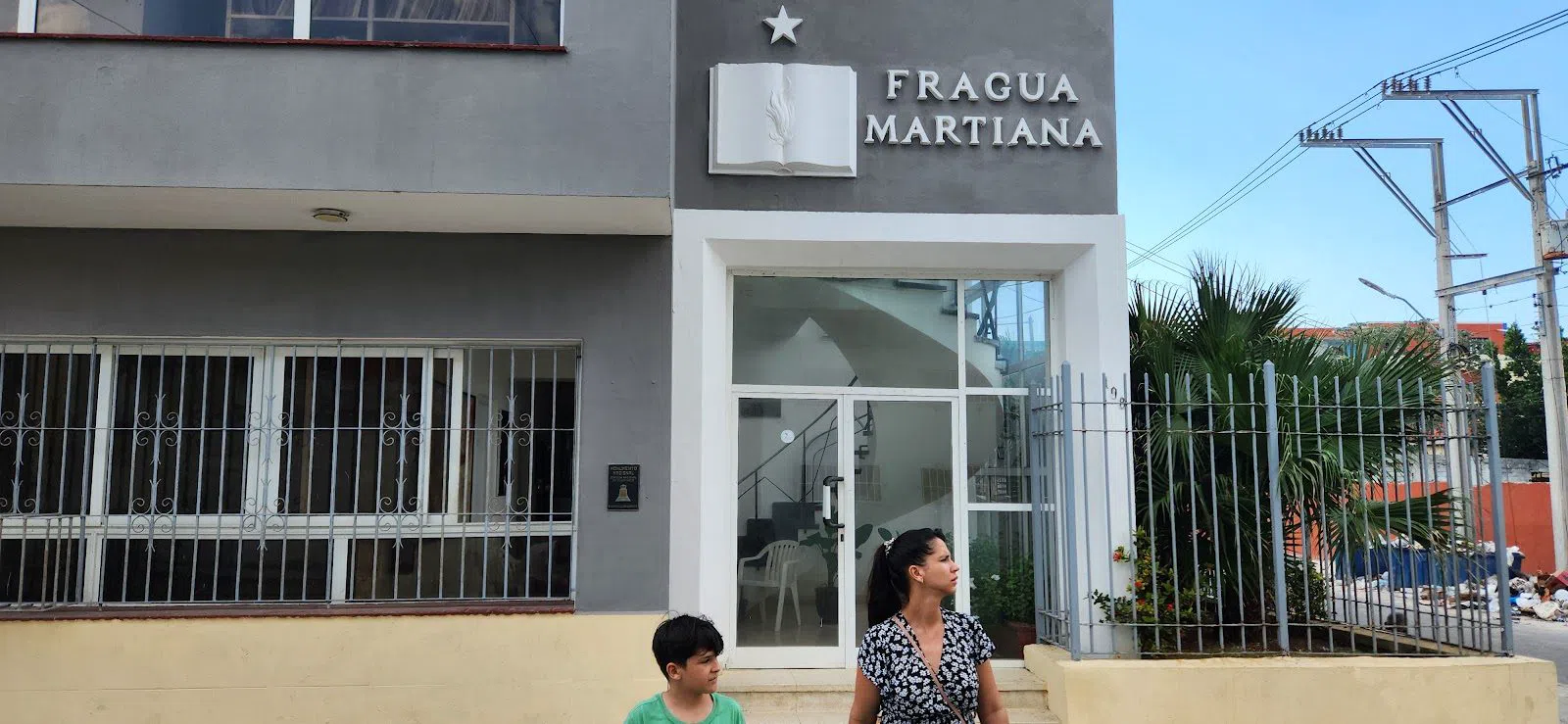
Entry is free, or under 100 CUP. The museum opens on weekdays only and closes Saturday and Sunday. You cannot pair it with the Hamel rumba on one visit, so give the quarry a weekday morning of its own.
Edificio Solimar on Soledad
Edificio Solimar (Soledad at San Lázaro) is the best piece of architecture inside Cayo Hueso. Manuel Copado's seven-storey block went up in 1944 and its whole façade ripples in continuous curved concrete waves, with the sea three blocks north. What read as balconies are continuous access galleries running the full length of each floor.
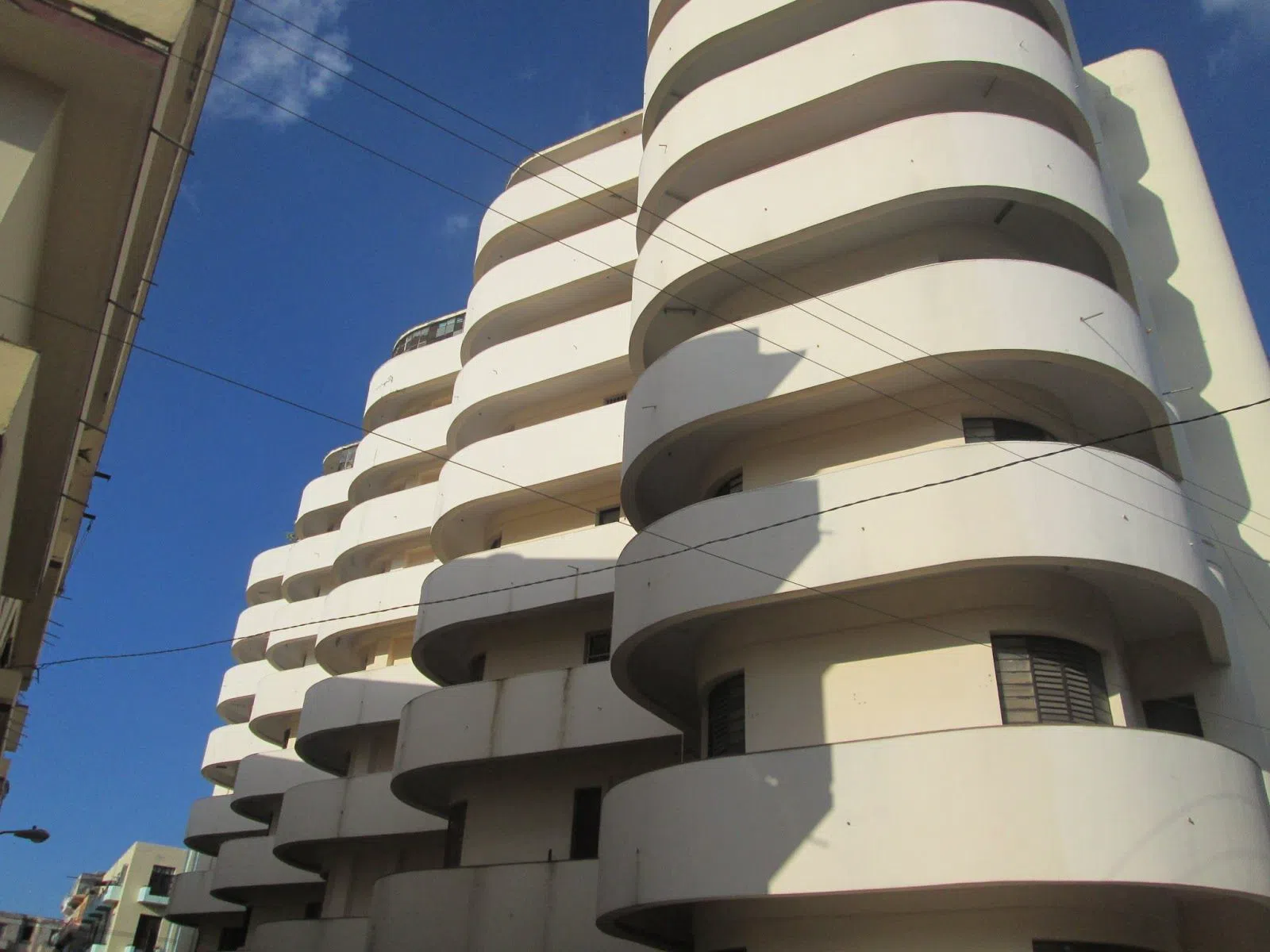
Fifty flats inside are still lived in. Photograph it from the pavement and stay out of the lobby; the building has no interior access.
Iglesia de Nuestra Señora del Carmen
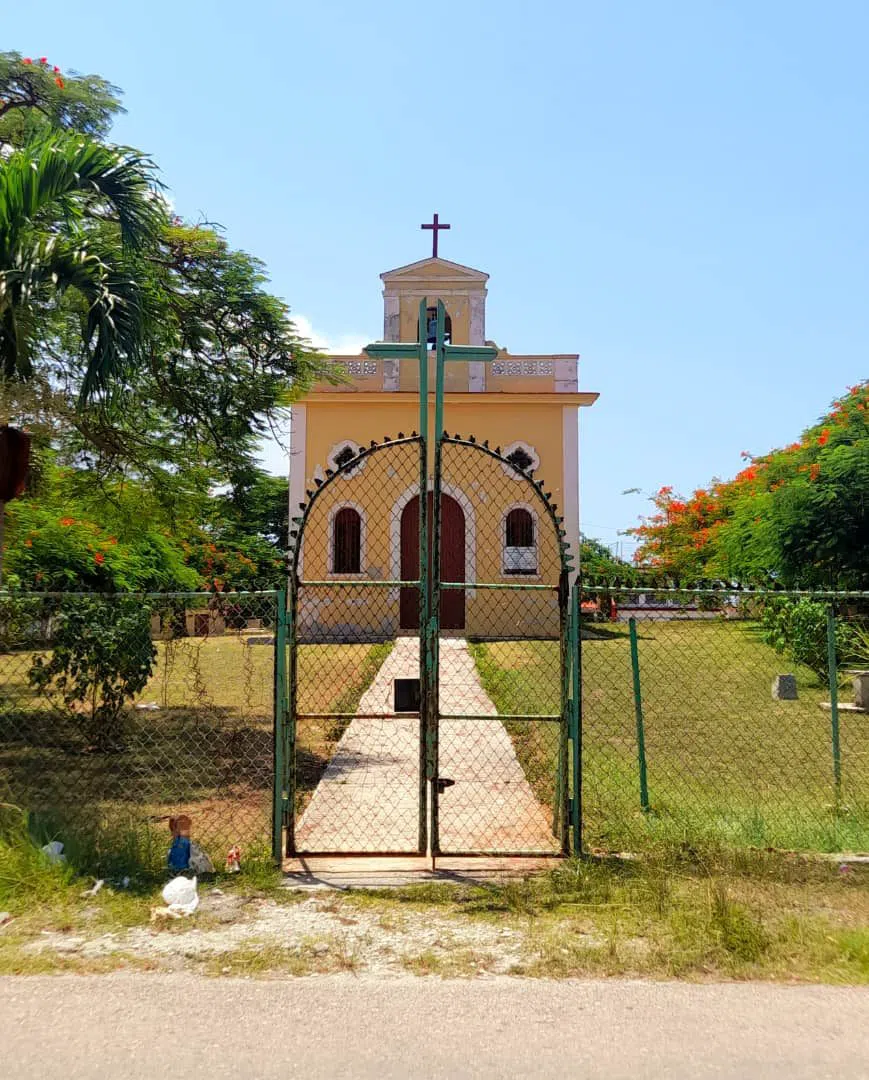
Iglesia de Nuestra Señora del Carmen (Calzada de Infanta, where Neptuno and Concordia converge) is the tallest thing on Cayo Hueso's western edge. The Discalced Carmelites built it between 1923 and 1927, and two unequal eclectic towers carry the front. The central tower rises 35m to glazed tiles and a small dome. The taller bell tower holds a stone Virgin of Carmen, 7.5m high and 9 tonnes, visible for blocks and the barrio's skyline landmark.
Inside, the 19th-century carved Virgin on the main altarpiece and the pulpit of precious hardwood are the draws. Entry is free during opening hours. Keep quiet during Mass and ask before you photograph inside.
Parque de los Mártires Universitarios and El Biky
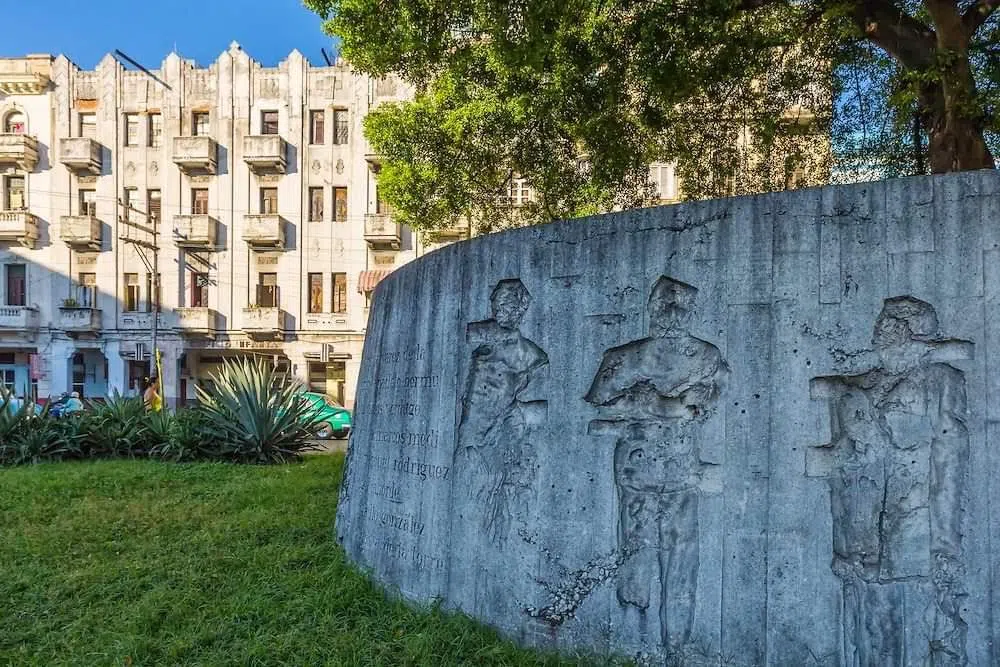
Parque de los Mártires Universitarios (San Lázaro and Infanta) marks the corner where student protests met police guns. Mario Coyula designed it in 1967 and the plaza itself is the memorial: raw white concrete underfoot, concrete abutments scattered across the open ground, and a long board-marked wall carrying imprinted figures and dates in sequence. The University of Havana escalinata rises on the hill directly opposite, one block up. Cayo Hueso meets Vedado at this exact point. The plaza is free and open with no restrictions.
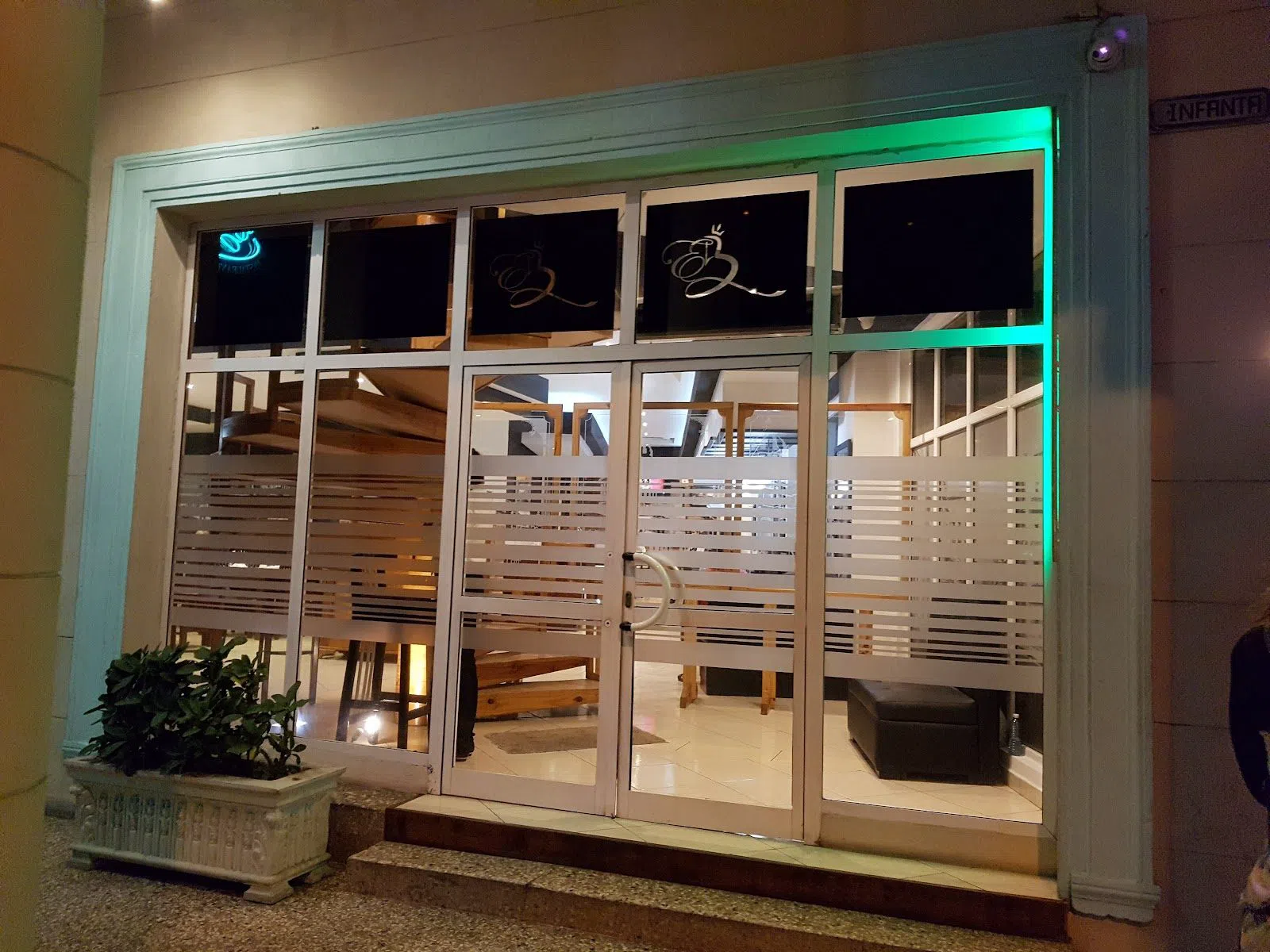
El Biky (Infanta and San Lázaro) faces the plaza across the street and is the dependable sit-down meal on this edge of the barrio. Behind a corner glass frontage there is a bright polished café and a bread-and-pastry counter on the ground floor, with a formal dining room upstairs. Trays of local breads stack behind the counter, and the bakery is the cheapest way in. It opens at 08:00 every day and closes just before midnight. Prices are $$$. Book the upstairs restaurant ahead for a party of more than eight.
XY Bar at Marina and Jovellar
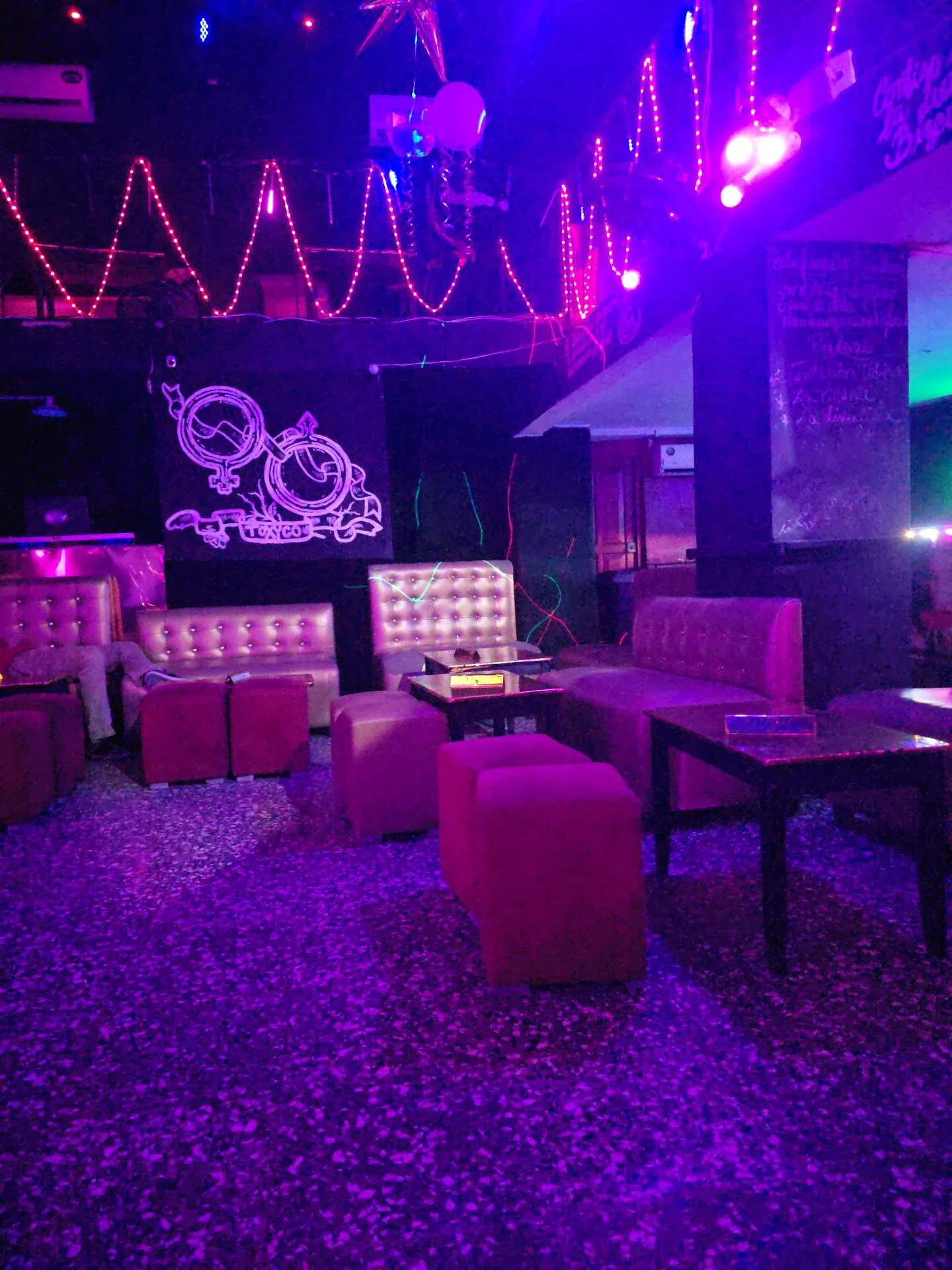
XY Bar (Marina and Jovellar, at the sea end of Cayo Hueso) is the only openly LGBTQ+ venue in the barrio and was formerly Bar Myxto. The door is relaxed and the room is queer-friendly every night of the week. It is small and dim, with a long cocktail list, a fridge of mixed beer brands and alt-rock on the speakers. Prices are $$.
It stays quiet, and it works best as a weekday drink. The Torreón de San Lázaro is two blocks away.
Where to stay inside the barrio
Tribe Caribe Cayo Hueso (Aramburu 253, on the corner of Neptuno) is the one properly designed place to stay in Cayo Hueso. The music producer Andrés Levin runs it from a restored five-storey 1930s eclectic block with 23 narrow private balconies stacked up the façade, original patterned floor tiles, vaulted ceilings and a working antique cage lift. The house has 11 rooms and can be taken over whole. Rates are $$$$, quoted and settled in hard currency.
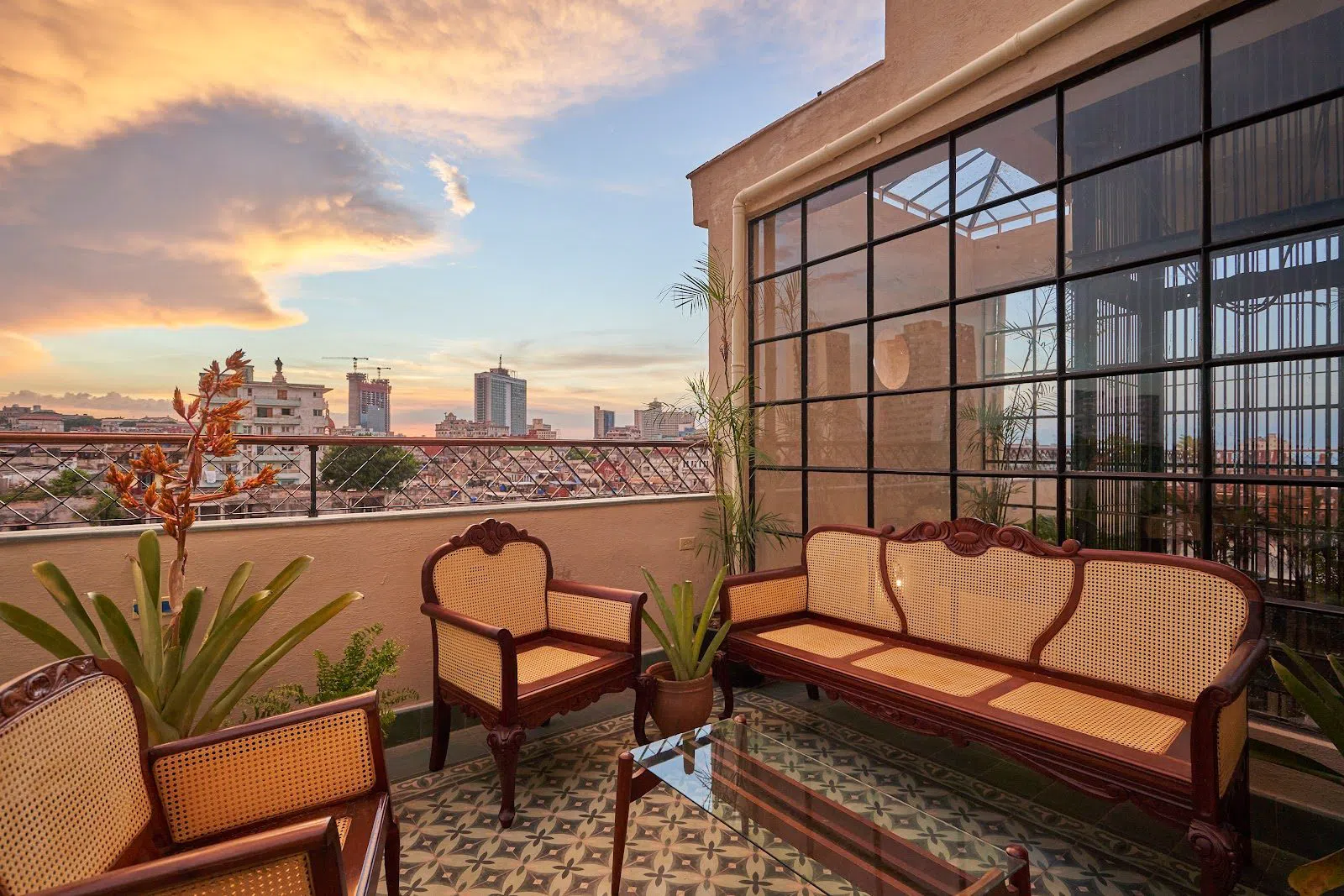
MANTECA, the fourth-floor rooftop terrace, looks across the tenement roofs of the barrio, and street-level Café Neptuno occupies the site of the 1950s Bar Neptuno that Los Zafiros drank in. Both are open to non-residents and both run under the same operator. Treat them as one address, and drink there without staying if you like.
Hotel Boutique Malecón 663 (the Malecón, between Gervasio and Belascoaín) is two minutes east of Parque Antonio Maceo, just over the Belascoaín line from Cayo Hueso. Its fourth-floor terrace is the best rooftop drink within walking distance of the barrio: bold painted colour blocks, a jacuzzi, an uninterrupted horizon of open ocean, live bands playing up there. The inner courtyard lobby bar and the terrace both take walk-in drinkers. The house has four keys and rates are $$$$ in hard currency. For other beds across the city, start with the Havana hotel search.

Opening days, booking and cash
Museo Fragua Martiana opens weekdays only, El Palacio de la Rumba needs a phone call the night before, and both hotels quote and settle in hard currency. See the Havana guide for the rest of the city.
出发之前
When does the rumba happen at Callejón de Hamel?
Sunday at noon. Entry to the alley is free and you tip the drummers 200 to 500 CUP. A group of more than eight should arrive by 11:30 to get standing room.
Do I need a guide for Callejón de Hamel?
No. The alley is free public space with no door policy, so you can walk straight in. It is also a working alley and hustle comes with it, so agree a fee with anyone who offers to guide you before you set off.
Can I visit Museo Fragua Martiana at the weekend?
No. The museum on the old San Lázaro quarry opens weekdays only, so it cannot be combined with the Sunday rumba at Hamel. Entry is free or costs under 100 CUP.
Where is there rumba in Cayo Hueso apart from Sunday?
El Palacio de la Rumba on Parque Trillo, an air-conditioned hall for 200. Nights are usually Thursday to Saturday, but the programme is irregular and the hall is sometimes block-booked for festivals, so phone the night before.
Where can I stay inside Cayo Hueso?
Tribe Caribe Cayo Hueso at Aramburu 253, an 11-room restored 1930s block that can also be taken over whole. Hotel Boutique Malecón 663 has four keys and sits two minutes east of Parque Antonio Maceo. Both quote and settle in hard currency.