Havana travel guides & articles
All 49 in-depth pieces we’ve published on Havana — newest first.
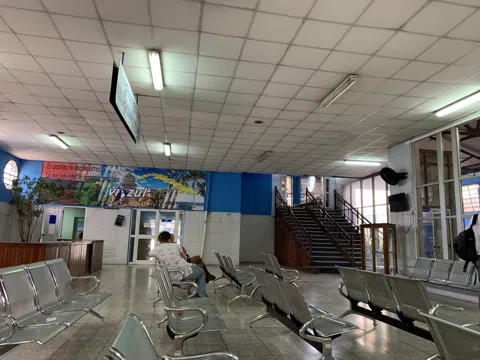
Getting Around Havana Without a Car When Fuel Is Short
Shared máquinas, a one-peso ferry, bicycles and the days the Viñales bus actually runs: how to move around Havana, and out of it, without ever queuing for fuel yourself.
Planning Havana Around Blackouts, Heat and Cash Shortages
How to book, eat, sleep and get around Havana when the power is rationed and the roof tank has run dry, with a card that won't pay for any of it.
Havana Still Works If You Plan Around the Blackouts
The grid fails, the taps run dry and the taxis thin out. A Havana trip can survive all three and still be worth the flight, if you plan around them.
Planning a Havana Trip Around Blackouts and Empty Menus
How to build a first Havana itinerary in a city where the power drops, the taxi doesn't come and the kitchen is down to three dishes.

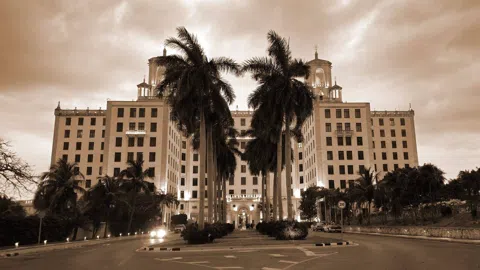
The Havana Hotels That Stay Cool When the Power Cuts
Havana's blackouts are scheduled rather than random, and a handful of hotels are built to sleep straight through them: the Nacional on its hill in Vedado, the diplomatic circuits of Miramar, a few small houses with oversized generators.
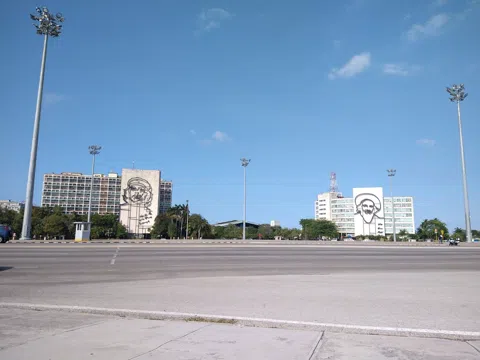
Plaza de la Revolución and the Havana streets around it
What to see around Havana's biggest square, when to go and what it costs, including the two steel murals and a jazz cellar behind a red telephone box.
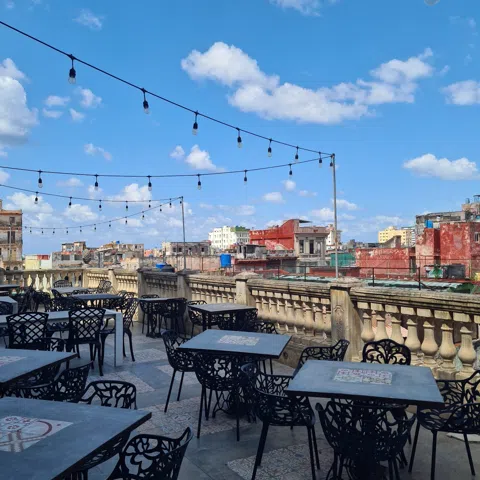
Two Nights in Havana and One Day in the Viñales Valley
A tight, walkable Havana itinerary built around Habana Vieja, a Vedado night and a day trip west into the tobacco country, with real prices, door realities and what to book before you land.
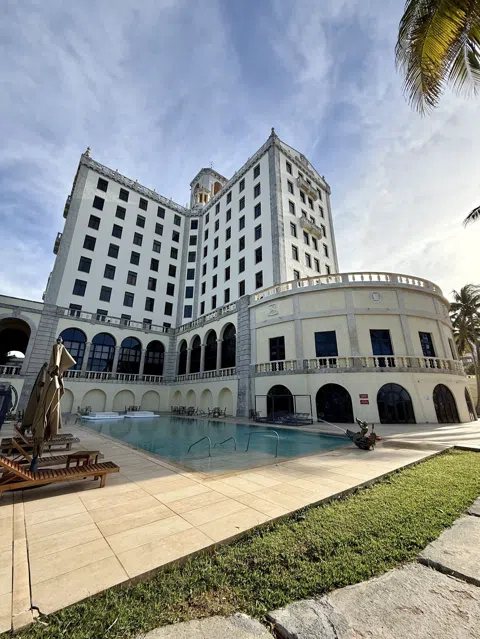
Havana Runs on Cash and a Backup Plan
How to plan a first Havana trip around rolling power cuts, rationed fuel and card terminals that do not work, and which places keep going anyway.
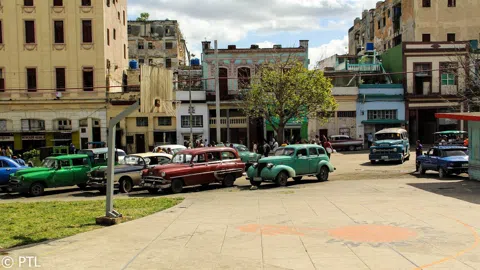
How to Cross Havana Without a Tank of Petrol
Ferries, e-trikes, shared Ladas and a bike bus through the bay tunnel: the honest mechanics of moving around a city where fuel is the scarcest thing on the street.
What to Settle Before You Book Havana on a US Passport
The visa, the licence category, the cash and the blackouts: everything a US traveller has to fix before the flight, and the private houses, paladares and workshops that fill the record for you.
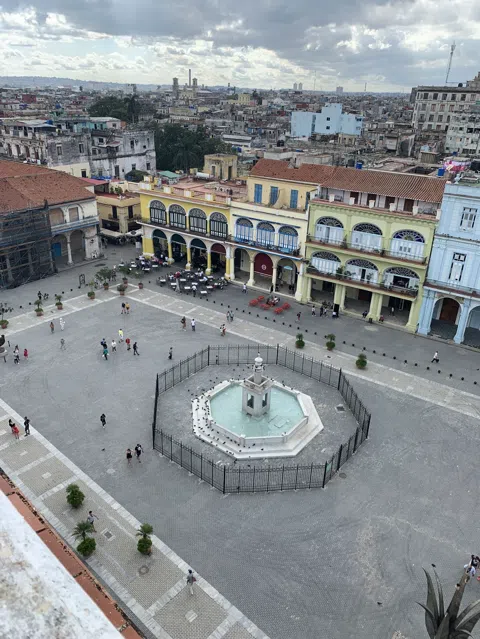
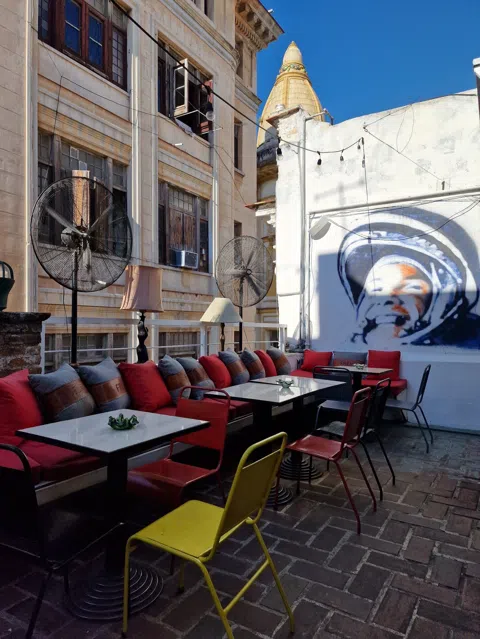
Where to Stand Above Havana and See It Whole
Nine rooftops, two forts and a pair of empty hilltops, ranked by what each one shows you, with prices, opening hours and the door realities that decide your evening.
Havana in October, When the Heat Finally Lets Go
The month Havana's rooftops, ballpark and Sunday rumba all work at once, and how to plan a first trip around the afternoon rain.

Two Nights in Havana Without Wasting One
A two-night route through Habana Vieja, Centro and Vedado built to survive blackouts, thin taxis and reservation-only doors, with what each place costs and who it actually suits.
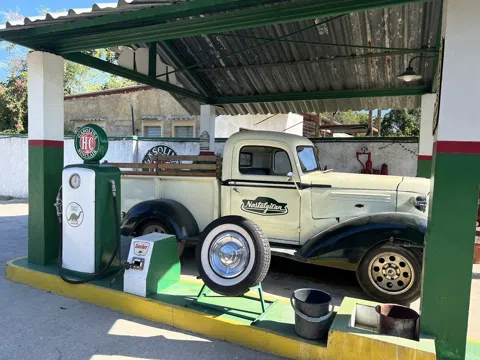
Havana's classic car tours: riding in style through the city
A calm, honest guide to Havana's classic-car operators in 2026 — who suits couples, who does convoys, and how to book a beautiful old Chevrolet without getting stung.
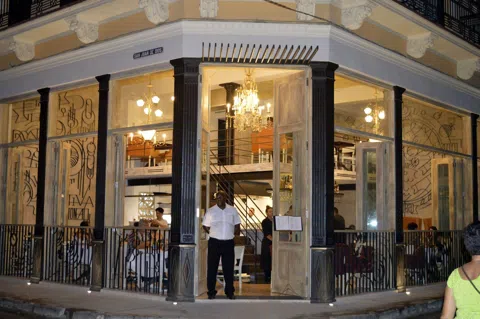
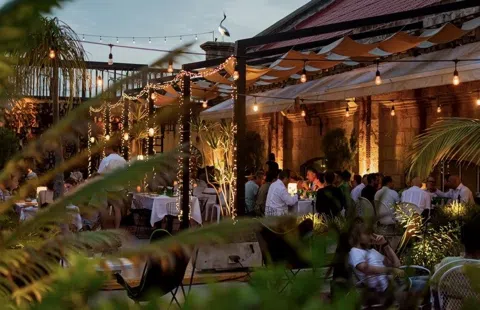
Eating Well in Havana When the Cash and the Fish Run Out
Which Havana kitchens still cook properly when the supply chain narrows and your small change disappears: sixteen addresses, with prices, door rules and the questions to ask the waiter.
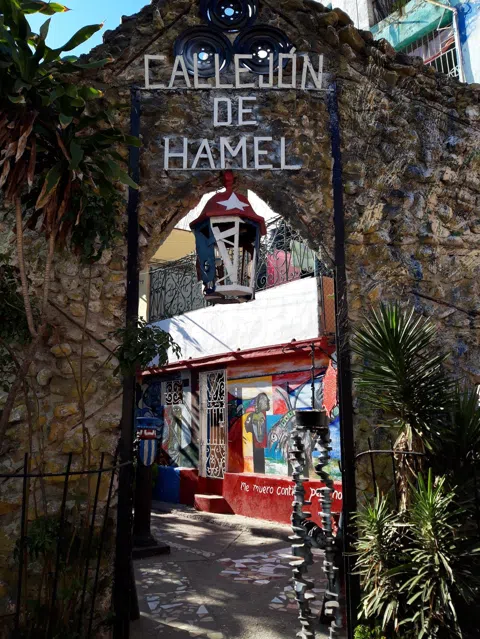
Walking Callejón de Hamel and Cayo Hueso in Havana
Sunday drummers, painted walls and the climb to the university steps, with the places to eat and sleep within a kilometre of the alley.
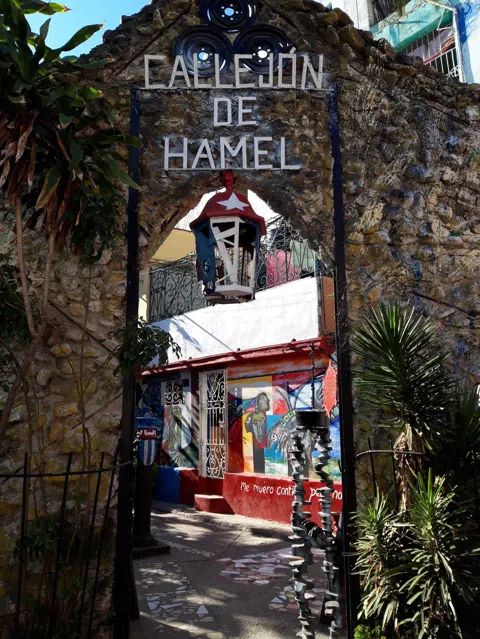
How to walk Cayo Hueso, Havana's rumba barrio
One walk through Cayo Hueso takes in Sunday rumba at Callejón de Hamel, a 1665 watchtower on the Malecón and the quarry where a teenage José Martí was shackled.
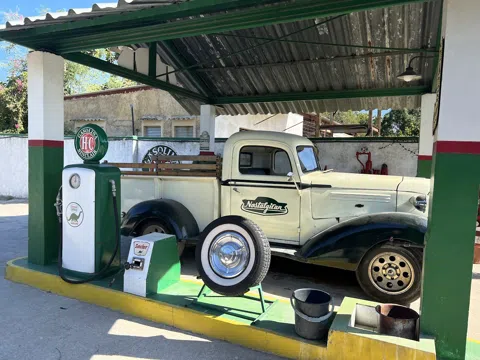
Riding Shotgun: A Local's Classic-Car Tour Through Havana's Neighborhoods
How to pick a 1950s convertible tour in Havana that actually runs, actually talks, and quotes you a price you understand — operator by operator, neighbourhood by neighbourhood.
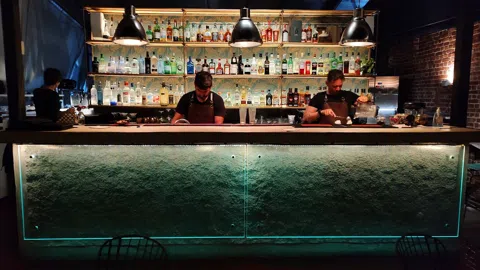
Havana This Fall Is Worth It If You Plan Hard
The heat breaks, the crowds thin and the rooftops stay open, but the grid, the cash and the restaurant bookings all need sorting before you fly.
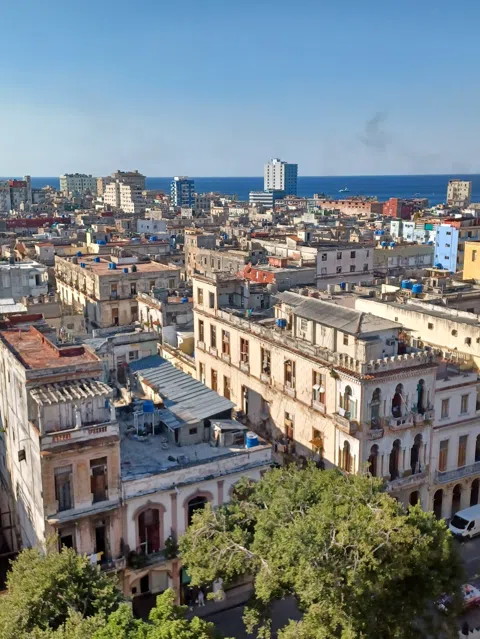
Planning Havana Around the Blackouts and Empty Streets
Havana has thinned out, the grid is unreliable and the buses barely run. Here is how to build a week around the buildings and kitchens that still work.
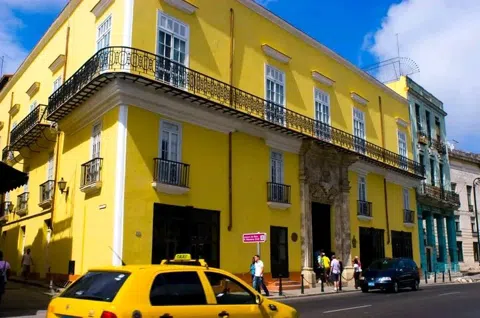
The rum trail: from cane field to aged barrel and the bars that pour it
A stop-by-stop route through Havana's rum culture, from the still that explains everything to the rooftops, dockside bars and paladar send-off that make sense of it after dark.
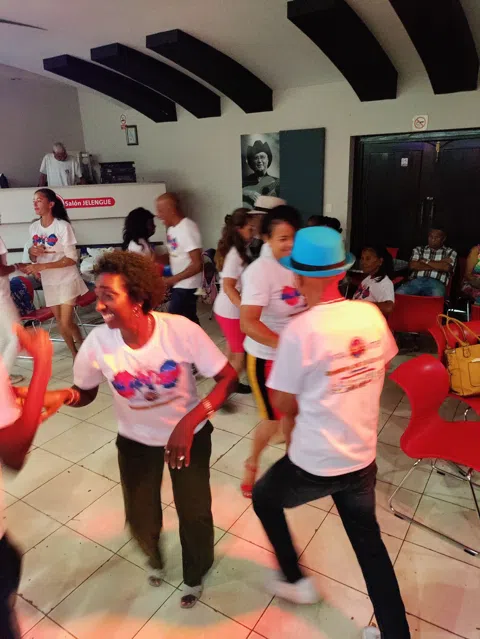
Where Havana Still Plays Unamplified: Inside the City's Living Son Cubano Underground
A walkable route through the Sunday rumbas, troubadour houses and basement jazz clubs where Havana still plays the rhythm that conquered the world without a single microphone.

Havana After Dark in Its Jazz Rooms and Dance Halls
Jazz cellars in Vedado, timba halls out in Marianao and a bolero bar that still fills at midnight: the rooms worth your evenings, with covers, curtain times and what the door is really like.
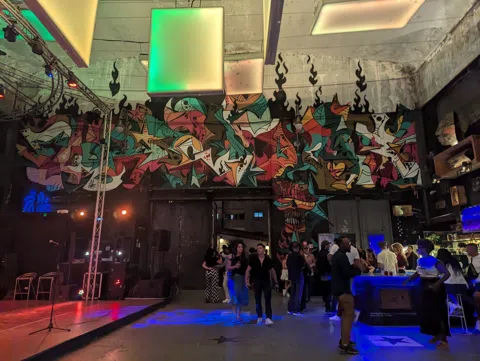
Where to sleep in Vedado for Havana's late nights
Sleep in Vedado and the jazz cellars, the art factory and the best kitchens are a walk from your bed. Which street to pick, and which rooms are worth the money.

Where to watch the sun set on Havana's Malecón
Sunset over Havana's seawall is a matter of position. One rooftop sits on the Malecón itself, and across the harbour a free hilltop puts the lit city in front of you.
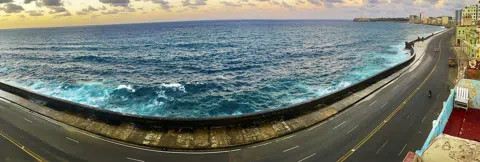
Havana's Casas Particulares Keep Their Own Lights On
Havana's private houses buy their own fuel, cook their own breakfast and fix their own problems. Here are fourteen worth booking, from a three-room family B&B to a sixteen-sleeper villa with a generator.
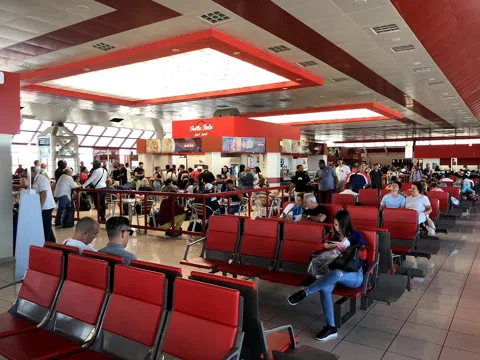
Landing in Havana with Enough Cash and Enough Patience
What the first ninety minutes at Terminal 3 ask of you: the exchange window, the SIM counter, the ride into town, and a bed with a host who knows when the power returns.
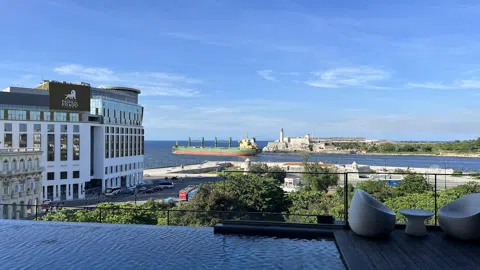
Packing for Havana When the Lights Go Out
A blackout-proof packing list for Havana, plus the hotels, cafés and paladares that stay lit when the grid drops.
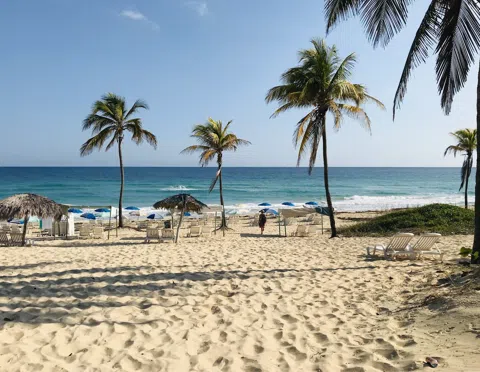
Playas del Este When Havana Wears You Out
Nine kilometres of sand half an hour east of the tunnel, taken beach by beach: what each one costs, who it suits, and how to get back.
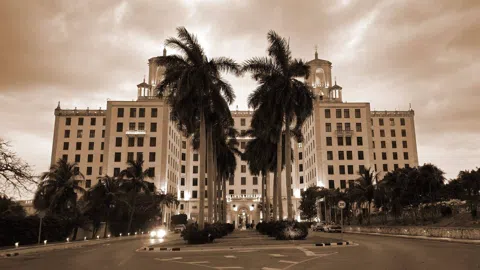
Havana Is Worth the Trip If You Plan Around the Grid
The blackouts are real, so are the water cuts and the thinned-out menus, and there is still an honest case for going to Havana, with the venues that keep working when the power is off.
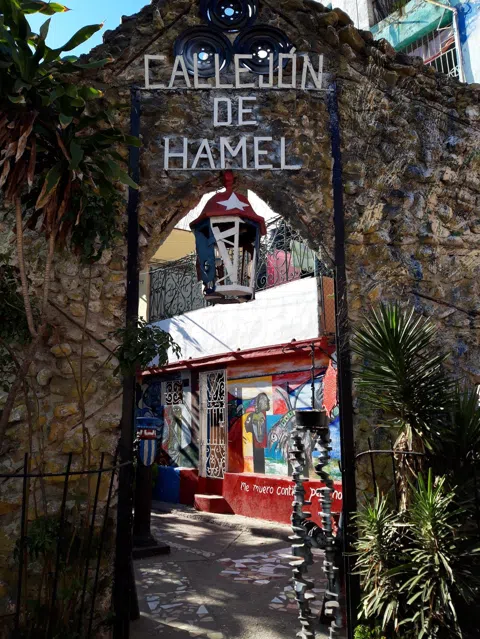
Santeria in Havana: The Drums, the Saints and the Religion That Outlived the Revolution
A neighbourhood-by-neighbourhood route through the drum ceremonies, museums, churches and private consultations where Havana's Afro-Cuban faith is still practiced, not performed.
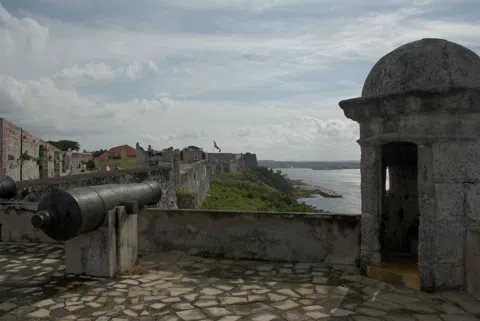
Walking La Cabaña, the fort ridge above Havana Bay
Across the water from Old Havana, one ridge holds El Morro's working lighthouse, a marble Christ and the cannon that fires at 21:00, with the paladares at the foot of it.
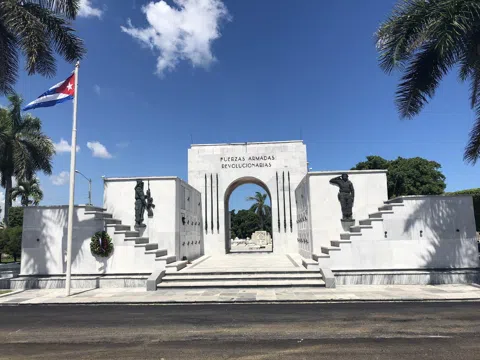
Havana's Nuevo Vedado, from Colón cemetery to the Almendares
Two cemeteries on Calle 26, a forest on the river, a 1950s theatre with a salsa basement under it, and the paladares that sit between them.
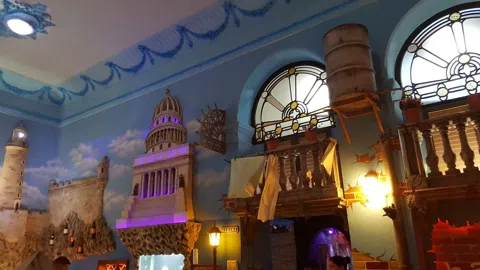
Fifteen Places to Look Down on Havana
The tallest bar in Cuba, a camera obscura on Plaza Vieja, a fortress wall across the harbour: they show very different parts of Havana. This guide covers what you see from each one, what it costs and who it suits.
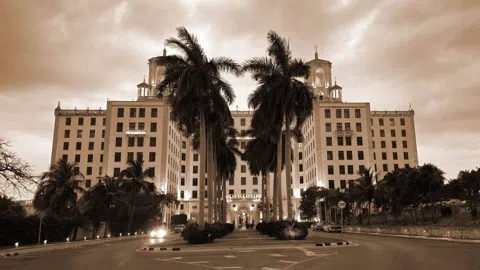
The Malecón at Twilight: Havana's Five-Mile Seawall and the City That Lives on It
Havana's real living room isn't a plaza or a park — it's five miles of crumbling limestone wall where fishermen, lovers, trumpet players and tourists all claim the same stretch of stone at sunset.
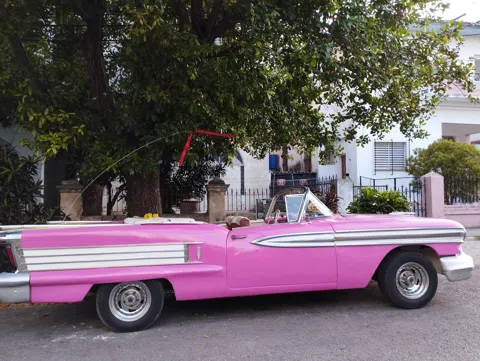
Havana Airport to Your Casa Without the Scramble
Change money, buy a SIM, agree the fare: the twenty minutes inside Terminal 3 decide how your first night in Havana goes.
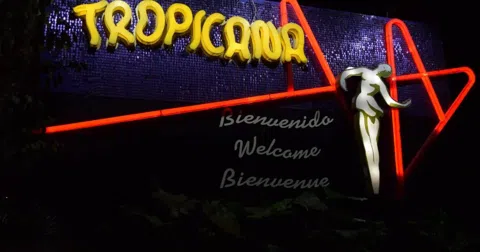
Marianao, the Havana district behind Tropicana
Tropicana sells its seats in blocks, the obelisk looks like a syringe, and Pogolotti's cottages date to 1911. One municipality in west Havana holds all three.
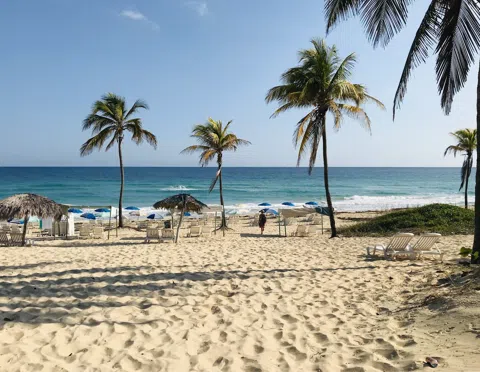
Santa María del Mar, Havana's beach and villa district
Havana's nearest swimmable sand, with 1952 modernist villas behind it and Guanabo kitchens worth a taxi east.
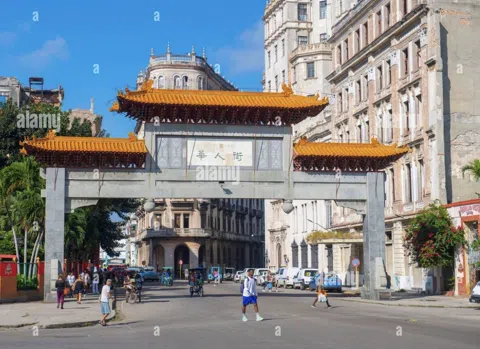
Walking Havana's Barrio Chino from the arch to Cuchillo
Havana's Chinese quarter is only a few blocks wide: a granite arch on Dragones, a 60-metre alley with eight restaurant doors, a Confucius statue, and a wushu school that still teaches.
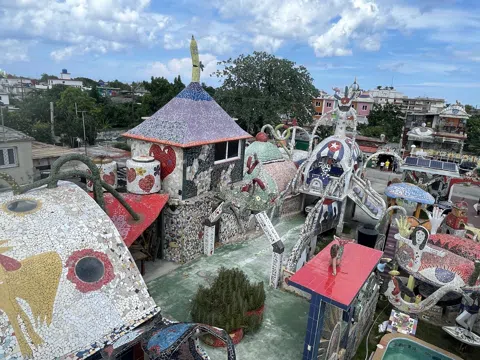
Jaimanitas, the Havana barrio Fuster covered in mosaic
José Fuster's tiled street grew out of the fishing shore beside it, and the marina and the seafood decks over the river are next door. One walk takes them in that order.

Getting to Viñales from Havana When the Fuel Runs Short
The valley is still two hours west of the capital, and the hard part in 2026 is arranging the drive home before you arrange anything else.
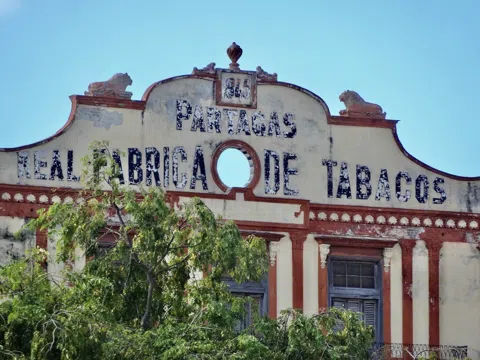
Havana's Cigar Trail: From Factory Floor to Lounge Chair
A walkable route through Havana's working cigar factories and the lounges where the same leaf ends up in your hand, with honest notes on booking, crowds, and price.
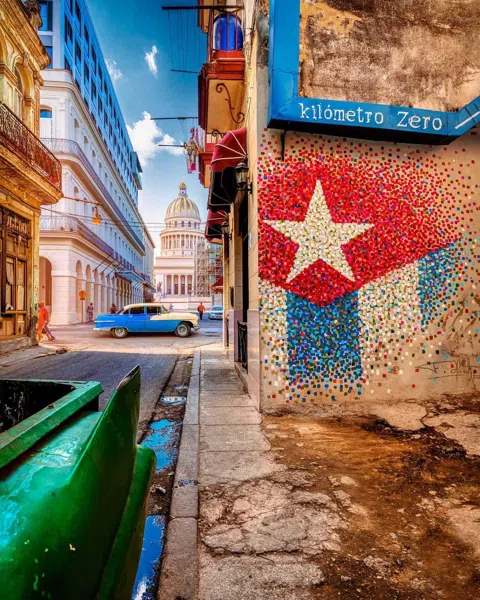
How Havana Turns Fifteen-Year-Old Girls Into Queens for a Day
A tour through the photo studios, classic-car garages and party venues that turn Havana's fifteenth birthdays into a citywide production, and how to watch, or plan, one for yourself.
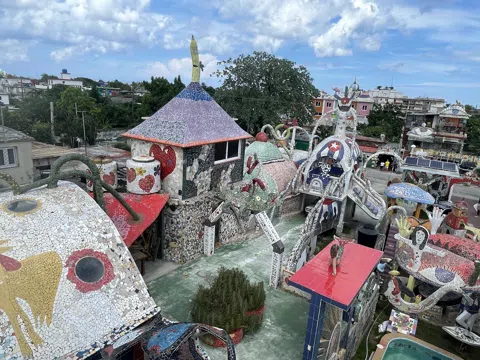
Fusterlandia: The Gaudí of the Caribbean and Havana's Most Surprising Neighbourhood
In the fishing village of Jaimanitas, one artist covered his home and half his neighbours' walls in mosaic — here's how to see it, eat well afterward, and turn it into a proper half-day out of Havana in 2026.
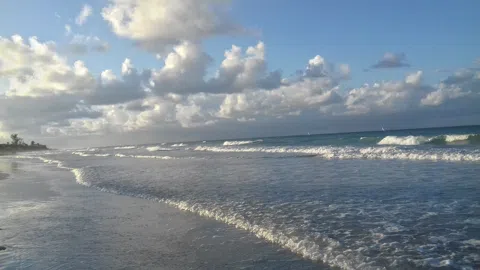
How to spend a day in Guanabo, Havana's beach town
Sand, a river mouth, a mangrove reserve and kitchens that stay open, in the beach town at the eastern end of Havana.
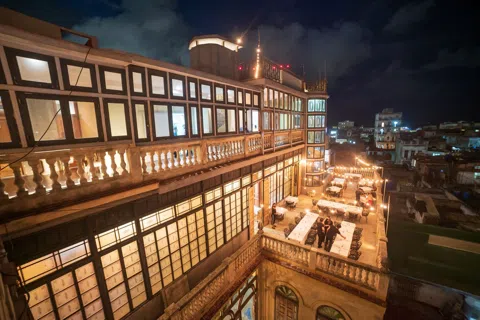
From Kitchen Window to Table: Havana's Paladares and the Home-Restaurant Revolution
How a handful of illegal home kitchens during Cuba's hungriest decade grew into Havana's best restaurants — and where the grandmothers are still cooking for six strangers a night.
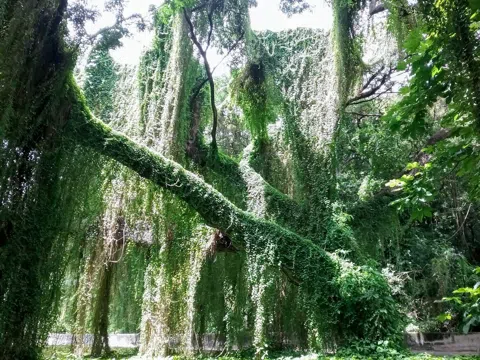
Walking Havana's Almendares river park and Kohly forest
A 700-hectare green corridor runs through Havana: dinosaur lawns, the gallery forest at Kohly, and a salsa garden where the Almendares meets the sea.
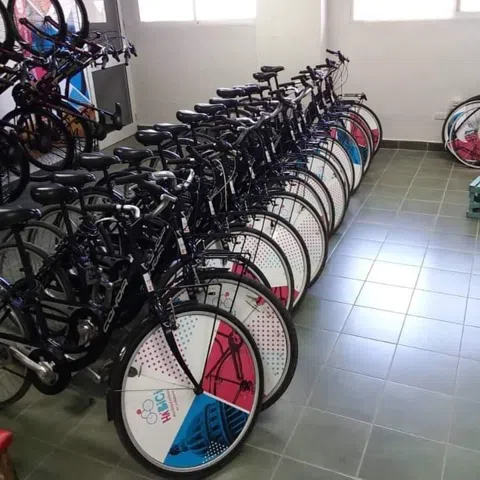
How Havana Fell Back in Love With the Bicycle
Cuba's fuel crisis turned Havana into a city of cyclists, and a scrappy network of mechanics, organizers, and rental shops is keeping it rolling in 2026.
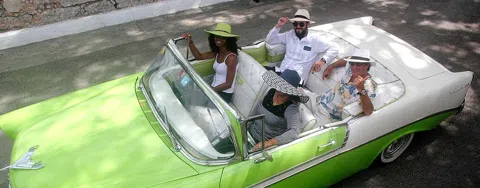
The Rolling Museum: Havana's Classic American Cars and the Mechanics Who Keep Them Alive
A street-level guide to riding — and understanding — the pastel Chevrolets and Buicks that turned an economic accident into Havana's most photographed inheritance.